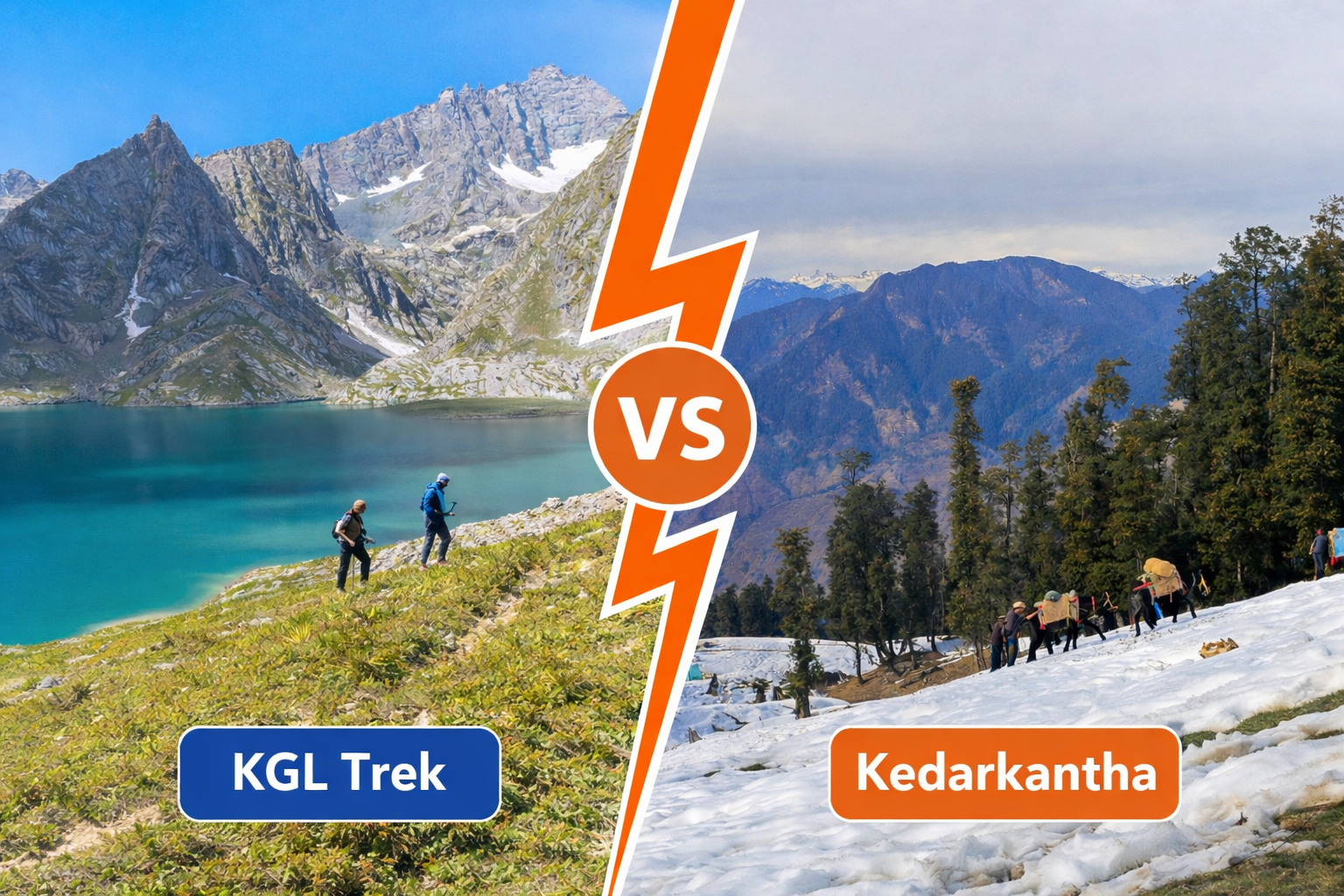
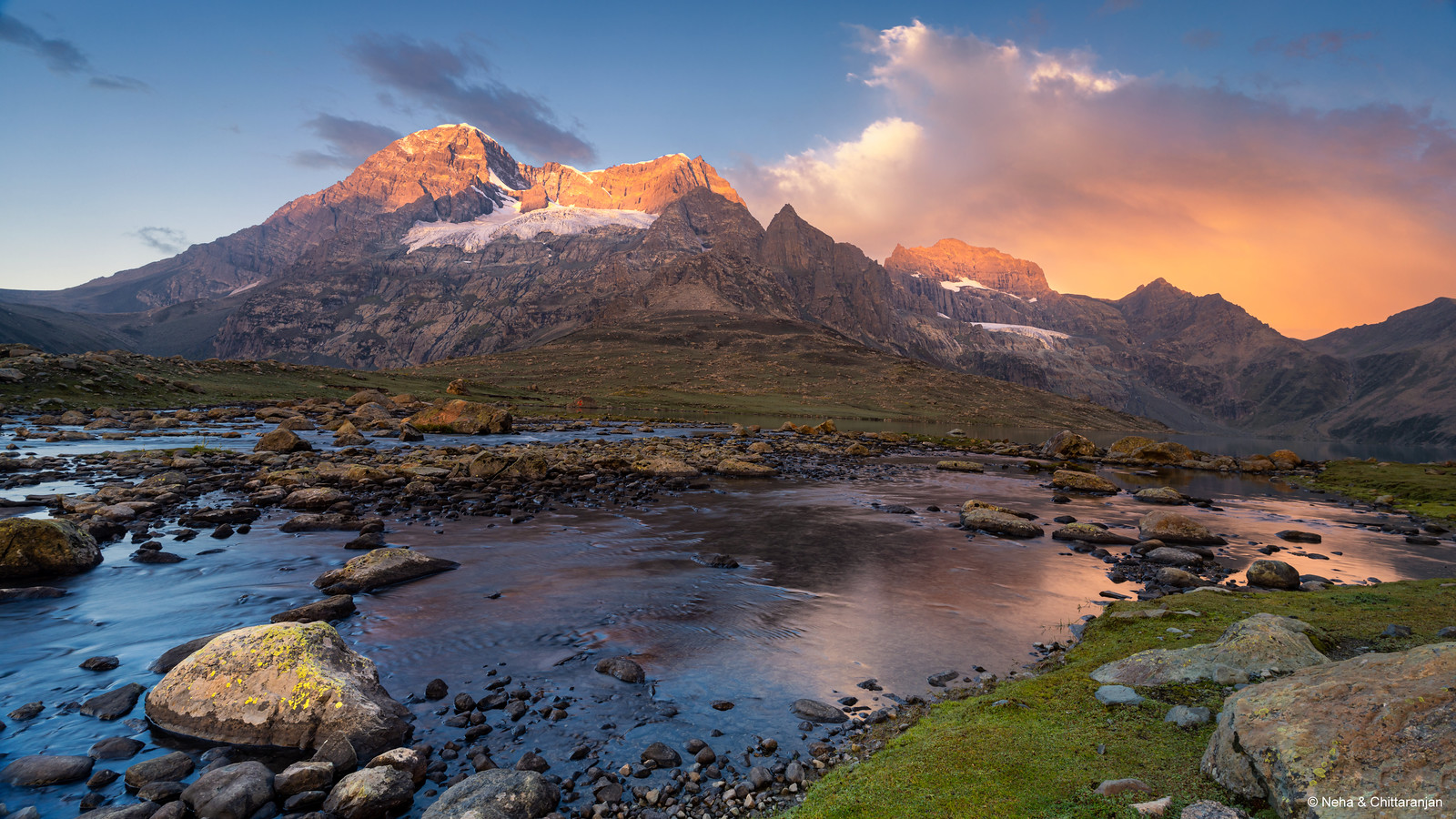
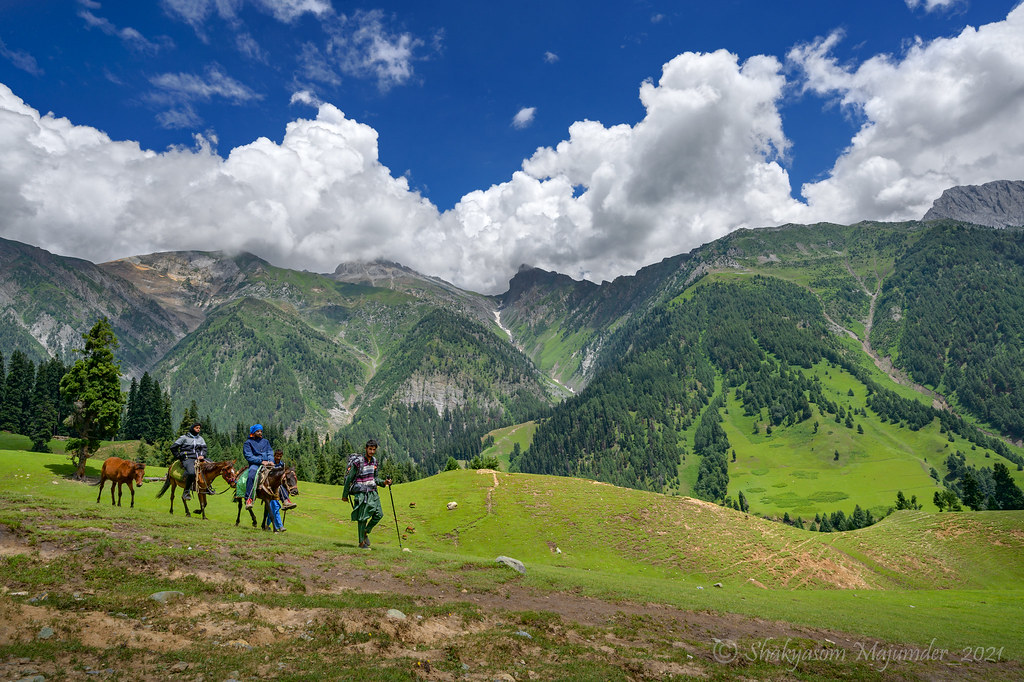
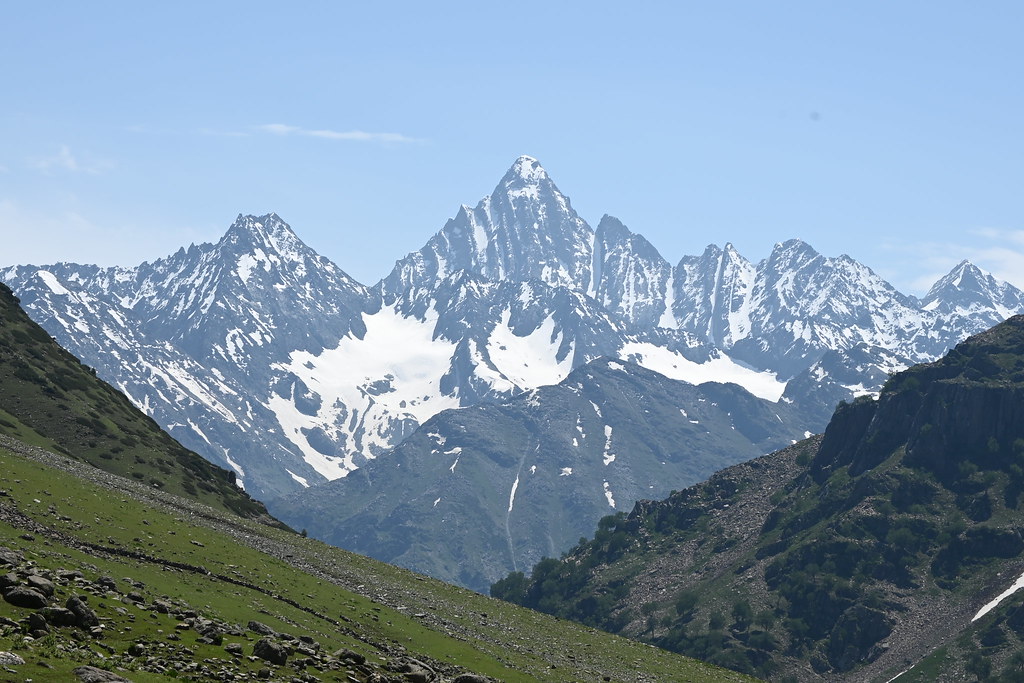
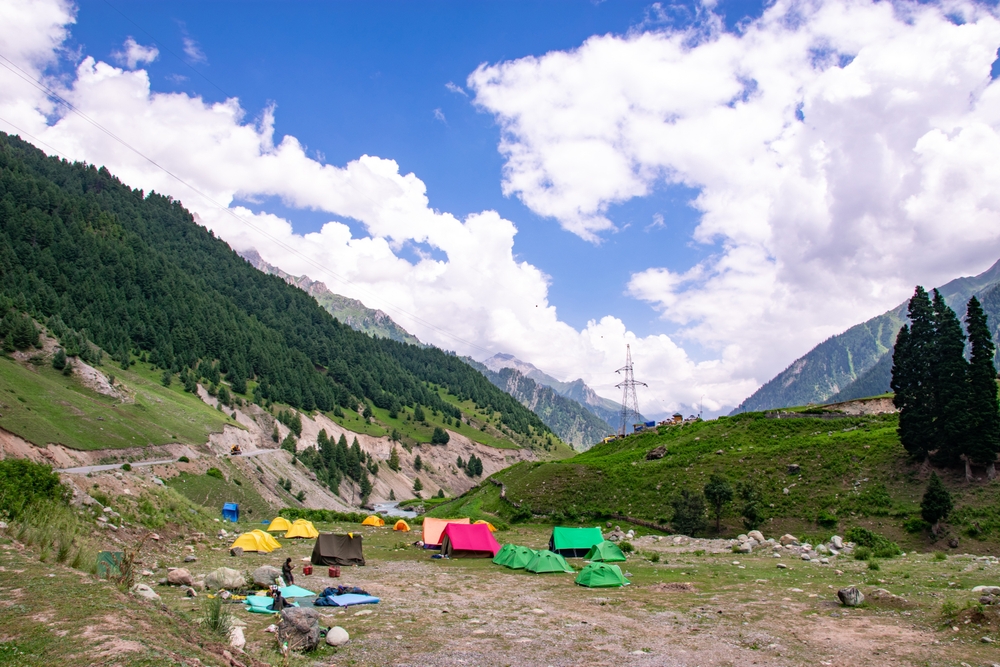
The Kashmir Great Lakes trek final checklist is simple at heart: pack light, pack smart, and carry only what truly helps you walk comfortably for seven long days at high altitude. Everything else is unnecessary.
I say this as someone who has watched trekkers unpack their bags at Sonamarg, quietly removing half the things they were sure they would need. Anxiety makes us overpack. Experience teaches us restraint. This guide is meant to save you from that learning curve.
Before we get to the list, let us pause for a moment. This trek is not a weekend hill walk. You cross high passes, camp beside glacial lakes, and walk for hours with no shops or exits. What you carry shapes your entire experience. A good checklist is not about fear. It is about confidence.
Why a Final Checklist Matters on This Trek
Most Himalayan treks forgive small mistakes. The Kashmir Great Lakes route does not do that easily. The terrain is remote, the weather changes quickly, and help takes time to arrive . I have seen sunny mornings turn to sleet by lunchtime. I have also seen people lose joy because their shoes failed on Day 3.
This is why a Kashmir Great Lakes trek Final Checklist matters. It removes guesswork. It helps you decide calmly at home instead of panicking in a tent at 12,000 feet.
The 31 Essentials You Actually Need
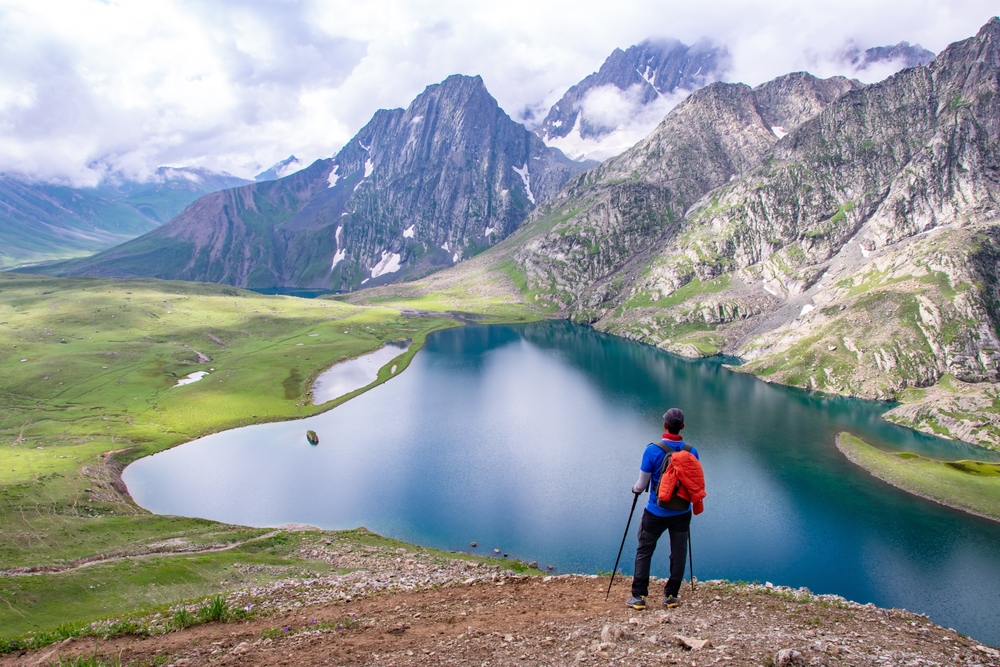
Clothing: Warmth Without Bulk
The cold here is deceptive. It bites early in the morning and after sunset. During the day, the sun can be harsh. Layering is not a fancy word here, it is survival.
1. Quick-dry base layers (2 sets)
2. Warm mid-layer fleece or light down jacket
3. Waterproof outer jacket with hood
4. Trekking trousers (2 pairs, quick-dry)
5. Thermal inner (top and bottom, one set)
I still remember a fellow trekker wearing cotton thermals. By Day 4, they were damp, heavy, and useless. Cotton feels friendly at home. On this trek, it is a poor choice.
Footwear: Your Real Lifeline
If something goes wrong with your feet, the trek ends emotionally even if you finish physically.
6. High-ankle trekking boots, well broken-in
7. Woollen trekking socks (3 pairs)
8. Light sandals or floaters for camps
Break your boots in at least two weeks before the trek. Do not trust “brand new” promises. The Kashmir Great Lakes trail has long grassy stretches that hide stones. Ankles need support.
Backpack System: Carry Comfort, Not Ego
You do not need a massive bag. You need a balanced one.
9. Trekking backpack (50–60 litres)
10. Rain cover for backpack
11. Small daypack or foldable pouch
I have seen people bring 75-litre bags filled with “just in case” items. By the second pass, they look ready to barter their extra jeans for a lighter soul.
Sleep and Recovery: Where the Body Repairs Itself
Good sleep here is not a luxury, it is fuel.
12. Sleeping bag (rated at least -5°C)
13. Compact inflatable pillow or stuff sack pillow
When the wind howls at Gadsar camp, your sleeping bag feels like home. Borrowed or under-rated bags show their true colours very quickly.
Protection from Weather and Sun
This trek gives you every season in one week.
14. Poncho or lightweight rain jacket
15. Sun cap or wide-brimmed hat
16. UV-protection sunglasses
17. Buff or scarf
Snow glare near passes is real. So is sunburn on cloudy days. Both catch beginners off guard.
Trekking Tools That Save Energy
These items seem optional until your knees disagree.
18. Trekking pole
19. Headlamp or torch with spare batteries
A pole is not a crutch. It is a rhythm. It takes the load off your knees, especially on descents that feel endless.
Personal Care and Hygiene
You will not shower for days. Comfort matters more than freshness.
20. Quick-dry towel
21. Toiletries in small containers
22. Wet wipes and toilet paper
23. Hand sanitiser
Pro tip: Carry wipes in an outer pocket. Cold fingers and tight zips do not mix well at night.
Health and Safety Essentials
Altitude does not ask for permission. It tests quietly.
24. Personal medicines with prescriptions
25. Basic first-aid kit
26. Diamox (only after doctor advice)
I have seen strong, fit people slow down because they ignored mild headaches. Listening to your body is part of the checklist too.
Documents and Small But Critical Items
These are easy to forget. They are impossible to replace mid-trek.
27. Government ID and photocopies
28. Permits (usually arranged by organisers)
29. Cash (no ATMs beyond base point)
Keep documents in waterproof covers. Rain has no respect for paper.
Fuel for the Mind and Body
Food keeps you moving. Familiar tastes keep you sane.
30. Energy bars, dry fruits, ORS
31. Reusable water bottle (1–2 litres)
I always carry a small pack of roasted chana. It reminds me of home and works better than fancy gels.
Common Packing Mistakes to Avoid
Most mistakes come from fear or overconfidence.
People pack too many clothes, thinking warmth means quantity. Others skip rain gear because the forecast looks clear. Forecasts in Kashmir are suggestions, not guarantees.
Another common error is ignoring weight. Every extra kilo feels fine at home, but on a steep climb to Gadsar Pass, it feels significant.
How to Use This Checklist Wisely
Do not print this list and blindly tick boxes. Lay everything on the floor. Pick each item and ask one question. Does this help me walk, stay warm, sleep, or stay safe?
If the answer is no, reconsider.
This KGL Trek Final Checklist is not about perfection. It is about intention. Packing with clarity makes the trek lighter, both physically and mentally.
Conclusion
The Kashmir Great Lakes trek offers you beauty, silence, and challenge in equal measure. What you carry decides how much of that beauty you actually notice.
Pack like someone who trusts the mountains, but respects them too. And when you zip up your bag for the last time, ask yourself one quiet question. Are you carrying fear, or are you carrying readiness?