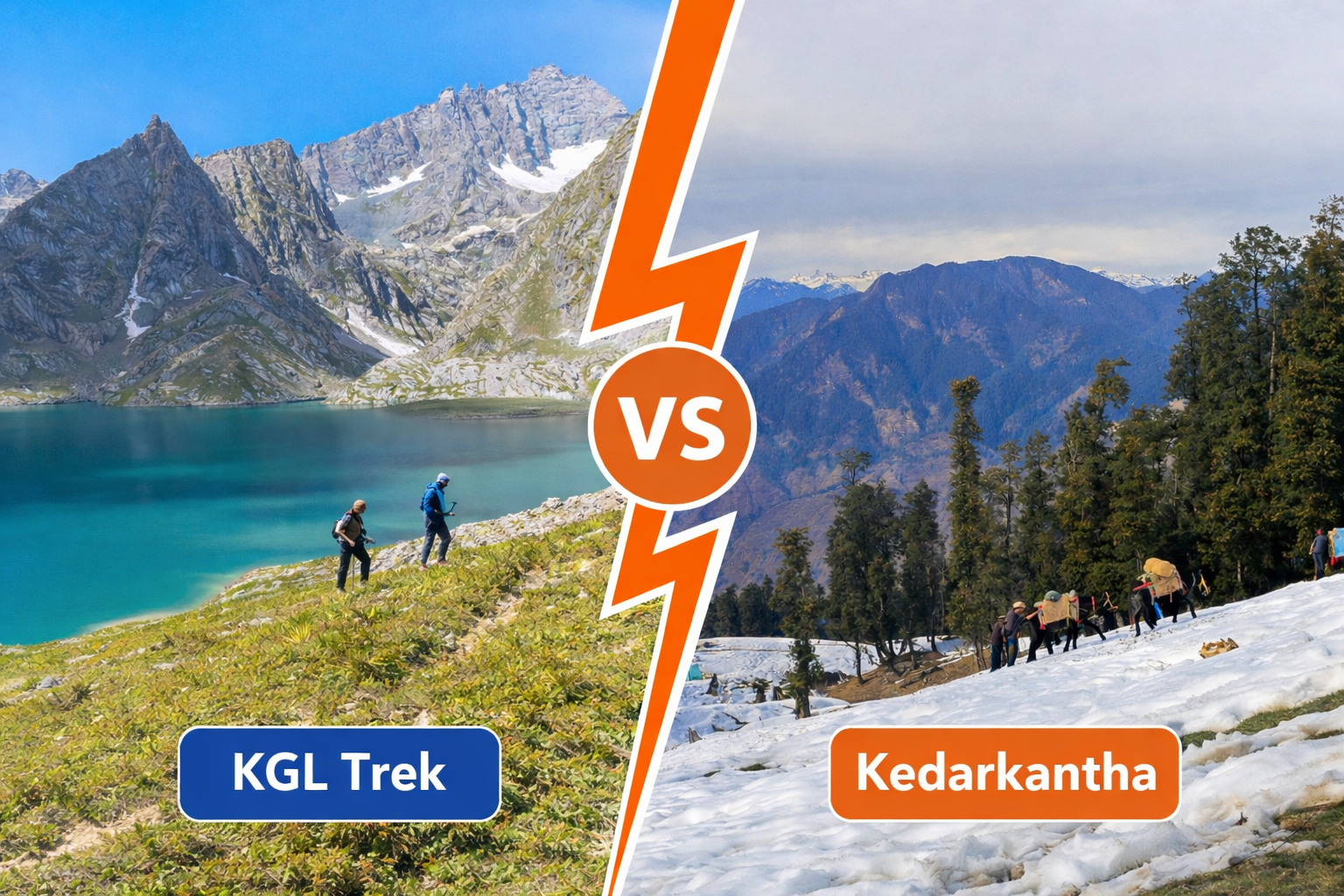
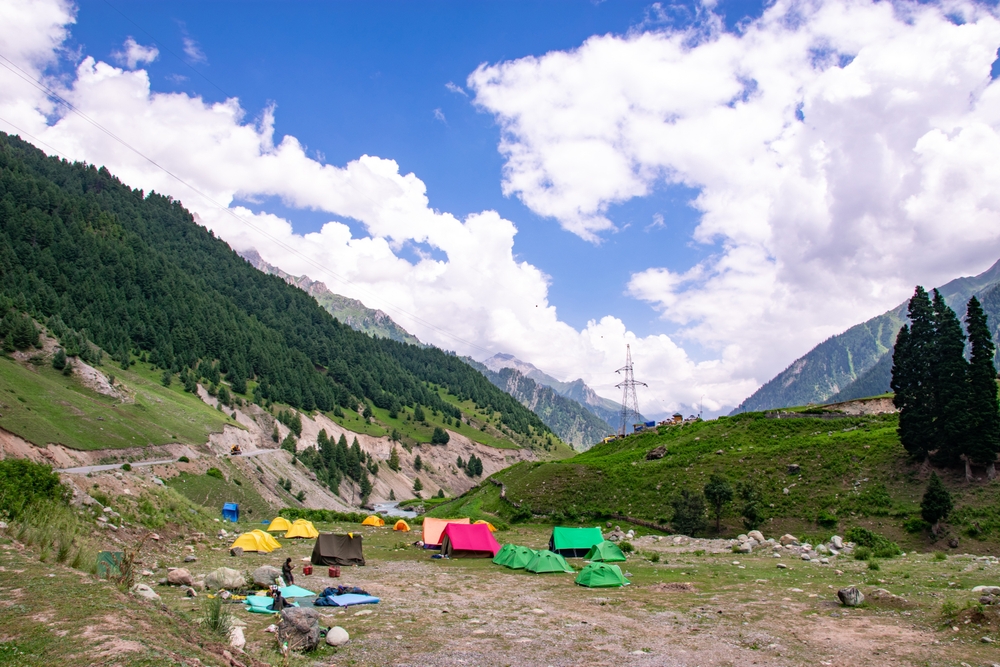
Kashmir Great Lakes trek permit rules are strict, non-negotiable, and can decide whether you set foot on the trail or are turned back at the base camp.
If you are seriously planning this trek, you must understand these rules before booking transport, flights, or taking leave from work.
I have seen trekkers arrive in Sonamarg with excitement in their eyes, only to be told at the check-post that their papers are incomplete. The mountains stay calm. The rules do not bend. This article guides you through the six permit rules you simply cannot ignore, not as dry regulations, but as real decision points you will face while planning the trek.
Why Kashmir Great Lakes Trek Permit Rules Exist (and Why You Should Care)
The Kashmir Great Lakes route passes through sensitive alpine meadows, army-monitored zones, and remote villages with minimal infrastructure. These permits are not just paperwork, they are the system that keeps trekkers safe, controls footfall, and helps local authorities know who is inside the mountains on any given day.
Many first-timers assume permits are “managed later” or “handled at the base camp.” That assumption causes the most stress. Kashmir trek permits are checked multiple times, not just once. Understanding this early saves you money, time, and peace of mind.
Rule 1: Kashmir Great Lakes Trek Permit Is Mandatory for Every Trekker
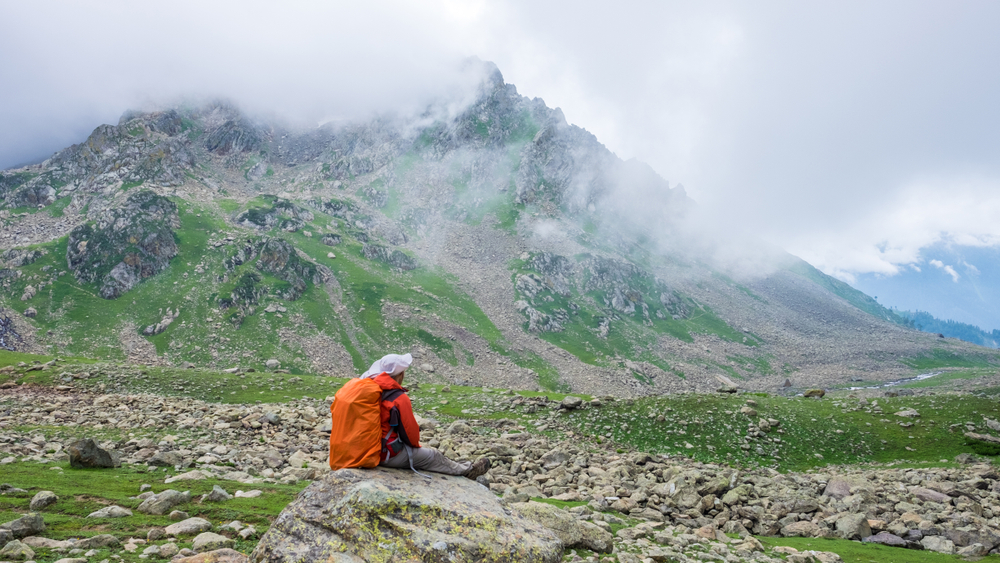
There is no casual entry on this trail. Every individual trekking the route must be registered and cleared. No exceptions exist for experience, fitness, or group size.
Even if you are trekking with friends, each name must appear on the official list submitted to local authorities. This rule applies whether you start from Sonamarg or Naranag. Solo trekkers are also covered under the same requirement.
If you arrive without a valid Kashmir Great Lakes trek permit, you will be stopped before the first campsite. I have seen people argue, plead, and negotiate. It does not work.
Key details this permit usually includes
- Your full name and age
- ID proof details
- Emergency contact
- Trek dates and route
- Group or organiser name
The rule exists because once you cross into the higher meadows, evacuation becomes difficult. Authorities need a clear record of who is on the route.
Rule 2: Independent Trekkers Face More Restrictions Than Groups
This rule surprises most people.
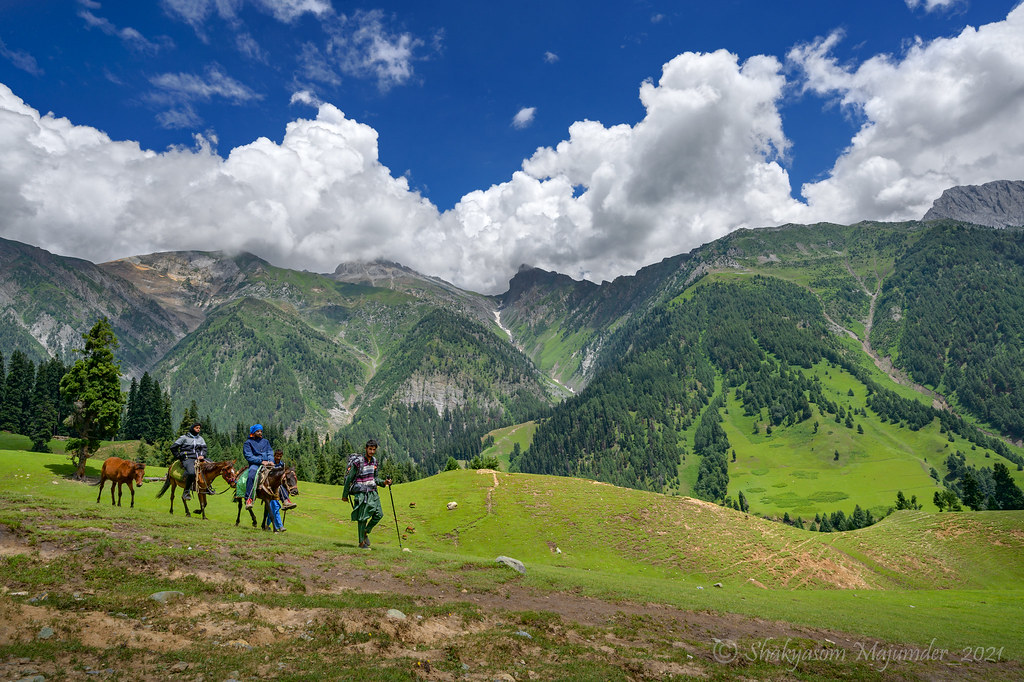
While independent trekking is technically possible, permissions are much easier and smoother when you go with a registered trek operator. Local authorities prefer dealing with organised groups that follow fixed routes and safety protocols.
As an independent trekker, you may be asked extra questions. Sometimes you will be required to prove prior high-altitude trekking experience. In peak season, permissions for solo or unregistered groups may be delayed or denied.
I once met two fit, well-prepared trekkers who planned to go independently. They had gear, maps, and experience. Still, their KGL trek permissions took two extra days to clear. They lost trekking days and money.
This does not mean independent trekking is impossible. It means you must factor in uncertainty while planning.
Rule 3: Kashmir Trek Permits Are Date-Specific and Route-Specific
Your permit is valid only for the dates and route mentioned on it. You cannot start early, extend your trek, or change direction on the go.
If your permit says Day 1 Sonamarg to Nichnai, you cannot decide to rest an extra day at the base or switch exit points later. Authorities cross-check this at camps and check-posts.
Weather delays test this rule the most. Sudden rain or snow may force you to halt. In such cases, the local team or trek leader coordinates with authorities. You cannot self-adjust plans on your own without informing anyone.
This is why planning buffer days outside the trek is wise. Your permit controls your movement inside the trail, not your travel to and from Kashmir.
Rule 4: ID Proof Is Not Optional, and Copies Matter
This sounds basic, but it is one of the most common mistakes.
You must carry a valid government ID. Aadhaar, Passport, or Voter ID work best. PAN cards are sometimes not accepted at security check-posts.
Carry both the original and photocopies. Digital copies on your phone help, but do not rely on them alone. Network issues are common. Batteries drain faster in cold.
At least two checkpoints may verify your identity against the permit list. If your name matches but you cannot produce ID, you may still be stopped.
I personally keep one laminated copy in my backpack and one spare in a waterproof pouch. It feels excessive until it saves your day.
Rule 5: Kashmir Great Lakes Trek Permit Depends on Local Security Clearance
This is the rule you cannot control, but must respect.
Security conditions in Kashmir can change. On certain days, even valid permits may be temporarily suspended due to local alerts, weather systems, or administrative decisions.
This is why last-minute planning is risky. Bookings made months in advance are safer, but flexibility is still necessary. Most experienced trekkers keep one buffer day before flights out of Srinagar.
Local authorities coordinate closely with army and police units. If they say no movement today, that decision is final. Arguing only adds stress.
Understanding this rule helps you prepare mentally. The mountains are patient. We should be too.
Rule 6: Camping Only at Approved Campsites Is Enforced
Wild camping is not allowed on the Kashmir Great Lakes trek. Your permit lists approved campsites, and you must use them.
This rule protects fragile alpine grasslands and water sources. It also helps rescue teams know where to look in emergencies.
Even pitching a tent slightly away from the designated area can attract warnings. In some cases, trekkers have been fined or asked to move camp late in the evening.
Approved campsites usually include:
- Nichnai
- Vishansar
- Gadsar
- Satsar
- Gangbal
These sites are chosen for terrain safety, water access, and communication feasibility. Respecting this rule is part of being a responsible trekker.
How Trek Operators Handle Kashmir Great Lakes Trek Permit Issues
If you trek with an organiser, most permit formalities are handled for you. They collect IDs in advance, submit group lists, and coordinate daily movements.
This does not mean you can switch off your brain. Always ask:
- When permits are applied for
- What documents are needed
- What happens if dates shift due to weather
Good operators explain these things upfront. If someone sounds vague, that is a red flag.
As trekkers, we often focus on gear and fitness. Paperwork deserves the same respect.
Common Permit Myths That Cause Last-Minute Panic
Many online forums still spread outdated advice. Let’s clear a few things.
- Permits are not issued instantly at the base camp
- Hotel bookings do not replace trek permissions
- Fitness certificates do not waive permit rules
- Local contacts do not guarantee clearance
If something sounds too easy, double-check it.
Real Decision Points to Consider Before You Book
Before confirming your trek, pause and ask yourself a few honest questions.
- Do I want certainty or flexibility?
- Am I okay with possible delays?
- Can I handle last-minute route changes?
- Is saving money worth added risk?
There is no right or wrong answer. There is only an informed choice.
Some trekkers love independence. Others prefer structure. Kashmir Great Lakes allows both, but the permit system favours preparation over spontaneity.
Key Takeaways to Carry in Your Backpack
- A Kashmir Great Lakes trek permit is compulsory for everyone
- Dates and routes are fixed and enforced
- ID proof matters more than you think
- Security conditions can override plans
- Approved campsites are non-negotiable
- Organised groups face fewer permit hurdles
Once you understand these rules, planning becomes calmer. You stop worrying about “what ifs” and focus on the experience.
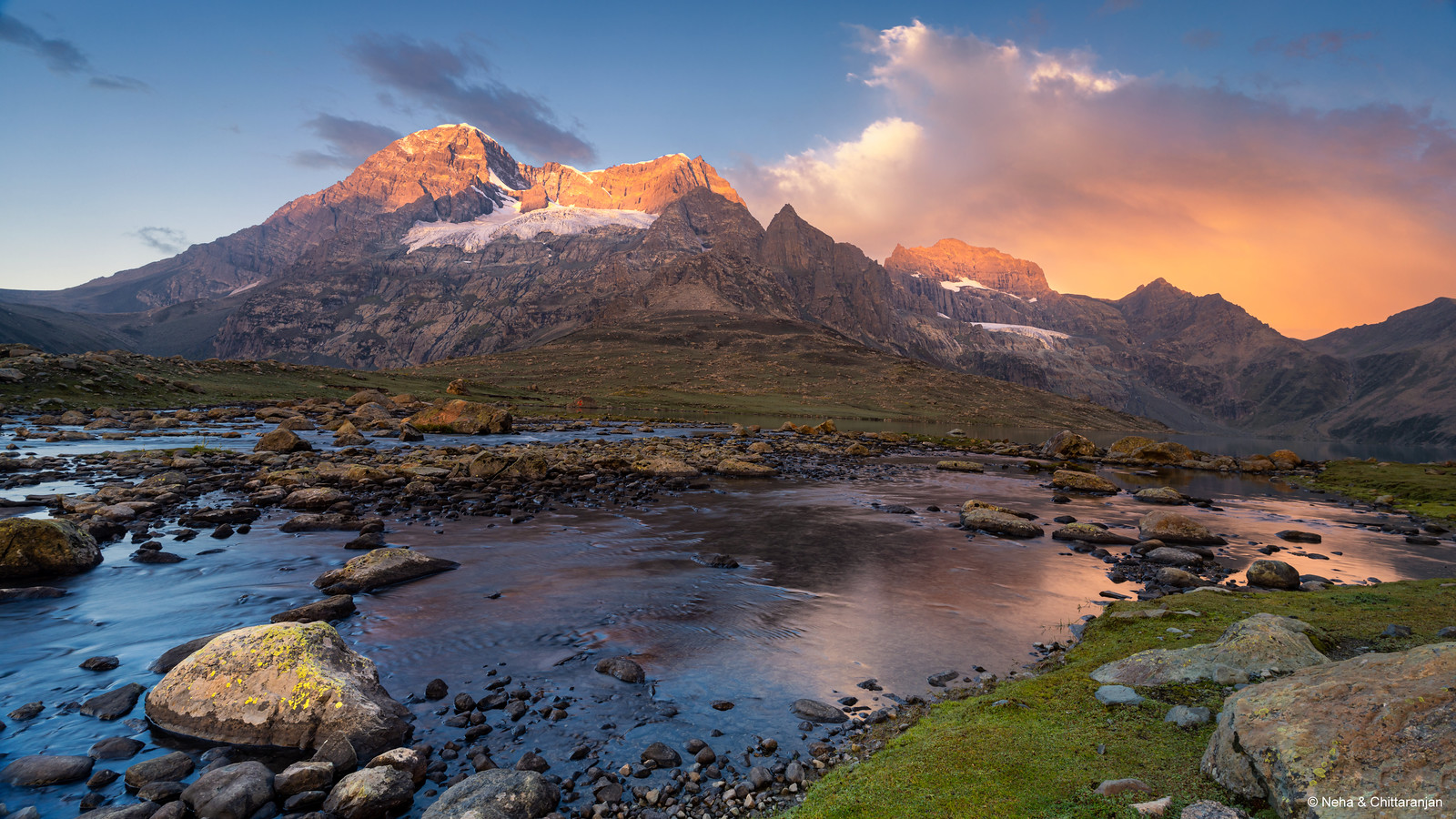
And when you finally stand beside Vishansar Lake at dawn, watching light spill over the peaks, you will realise something simple. The mountains reward respect, not shortcuts. Are you ready to plan this trek the right way, even if it takes a little more patience?