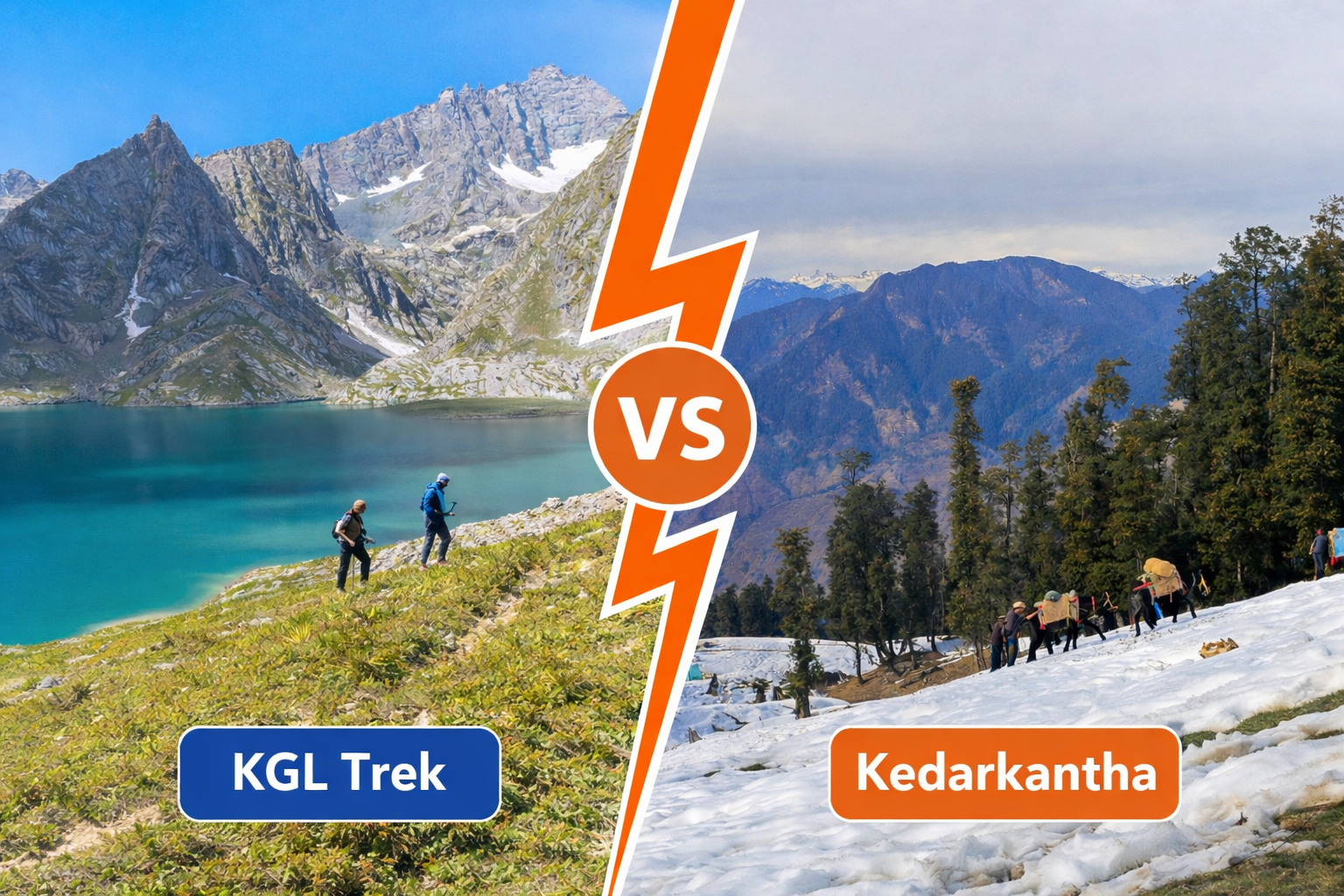
Kashmir Great Lakes trek mistakes are rarely about fitness or courage. They are about small decisions made at the wrong time, often before the trek even begins. Most beginners do not quit because the trek is “too hard”. They struggle because they misunderstood what this route actually demands.
If you are planning the Kashmir Great Lakes Trek for the first time, this guide is written as I would explain it to a close friend calmly, honestly and with the things I wish someone had told me earlier.
This is not a fear-based article. It is one based on clarity.
Why Beginners Make the Same Mistakes on KGL
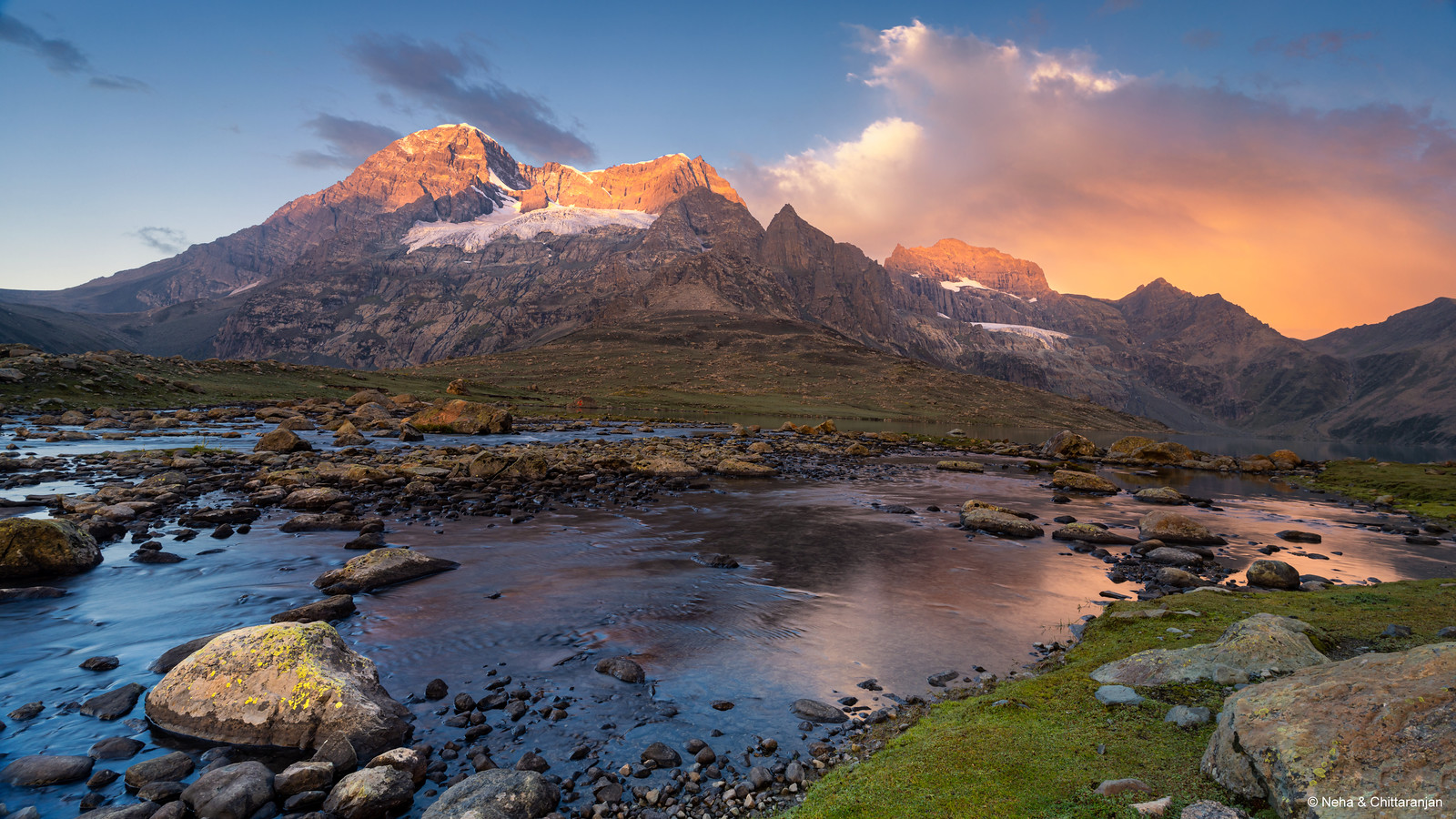
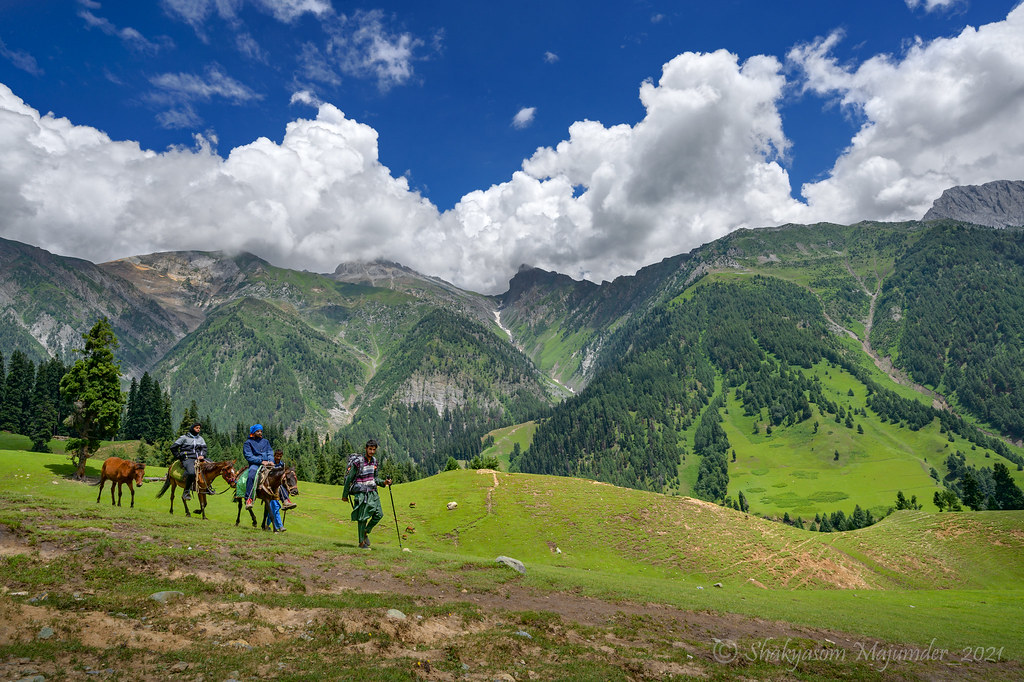
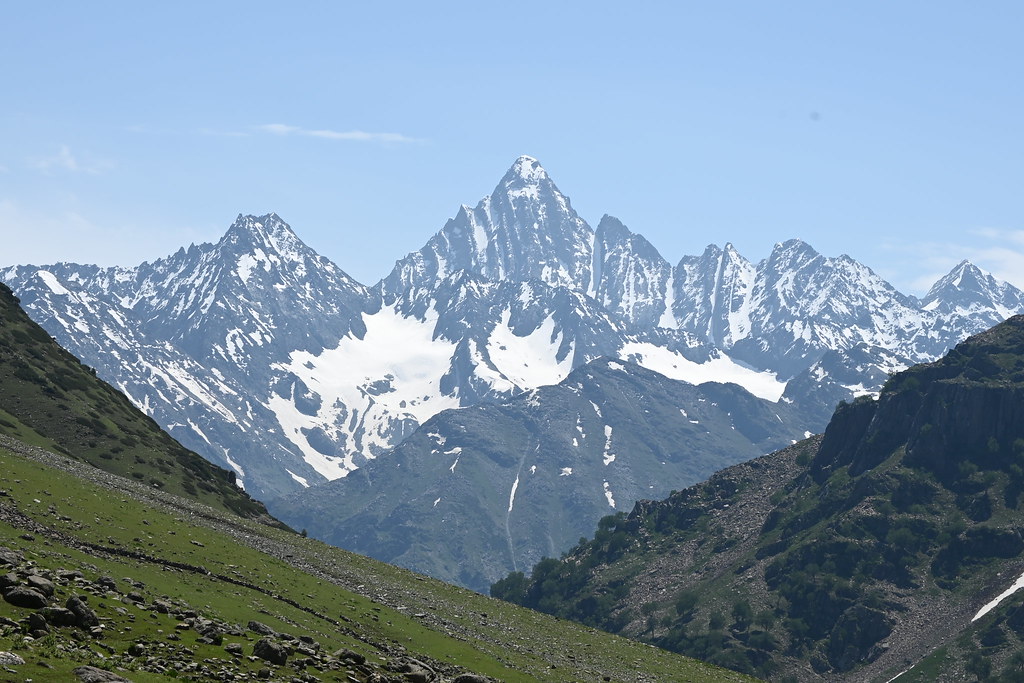
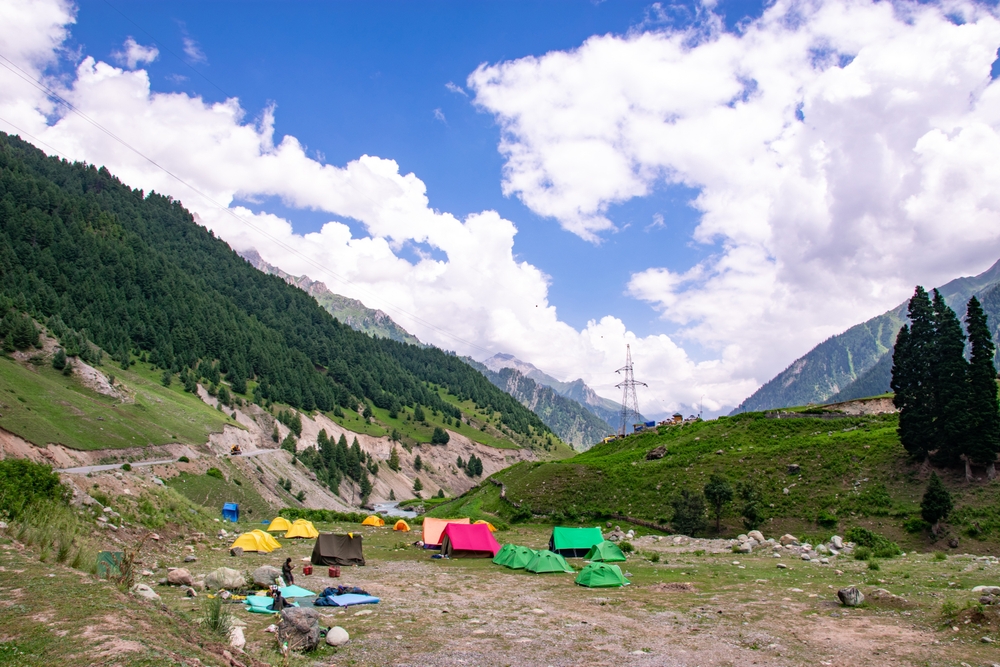
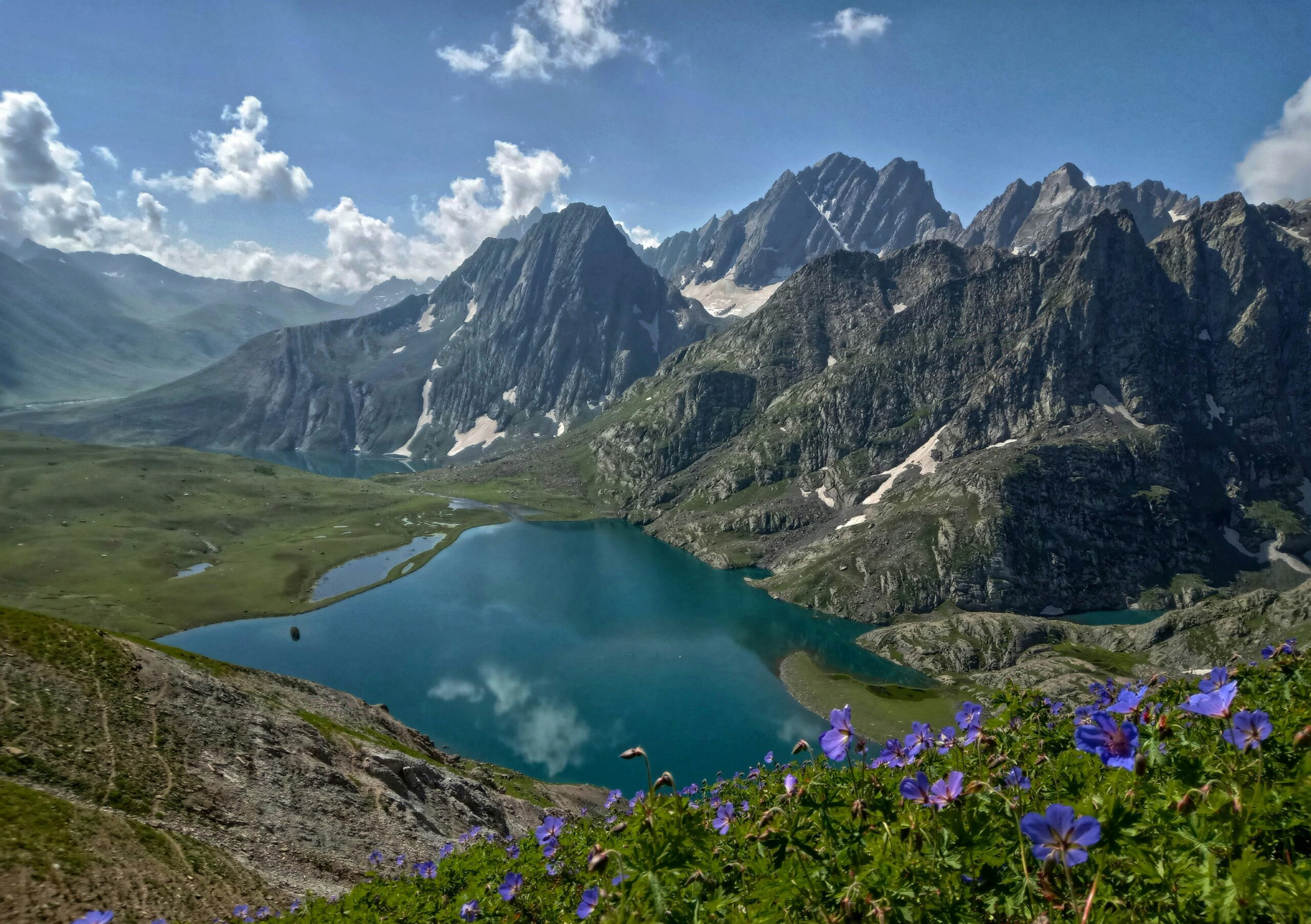
Kashmir Great Lakes look friendly in photos: wide meadows, blue lakes, soft green slopes. That visual comfort leads many first-time trekkers to treat it like a casual mountain holiday.
But this trek is long, remote, and its mood changes mood every day.
The most common errors do not occur on steep climbs. They happen in planning, packing, pacing, and mindset. Once you understand why these mistakes happen, avoiding them becomes much easier.
1. Underestimating Weather Changes on The Kashmir Great Lakes Trek
This is the most common and costly beginner mistake.
People read average temperatures online and assume the trek behaves like a stable hill station. It does not. KGL weather shifts faster than your phone signal disappears.
I remember one afternoon near Vishansar when the sun felt warm enough for rolled sleeves. Two hours later, wind hit the campsite so hard that tea cups rattled inside tents. The temperature drop was sharp and sudden.
This mistake happens because beginners plan for numbers, not behaviour.
The weather here is not just cold or warm,iIt is wet, windy, bright, gloomy, all in one day. Rain often turns to sleet at higher passes. Clouds move fast and visibility drops without warning.
What beginners usually get wrong
- Packing light jackets instead of proper insulation
- Assuming rain only means drizzle
- Ignoring wind chill completely
Understanding KGL trek weather means accepting that comfort is temporary. Preparation must assume discomfort will arrive.
2. Poor Physical Preparation Beyond Basic Fitness
Many beginners say, “I walk daily, so fitness should be fine.”
Walking helps, but it is not enough.
Kashmir Great Lakes involves long walking hours, back-to-back days, and uneven ground. Fatigue builds silently. By Day 4, even strong legs feel heavy if conditioning is incomplete.
The real issue is not stamina, it is recovery.
People train to walk fast, but they forget to train to walk again the next day.
I have seen fit-looking trekkers slow down not because they were tired, but because their knees and hips did not recover overnight.
Smarter preparation includes
- Stair climbing with a backpack
- Slow jogs to build lung recovery
- Stretching routines to protect joints
- Practising long walks on tired legs
These are simple KGL trek tips, but skipping them creates cascading problems later.
3. Carrying the Wrong Gear for the Wrong Reasons
Gear mistakes on KGL are rarely about forgetting items. They are about choosing emotionally instead of logically.
Beginners pack for Instagram comfort, not mountain reality.
Cotton hoodies, fashionable shoes, thin gloves, heavy jeans. They feel familiar at home, but become liabilities on the trail.
One trekker in our group carried cotton socks because “they feel softer”. By Day 3, wet feet stayed wet. Blisters followed. Walking became painful.
The mountains reward function, not familiarity.
Common gear-related Kashmir trek common errors
- Cotton clothing that traps moisture
- Running shoes instead of trekking shoes
- Heavy backpacks filled with “just in case” items
- Cheap rain covers that leak after one shower
The right gear does not make trekking easy. It makes suffering manageable.
4. Ignoring Acclimatisation and Body Signals
This mistake is quiet and dangerous.
Beginners often ignore small symptoms because they do not want to slow the group. Mild headache, Poor sleep, Loss of appetite. They assume it will pass.
Sometimes it does. Sometimes it does not.
Altitude on KGL is not extreme, but daily elevation gain matters. You climb, descend, and climb again. The body needs time to adapt.
I once ignored a dull headache near Gadsar, thinking hydration would fix it. It did not. The next day felt heavier than it should have. Only after slowing my pace did things stabilise.
Your body whispers before it shouts.
Signals beginners often ignore
- Persistent headache after rest
- Nausea or dizziness
- Breathlessness at normal pace
- Loss of appetite combined with fatigue
Respecting these signs is not weakness. It is experience in the making.
5. Choosing the Trek for the Wrong Reasons
This is the most honest mistake of all.
Some people choose Kashmir Great Lakes trek because it is trending. Others choose it because their friends are going. A few choose it because it “looks easy”.
But this trek demands patience, adaptability, and mental resilience.
There are no cafes. Most days, there are no charging points. Once you are deep inside the trail, there are no escape routes. Phone networks vanish early. Comfort zones disappear even faster.
If you enjoy slow mornings, uncertain plans, and physical effort without luxury, this trek will will feel magic.
If you need control, predictability, and constant reassurance, this route will feel harsh.
Ask yourself the hard question early. Why do you want to do this trek?
That answer decides everything.
How to Avoid These Kashmir Great Lakes Trek Mistakes in Real Life
Avoiding mistakes is not about perfection. It is about awareness.
Here are practical checkpoints to keep in mind.
Before booking
- Ask about daily walking hours, not just distance
- Check historical weather patterns, not just averages
- Understand evacuation limitations
Before packing
- Choose function over comfort
- Pack layers, not single heavy items
- Test your shoes and backpack beforehand
During the trek
- Eat even when you are not hungry
- Walk at your own breathing pace
- Speak up early if something feels off
These are not rules, they are survival habits.
The Mental Shift That Makes All the Difference
The biggest shift beginners need is this.
Stop treating the trek as a task to finish.
Treat it like a week-long conversation with the mountains.
Some days they speak softly. Some days they test you. If you listen carefully, they guide you through.
Most Kashmir great lakes trek mistakes happen when people rush the experience instead of settling into it.
The trek does not reward speed. It rewards respect.
What Experienced Trekkers Wish Beginners Understood
After walking this route and talking to dozens of trekkers, one pattern stands out.
Those who struggled most were not the weakest, they were the least prepared mentally.
Those who enjoyed it most were flexible. They accepted bad weather days. They laughed when plans changed. They slept early. They ate quietly. They walked steadily.
That mindset turns discomfort into memory.
A Final Thought to Carry With You
Kashmir Great Lakes does not ask for heroics, it asks for humility.
If you prepare well, listen to your body, respect the weather, and choose the trek for the right reasons, this route gives you something rare. Silence that feels full, effort that feels honest.
So before you lace your shoes, ask yourself one simple question.
Are you going to fight the mountains, or are you ready to walk with them?