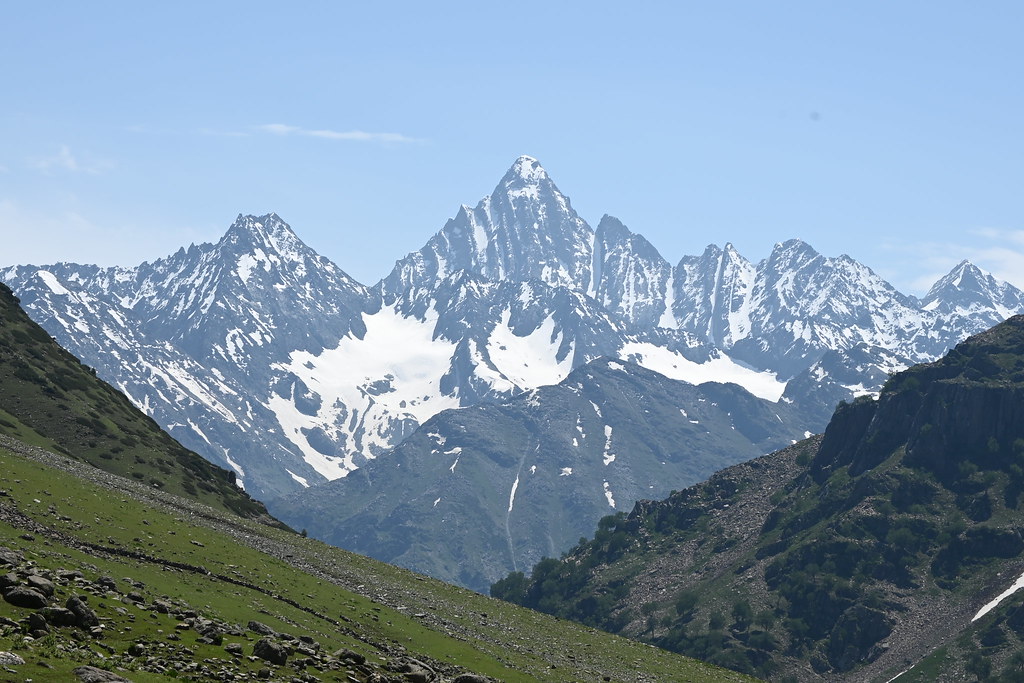
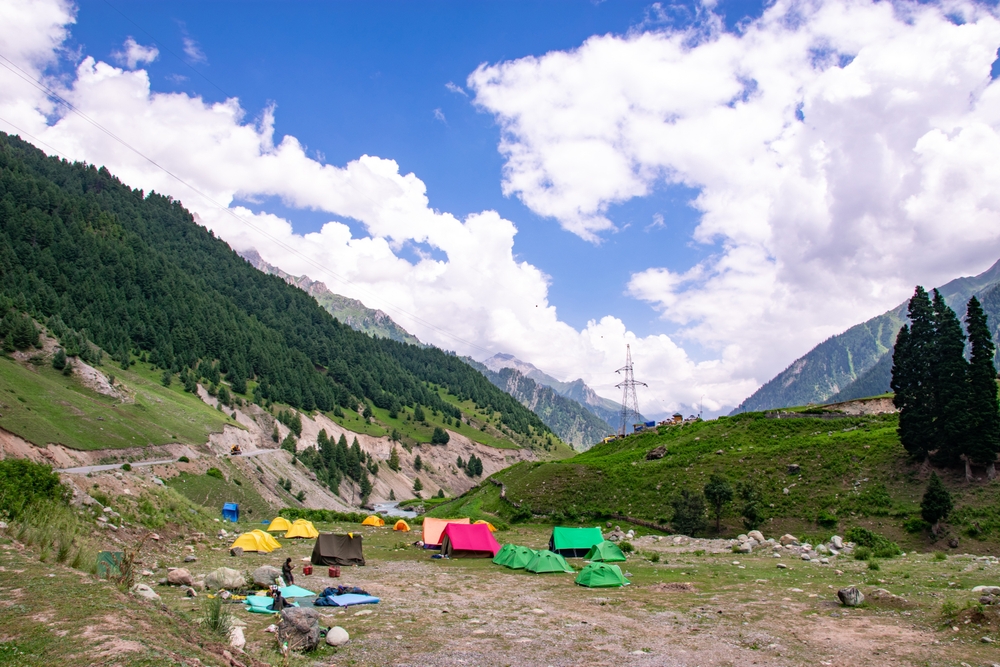
Kashmir Great Lakes trek accommodation is basic but thoughtfully organised, with shared alpine camps and warm, simple meals that keep you energised during long days of walking.
That one line answers what most people want to know before committing. You will sleep in tents, eat hot food cooked by staff, and live close to nature for a week. Once that basic doubt is settled, real questions arise. How cold do the camps feel at night? Will the food suit Indian stomachs? What happens on rainy days? And will you feel comfortable after a long, tiring walk?
Let me explain, just as I do for friends before they book this trek.
Kashmir Great Lakes Trek Accommodation: What “Camping” Really Means
When people hear “camping”, many imagine rough survival. The reality on this route is more reassuring. Kashmir Great Lakes trek accommodation is organised camping, not DIY wilderness living.
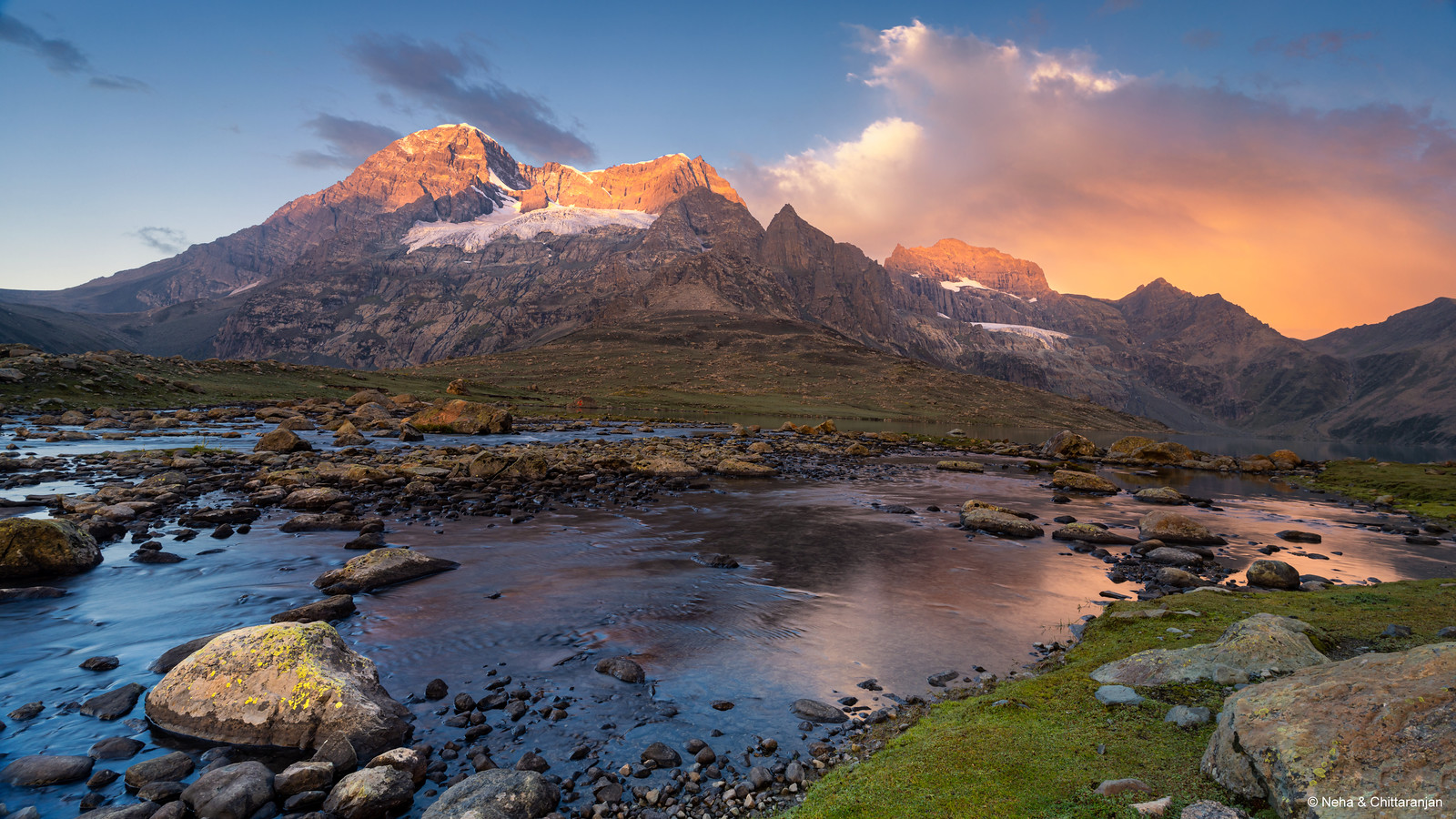
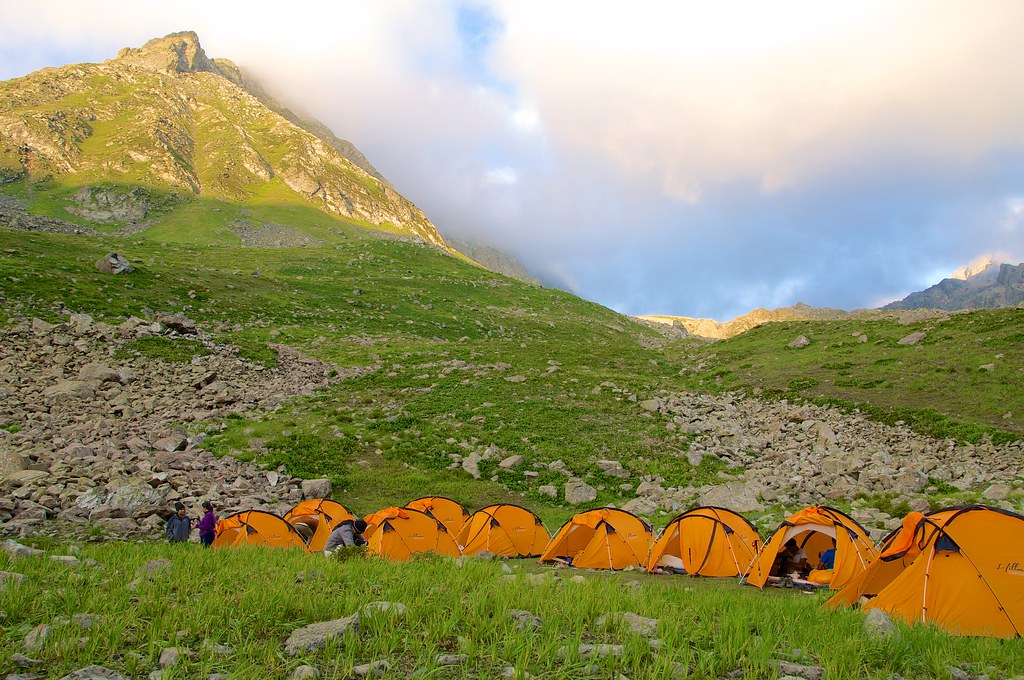
Each night, you stay at fixed campsites set up in open meadows, usually near a lake or stream. Tents are already pitched before you arrive. You do not need to struggle with poles after a 10 km walk.
Most operators use dome tents that sleep two people. Space is tight but manageable. You can sit, change clothes, and keep your backpack inside. At night, once you zip up, it feels surprisingly cosy, especially when the wind whistles outside.
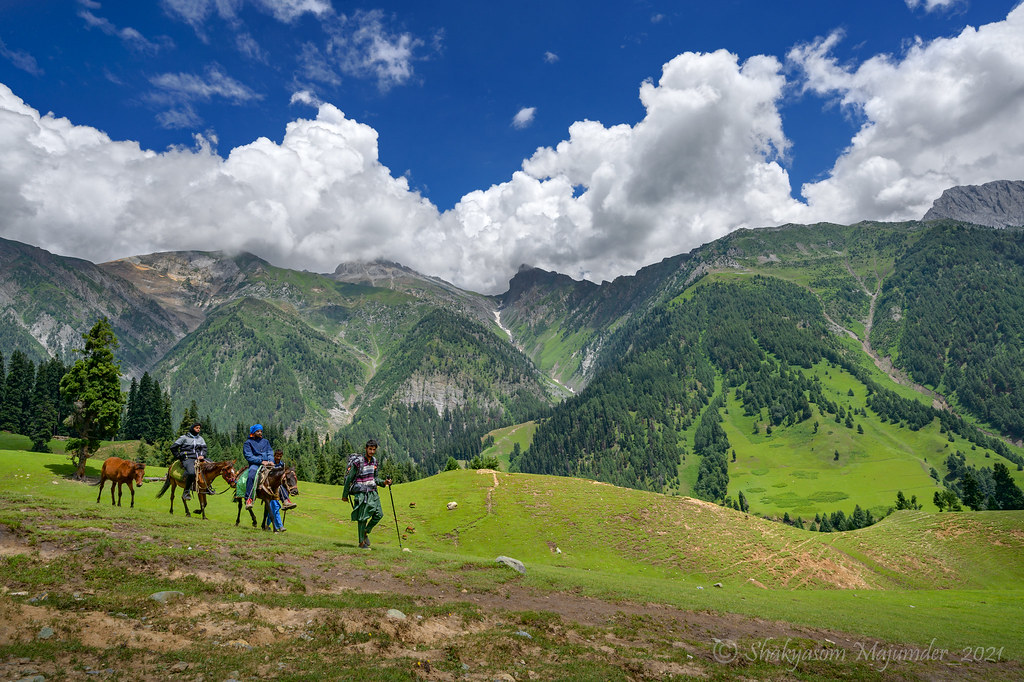
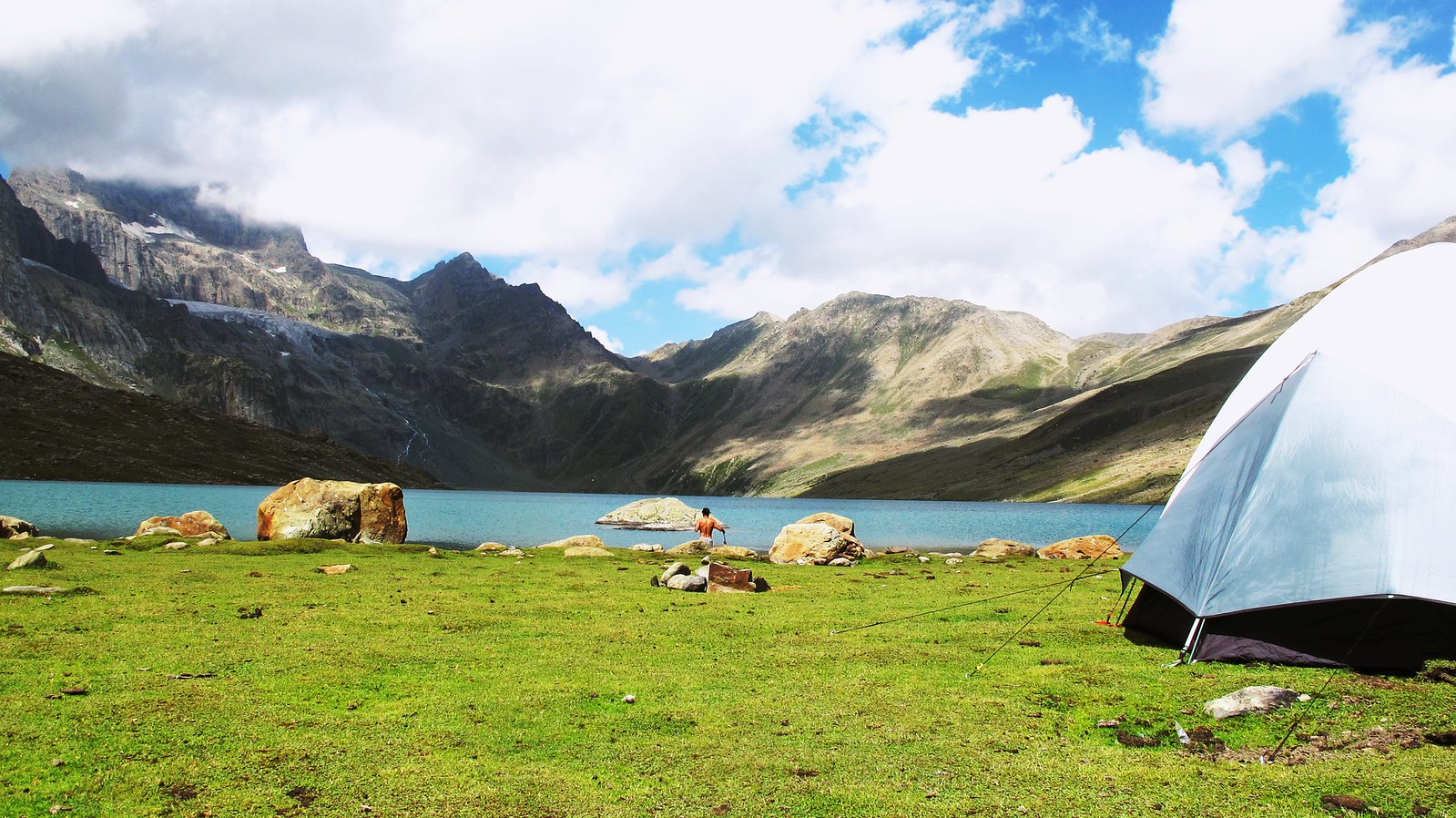
What matters most is the setting. Imagine waking up to mist rising from a turquoise lake, horses grazing nearby, and the sound of water flowing. Comfort here comes less from luxury and more from your surroundings.
Inside the Camps: Tents, Sleeping Bags and Basic Facilities
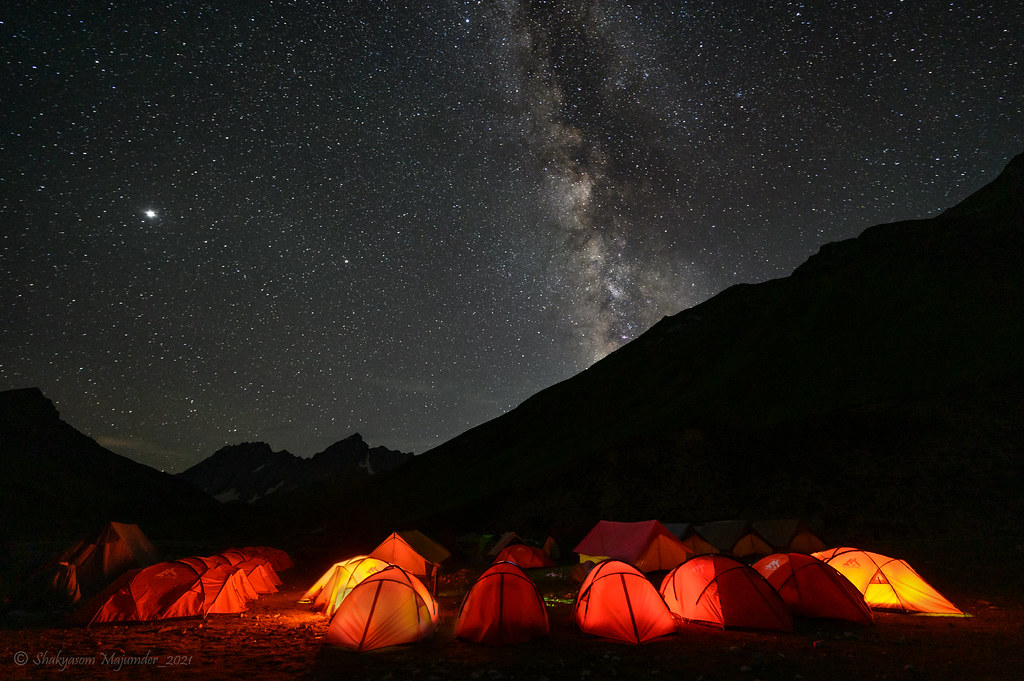
Life inside the camps follows a simple rhythm, walk, eat, rest, repeat.
Tents come with ground sheets and sleeping bags rated for cold temperatures. Still, nights can be biting, especially above 11,000 ft. Even in August, temperatures drop sharply after sunset.
Facilities are basic but functional.
- Separate toilet tents at each campsite
- Water from nearby streams or melted snow
- Handwash stations are simple buckets or mugs
- No electricity, no charging points
This is where expectations matter. If you expect hotel-like comfort, you will struggle. If you accept simplicity, you adapt quickly. I have seen trekkers complain on day one and laugh about it by day three.
And yes, wet wipes and toilet paper become your best friends.
Kashmir Trek Camping: How Weather Changes the Experience
Kashmir trek camping is closely tied to KGL trek weather. A sunny day feels magical, a rainy one tests your patience.
When it rains, camps feel colder and damp. Clothes take longer to dry. Even stepping out at night feels like a chore. But camps are chosen carefully, usually on slightly raised ground to avoid waterlogging.
On clear nights, the skies are unreal. Stars feel close enough to touch. Those are the moments you remember long after the trek ends.
Weather also affects sleep. Wind can shake tents. Cold can wake you up early. This is why mental readiness matters more than fancy gear.
KGL Trek Food: What You Actually Eat on the Trail
Food is the biggest surprise for most first-time trekkers. Many expect bland, boring meals. Instead, KGL trek food is warm, filling, and very Indian at heart.
Meals are cooked fresh at camps by trained kitchen staff. Food focuses on energy, not indulgence. You eat to walk better the next day.
A typical day looks like this.
Breakfast is simple but hearty, think porridge, omelette, toast, and sometimes paratha. Hot tea or coffee is always available there, and that first sip in the cold air feels priceless.
Lunch is usually packed, rice, roti, sabzi, boiled eggs, or aloo dishes. You eat it on the trail, often sitting on grass or rocks, legs stretched, shoes off.
Dinner is the main meal, rice, dal, vegetables, sometimes paneer, sometimes dessert. On some nights, you even get soup before dinner.
It may not sound exciting on paper, but after climbing passes all day, it tastes perfect.
Will the Food Suit Indian Stomachs?
This is a real concern, and honestly, the answer is mostly yes.
Food is largely vegetarian with occasional eggs. The spices are mild. Oil is controlled. The goal is digestion, not flavour fireworks.
Still, stomach issues can happen. Altitude, cold, and constant walking change how your body reacts.
A few practical points that help.
- Avoid overeating, even if the food tastes great
- Drink warm water whenever possible
- Carry your own trusted snacks
- Inform staff early if you feel uneasy
I always carry glucose biscuits and peanut chikki. Not because food is lacking, but because familiar snacks calm the stomach.
Dining Tents and Social Life at Camps
Meals take place in a common dining tent, which becomes the social heart of the trek.
You sit on mats, pass the salt, share stories, complain about climbs, and laugh about slips. By day three, strangers feel like teammates.
This shared space also builds trust. You see who struggles, who helps, who motivates. Food brings people together here in a very real way.
Evenings are slow. After dinner, people step out to look at the stars or crawl into sleeping bags early. Phones stay in backpacks. Conversations feel unfiltered.
Kashmir Great Lakes Trek Accommodation vs Expectations
Let us be honest. Instagram creates false impression. Camps look dreamy in photos, but reality has rough edges.
You will not get hot showers. You will not charge devices daily. You may wake up with cold toes.
But you will get something else, silence, space, a reset button.
The key factor is mindset. If you treat camping as a problem, every small discomfort grows. If you treat it as part of the journey, it becomes a story you enjoy telling later.
I still remember a night at Gadsar when wind rattled the tents nonstop. We barely slept. Yet that sunrise felt earned, as if the mountains were testing us before revealing their beauty.
Hygiene, Cleanliness and Health at Camps
Hygiene is decent but not hospital-level. Kitchen staff follow basic cleanliness. The food is freshly cooked. Utensils are washed in stream water.
Your personal hygiene choices matter more.
- Always wash your hands before meals
- Use sanitiser after toilet visits
- Keep wet clothes separate
- Change socks daily
Small habits prevent big problems. Most health issues on this trek come from carelessness, not food quality.
How Camps Change from Day One to The Last Day
Early camps feel easier. You are fresh. Body aches are mild. Sleeping bags feel new.
Midway camps feel tougher. Fatigue builds. Weather often worsens. Comfort matters more.
Final camps feel emotional. You are tired but proud. Tents feel like home. Food tastes nostalgic even before the trek ends.
This emotional arc is part of why people remember this trek so vividly. Accommodation and food are not just logistics, they shape how you feel each day.
Decision Check: Is This Style of Trek Right for You?
Before you book, ask yourself a few honest questions.
- Can you live without daily showers for a week?
- Are you okay sharing tents and toilets?
- Do you enjoy simple food repeatedly?
- Can you handle cold nights calmly?
If most answers are yes, you will love this experience. If not, frustration may overshadow the beauty.
There is no right or wrong answer. There is only alignment.
Key Takeaways to Hold On To
Kashmir Great Lakes trek accommodation is not luxury, but it is reliable and scenic. KGL trek food is simple, warm, and designed for energy. Kashmir trek camping requires adjustment but rewards you with raw Himalayan life.
The trek does not pamper you. It invites you to slow down, adapt, and connect. Once you accept that, tents stop feeling small, meals feel comforting, and camps start to feel like temporary homes.
So when you picture yourself on this trek, do not imagine hotel rooms or fancy plates. Imagine shared laughter in a dining tent, steam rising from dal, and the quiet pride of crawling into a sleeping bag after a long day.
Does that version of travel excite you, or make you hesitate?