Protecting your gadgets on the Kashmir Great Lakes trek comes down to planning for cold, water, and long power gaps before they ruin your trip. Phones die fast. Power banks drain faster than expected. Cameras fog up or stop working when rain and cold combine. If you go in thinking “I’ll manage,” the mountains usually teach a hard lesson.
I have seen phones switch off near a lake just as the light turns magical. I have also seen trekkers panic because their GPS app stopped working in fog. This guide walks you through real choices, not fancy gear talk. Think of it as advice I would give you while packing the night before the trek.
The focus is simple. what to protect, why it fails here and how to keep things working until the last campsite.
Why Electronics Struggle on Kashmir Great Lakes Trek
Before the hacks, you need the reason. This trek route tests electronics more than city users expect.
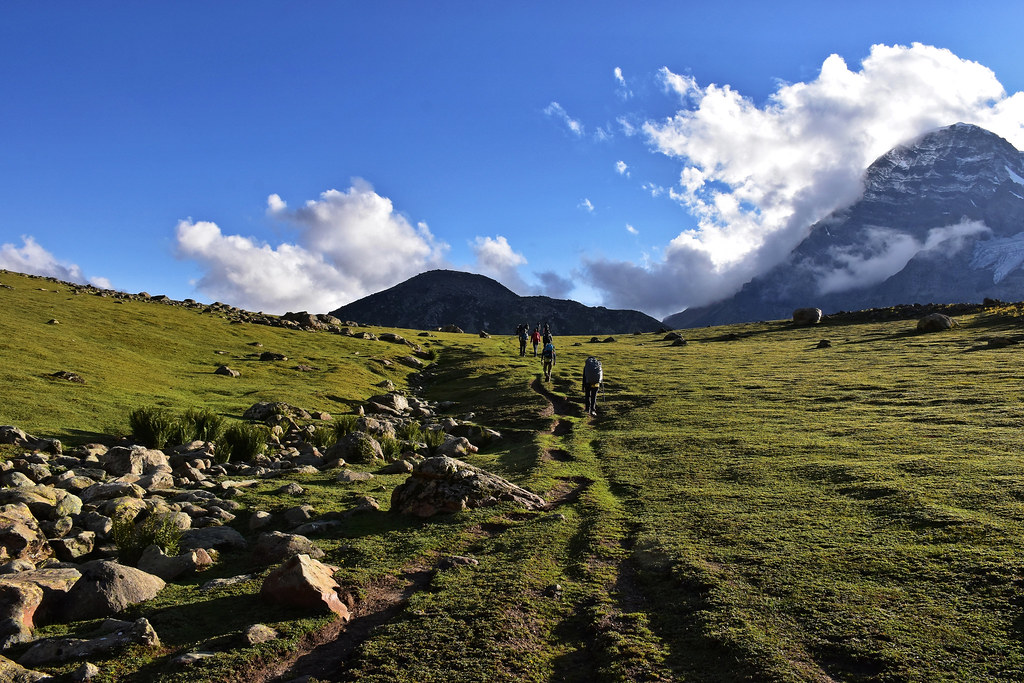
The Kashmir great lakes trek weather changes fast. A sunny morning can turn into cold rain by noon. Nights drop low even in peak season. Moisture hangs in the air near lakes and camps.
Electronics hate three things here. Cold drains batteries, water seeps in through tiny gaps, and long days without power stress charging habits.
Once you accept this, your decisions become clearer. You stop carrying extra gadgets and start protecting what matters.
Hack 1: Control Battery Drain Before it Controls You
Battery loss is the biggest pain point on Kashmir Great Lakes trek. Cold air slows chemical reactions inside batteries. Phones that last all day in cities may die by lunchtime here.
The mistake most people make is reacting late. They turn on flight mode only after the battery drops. By then, the damage is done.
I usually set my phone from Day 1. It feels odd, but it works.
Key battery control habits that save the day:
- Keep phones on flight mode unless needed
- Lower screen brightness at all times
- Close background apps after every use
- Avoid video recording unless it matters
- Switch off Bluetooth and location when idle
Another trick people miss is warmth. Keep your phone close to your body. I store mine inside my jacket pocket during walks. At camp, I place it inside my sleeping bag at night.
This single habit doubles battery life in cold zones. It sounds simple. Yet many lose phones just because they left them in the tent pocket.
Hack 2: Waterproofing is Not Optional, It is Survival
If you ask me for one non-negotiable rule, this is it. Assume it will rain. Assume you will drop something near water. Assume tents will get damp.
Basic covers fail here. Thin zip pouches tear easily. Cheap cases leak at the corners.
I learned this the hard way near a lake when the drizzle turned heavy in minutes. A “water-resistant” pouch did nothing.
What actually works is layered protection. Not fancy gear, just smart layering.
Use this setup instead:
- One sturdy zip-lock or dry bag
- Inside it, wrap electronics in a soft cloth
- Add silica gel packets if possible
- Keep chargers in a separate pouch
Cameras need extra care. Remove batteries at night. Wipe the lens before sealing. Never leave them exposed during lunch stops.
Water damage ends trips silently. No drama, just a dead screen and regret.
Hack 3: Power Planning Beats Carrying More Power Banks
Many trekkers overpack power banks. Two or three heavy bricks slow you down. Still, they run out.
The issue is not capacity, it is planning.
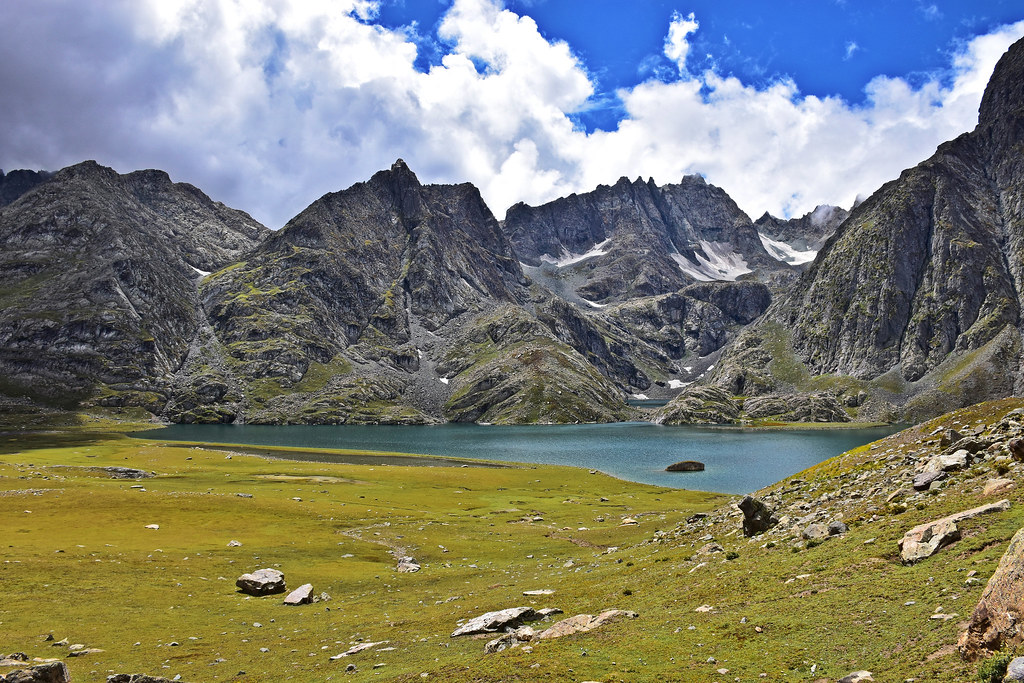
On Kashmir great lakes trek, charging opportunities are rare and shared. Sometimes solar setups work, sometimes weather ruins them. You cannot depend on camps.
Instead of more banks, reduce charging needs.
Here is a smarter approach:
- Carry one high-capacity power bank only
- Charge your phone once every two days
- Use camera batteries separately
- Avoid charging during cold nights
Another habit I follow is timing. I charge devices during warmer hours. Batteries accept charge better when not freezing.
Also, label cables and ports. At shared charging points, confusion wastes time and power.
You do not need unlimited power. You need controlled use.
Hack 4: Navigation Safety Without Draining Your Phone
People worry about maps and signals. The truth is simple. The network is unreliable. Sometimes gone for days.
Depending only on your phone map is risky. At the same time, keeping GPS always on, drains the battery fast.
The balance lies in offline planning.
Before the trek, download offline maps. Test them at home. Learn to read basic terrain lines. Even a quick look helps later.
On the trail, I open maps only at decision points, not every five minutes. I also note landmarks, lakes, ridges, shepherd huts.
For safety backup, carry one low-power navigation tool:
- Printed route notes
- Basic compass
- Shared group navigation plan
Phones are helpers, not leaders. Let your eyes and trail sense do most of the work.
Hack 5: Night Time Gadget Care Most People Ignore
Night is when electronics suffer quietly, cold seeps in, moisture builds, batteries weaken.
Many leave phones in tent corners. Some charge overnight. Both are bad ideas.
I treat night care as part of my daily routine, like brushing my teeth.
What works every single night:
- Switch devices off completely
- Wrap them in dry cloth
- Store inside your sleeping bag
- Remove camera batteries
- Never charge below freezing
This routine takes two minutes. It saves hours of frustration later.
Morning starts smoother. Devices wake up normally. You feel more confident heading out.
Electronics need rest too, especially here.
Choosing What Not to Carry Matters More
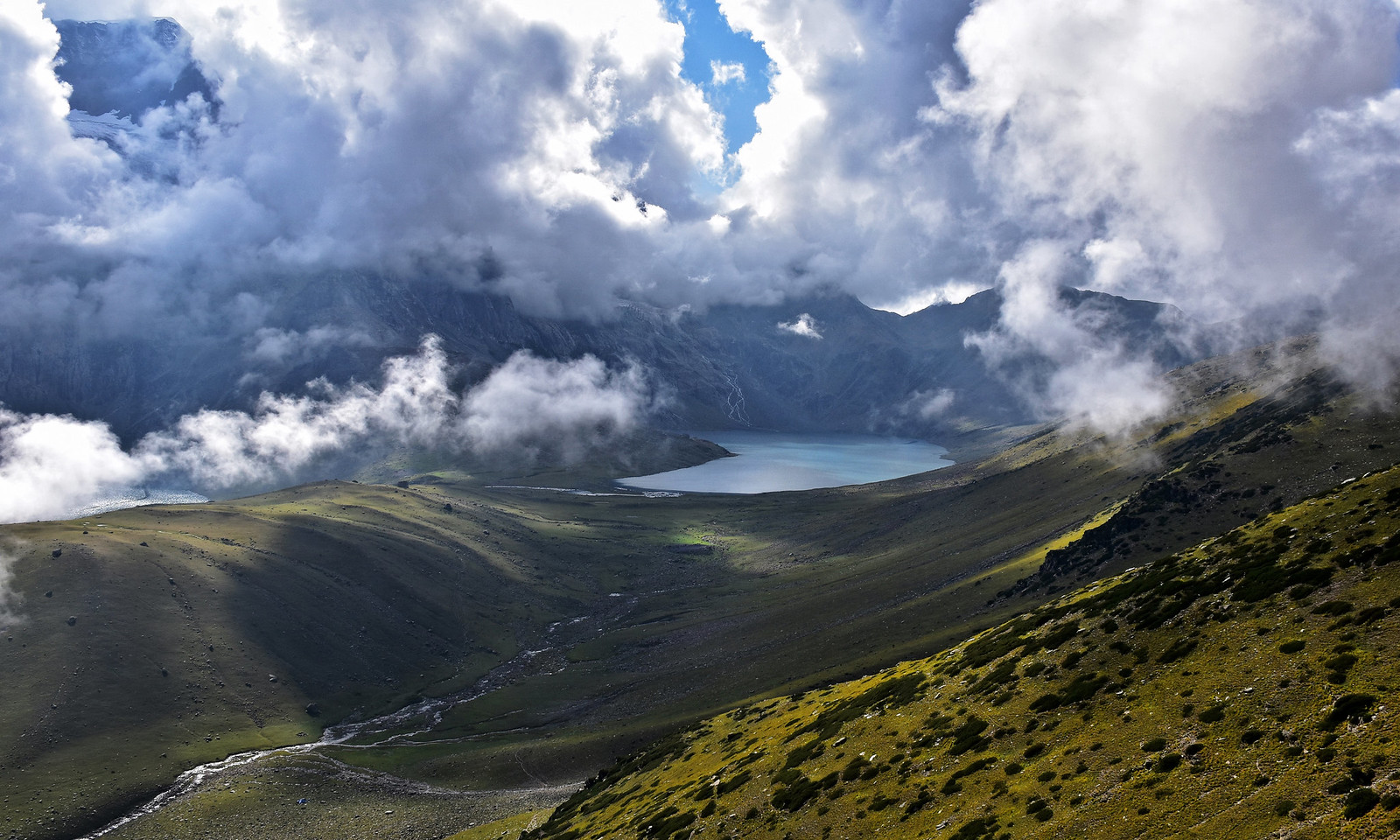
Kashmir great lakes trek teaches minimalism quickly. Every extra gadget adds worry.
Ask yourself one question before packing any electronic item. Will this truly add value, or just weight and risk?
I now skip tablets, extra lenses, and backup phones. I focus on one phone, one camera, and one power bank.
Less gear means better care. Better care means fewer failures.
That is the quiet secret many experienced trekkers follow.
Real Thinking Points Before You Zip Your Bag
Before you finish packing, pause and think.
Are you okay missing one photo if it saves your phone?
Are you prepared to switch off devices for hours?
Can you rely on the group instead of screens?
Mountains reward presence. Gadgets should support memories, not steal attention.
When you walk beside those lakes, cold wind on your face, reflection dancing on the water, what will matter more? A fully charged phone, or a calm mind knowing you planned well?