Kashmir Great Lakes trek charging is possible if you plan smartly, pack correctly, and accept that power here is a limited luxury, not a guarantee.
That single line answers the biggest concern most trekkers have. You will not find plug points at camps as you do in hill stations. But you can keep your phone, camera, and essentials powered for the entire trek without stress. I have done this route watching some people panic over 2 percent battery, while others calmly take photos on Day 7. The difference is not money, it is planning.
This guide explains 7 smart, realistic ways to manage charging on the Kashmir Great Lakes trek.
Why charging feels like a big problem on this trek
Before we discuss solutions, let us be honest about why this question even arises.
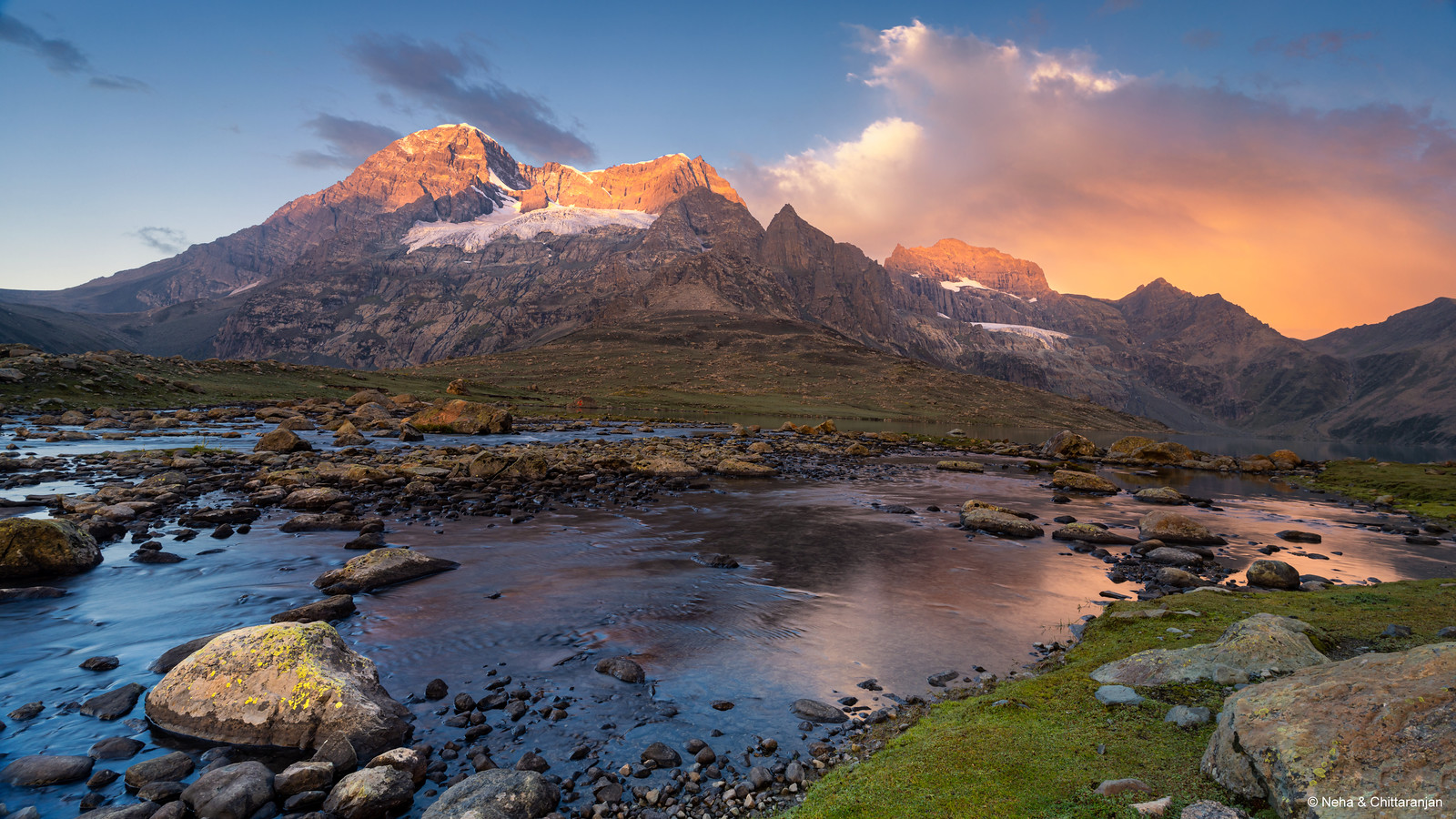
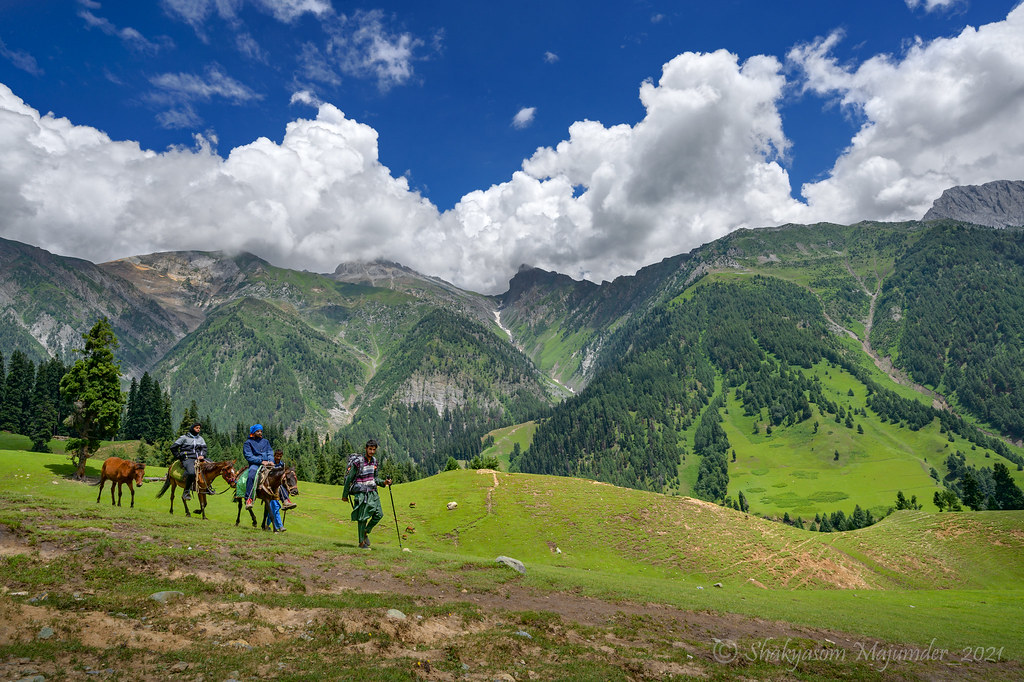
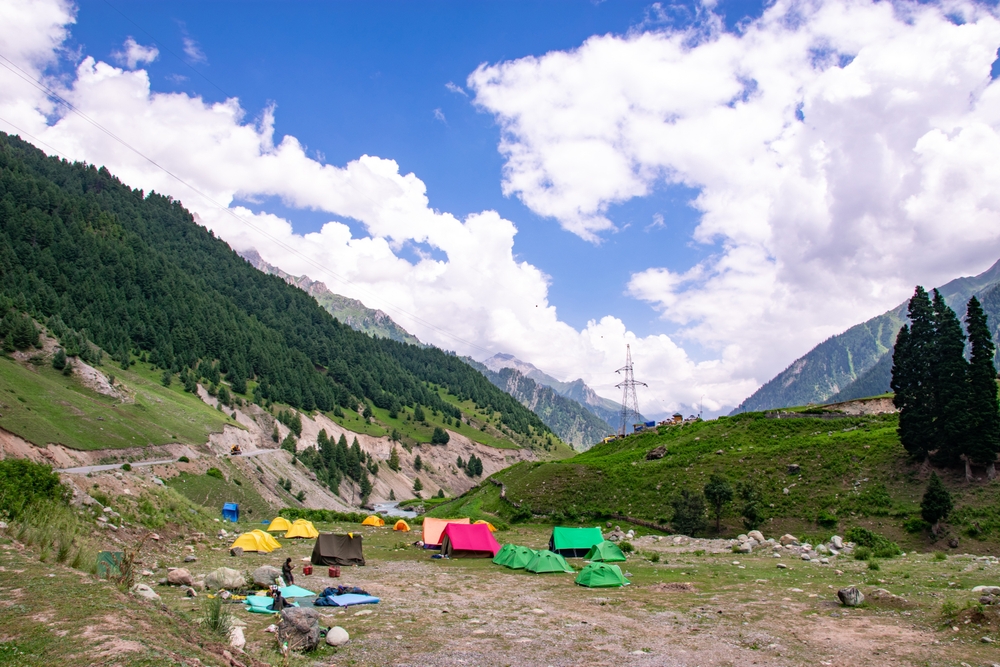
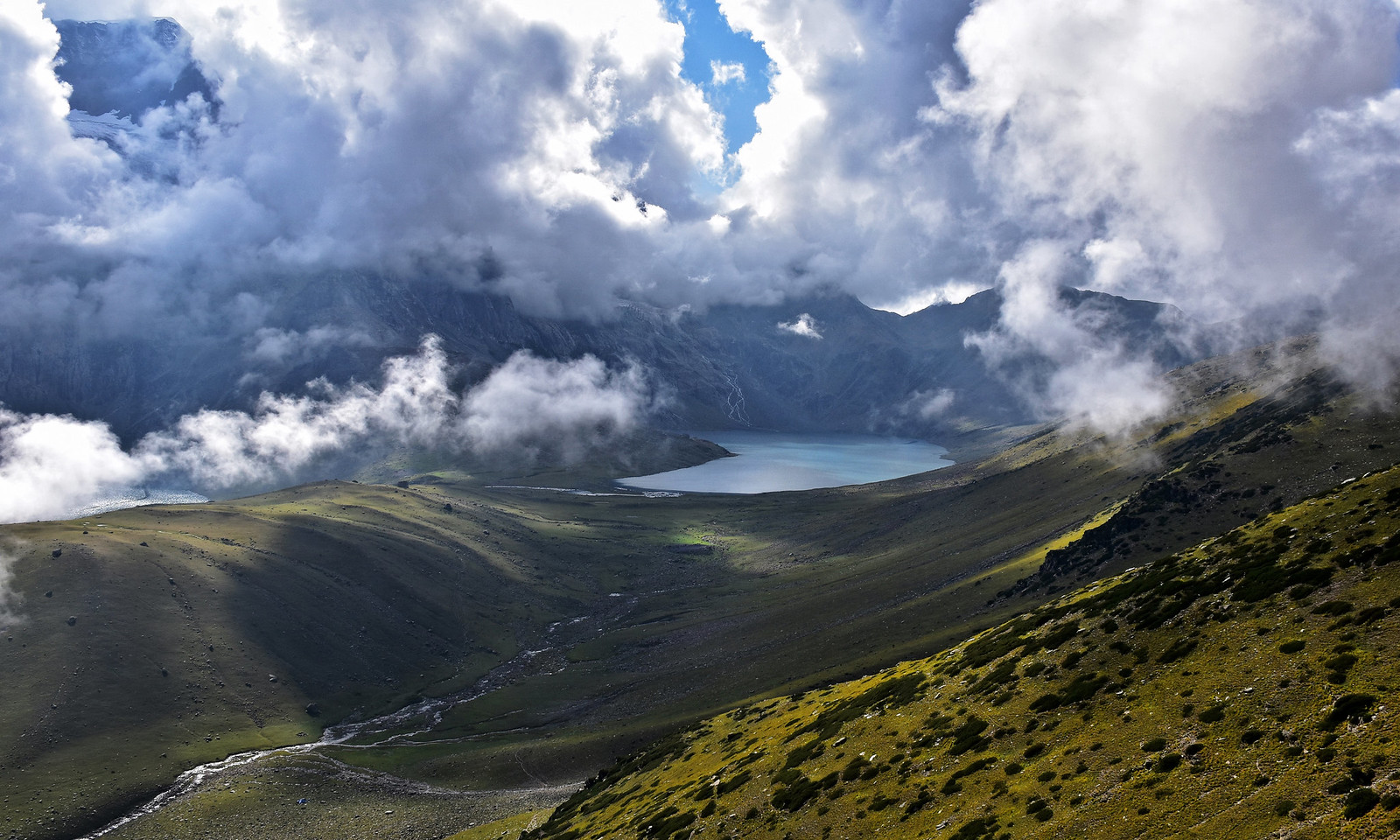
The Kashmir Great Lakes trek passes through remote alpine meadows. Camps like Vishansar, Gadsar, and Satsar have no grid electricity. Even the start and end points are unpredictable, sometimes there is power, sometimes not. Weather, local supply, and timing decide everything.
This creates a mental pressure. You start thinking, “What if my phone dies?” Not just for photos, but for maps, emergency calls, or even simple comfort. That fear is valid, but it is also manageable once you understand how charging really works on this route.
What most first time trekkers get wrong about charging
Many people assume they can “figure it out later”. They carry one small power bank and hope camps will have sockets. Others bring too many gadgets and then blame the trek for battery drain.
The truth lies somewhere in between. You need to be realistic. This trek requires a mindset shift. You are not managing unlimited power, you are managing usage.
Once you accept that, decisions become clearer.
1. Carry one reliable high capacity power bank (not two weak ones)
This is the backbone of Kashmir Great Lakes trek charging.
A single, high quality KGL trek power bank of 20,000 mAh or more is far better than two cheap 10,000 mAh units. Cheap banks lose charge in the cold and degrade quickly. I have seen them fail by Day 3.
Cold nights around Vishansar and Satsar can drain weak batteries even when unused. A solid power bank holds voltage better and charges devices faster, which matters when you only get small windows of use.
What works best in real conditions
- 20,000 to 30,000 mAh capacity
- Fast output (18W or above)
- Known brand with good cold performance
- Single unit instead of multiple small ones
This alone solves about 60 percent of charging anxiety.
2. Use your phone like a trekker, not a tourist
Your phone battery dies faster because of how you use it, not because of altitude.
On this trek, phones constantly search for network, which silently drains the battery. Add frequent camera use, video recording, and background apps, and the drain doubles.
I switch to flight mode the moment we leave base camp. I turn it off only when absolutely needed. This simple habit can save an entire day of battery.
Simple usage habits that actually work
- Keep phone on flight mode all day
- Turn off Bluetooth and GPS when not needed
- Reduce screen brightness manually
- Avoid long videos unless necessary
- Close background apps at night
These are small actions, but together, they extend your charge far beyond expectations.
3. Charge only at night and keep devices warm
Cold is the silent battery killer on the Kashmir Great Lakes trek.
If you leave your phone or power bank outside your sleeping bag at night, expect a shock in the morning. Even with 40 percent charge at night, you might wake up to 10 percent.
I always keep my phone and power bank inside my sleeping bag or wrapped in socks near my body. Body heat makes a real difference at these altitudes.
Also, charge devices only once at night. Frequent small top ups waste power due to conversion losses.
This habit alone saved my camera battery on Day 6 when temperatures dropped sharply.
4. Use villages and transit points intelligently
While camps have no power, transit points sometimes do. Places like Sonamarg, Naranag, or even some dhabas on the approach may offer charging if power is available that day.
Do not depend on it. But do not ignore it either.
If you see a working socket, use it. Even a 30 minute top up can add meaningful backup. I always carry a small extension plug which helps when sockets are few and crowded.
This is not about comfort. It is about opportunistic charging.
5. Choose devices with strong battery life over fancy features
This is where many people overspend and still struggle.
A phone with an average camera but excellent battery life is more useful here than a flagship phone that drains fast. The same applies to cameras, smartwatches, and Bluetooth gear.
Ask yourself before packing. Do I really need this device on this trek?
If a gadget adds stress instead of value, leave it behind.
I have seen trekkers carry drones and then worry all day about charging them. Meanwhile, they miss the simple joy of walking through meadows.
6. Consider solar only if you understand its limits
Solar chargers sound perfect on paper. In reality, they work inconsistently on this route.
Yes, the trek has open meadows, but the weather changes fast. Clouds roll in without warning. Charging speeds are slow. You need patience and correct positioning.
Solar works best as a supplement, not a main source. It is useful for topping up a power bank slowly during long lunch breaks.
If you already own one and know how to use it, carry it. If you are buying one just for this trek, think twice.
7. Accept limited power and enjoy the mental freedom
This is not a technical tip, it is a mindset shift.
Once you stop chasing full battery all the time, something changes. You use your phone with intention. You take fewer but better photos. You look up more often.
Many trekkers tell me later that limited charging improved their experience. They felt lighter, less distracted, more present.
And honestly, this trek gives you more than your screen ever will.
Common charging doubts people ask before the trek
You might still be thinking through real decision moments. That is normal.
Is it risky if my phone dies?
Not really. Treks are guided, and groups carry emergency communication. Your phone is a backup, not the primary safety tool.
Do guides provide charging options?
Some guides carry solar units or power banks, but you should never depend on shared resources.
Is one power bank enough?
For most people, yes. If you are heavy on photography, carry one high capacity bank and manage your usage.
Is this worth worrying about so much?
Only until you understand it. After that, it becomes simple.
Practical checklist before you pack
To keep things grounded, here is a short reminder list. Not rules. Just reality based suggestions.
- One high capacity KGL trek power bank
- Short, durable charging cable
- Flight mode habit from Day 1
- Keep devices warm at night
- Charge only when needed
- Do not overpack gadgets
That is it. No fancy hacks. No stress.
The Kashmir Great Lakes trek teaches you many things. One of them is how little you actually need to feel connected, safe, and content. When the lakes reflect the sky and the silence settles in, the last thing you will worry about is a charging percentage. And that is a beautiful thought, is it not?