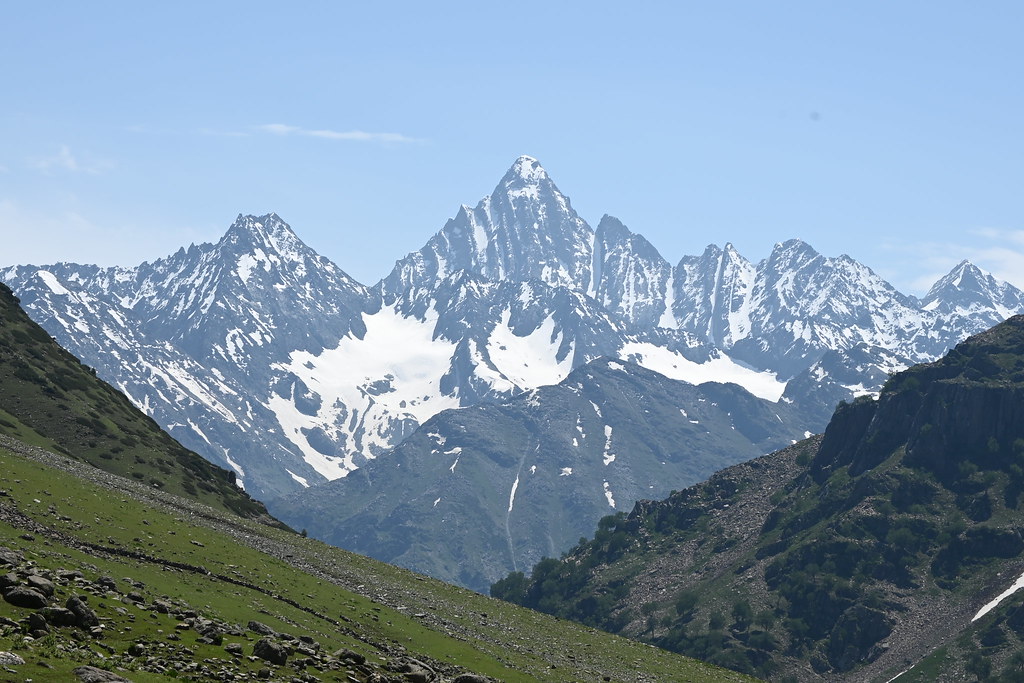
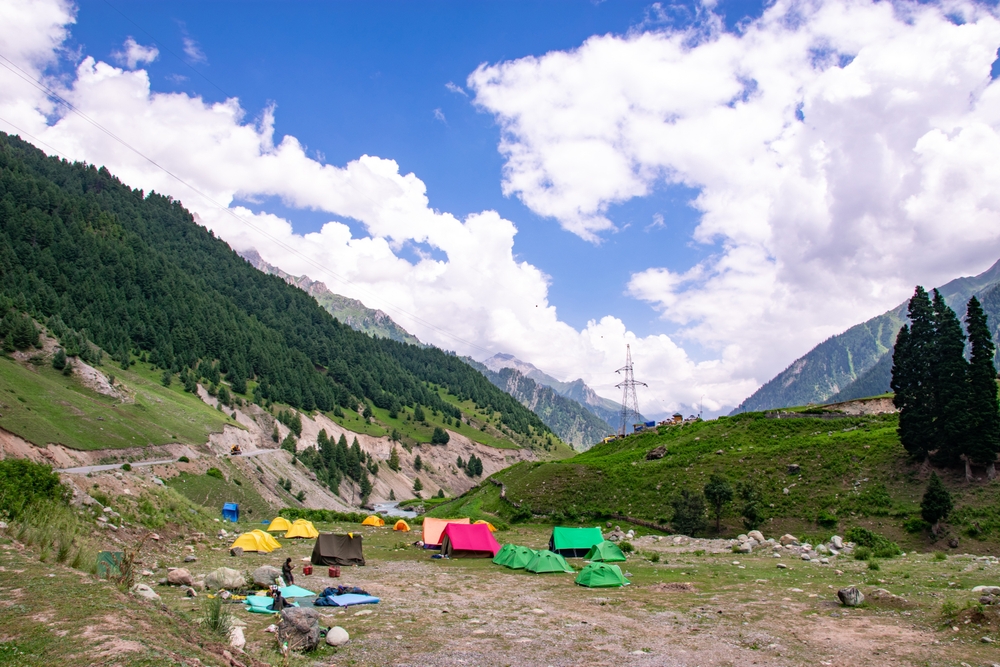
The temperature on the Kashmir Great Lakes trek remains cold, changeable, and very real throughout all seven days, with daytime temperatures ranging from approximately 10°C to 18°C, and nights often dropping close to 0°C at higher camps.
On this trek, temperature decides far more than comfort. It shapes what you wear, how well you sleep, how quickly fatigue sets in, and whether evenings feel peaceful or uncomfortable.
I have seen people stop enjoying the trek simply because they were unprepared for cold nights. I have also seen beginners finish strong because they respected the conditions and planned accordingly.
This guide takes you through the Kashmir Great Lakes Trek day-by-day temperatures, focusing on how the weather actually feels on the trail.
Why the Kashmir Great Lakes Trek feels colder than it sounds
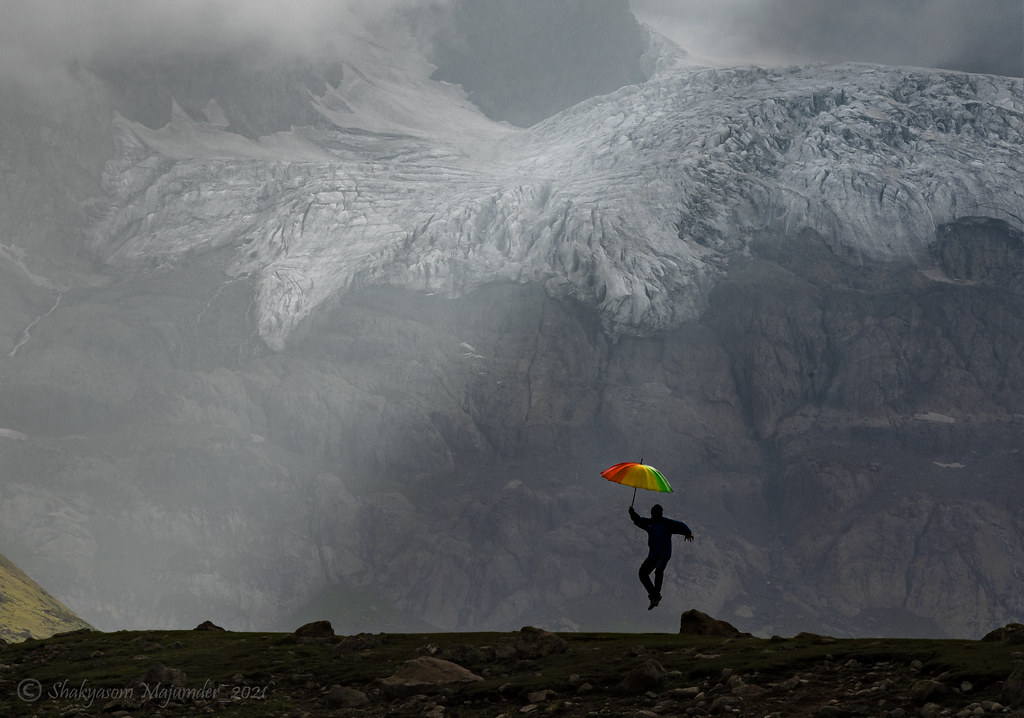
Before getting into the daily breakdown, one thing needs to be clear. Even when the thermometer shows 14°C, it often feels much colder here. The gap between numbers and experience comes from altitude, wind, open meadows, and sudden cloud cover.
Most camps sit above 11,000 feet. Oxygen is thinner, so the body burns more energy just to stay warm. Add persistent mountain winds and damp ground, and the cold settles in quickly, especially after sunset when movement stops.
A simple reality check that helps many first-timers:
- Sun warmth fades by 4:30 to 5 pm
- Wind chill matters more than air temperature
- Clear nights feel colder than cloudy ones
- Lakes trap cold air after sunset
Once you accept this pattern, planning becomes simpler and expectations stay realistic.
Day 1 temperature: Sonamarg to Nichnai campsite
The trek usually begins at Sonamarg, which already feels cooler than Srinagar. Morning temperatures hover around 12°C to 15°C, and while walking uphill, you may feel comfortably warm.
By afternoon, the sunshine feels pleasant. This is the day many trekkers feel confident about the weather. That confidence usually fades after dark.
At the Nichnai campsite, temperatures drop quickly.
- Daytime: 14°C to 18°C
- Night: 4°C to 7°C
Wind funnels through the valley here. After dinner, fingers go numb quickly if gloves are missing. This is often the first evening when people realise the cold deserves attention.
Day 2 temperature: Nichnai Pass to Vishansar Lake
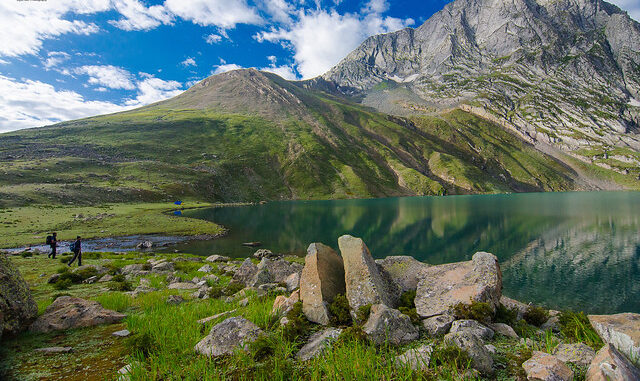
For many trekkers, this is the coldest walking day. Crossing Nichnai Pass early in the morning means sharp air and, at times, frost on the grass even in July.
While climbing, body heat keeps you warm. The moment you stop, the chill becomes noticeable. Vishansar Lake lies higher than Nichnai, and the temperature drop is immediate.
Typical conditions:
- Morning: 2°C to 5°C
- Afternoon: 12°C to 15°C
- Night: 0°C to 3°C
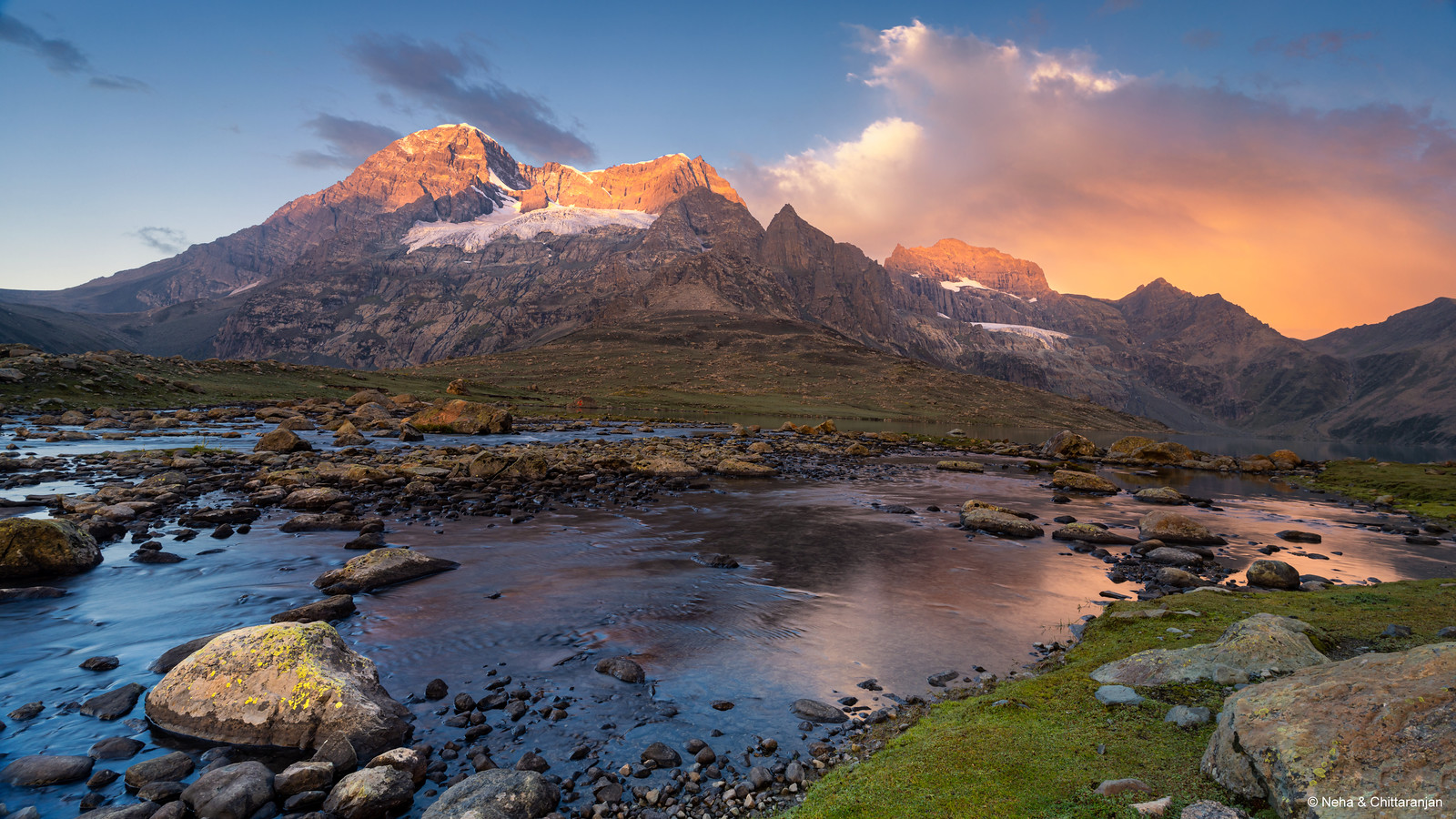
I remember waking up here to ice forming on my water bottle. At dawn, you can hear boots crunch softly over frozen grass, and steam rises from tea cups as the first light hits the lake. If you step out after sunset without layers, the cold settles fast.
Day 3 temperature: Vishansar to Gadsar via Gadsar Pass
This is a long day, and the weather often shifts without warning. Morning sunlight feels comfortable, but cloud cover near the pass can cause temperatures to dip suddenly.
Gadsar Pass is extremely windy. Even at 10°C, it feels much colder once the wind picks up.
- Daytime: 10°C to 14°C
- Night at Gadsar: 2°C to 5°C
If snow patches remain near the pass, the cold becomes sharper. This is where proper gloves and a windproof layer stop being optional.
Day 4 temperature: Gadsar to Satsar lakes region
This day is often underestimated because there is no major pass. Temperature-wise, it is deceptively tricky. The terrain is marshy, and damp cold slowly seeps into shoes and socks.
Cloud cover tends to linger. Sunlight comes and goes.
- Daytime: 12°C to 16°C
- Night: 3°C to 6°C
The cold here feels gentler than Vishansar but more uncomfortable due to moisture. One trekker in our group wore cotton socks, assuming they would dry overnight. By Day 4, the damp cold had crept in and blisters followed. Nothing dramatic, but it slowed their pace for the rest of the trek.
Day 5 temperature: Satsar to Gangbal twin lakes
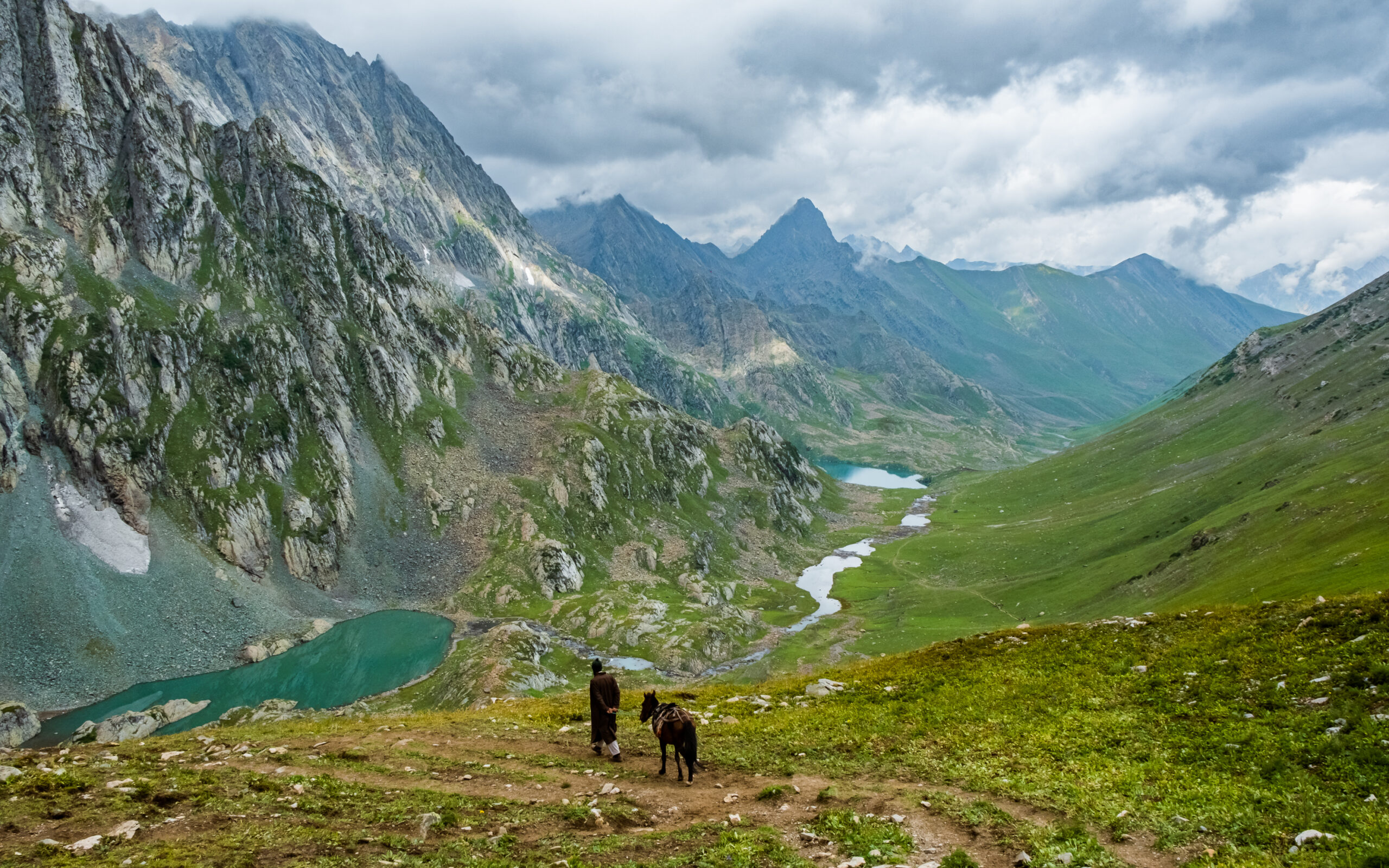
This day involves another steady climb. As views open up, temperatures drop near the ridge before descending toward Gangbal.
Gangbal campsite is wide and exposed. Evening winds move freely across the area.
- Daytime: 11°C to 15°C
- Night: 1°C to 4°C
Many trekkers retreat into their sleeping bags early here. The lake glows beautifully at sunset, but warmth quickly becomes the priority.
Day 6 temperature: Gangbal to Naranag descent
As you descend, temperatures rise gradually. You feel the change in warmth, breathing, and overall energy.
- Morning at Gangbal: around 5°C
- Afternoon near Naranag: 18°C to 22°C
Layers come off, jackets unzip, and the forest feels alive again. By the time you reach lower altitudes, it almost feels like summer.
Day 7 temperature: Buffer or exit day
Day 7 is usually a buffer, rest, or travel day depending on conditions. Temperature-wise, it feels noticeably warmer, mostly because you are no longer exposed to altitude and wind for long hours.
Even if mornings remain cool, the body feels more relaxed. Fatigue drops, recovery improves, and cold stops dominating your thoughts. This day quietly completes the temperature arc of the trek.
How weather changes by month on Kashmir Great Lakes Trek
The month you choose makes a visible difference.
- July: Cold nights, possible snow patches, fresh meadows, unpredictable rain
- August: Slightly warmer days, fewer snow patches, more stable weather
- September: Coldest nights, clear skies, sharp drops after sunset
If cold bothers you, mid-August is the safest window. If you enjoy crisp air and fewer crowds, September feels special but requires better preparation.
Is Kashmir Great Lakes trek temperature okay for beginners?
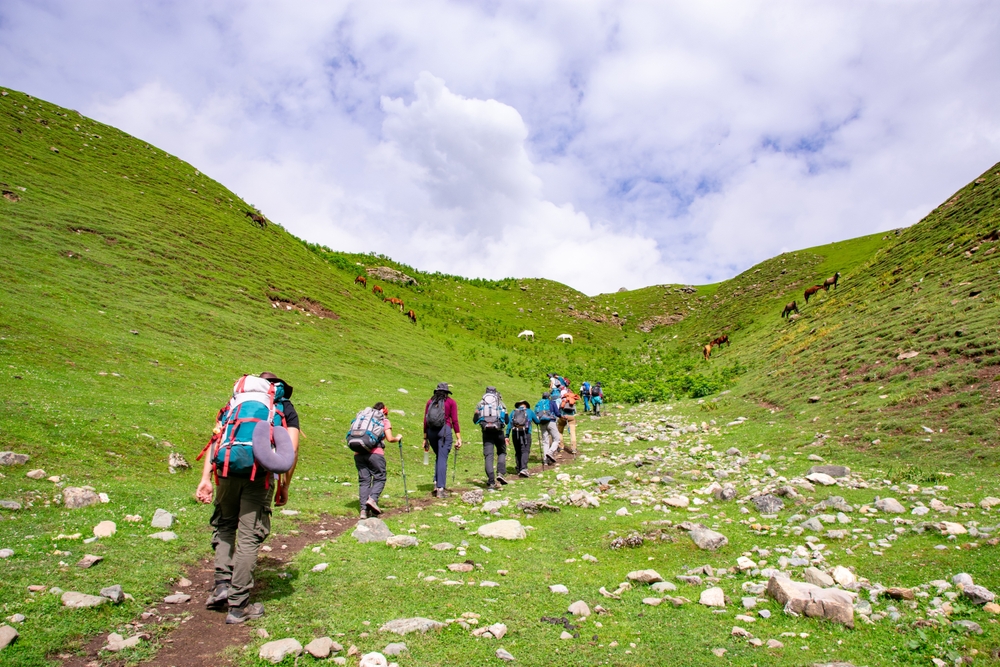
This question comes up often. The honest answer is yes, if preparation is taken seriously.
The cold is manageable. It is not extreme, but it punishes carelessness.
Beginners usually struggle when they:
- Skip thermal layers
- Carry light sleeping bags
- Ignore wind protection
- Assume summer equals warmth
If you treat the trek like a high-altitude environment rather than a hill station, beginners generally do well.
How to pack smart for KGL Trek temperature
You do not need excessive gear, just the right system.
A simple layering strategy works best:
base layer to manage sweat, insulation to trap heat, and a shell to block wind and moisture.
Focus on:
- One thermal top and bottom
- One fleece or light down jacket
- One windproof outer layer
- Warm hat and gloves
- Thick socks, meaning wool or merino-blend trekking socks, not cotton
Carry a sleeping bag with at least a -5°C comfort rating. If you feel cold easily, a -10°C comfort rating offers better sleep security. Overpacking makes walking harder. Underpacking makes nights uncomfortable. Balance matters more than brand names.
Decision moments people actually face on this trek
At some point, these thoughts surface. They are normal.
“Will altitude plus cold make this too hard?”
Cold increases fatigue, but a slow pace and proper hydration solve most issues.
“Do I really need a guide for the weather?”
Weather changes quickly here. Local teams read clouds and wind better than apps.
“Is this trek worth the discomfort?”
Ask anyone sitting beside Vishansar Lake at sunrise. The cold fades. The view stays.
Real takeaways about Kashmir Great Lakes Trek temperature
The temperature here is not extreme. It is simply honest. It demands preparation, not fear.
If you plan for cold nights, protect against wind, and understand daily variation, the trek feels challenging but deeply rewarding. The lakes shine brighter in crisp air, and silence feels deeper when the cold settles in.
And maybe that is the real question before booking:
Are you okay trading a little comfort for seven days of raw, unforgettable mountain life?