Day 3 of the Kashmir Great Lakes trek, from Nichnai to Vishansar Lake, is a long but beautiful alpine walk that tests your patience more than your strength.
If you can climb steadily for a few hours and stay calm at altitude, this day rewards you with one of the most stunning campsites of the entire trek.
Nichnai to Vishansar Lake: what this day really feels like
Most trekkers wake up at Nichnai with mixed feelings. The body feels tired from Day 2, and the pass looks close but feels far. I still remember sipping my morning tea here, staring at the slope, and thinking, “Bas, aaj thoda sambhal ke chalna hai.” That mindset helps more than any fitness plan.
This day is about moving slowly and steadily. The trail does not rush you, but it does not forgive the hurry either. You start early, usually between 7 and 8 am, because the weather behaves better before noon. The goal is simple on paper. Reach Vishansar Lake by afternoon and rest.
But the journey from Nichnai to Vishansar lake is not just a distance to be covered. It is a lesson in patience, breathing, and learning how your body reacts above 13,000 feet.
Read This Article to Choose Your: Best Time for Kashmir Great Lakes Trek
The Early Walk Out of Nichnai Camp
The first half hour feels easy. The grass is soft, and the morning air feels sharp and clean. You cross a lively stream early in the day. The water is cold enough to wake you fully. This crossing also marks the start of the real climb.
From here, the trail begins to rise. Not sharply at first, but enough to slow your pace. I always tell people to shorten their steps here. Long strides burn energy fast at altitude. Small steps keep your breathing under control.
The Nichnai campsite slowly drops behind you. Ahead, the pass remains in view like a silent challenge.
The climb to Nichnai Pass and what to expect
The climb to Nichnai Pass is the hardest part of the day. There is no sugar coating this. It is a straight ascent that goes on for about an hour. Some people struggle here, even if they are fit in cities. Altitude changes the rules.
At around 13,500 feet, Nichnai Pass is the highest point of the day. The trail makes a few inward turns, which can confuse first timers. Trust your trek leader and avoid shortcuts. Shortcuts here only waste energy.
A few things to keep in mind during this climb:
- Walk at a pace where you can talk without gasping
- Stop only when needed, not every two minutes
- Drink small sips of water, not large gulps
- Ignore others’ speed and focus on your rhythm
From the top, the view opens suddenly. On one side, you can see the Sonamarg valley spread far below. On the other side, the landscape looks raw and high. This is also the last point where you may catch a weak BSNL signal. After this, the mountains decide your connection with the world.
Are You also Concerned About The: Kashmir Great Lakes Trek Cost
From Nichnai Pass to Vishansar meadows
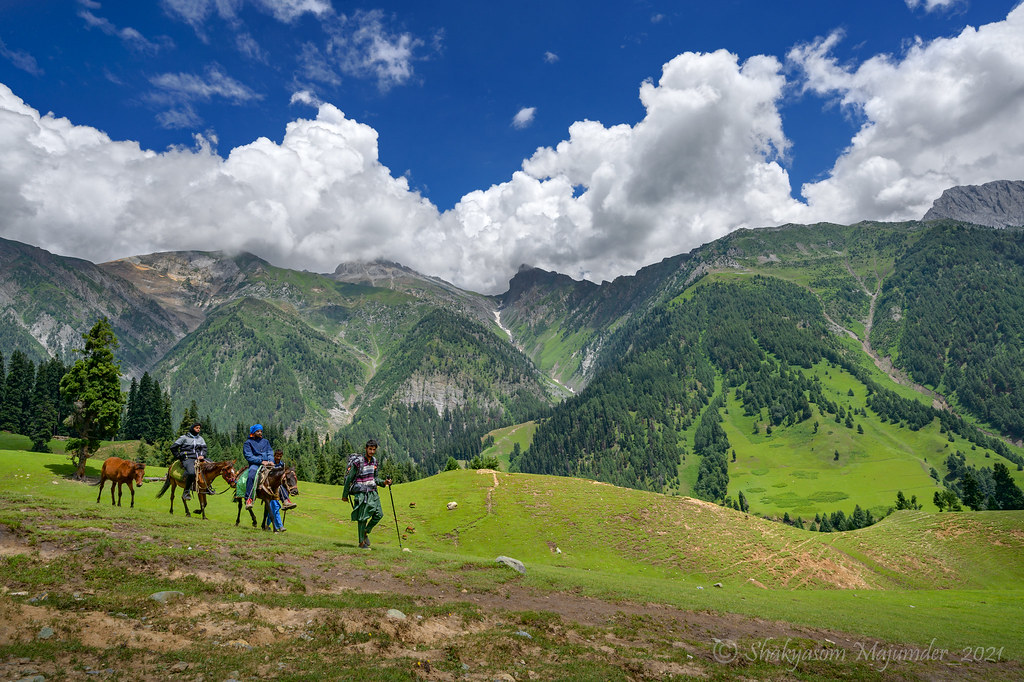
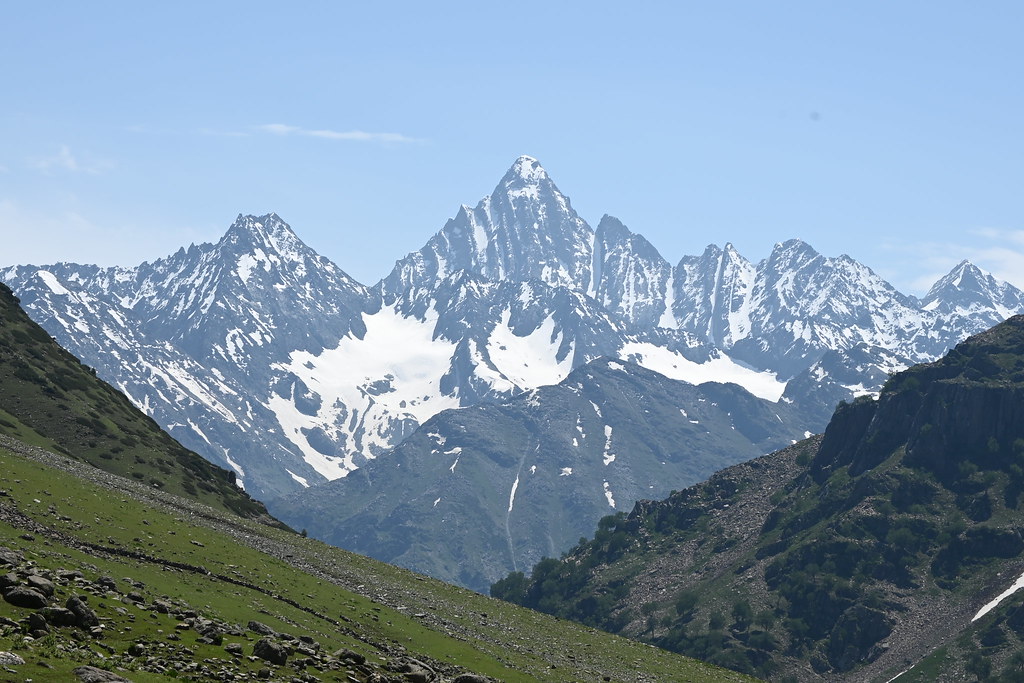
The mood changes the moment you start descending. Your legs feel relief, and the scenery turns softer. The rocky trail gives way to green fields within an hour. Snow-clad peaks ring the meadow like quiet guards.
This stretch from Nichnai pass to Vishansar lake feels almost meditative. A wide meadow opens up ahead, and a river flows across it. A waterfall pours down on your left and joins the stream. Most trekkers stop here without realising how lucky they are.
I remember sitting near this waterfall, boots off, letting the sound sink in. Moments like this remind you why Kashmir is called Jannat, not just in songs but in spirit.
Stream crossings and cold water reality
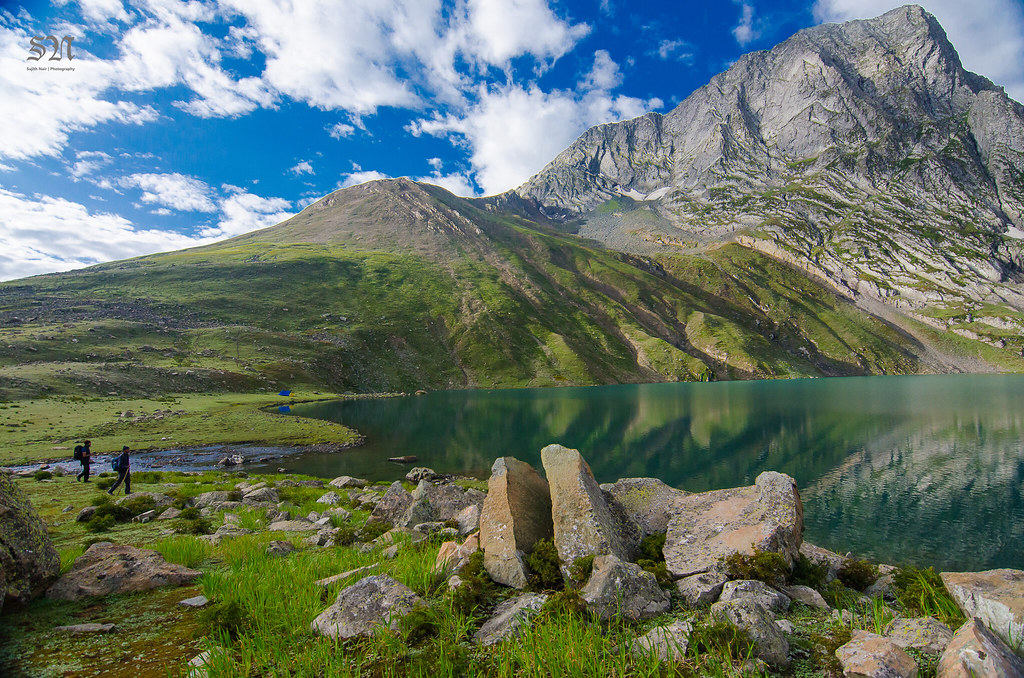
The meadows have two stream crossings. Stick to the left bank as advised by guides. The water comes straight from snowmelt, so expect biting cold even in summer.
The second crossing happens after about half an hour. This stream flows from Vishansar Lake itself, though the lake remains hidden at first. Be mentally prepared. Cold water shocks the feet and slows people down.
Some practical points for these crossings:
- Cross early in the day when water levels are lower
- Use trekking poles for balance
- Unbuckle your backpack straps before crossing
- Accept that your feet will go numb briefly
After the crossing, the campsite area feels close, though the lake still sits higher.
First sight of Vishansar Lake and camping nearby
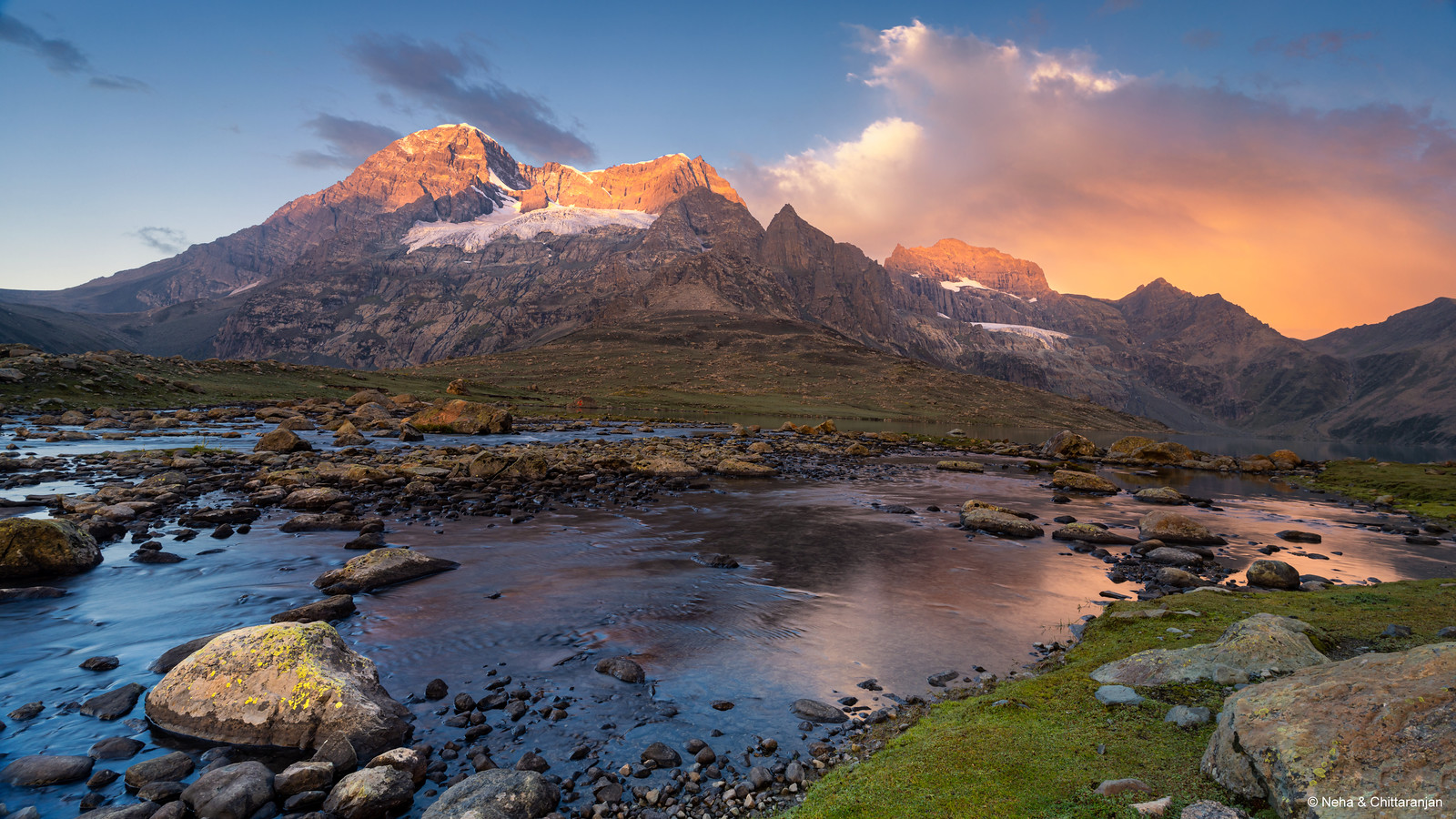
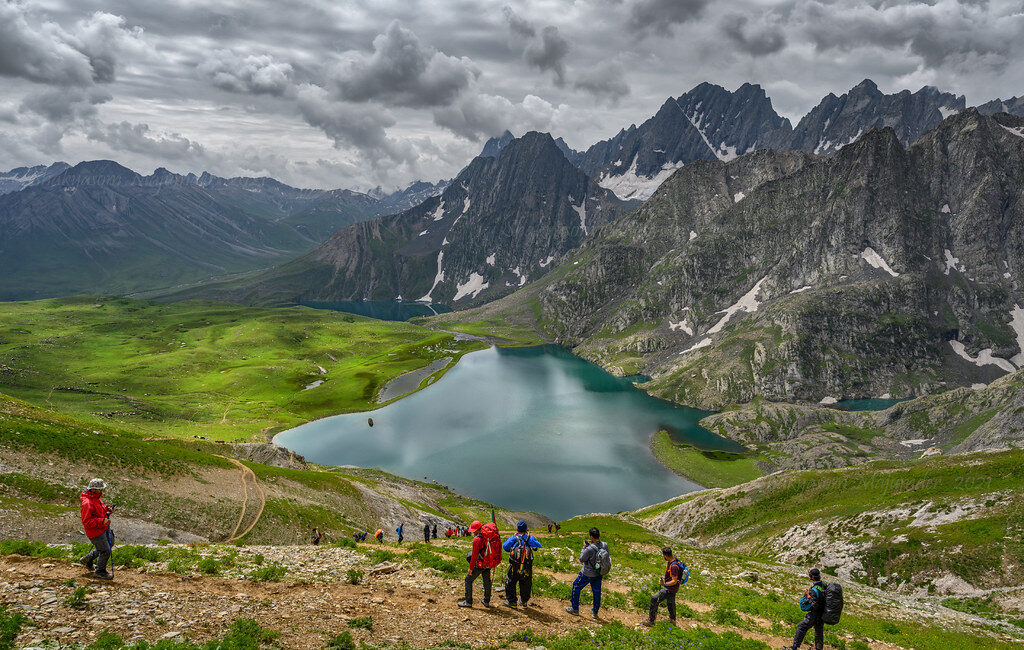
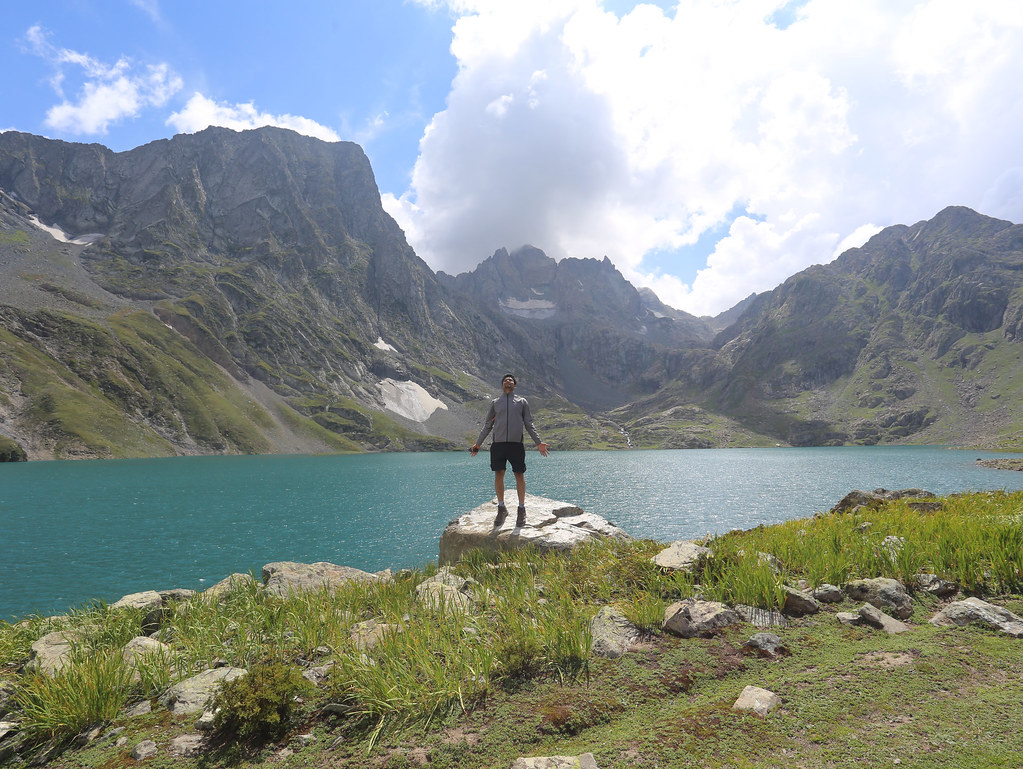
The first view of Vishansar Lake is quiet, not dramatic. It sits like a blue bowl between four mountains. As you walk closer, the colour deepens.
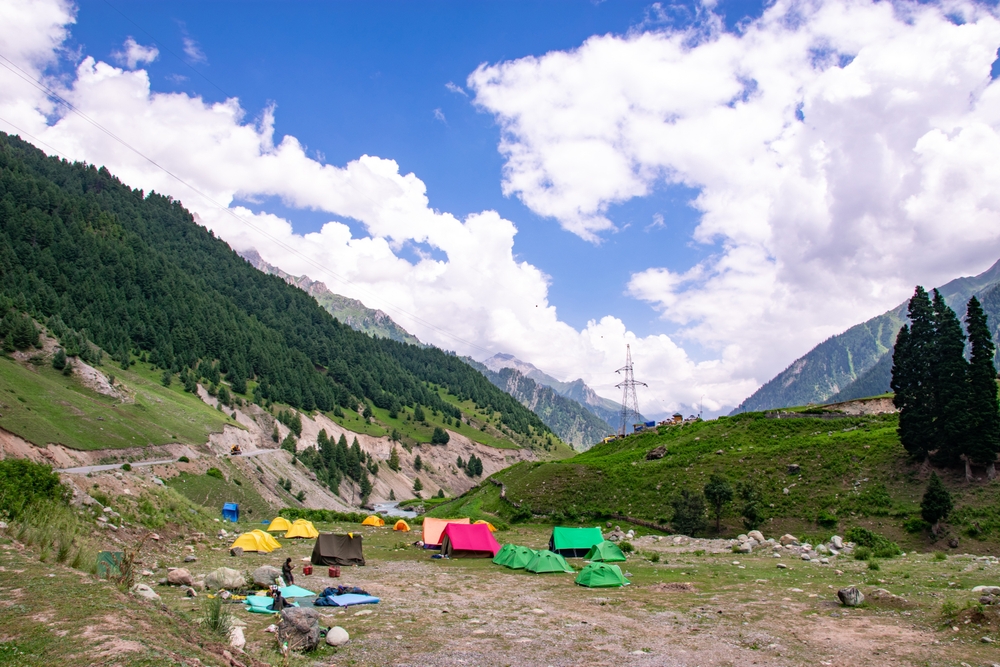
The campsite lies close to the river, about half a kilometre from the lake and slightly below it. This spot feels sheltered and calm. Tents dot the green land, and prayer flags often flutter in the wind.
Vishansar Lake changes colour through the day. Early mornings feel grey and still. By noon, the water turns deep blue. During sunset, it often glows greenish blue. On clear days, Kishansar Lake reflects softly on its surface.
Many trekkers ask whether to visit the twin lakes today or wait. If energy allows, a short walk helps loosen stiff legs. If not, Day 6 gives another chance.
How tough is the Vishansar Lake trek day?
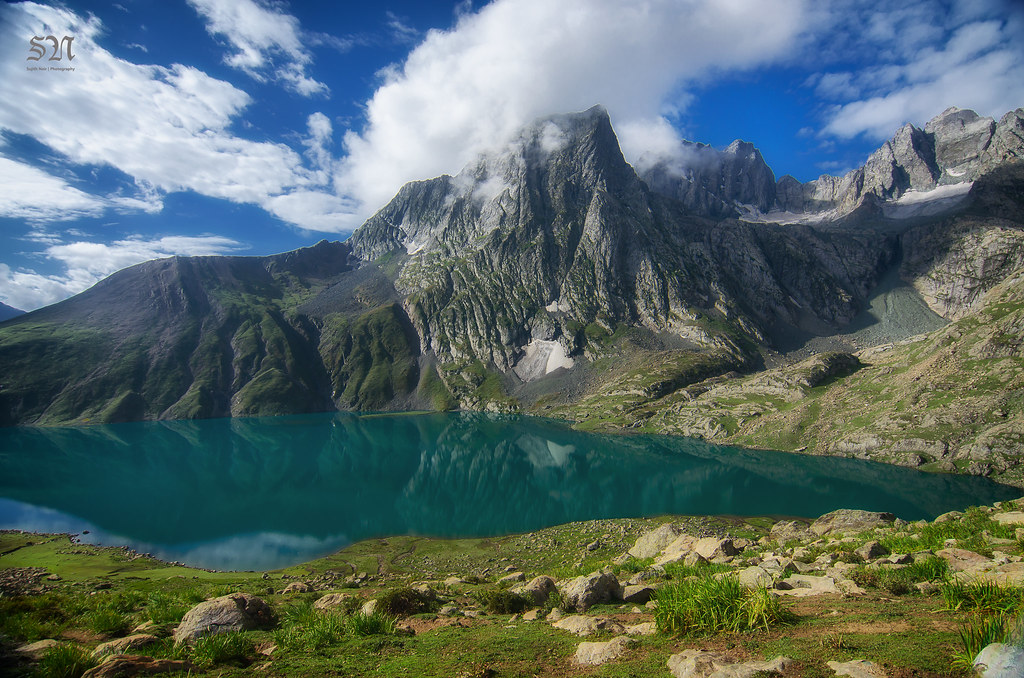
The Vishansar lake trek on Day 3 is moderate to difficult mainly due to the altitude. Distance alone does not make it challenging. The climb to Nichnai Pass does.
People who rush this day on KGL trek often feel headaches or nausea later. Those who respect the pace usually reach camp smiling. I have seen strong runners struggle here, first time trekkers do well. Awareness beats ego every single time.
What to pack mentally for this day
This day demands mental preparation more than extra gear. You will feel tired. You may doubt yourself near the pass. That is normal.
Carry these thoughts with you:
- This discomfort is temporary
- A slower pace saves energy later
- Every step forward counts
- The lake is worth the effort
Food tastes better at Vishansar. Sleep feels deeper. These small rewards matter.
Key takeaways for Day 3
Day 3 from Nichnai to Vishansar Lake defines how the rest of the trek will go. If you manage this day well, the mountains begin to trust you.
Walk slow. Drink water. Look around often. Let the silence speak.
And when you finally sit near the lake in the evening, watching the clouds change colour, you may quietly ask yourself, how often does life allow such stillness without asking anything in return?