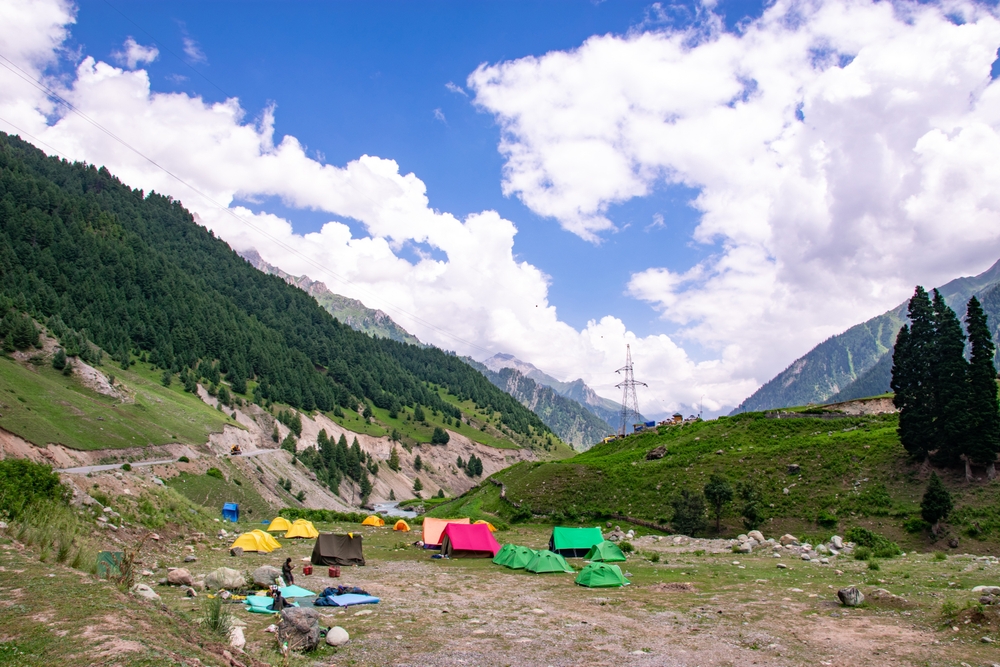
Day 4 is dedicated to acclimatization on the Kashmir Great Lakes trek with slow walks and soaking in the views near Vishansar and Kishansar without pushing your body.
I say this first because most trekkers worry about health on this day. You are already at high altitude. Your body needs time. Day 4 provides that space while still offering some of the most calming sights of the whole trail. I have seen anxious first-timers relax here. I have also seen over-excited trekkers learn patience the hard way.
Before we go into view, let me set the scene. You wake up near Vishansar. The air feels thinner but cleaner. Your breath sounds louder. Your legs feel heavy but steady. This day is not about covering distance, it is about listening to your body while your eyes stay busy.
Why Day 4 Matters for Acclimatization on Kashmir Great Lakes Trek
This rest day exists for a reason. Your body needs time to adjust to the altitude. Oxygen is less here. Your muscles recover more slowly. Skipping rest can turn a strong trekker into a silent struggler by evening.
I have guided friends who felt fine on Day 3, but by Day 5 of the Kashmir Great Lakes Trek, they had headaches and nausea. The problem started when they treated Day 4 casually. Acclimatization works quietly. You do not feel it happening. You only feel it when it does not happen.
Day 4 allows gentle movement. You walk light. You stop often. You drink more water. Your body learns to breathe better here. That learning helps you later on the tougher sections.
1: Early Morning Stillness at Vishansar Lake
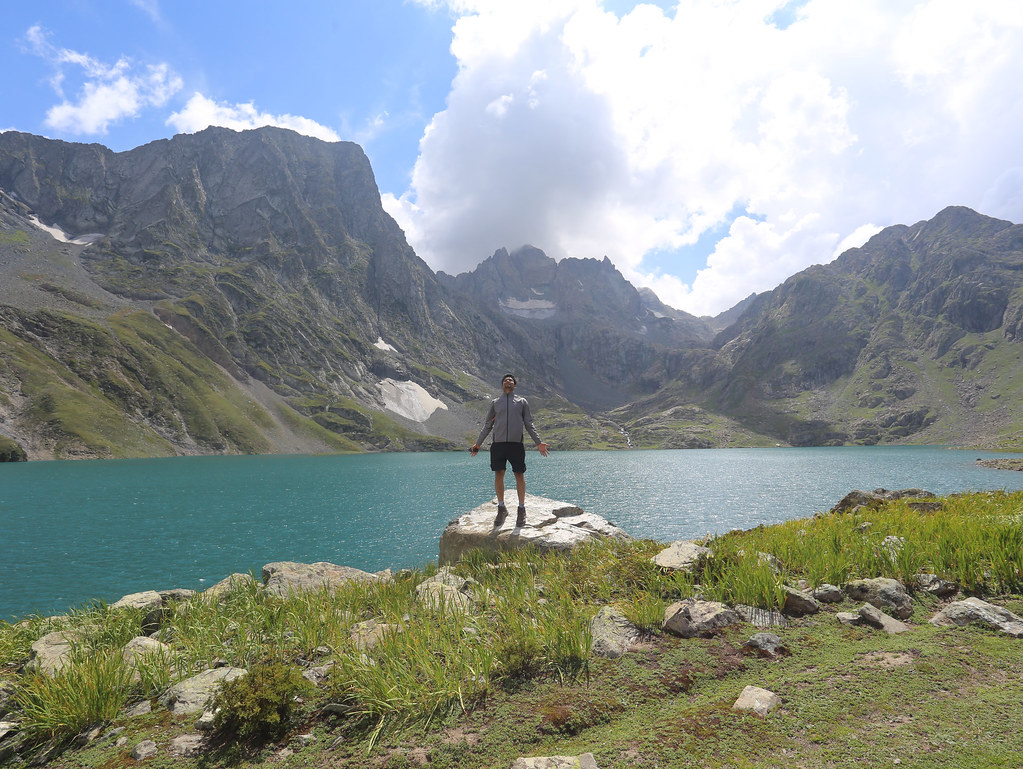
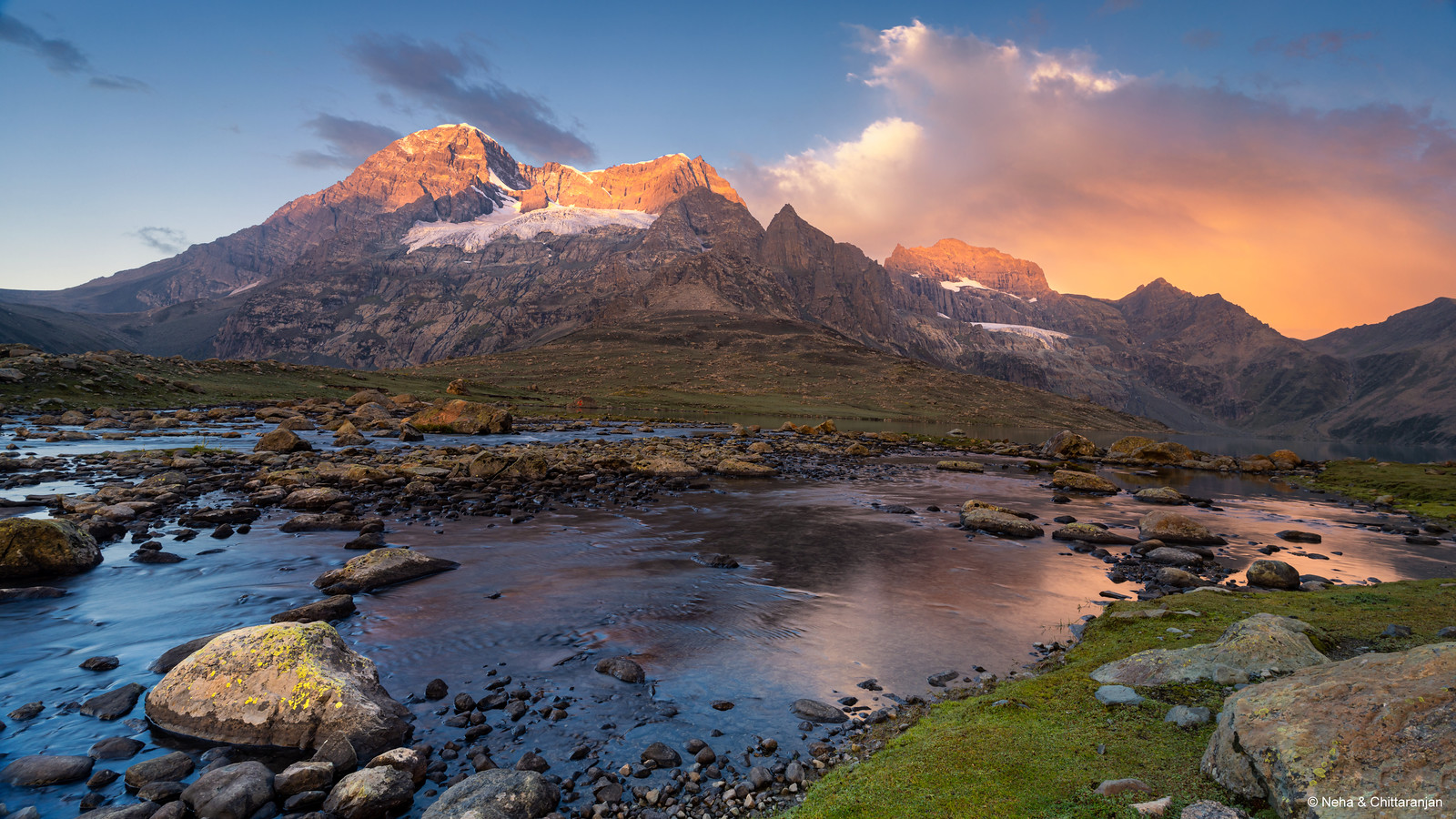
Vishansar at sunrise feels unreal. The water stays flat. The sky turns pale pink. Snow peaks reflect like a mirror. There is no rush, no pack weight, just you and cold air.
I like standing near the edge with a cup of tea. The silence feels loud. You notice small things, a ripple, a bird call, your own breathing slowing down. This calm helps acclimatization more than people realise.
Stay warm here. Mornings bite hard. Gloves help, as does slow breathing through the nose.
2: The Gentle Trail from Vishansar to Kishansar Lake
The walk from Vishansar to Kishansar Lake walk is short and kind. It takes under an hour for most people. The trail climbs slightly and then levels out. This is perfect for acclimatization.
Your guide may suggest walking very slowly. Listen to them. This is not a fitness test. This walk teaches your body how to move at altitude without stress.
Along the way, the view keeps opening up. Vishansar slowly slips behind. Kishansar appears like a quiet secret. The transition feels peaceful, not dramatic.
Explore Other: Lakes on Kashmir Great Lakes Trek
3: First Glimpse of Kishansar Lake
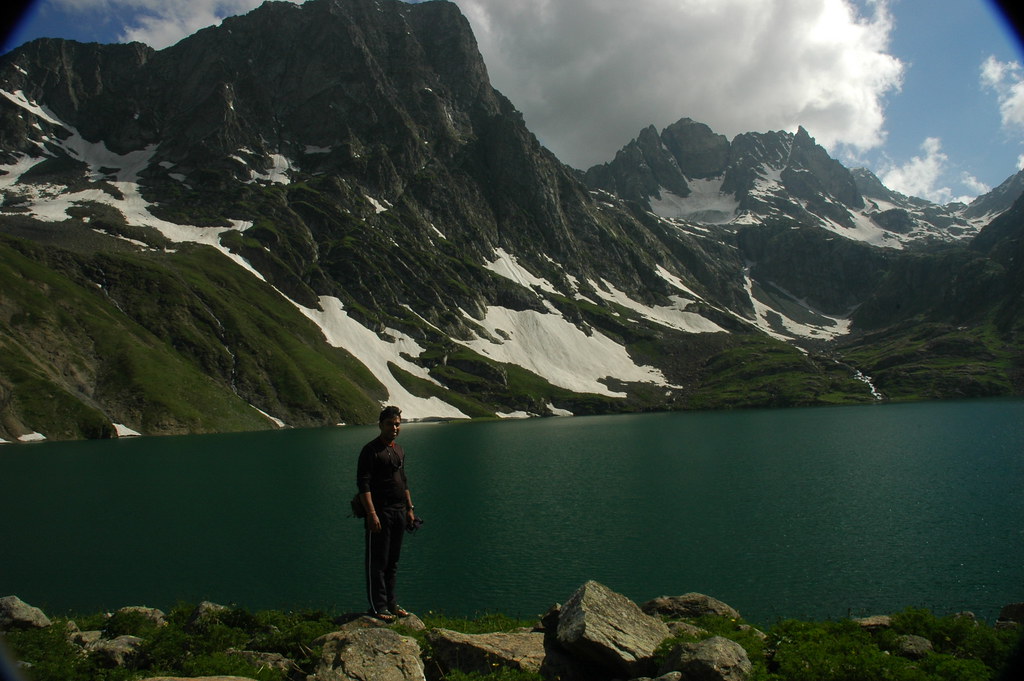
Kishansar does not shout for attention. It sits quietly at the base of tall ridges. The water looks darker. The surroundings feel more serious.
The first view often makes people stop without being told. You feel small here. That feeling grounds you. Mountains have that effect.
I usually ask people to sit for a few minutes. No photos first. Just watch. Your breathing settles faster when your mind slows down.
4: The Wide Meadow Beside Kishansar
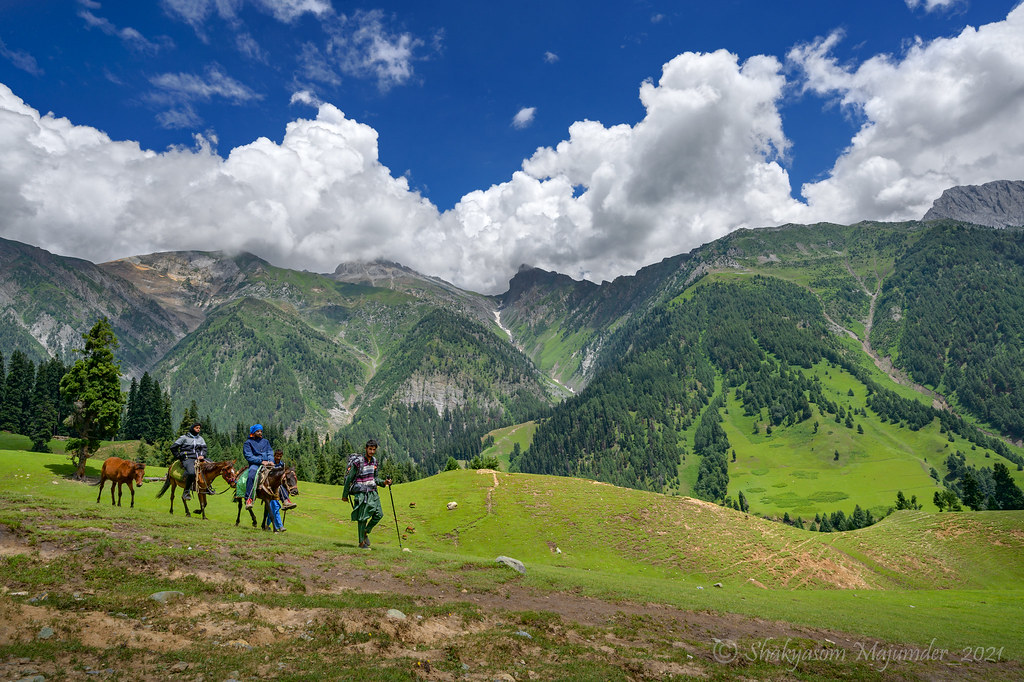
On the right side of Kishansar lies a wide meadow. It feels like a soft green carpet. This is where cameras come out and people also forget time.
The meadow stretches gently. Snow peaks stand guard in the distance. Clouds drift low on quiet days. It feels like a painting that keeps changing.
This spot is ideal for slow walking. You can stroll without effort. That gentle movement boosts blood flow and It helps your body adapt without strain.
5: Reflections of Kishansar Tower
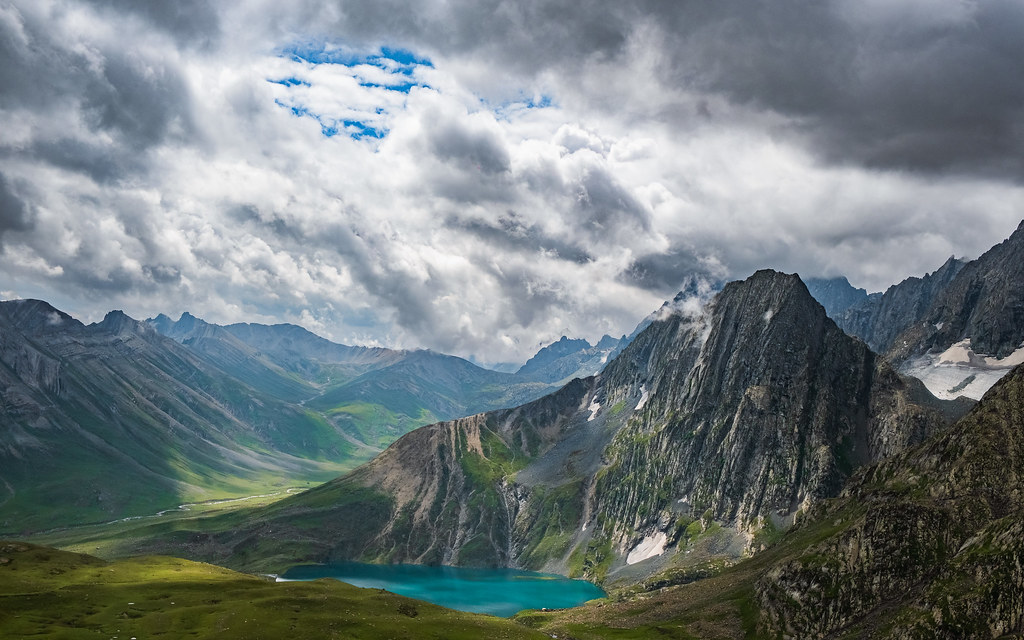
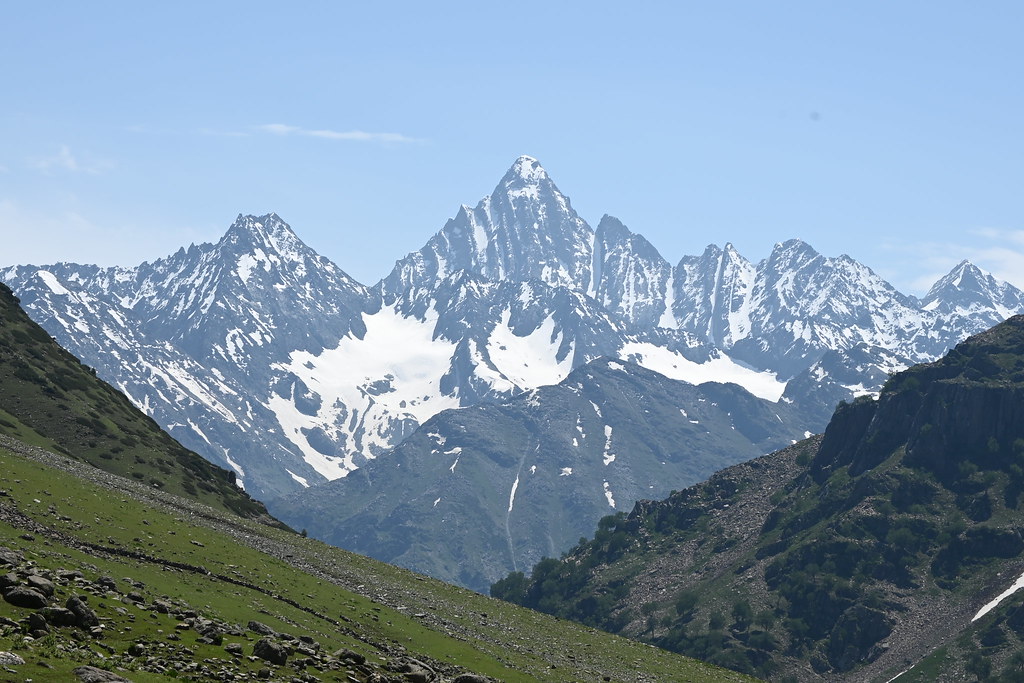
Behind Kishansar rises a sharp peak often called Kishansar Tower. On clear days, its reflection appears in the lake. The view feels sharp and clean.
Light changes fast here. A cloud can hide the peak in seconds. Then it returns brighter. I always tell trekkers to wait. Nature does not follow our schedule.
Watching these shifts teaches patience. That patience helps later when weather tests you.
6. Gadsar Pass Panorama from the Approach
The trail to Gadsar Pass starts from Kishansar. You do not climb the pass on day four, but you can see where the trail goes. From the meadow below, look up at the pass. You will see a pencil-thin line of trekkers moving like ants across the mountain face.
4Behind them, the view opens up to valleys you have not walked yet. This preview is like watching a movie trailer for the next day. It builds anticipation. It also builds respect. You realize how small you are and how big these mountains are.
Read This Blog & Choose Your: Best Time to Do Kashmir Great Lakes Trek
7: The Meadow That Belongs in a Yash Raj Film
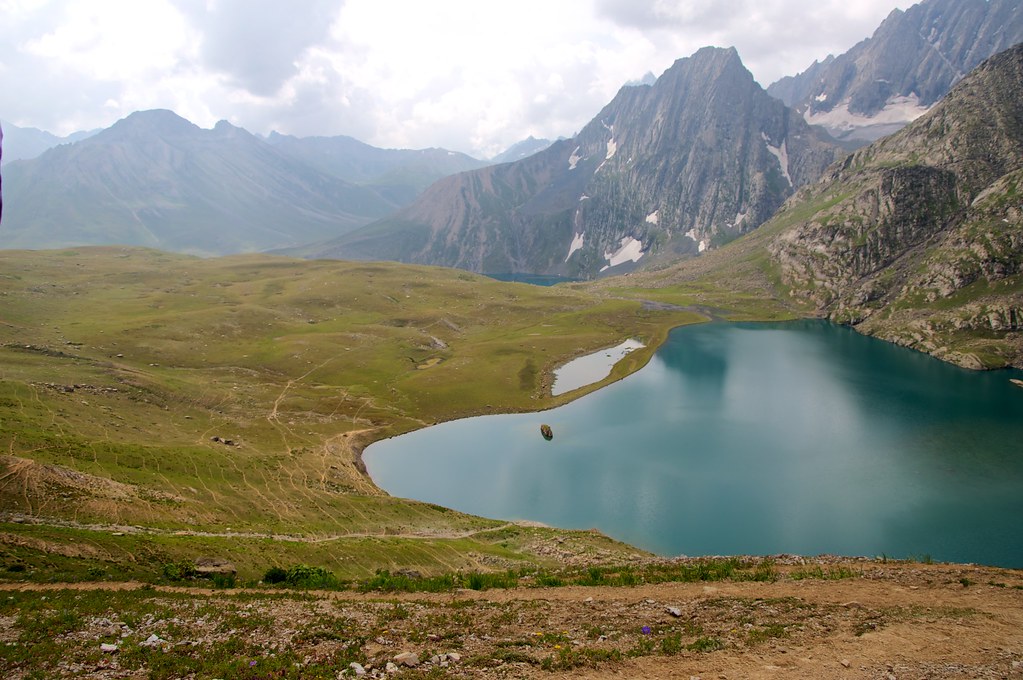
On the right side of Kishansar Lake, a massive meadow spreads out that looks like it was designed by a Bollywood art director. In July and August, this meadow is not just green. It is a riot of colours that would make even Manish Malhotra jealous. Blue poppies, yellow marigolds, purple irises, and white daisies grow so thick you cannot step without crushing a flower.
Local shepherds bring their sheep here, and the bells around the sheep necks create a soundtrack no composer can match. I have seen trekkers lie down in this meadow and refuse to leave. They miss lunch. They miss tea. They simply lie there, grinning like children who have found their happy place.
This is exactly the kind of meadow where Yash Chopra filmed the song “Jiya Re” from Jab Tak Hai Jaan (2012). The film’s crew camped in similar valleys near Sonamarg, capturing those endless flower-strewn meadows with snow peaks in the background.
When you stand in the Kishansar meadow, you half expect Shah Rukh Khan to come running over the hill with Anushka Sharma. The light is the same. The colours are the same. The magic is definitely the same.
Practical Acclimatization on Kashmir Great Lakes Trek: What Actually Helps
Many trekkers ask what really helps on Day 4. Here is what I have seen work again and again.
- Drink water even when you are not thirsty
- Walk slower than you think is needed
- Eat warm meals, even if your appetite feels low
- Avoid sleeping through the entire day
- Do gentle stretches in the evening
These sound simple, but they work because they respect how the body adapts at height.
Common Mistakes Trekkers Make on Day 4
People often underestimate rest days. That leads to small errors that snowball later.
- Racing others on the short walk
- Skipping water to avoid toilet breaks
- Sitting in cold wind without layers
- Ignoring mild headaches
- Treating this day like a picnic
I have made some of these mistakes myself. Mountains are patient teachers, they repeat lessons if needed.
Mental Adjustment Matters as Much as Physical
Acclimatization is not only physical, your mind adjusts too. You learn new limits. You accept a slower pace. You stop fighting the terrain.
This mental shift matters later when days get harder. Day 4 gently nudges you towards that mindset. You learn to move with the mountain, not against it.
How to Know Acclimatization Is Working
People ask how they can tell if things are going well. The signs are subtle but clear.
- Your Head feels light, not heavy
- Sleep comes more easily than on earlier nights
- Appetite slowly returns
- Breathing feels steadier while walking
If these signs show up, Day 4 has done its job.
Final Thoughts from the Trail
Day 4 does not thrill with distance or challenge. It stays memorable because it teaches respect. It shows beauty without pressure. It reminds you why rest matters in the mountains.
If a single day can make or break the rest of the Kashmir Great Lakes Trek, why rush it at all?