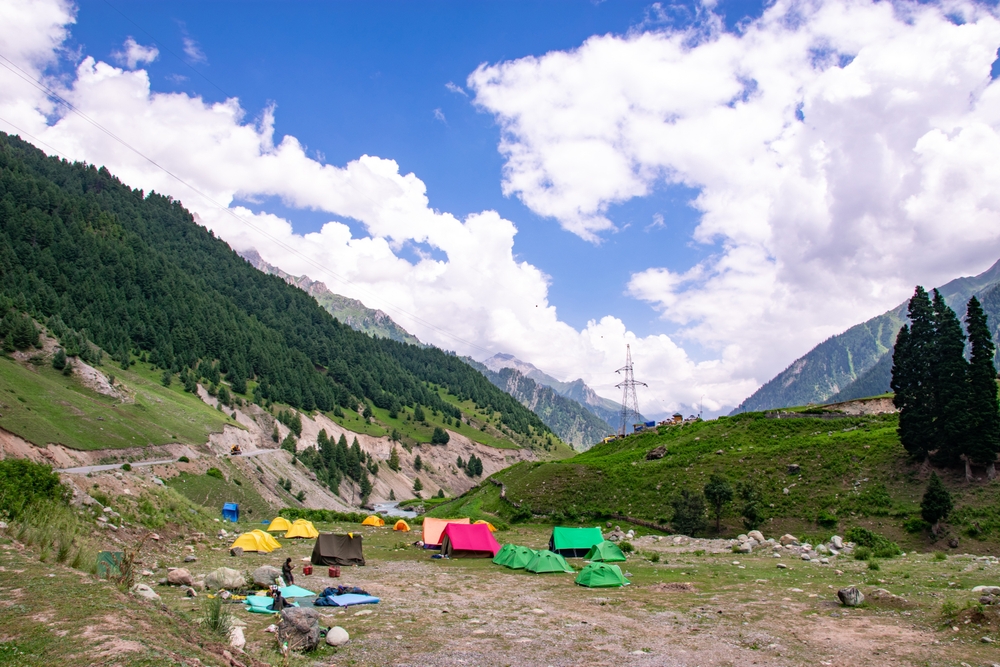
Kashmir Great Lakes Trek Day 6, the walk from Gadsar to Satsar, is a 9–12 km high-altitude crossing that takes 5–7 hours, climbs to the highest point of the trek at Gadsar Pass (13,750–13,800 ft), and then descends into the wide, lake-dotted Satsar basin at around 12,000 ft.
If you are preparing seriously for this day, this single line already answers your biggest doubt. It is long, yes. It is high, also yes. But it is not brutal. With steady pacing, patience at the army checkpoint, and awareness of landmarks, Gadsar to Satsar becomes one of the most memorable days of the Kashmir Great Lakes Trek.
KGL Trek Day 6 Overview: Gadsar to Satsar
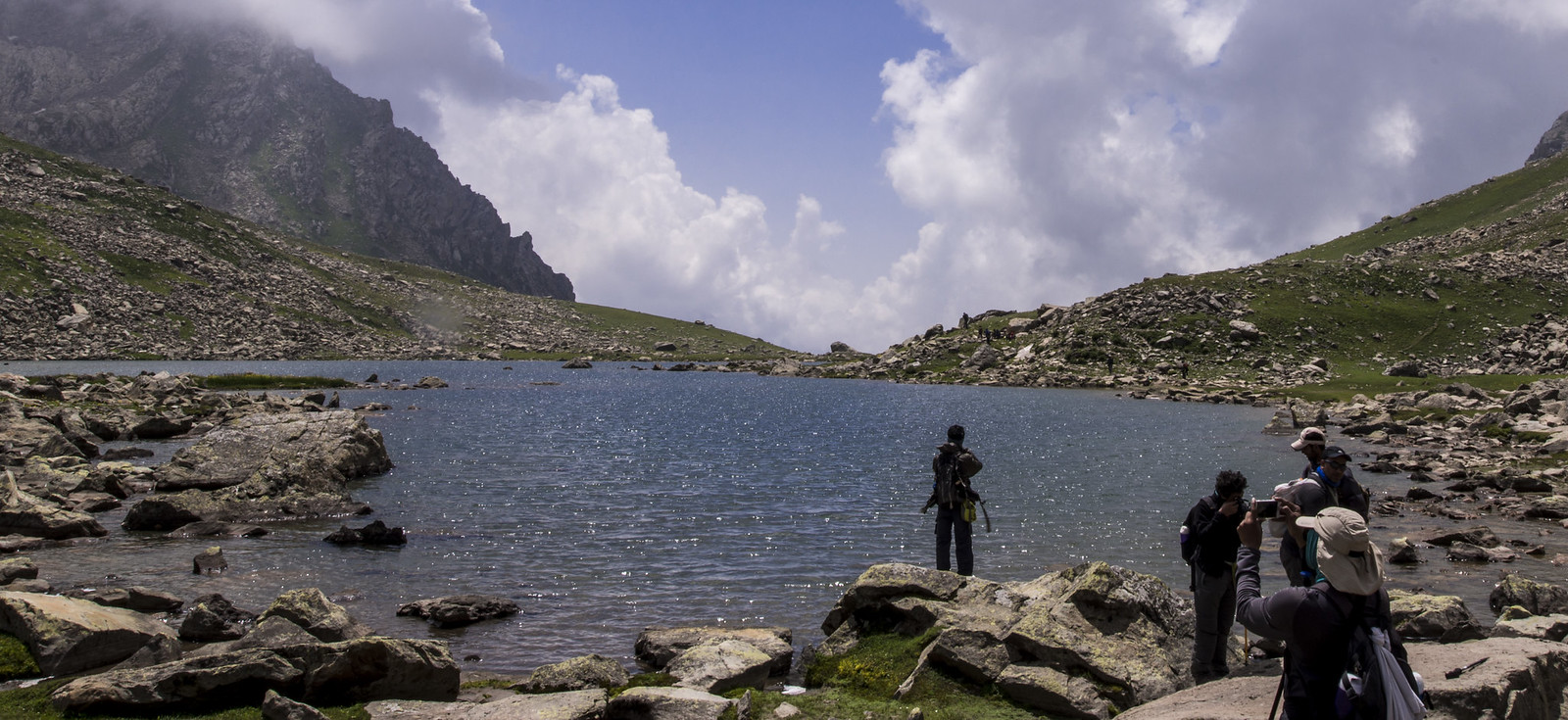
Before emotions take over, let us get the technical picture clear. This is the information trekkers actively search for while planning.
- Distance: 9–12 km
- Duration: 5–7 hours of walking (excluding checkpoint wait)
- Starting altitude: Gadsar Lake – approx. 12,500 ft
- Highest point: Gadsar Pass altitude – 13,750 to 13,800 ft
- Ending altitude: Satsar campsite – 11,995 to 12,000 ft
- Net altitude gain: ~1,300 ft
- Net altitude loss: ~1,800 ft
This balance of climb and descent is why KGL Trek Day 6 feels demanding early on, then surprisingly gentle later.
Why Gadsar to Satsar Is a Turning Point on the Kashmir Great Lakes Trek
Till this day, the trek feels like a pursuit. You chase lakes, passes, campsites. On Gadsar to Satsar, the mountains change tone. They stop challenging you and start walking beside you.
This is also the psychological peak of the Kashmir Great Lakes Trek. Once you cross Gadsar Pass, you know the hardest altitude is behind you. That realisation alone lightens your steps.
I remember a fellow trekker saying, half joking, “If this was a movie, this would be the interval scene.” He was not wrong.
Morning at Gadsar Lake: Cold, Quiet, and Focused
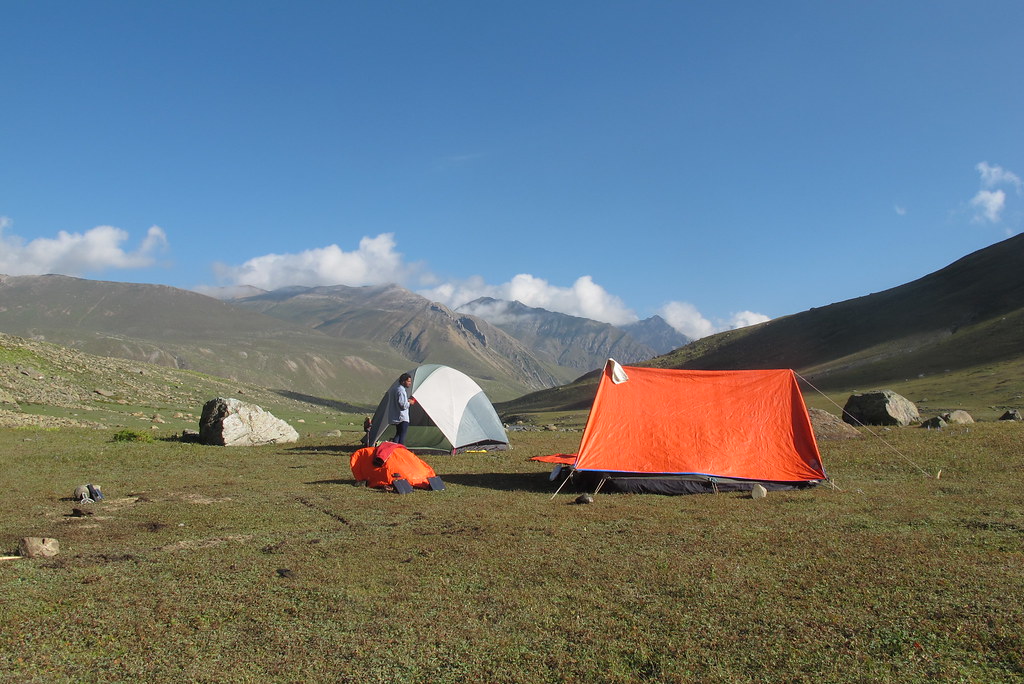
The day begins at Gadsar Lake, resting at around 12,500 ft. Mornings here are cold enough to sting your fingers. Even in August, thin ice sometimes clings to the lake edges.
You leave early because the army checkpoint later in the day does not run on trekking schedules. The initial trail climbs gradually over rocky grassland. During mid-July to August, this section comes alive with blue iris flowers scattered across the slope.
Things that matter in this first hour.
- Eat properly, even if appetite feels low
- Keep a windcheater and gloves handy
- Start slow and let your body warm up
Trail Landmarks to Watch For on Gadsar to Satsar
This section often feels confusing on maps, so real-world waypoints help more than GPS lines. Here is how the day unfolds on foot.
- 1 hour in: Blue iris flower zone (mid-July to August only)
- 1.5–2 hours: Gadsar Pass summit with prayer flags and stone cairns
- 2.5 hours: Army checkpoint with a small hut and 5–8 personnel
- 3.5 hours: Entry into Maengandob meadow with shepherd huts
- 4–5 hours: First small lakes, often mistaken for Satsar
- 5–6 hours: Actual Satsar basin with the main lake cluster
Knowing these markers reduces anxiety and helps you pace your breaks better.
The Climb to Gadsar Pass and Its Altitude Reality
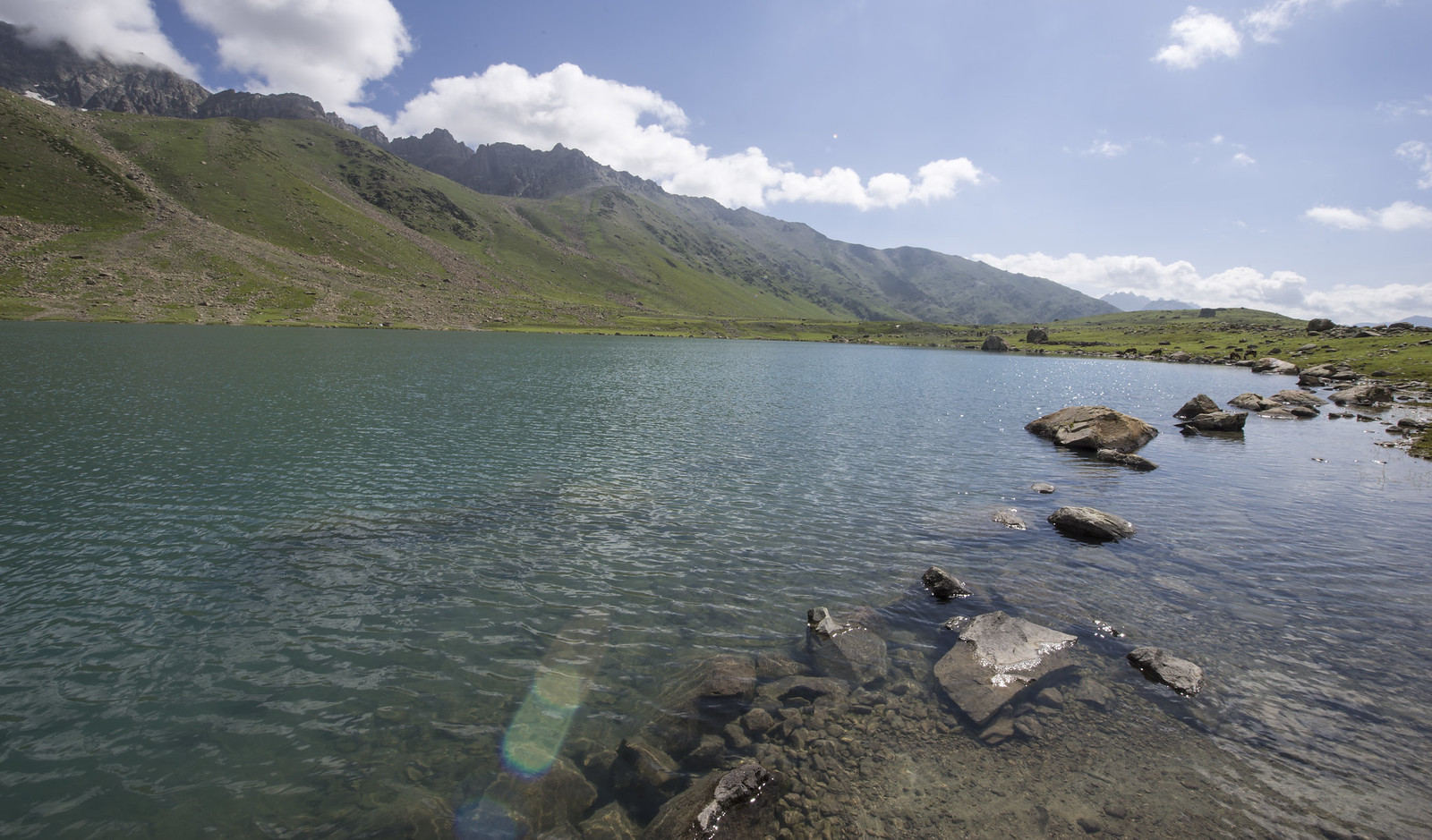
The climb to Gadsar Pass altitude, touching nearly 13,800 ft, is steady rather than steep. This matters. You are not fighting gravity; you are negotiating with it.
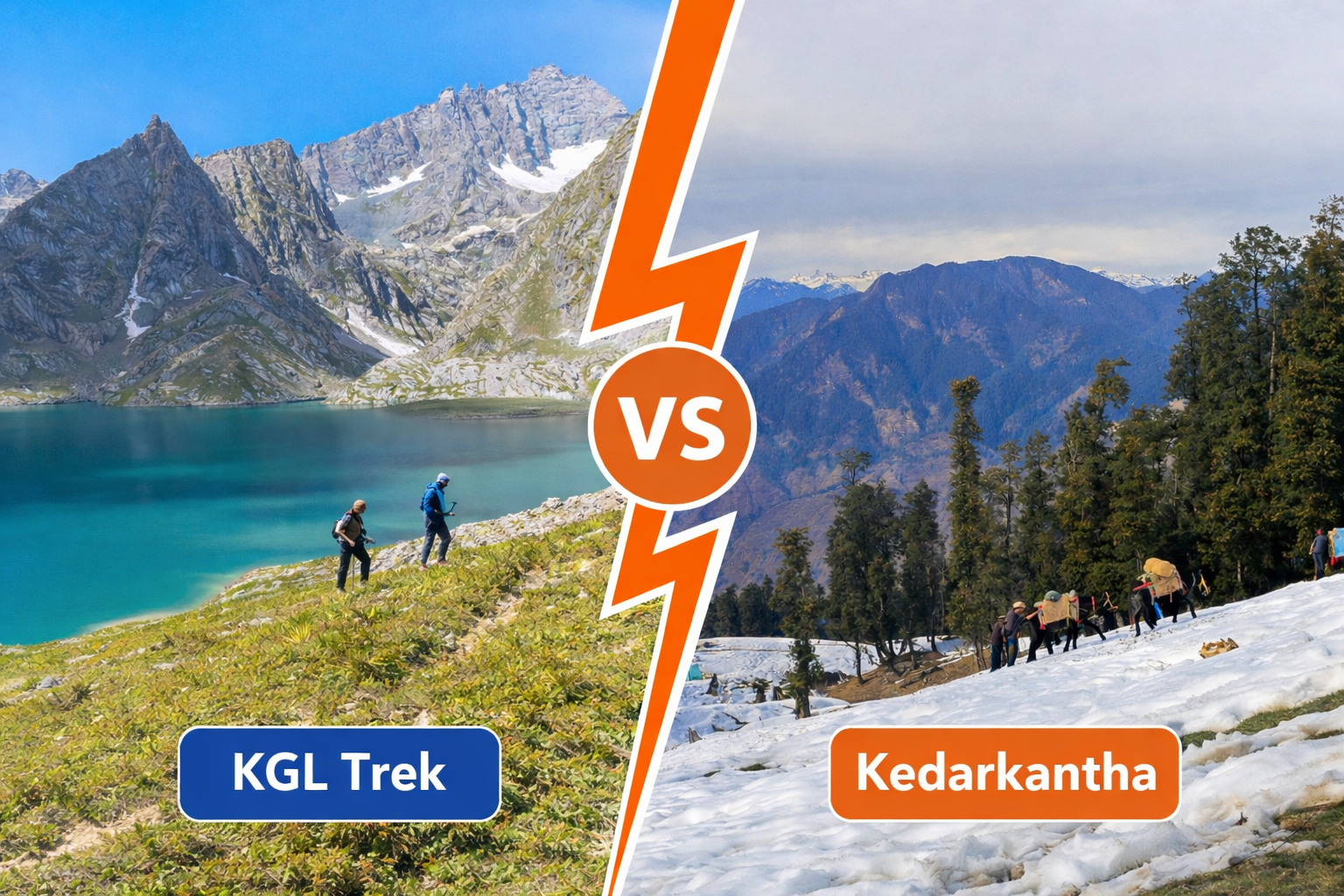
Breathing stays controlled if you keep a rhythm. Short steps. No rush. This is alpine walking, not a snow slog like Kedarkantha. The reward arrives quietly as the valley behind you drops away.
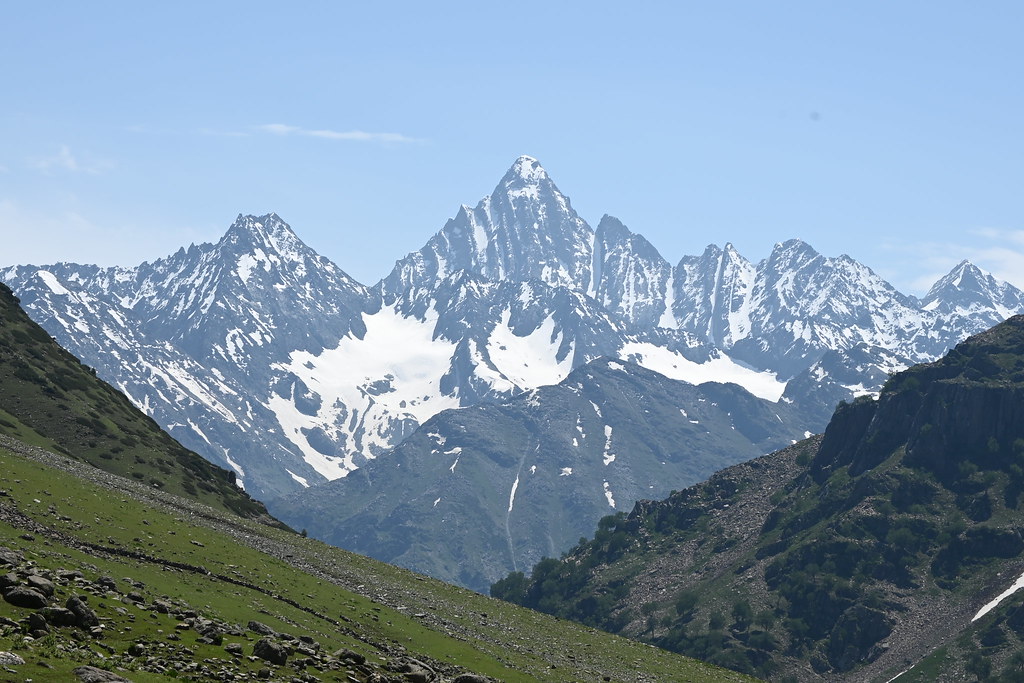
On clear days, the view from the pass includes twin alpine lakes shimmering below, a sight that makes even seasoned trekkers pause.
Gadsar Pass: Wind, Flags, and a Mental Shift
At the top, prayer flags flutter violently on windy days. The pass feels exposed and raw. Most trekkers instinctively layer up here.
Emotionally, this is a release point. You have crossed the highest altitude of the KGL Trek. Everything ahead now trends downward.
This is also where many people realise how different this trek feels compared to snow routes. Kedarkantha teaches grit and silence. The Kashmir Great Lakes Trek teaches flow and openness.
Yamsar Lake: The First Lake After Gadsar Pass
Soon after descending from the pass, you encounter Yamsar Lake on your left. This is often the first visible water body after Gadsar Pass, fed by glacial streams connecting back to Gadsar.
Locals associate Yamsar with Lord Yama, the god of death, which gives the lake quiet mythological weight. The water appears dark, almost brooding, especially under cloud cover.
Many trekkers pause here unknowingly, thinking they have reached Satsar. In reality, this is just the beginning of the basin.
Army Checkpoint on KGL Trek Day 6: What to Expect
Shortly after Yamsar, you reach the third army checkpoint of the trek. This is unavoidable and often underestimated.
Here is the ground reality.
- ID verification against trekker manifests
- Clearance taken from headquarters
- Waiting time ranges from 30 minutes to 2–3 hours
- Satellite phone usually available at the post
There is no mobile signal here. None. Use the wait to eat, hydrate, and rest your legs.
Maengandob Meadow: The Famous Wallpaper Stretch
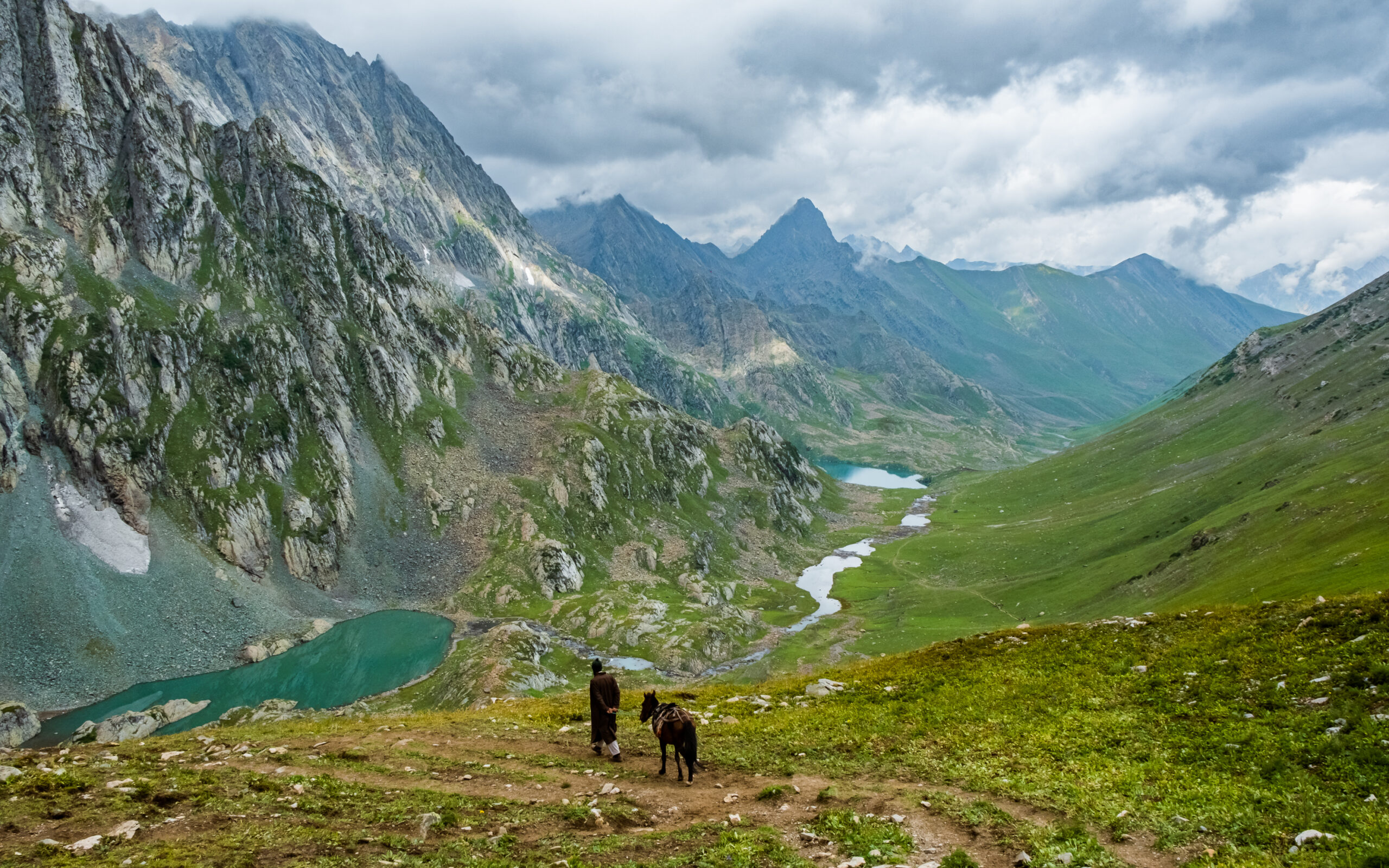
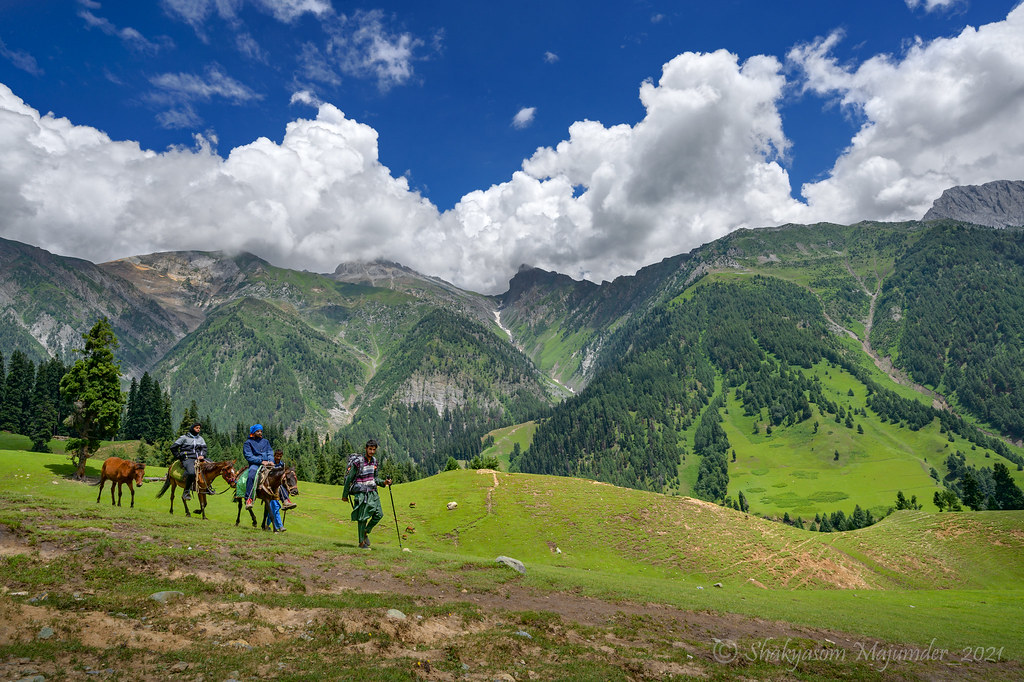
Post checkpoint, the trail descends gently into Maengandob meadow. This wide green expanse feels unreal after days of tight valleys and climbs.
Shepherd huts dot the meadow in summer. Sheep graze lazily. The mountains pull back, giving you space to breathe.
If you trek in early September, the green fades into gold. The entire meadow glows under soft afternoon light, and the mood turns reflective.
Stream Crossings and Intermediate Lakes
As you move deeper, multiple streams cut across the trail. The water is freezing, especially in July.
You also pass small lakes like Watal Sar, which often confuse first-time trekkers. These lakes hold water early in the season but may dry up by late August.
Keep these points in mind.
- Cross streams slowly to avoid numb feet
- Change socks if needed before camp
- Trust your guide on campsite location
Satsar Basin: Understanding the Seven Lakes
Satsar Lake literally means “seven lakes,” but reality varies by season. Usually, only four to five lakes contain visible water.
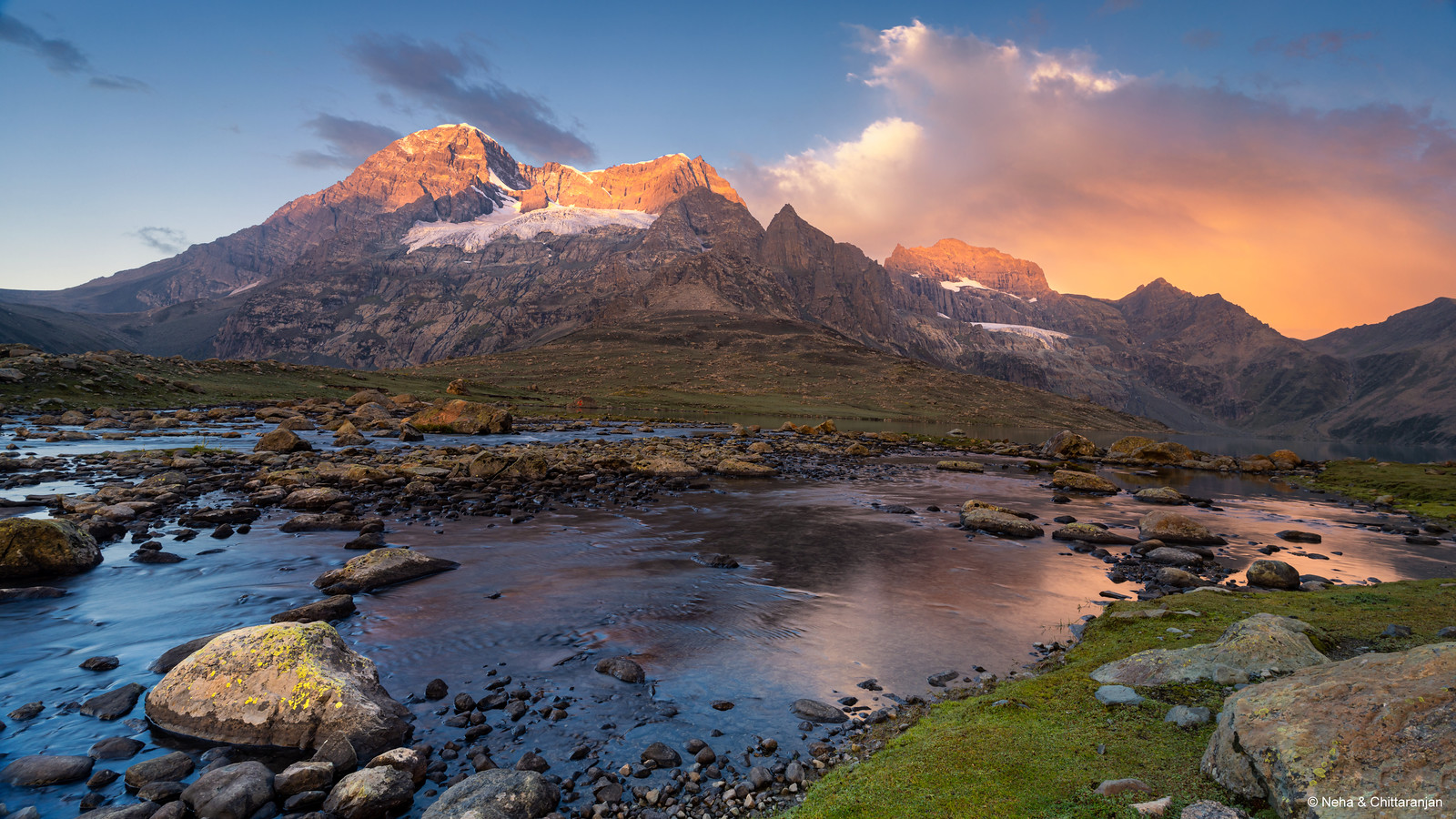
The lakes appear scattered, changing colours from emerald to deep blue depending on light. There is no single dramatic reveal. Instead, the basin unfolds gently, rewarding patience.
Camping at Satsar: Wind and Wide Skies
Satsar camps sit around 12,000 ft in an open basin. Wind picks up after sunset. Nights get cold quickly.
Practical habits matter here.
- Secure tents well before dusk
- Keep water bottles inside sleeping bags
- Avoid walking near lakes after dark
Despite the exposure, this camp feels peaceful and expansive.
Seasonal Changes on Gadsar to Satsar
This day changes character with time.
- Mid-July to mid-August: Wildflowers, strong streams, lush meadows
- Late August: Stable weather, fewer flowers
- Early September: Golden grass, colder nights, quieter camps
Snow patches near Gadsar Pass may linger early in the season but rarely need technical gear.
Find The: Best Time for Kashmir Great Lakes Trek
How KGL Trek Day 6 Shapes the Journey Ahead
After Gadsar to Satsar, something shifts. Bodies adapt. Minds slow down. The trek stops feeling like a challenge and starts feeling like a companion.
As you sit near a quiet Satsar lake, watching evening light drain from the sky, a simple thought often arises without effort. If slowing down feels this natural here, why does it feel so hard to do the same once we return home?