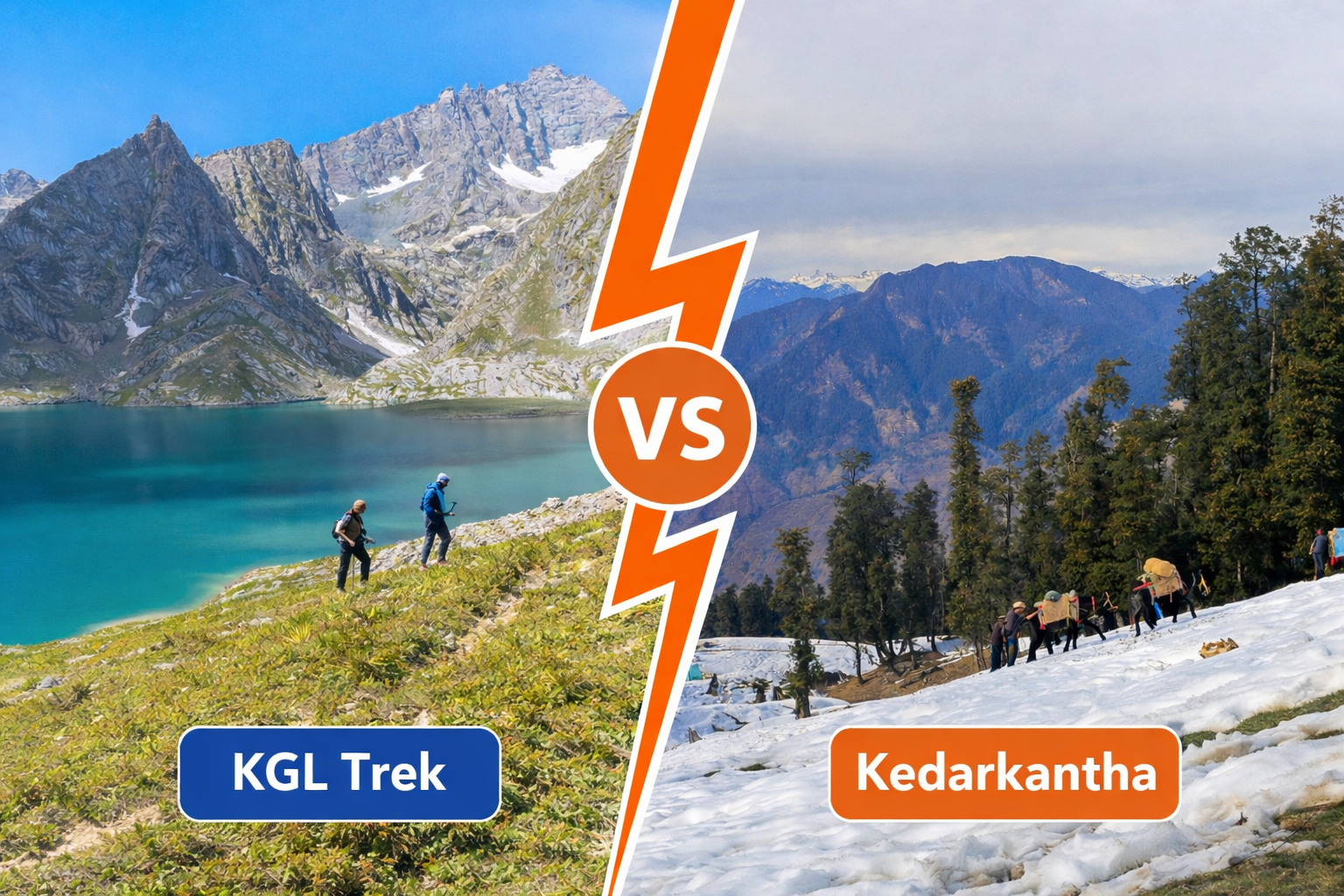
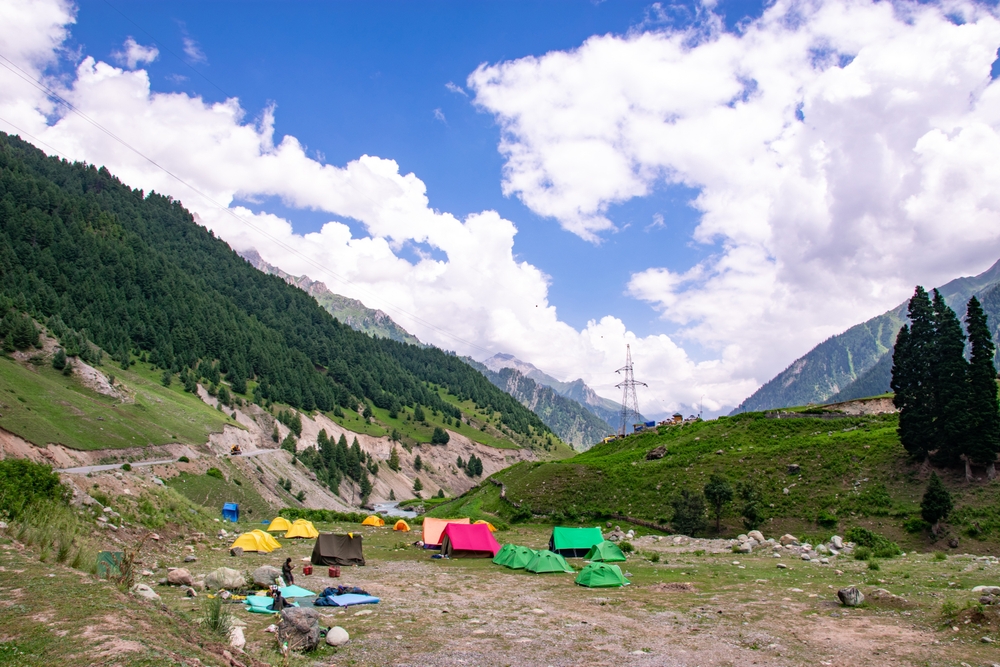
The lakes of the Kashmir Great Lakes turn turquoise blue because fine glacial rock dust remains suspended in crystal-clear water and reflects sunlight in blue and green tones.
That is the straight answer. But if you are planning this trek seriously, that one line will not satisfy you for long. When you finally stand beside those lakes after days of walking, the colour feels too intense to be explained so simply. It does not look natural at first glance. It looks staged, almost edited. And that is when the real curiosity begins.
This article walks you through the why before the how, just like I would if you were asking me over chai while planning your trek.
Why the Kashmir Great Lakes Trek Turquoise Blue Lakes Look the Way They Do
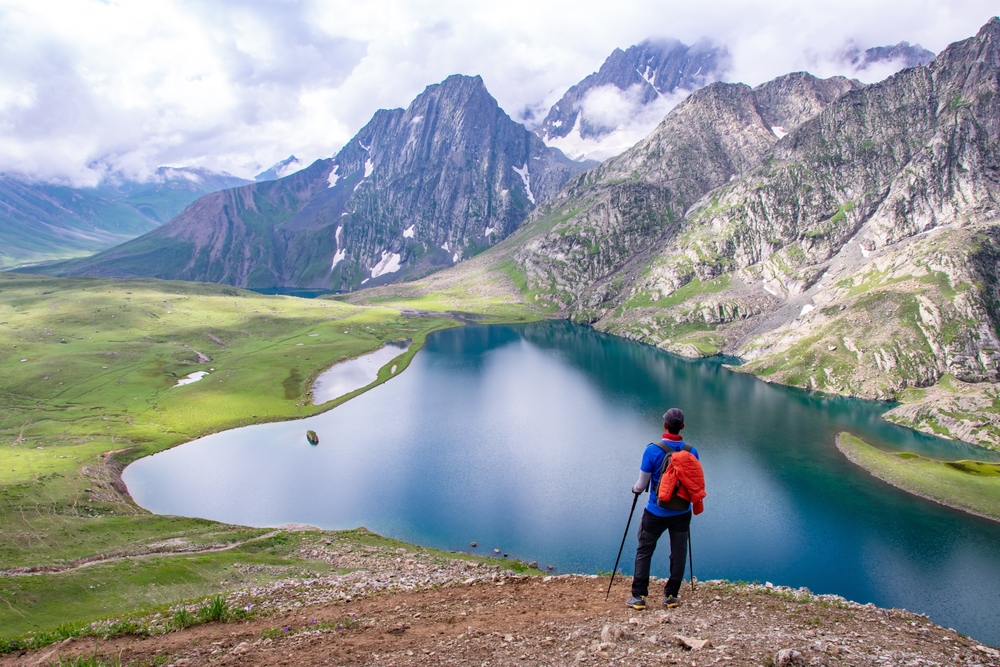
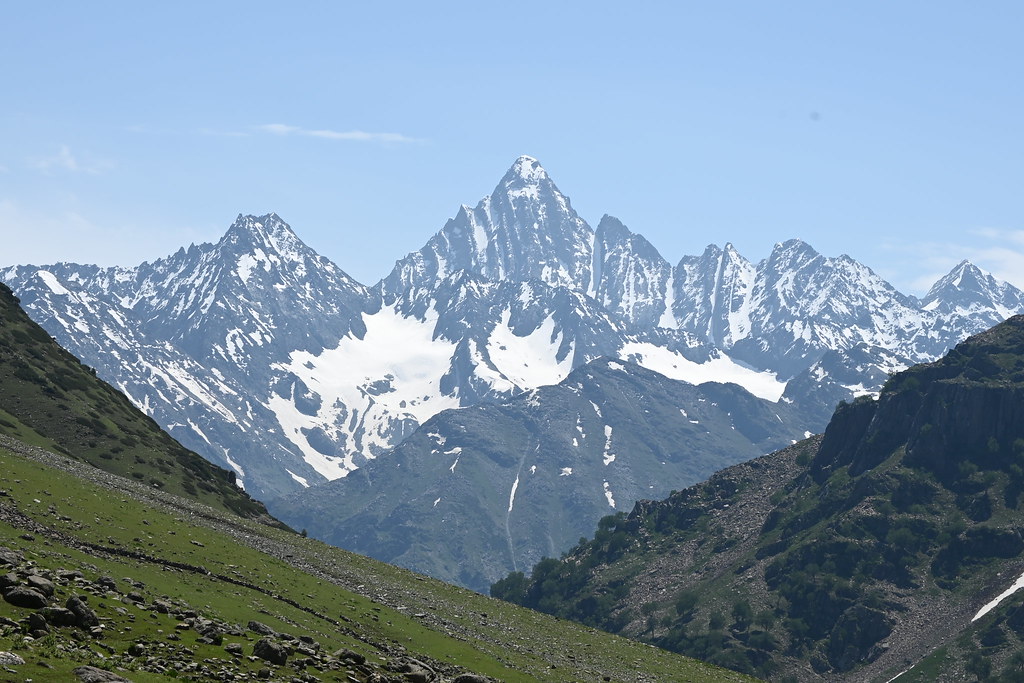
The turquoise colour begins with glaciers. Long before trekkers arrived with backpacks and cameras, slow-moving ice carved the mountains of Kashmir. As these glaciers moved, they crushed rocks beneath them into extremely fine powder. This powder is often called rock flour, and it plays the starring role in this story.
During summer, glaciers melt and feed the lakes with this mineral-rich water. The particles are so tiny that they do not settle at the bottom quickly. Instead, they stay suspended in the water and interact with sunlight. Blue and green wavelengths scatter back to your eyes, while the rest fade away. What you see is that unreal turquoise glow.
This is not a trick of the camera. It is physics happening quietly at high altitude.
Clean Water and High Altitude Make the Colour Sharper
Another big reason the Kashmir Great Lakes Trek Turquoise Blue Lakes look so vivid is the absence of human interference. These lakes sit well above villages, roads, and towns. There is no sewage, no industrial waste, and very little organic pollution entering the water.
At these heights, the air stays cleaner too. Less dust means clearer sunlight. When light enters such pure water, colours appear brighter and more defined. Even on days when the sky looks dull, the lakes often retain a soft blue shade.
If you have seen lakes near cities, you will notice the difference instantly. Here, the water feels alive and untouched.
Sunlight Changes the Colour Hour by Hour
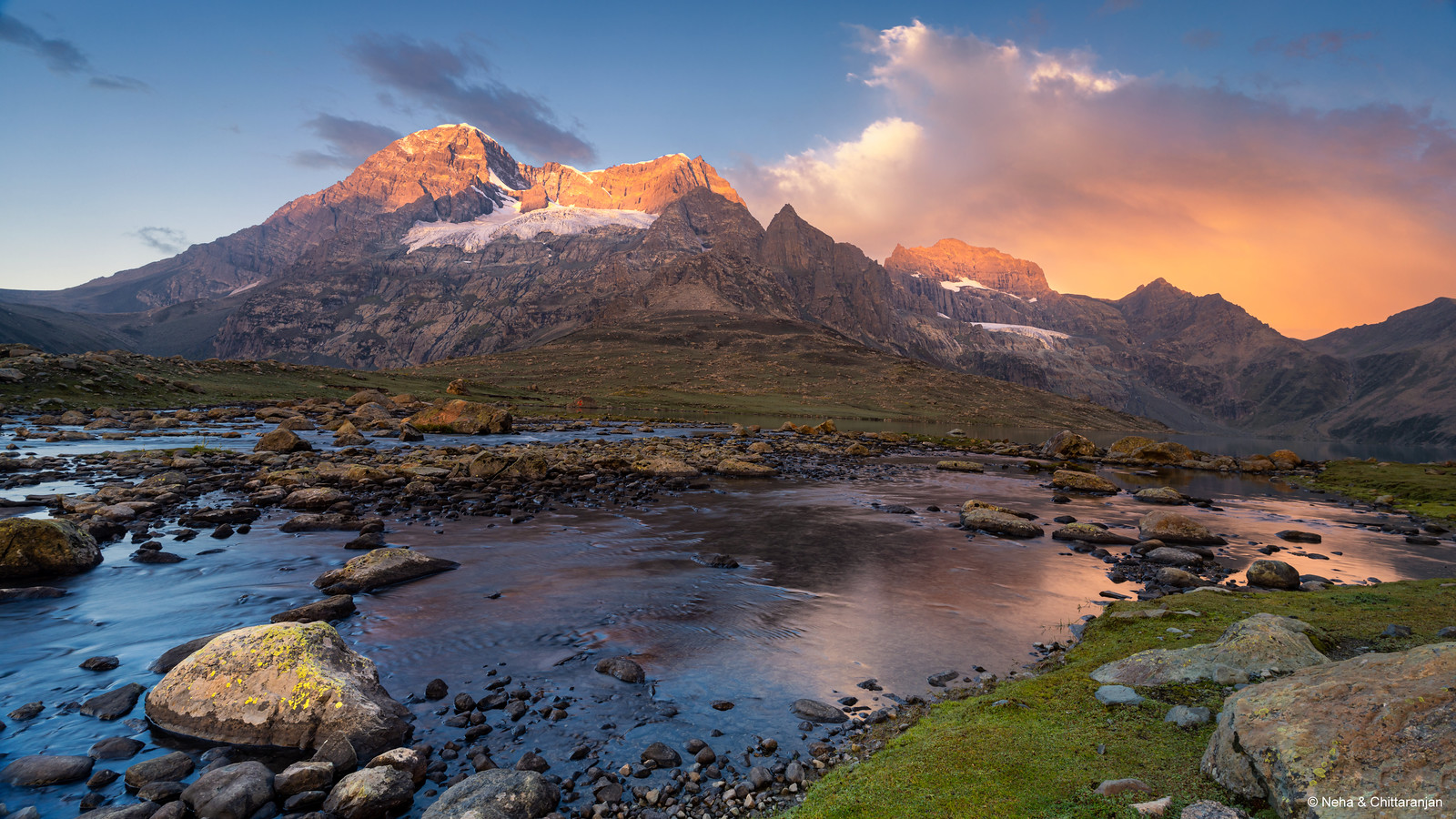
One thing many trekkers do not expect is how much the colour changes during the day. Early mornings bring calmer, deeper blues. Midday sun turns the lakes bright turquoise. By evening, the water sometimes shifts to greyish blue with silver highlights.
This happens because the angle of sunlight changes how light penetrates the water. On clear days, the effect feels dramatic. On cloudy days, the colour softens but does not disappear.
I remember sitting near Vishansar Lake on a cloudy afternoon, slightly disappointed at first. An hour later, when the clouds thinned, the lake suddenly glowed. It felt like nature rewarding patience.
Which Lakes Look the Bluest on the Route?
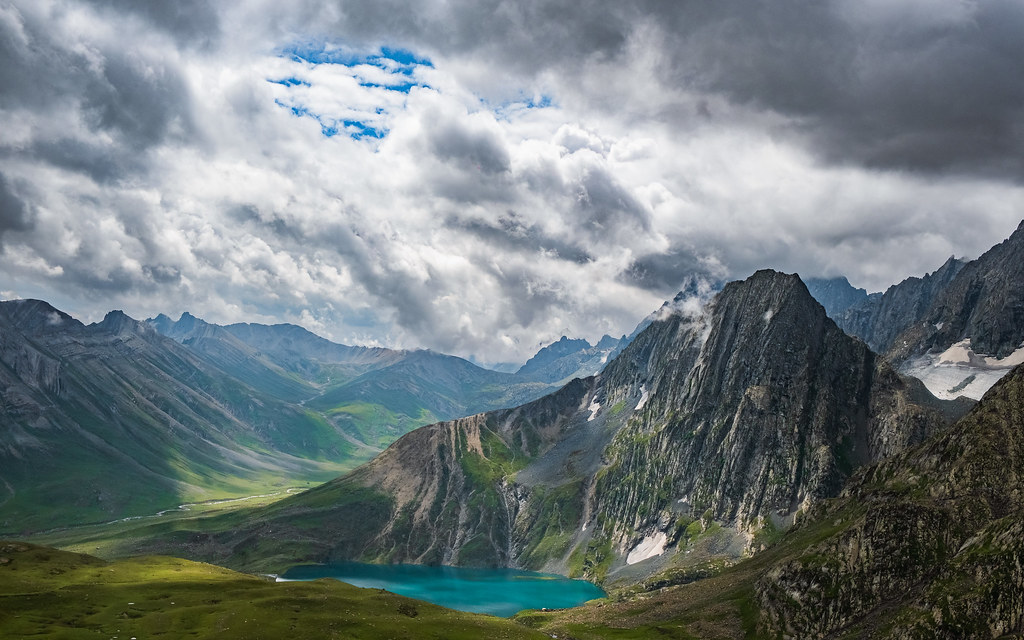
Not all lakes on the route shine the same way. Each has its own personality, shaped by depth, surrounding rocks, and glacial input.
Most trekkers agree on this rough order:
- Vishansar Lake shows the strongest turquoise shade under sunlight
- Krishansar Lake appears slightly deeper blue, especially in the morning
- Gadsar Lake often leans towards greenish blue due to surrounding meadows
- Satsar Lakes vary widely, with some pools glowing more than others
This variation keeps the trek visually engaging. You never feel like you are seeing the same lake again and again.
Weather Plays a Bigger Role Than You Expect
Weather decides how dramatic the lakes look on any given day. Clear skies amplify the turquoise effect. Light rain deepens the colour. Fresh snowfall makes the blue stand out sharply against white surroundings.
Unstable weather can change the same lake’s appearance within hours. Many people worry when clouds roll in, but cloudy light often brings a calm, moody beauty that sunny photos cannot capture.
If you come expecting postcard perfection every hour, you may feel restless. If you accept unpredictability, the trek feels richer.
Best Time to See the Turquoise Colour Clearly
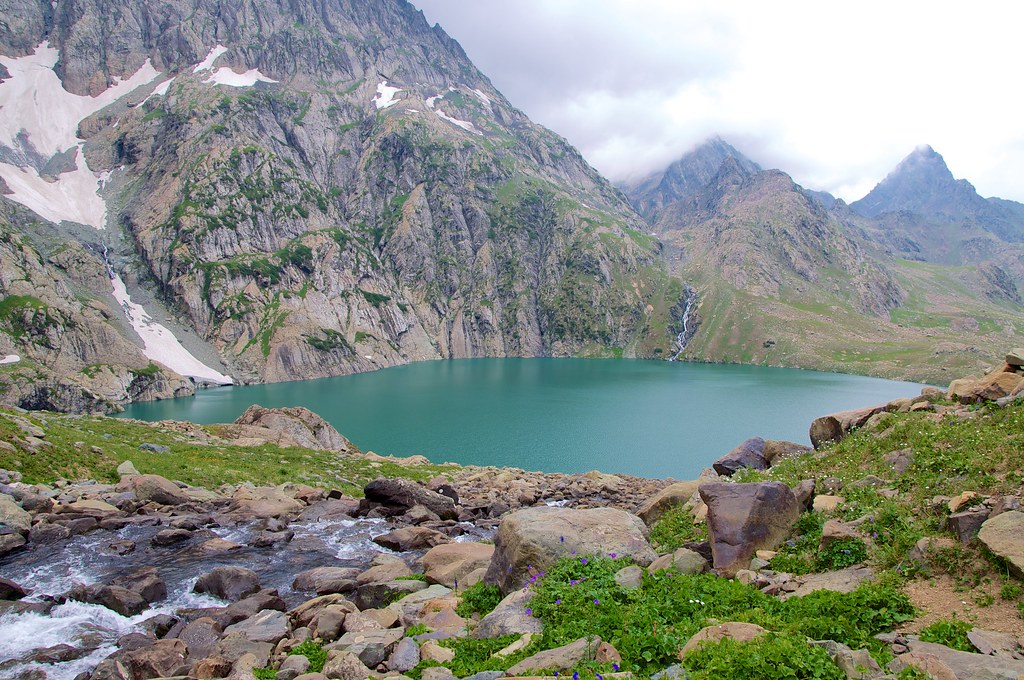
Timing matters more than people admit. The lakes do not show their full colour all year.
The most reliable window is:
- Late July to mid-September for peak colour
- August offers the best balance of weather and light
- Early mornings and late afternoons show the softest tones
Earlier in the season, snowmelt can make the water look milky. Later in the season, colder temperatures dull the brightness slightly. Planning within this window increases your chances of seeing the lakes at their best.
Why Stillness Matters More Than Photography Skills
One thing guides rarely say clearly is this. The lakes look best when the wind is calm. Ripples break reflections and reduce colour intensity. Still mornings and quiet evenings show the cleanest shades.
This is why waking up early matters. Step out before breakfast. Let the cold air sting a little. Those quiet minutes often give you views that no camera setting can improve.
I have seen people rush, click a photo, and leave. They miss the slow reveal that happens when you simply sit and watch.
What This Means for Someone Planning the Kashmir Great Lakes Trek
If you are planning the Kashmir Great Lakes Trek, understand that colour is not guaranteed every moment. Social media shows highlights, not waiting. The real experience includes long walks, tired legs, sudden rain, and shared silences.
This trek rewards those who slow down. When you stop chasing views and start observing, the lakes feel like a gift rather than an attraction.
That mindset changes how you remember the journey.
Practical Thinking Points Before You Go
A few honest considerations help set expectations:
- Midday light shows the brightest turquoise shades
- Rain does not ruin views and often enhances colour
- Crowded camps affect peace, not the lake colour
- Patience matters more than fitness at these spots
Keeping these in mind prevents disappointment and helps you enjoy the trek as it unfolds.
How Locals View These Lakes
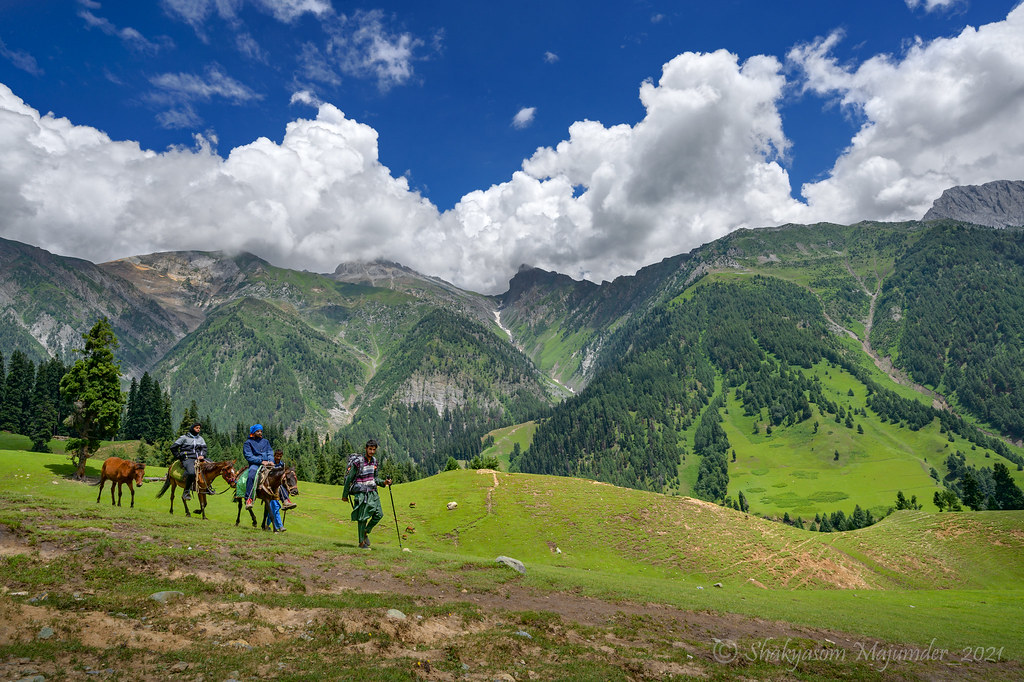
For local shepherds, these lakes are not photo spots. They are water sources, grazing markers, and seasonal companions. The colour is beautiful but familiar. Some believe the lakes reflect the mood of the mountains themselves.
Science explains the colour. Belief explains the emotion. Both coexist here without conflict, adding depth to the experience.
Listening to local stories often makes the walk feel more meaningful.
How the KGL Trek Changes the Way You See Colour
The KGL Trek does something subtle. It trains your eyes. After days of walking, your mind slows down. Colours feel sharper. Silence feels heavier. You start noticing details you would normally ignore.
The water does not change much year to year. You do.
That is why people return, even after seeing the lakes once. The Kashmir Great Lakes Trek Turquoise Blue Lakes are not just about colour. They are about how nature rewards attention.
When you finally stand beside that glowing water, tired and quiet, one question remains worth asking. Are you seeing just the blue, or are you seeing everything that brought you there?
FAQs
Do the lakes stay blue in winter?
No. Frozen surfaces and snow cover hide the colour almost completely.
Can you swim in these lakes?
Swimming is not advised due to extreme cold and environmental concerns.
Are the lakes always turquoise?
No. Light, weather, and season change how they look.
Which lake is most photogenic?
Vishansar often wins, but personal moments shape favourites.