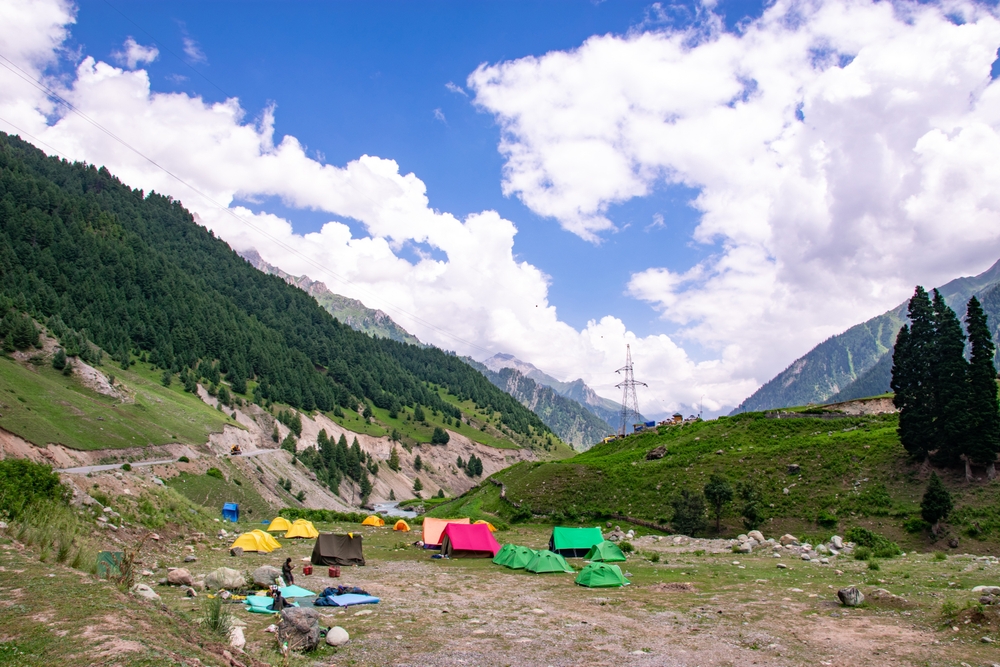
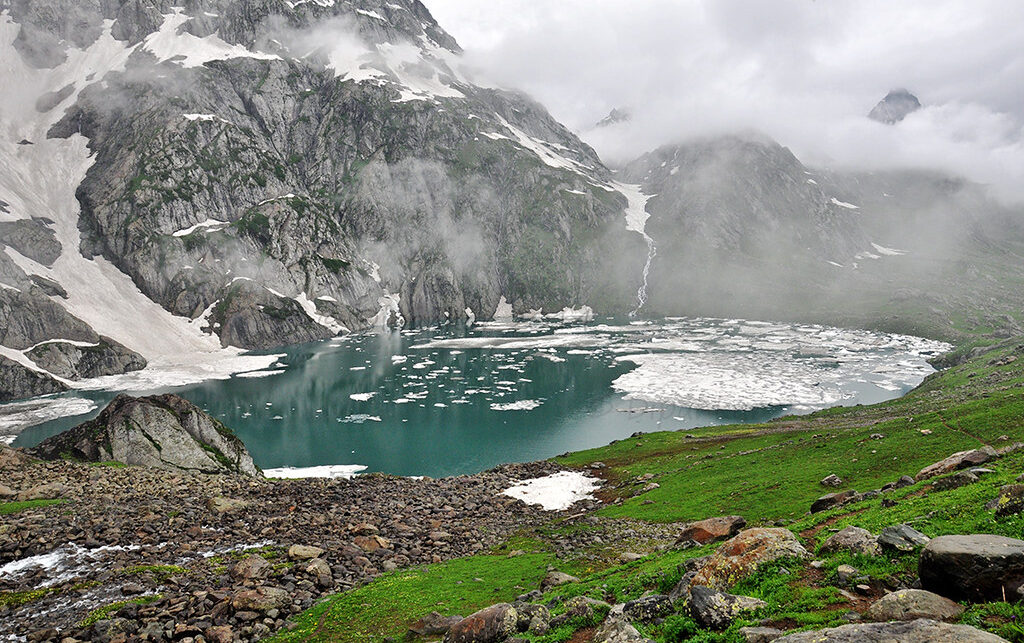
Floating ice appears on the Kashmir Great Lakes Trek from late June to early August because lakes that remain frozen all winter begin breaking apart in summer. Trekkers who arrive early in the season often see thick slabs drifting calmly across the lake surface. By August, this ice thins out, and by September, most lakes turn completely clear.
If that answers your core doubt, you already know half of what matters. The rest is about understanding what this ice really means for your trek, your comfort, and your decisions on the trail.
Floating Icebergs on Kashmir Great Lakes Trek: The Real Reason Behind the Ice
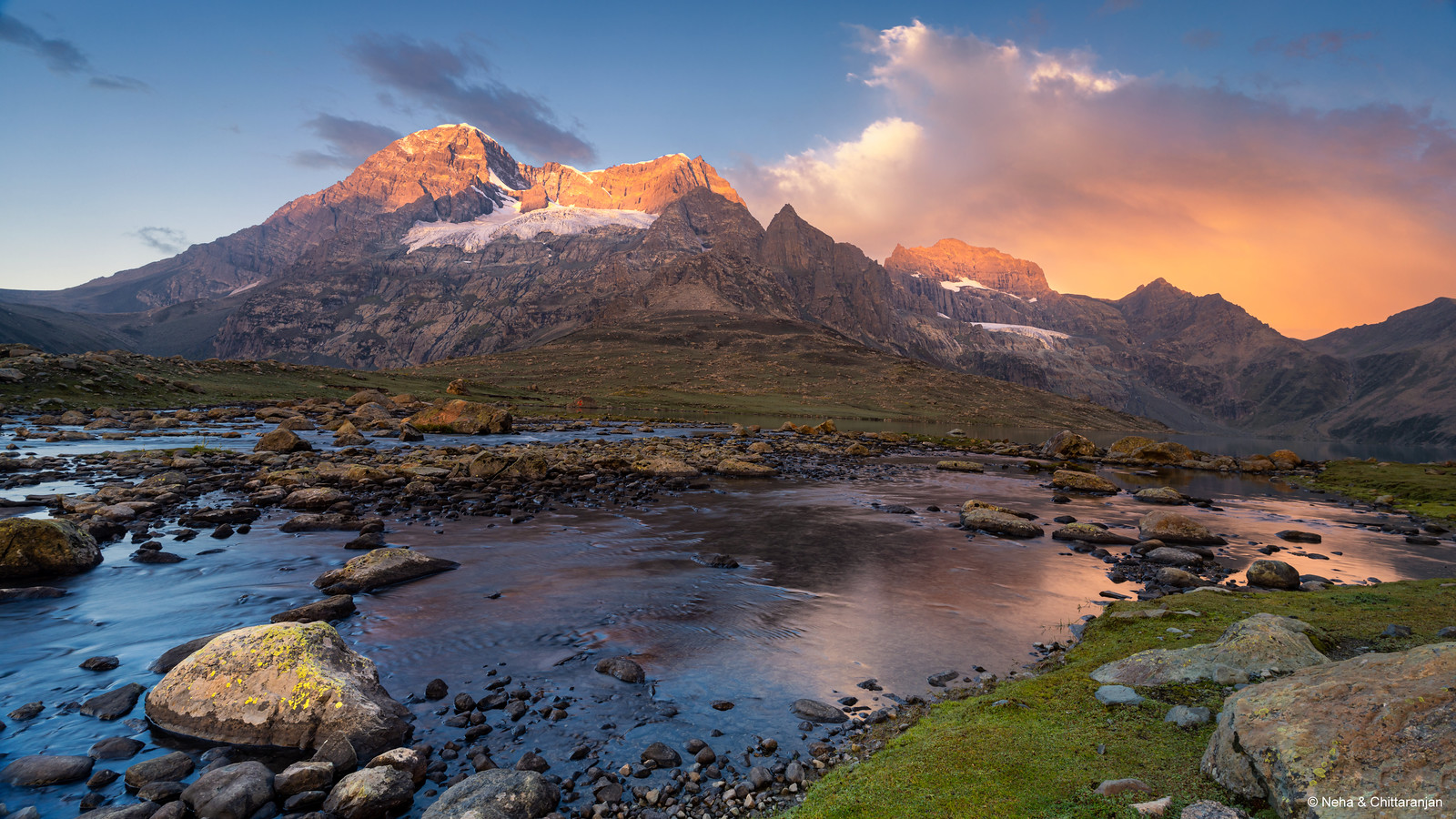
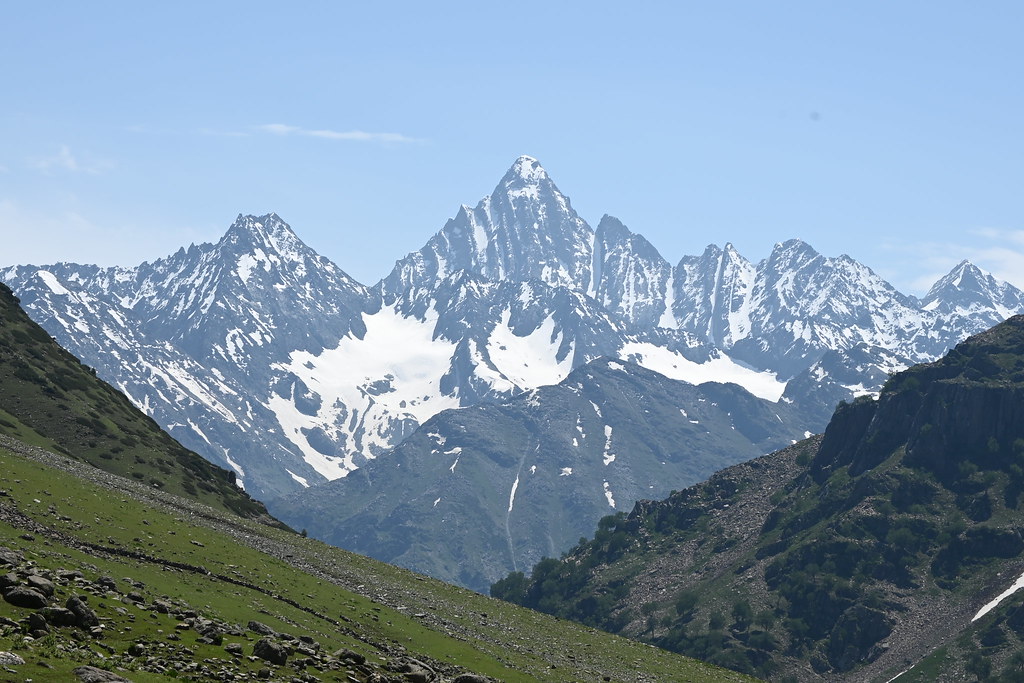
The lakes on this trail sit far above the tree line. Winter here is not a short phase. It dominates the calendar. Snow piles up for months, sealing the lakes under solid ice that can stay intact till early summer.
When the sun finally gains strength, melting does not happen evenly. Daytime heat softens the surface. Night cold hardens what remains. Cracks form slowly. Large sheets break away and begin to float. Ice floats because it is lighter than water, but the story does not end there.
These lakes are constantly fed by snowfields and glaciers above them. Meltwater keeps the lake temperature extremely low. That cold water slows melting further. The result is floating ice that survives long after the air feels warm.
This is why floating icebergs on Kashmir Great Lakes Trek are not a rare event. They are part of the natural rhythm of these mountains.
When You’ll See Ice on the Kashmir Great Lakes
Ice presence depends less on luck and more on timing. Each part of the season has its own personality, and the lakes reflect that clearly.
Early-season trekkers encounter a raw landscape. Snow patches linger. Ice dominates the water. Late-season trekkers see softer colours and gentler conditions.
In most years, the pattern looks like this:
- Late June to early July brings heavy ice sheets and large floating slabs
- Mid July shows broken ice drifting across open water
- August has smaller chunks near shaded edges
- September is mostly ice-free
Weather always plays a role, but this rhythm repeats often enough to plan around it.
Which Lakes Hold Ice the Longest
Not every lake on the trail behaves the same way. Altitude, depth, and sun exposure decide how long ice survives.
Based on repeated trekking seasons, these lakes usually hold ice the longest:
- Gadsar Lake, deep and heavily fed by snowmelt
- Vishansar Lake, high and cold for most of the year
- Kishansar Lake, which clears earlier due to more sunlight
On one trek, I saw Gadsar still half-frozen while Kishansar had already turned deep blue. That contrast often surprises first-time trekkers.
Early Season vs Late Season: Which Should You Choose?
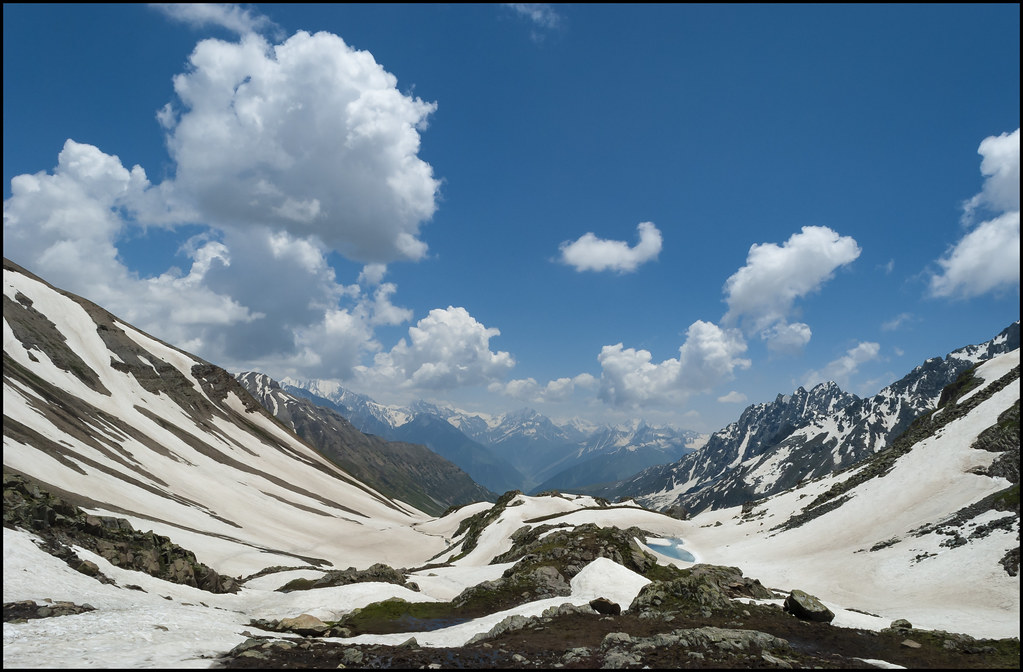
This is where most trekkers pause. Ice looks tempting, but comfort matters too.
Here is a clear comparison to help you decide:
Factor | Early Season (June–July) | Late Season (Aug–Sept) |
Ice presence | Heavy | Minimal or none |
Difficulty | Higher | Moderate |
Night temperatures | Very cold | Milder |
Crowd levels | Fewer | More |
Landscape feel | Raw and stark | Lush and green |
If you enjoy dramatic scenery and do not mind cold mornings, early season fits you well. If you prefer easier walks and warmer camps, late season feels kinder on the body.
The KGL Trek rewards honesty. Choose based on how you handle discomfort, not just what looks good in photos.
What Floating Ice Means for Your Trek Experience
Ice changes the rhythm of your days. Mornings feel sharper. Gloves become essential even in July. Camps near lakes stay colder longer than expected.
Water crossings feel icy and demand patience. Sunlight reflects strongly off ice, making afternoons brighter but not warmer. These small shifts add up over days.
None of this is a problem if you expect it. When you do not, it becomes a struggle.
Safety Around Lake Ice
Floating ice itself is not dangerous. Poor judgement is.
A few practical points matter here:
- Lake edges can be slippery in early mornings
- Ice near the shore may crack under weight
- Stepping onto ice is never safe
- Water crossings get tougher as snow melts through the day
Local guides read these signs naturally. Trust their calls. Mountains rarely forgive rushed decisions.
Climate Change and Changing Ice Patterns
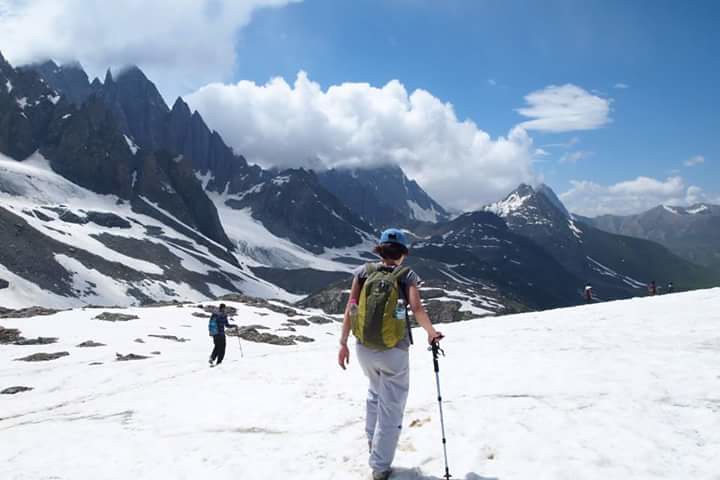
Many experienced guides say the ice used to last longer. Lakes stayed frozen deeper into July. These days, patterns shift more often.
Some years bring heavy ice. Some melt early. Sudden warm spells change conditions quickly. Climate change has reached these valleys quietly, without headlines.
That makes every sighting of floating ice feel temporary. You are witnessing a balance that may not always exist.
Why Locals Treat Floating Ice as Normal
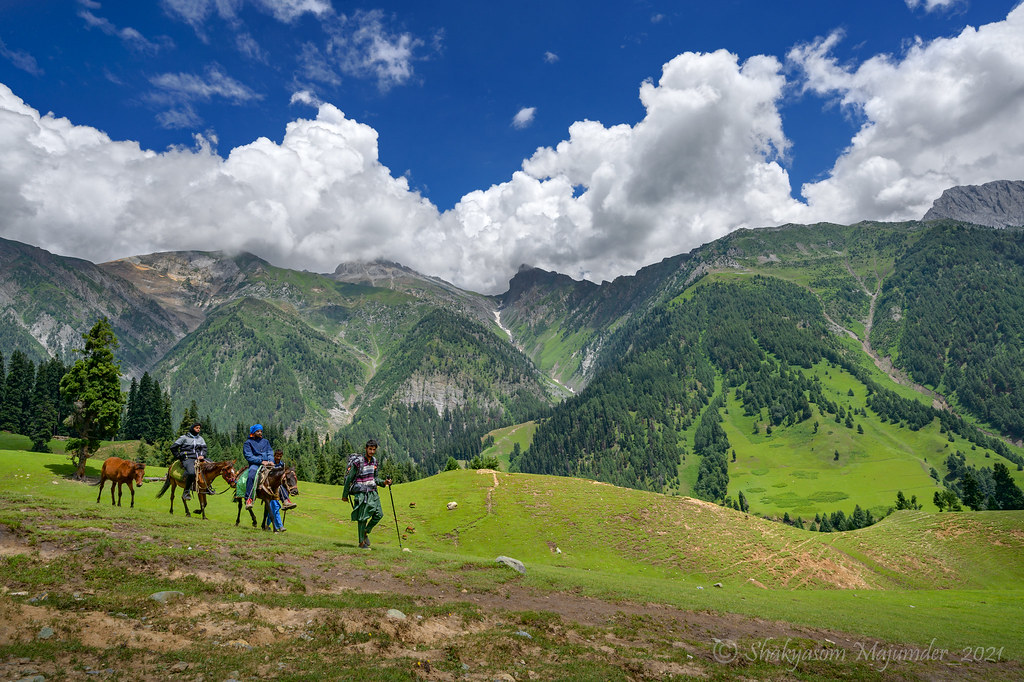
For shepherds and pony handlers, floating ice is routine. It does not slow their work or change their plans.
They drink from icy streams without hesitation. They camp beside frozen water without complaint. Their calm presence helps trekkers relax too.
It reminds you that this trail is not just a destination. It is a lived landscape.
Common Questions About Ice on Kashmir Great Lakes
Is there ice on Kashmir Great Lakes in July?
Yes. Most years, July still has visible ice, especially at Gadsar and Vishansar.
Which lake has the most ice?
Gadsar Lake usually holds ice the longest due to its depth and snow-fed inflow.
Is it safe to trek when there is ice?
Yes, with proper preparation and by following guide advice closely.
Can you walk on the ice?
No. Ice thickness changes daily and cannot be judged safely.
Floating Icebergs on Kashmir Great Lakes Trek: What You Should Carry in Mind
Floating ice is not just a visual reward. It is information. It tells you about altitude, temperature, and the season you chose. It asks you to slow down and respect where you are standing.
The Kashmir Great Lakes Trek tests patience as much as stamina. Ice adds effort, but it also adds silence, contrast, and moments that stay with you long after the trek ends.
When you finally stand beside a half-frozen lake under a wide Kashmiri sky, the question is no longer why the ice floats. It is whether we are ready to walk gently enough for such sights to keep returning.