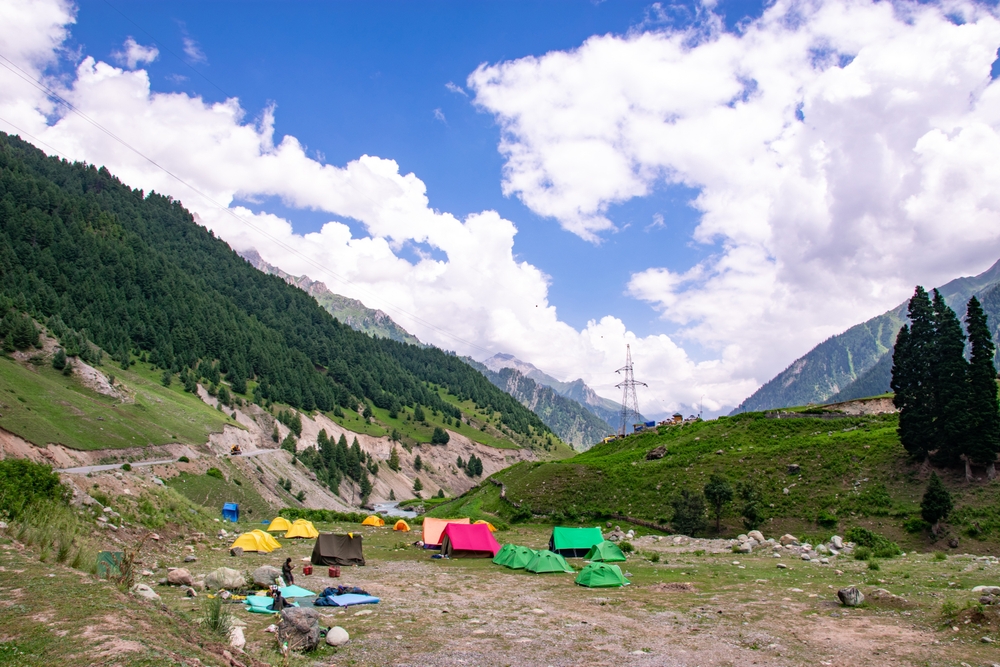
Kashmir Great Lakes trek cost comes to around ₹17,000 per person for a Srinagar-to-Srinagar package, based on standard company pricing. This total depends on what’s included, such as transport, permits, meals, and camp stay. Below, we break the cost head by head, so you can see clearly what you’re paying for and decide if it fits your plan.
- Average trek package cost: ₹15,500 per person (Sonamarg to Sonamarg).
- Transportation cost: ₹1,500 per person (Srinagar to Srinagar).
- Total cost to plan for: ₹17,000 per person.
- Duration covered in this cost: Full multi-day trek, from reporting day to exit day.
- What’s usually included: All vegetarian meals, campsite stay, tents and sleeping gear, experienced trek leaders and staff, safety equipment, permits, and insurance.
- What’s usually excluded: Lunch on the first day, personal expenses, and anything not listed in inclusions.
- Ideal buffer budget: Keep ₹2,000–₹3,000 extra for personal needs or optional porter service.
Prices can still feel different across operators, even for the same route. Why? Group size, staff experience, food quality, safety backup, and how well logistics are handled all affect the final KGL trek price. On a long, remote trek like this, those small differences often matter more than saving a few hundred rupees.
Inclusions in Kashmir Great Lakes Trek Cost
The Kashmir Great Lakes trek cost covers all the essentials needed to complete the trek safely and comfortably, without cutting corners. Here’s what is included in the standard package, broken down simply.
- Accommodation (camp stay): You stay in high-quality tents at all campsites. Tents are on a double-sharing basis and are set up at scenic, safe locations near water sources. Sleeping bags and sleeping mattresses are provided, so you don’t need to carry bulky gear from home.
- Meals (all trek days): The package includes breakfast, lunch, evening snacks, and dinner on trek days. Food is vegetarian, hot, and planned to keep energy levels steady at altitude. Dishes are rotated, so meals don’t feel repetitive after a few days on the trail.
- Trek staff and support team: Experienced mountaineering trek leaders, local guides, and trained cooks accompany the group throughout. These are people who know the route, weather patterns, and camps well, which matters more than most trekkers realise on long alpine walks.
- Permits and forest fees: All required passes and permits for the Kashmir Great Lakes route are arranged and included. You don’t have to run around offices or worry about paperwork in an unfamiliar region.
- Safety gear and medical support: Basic mountain medical support is part of the setup. This includes a first-aid kit and an oxygen cylinder for emergencies. On a remote trek like this, that backup brings real peace of mind.
In short, the cost takes care of the core trek experience, letting you focus on walking, breathing, and soaking in those endless blue lakes.
What Is Not Included in the Trek Cost
The trek cost does not cover a few personal and travel-related expenses, which you should plan for separately. These exclusions are common across most Kashmir Great Lakes trek packages and are easy to manage if you know them in advance.
- Travel to Srinagar: Flights or train tickets to reach Srinagar are not part of the trek cost. You arrange these on your own, based on your city and travel preference.
- Personal gear rental: Items like trekking shoes, jackets, backpacks, or trekking poles are not included. If you don’t own them, you can rent them separately before the trek.
- Emergency evacuation: While basic medical support and oxygen are available on the trek, any emergency evacuation or hospitalisation costs are not included.
- Personal expenses: This covers things like snacks you buy on the way, tips, phone charging, souvenirs, or anything else you spend on for personal comfort.
- Lunch on the first day: The first day’s lunch is not included, as travel timings can vary.
These exclusions matter because they shape your real budget. Many trekkers focus only on the headline price and forget these small add-ons. Planning for them early avoids last-minute stress and keeps your trek experience smooth and worry-free.
Kashmir Great Lakes Trek Cost Breakdown (Expense-Wise)
Travel Cost to Srinagar
Reaching Srinagar is the first cost you plan for, and it changes a lot with timing. Flights are the fastest option, but prices swing wildly between peak summer and shoulder weeks. Book late in July, and fares jump. Book early in June, and you usually breathe easier.
Trains take longer and need a road leg at the end, yet they feel gentler on the wallet if you plan ahead. Add a short taxi or shared cab ride to close the gap. In short, season and booking window decide most of this cost, not distance alone.
Trek Package Price
The trek package forms the core of what you pay on the trail. Most operators cluster around a similar band because the route, camps, and permits are fixed. What changes is the experience. Smaller groups, experienced leaders, better food planning, and stronger safety backups cost more to run.
Budget options often stretch group size and trim comforts. Premium setups invest in staff ratios and logistics. That’s why the KGL trek price can feel different even on the same map. Group size matters too. Fewer trekkers mean better support, but a slightly higher per-person cost.
Permits, Fees & Documentation Cost
All trekkers need official permits to walk this route, and these are usually handled by the trek operator. Forest permissions and local passes are mandatory in Kashmir.
In standard packages, these fees are already included, so you don’t stand in queues or chase signatures. If you trek independently, you handle the paperwork yourself and absorb the cost directly. For most people, bundled permits save time and nerves.
Gear Rental Cost (Optional but Common)
Gear rental is optional, yet many first-timers choose it to travel light.
- Trekking shoes for grip and ankle support
- Insulated jackets for cold nights
- Sleeping bags if you prefer personal comfort
- Trekking poles for long descents
Renting makes sense if this is your first high-altitude trek. Buying everything upfront can feel like overkill. Rental costs depend on quality and duration, not brand names. Choose gear that fits well and feels broken in. Comfort on the trail often matters more than owning a shiny new kit.
Budget vs Premium Kashmir Great Lakes Trek Packages
Budget and premium Kashmir Great Lakes trek packages differ mainly in comfort, support, and how crowded the experience feels. The trail stays the same, but the way you walk it can feel worlds apart.
Budget trek packages usually mean:
- Larger group sizes, often 18–25 trekkers moving together
- Basic camps, functional tents with fewer shared spaces
- Lower staff-to-trekker ratio, so guides juggle more people
- Simple, filling meals, focused on calories over variety
Premium trek packages usually offer:
- Smaller groups, which makes the trek feel calmer and more personal
- Better camp comfort, with well-organised dining tents and warmer sleep setups
- Higher staff ratio, so help is always close on tough days
- More thoughtfully planned food, especially after long climbs
Here’s the honest part. Both options get you to the lakes. The difference shows on hard days, when the weather turns or legs feel heavy. Some trekkers are fine adjusting their pace in a crowd.
Others value space, attention, and quiet camps. The Kashmir great lakes trek cost often reflects that choice. Ask yourself this. Do you want to finish the trek, or enjoy every step along the way?
How KGL Trek Duration Affects Overall Cost
Longer trek itineraries usually cost more because every extra day adds real expenses on the ground. Camps need to be set up, staff stays longer, food supplies increase, and safety support runs for more days. Even when daily walking feels relaxed, the logistics behind the scenes keep ticking.
Many itineraries also include buffer days. These act as a safety net for bad weather or slow acclimatisation. In the mountains, weather rarely follows the plan. A spare day can mean the difference between a rushed exit and a safe descent. That buffer has a cost, but it also buys peace of mind.
A common myth is that a shorter trek is always cheaper. That’s not always true. Cutting days often means longer daily walks, tighter schedules, and fewer rest windows. Operators may still need the same staff and permits. Sometimes, a well-paced itinerary offers better value than a rushed one.
Is Kashmir Great Lakes Trek Cost Worth It?
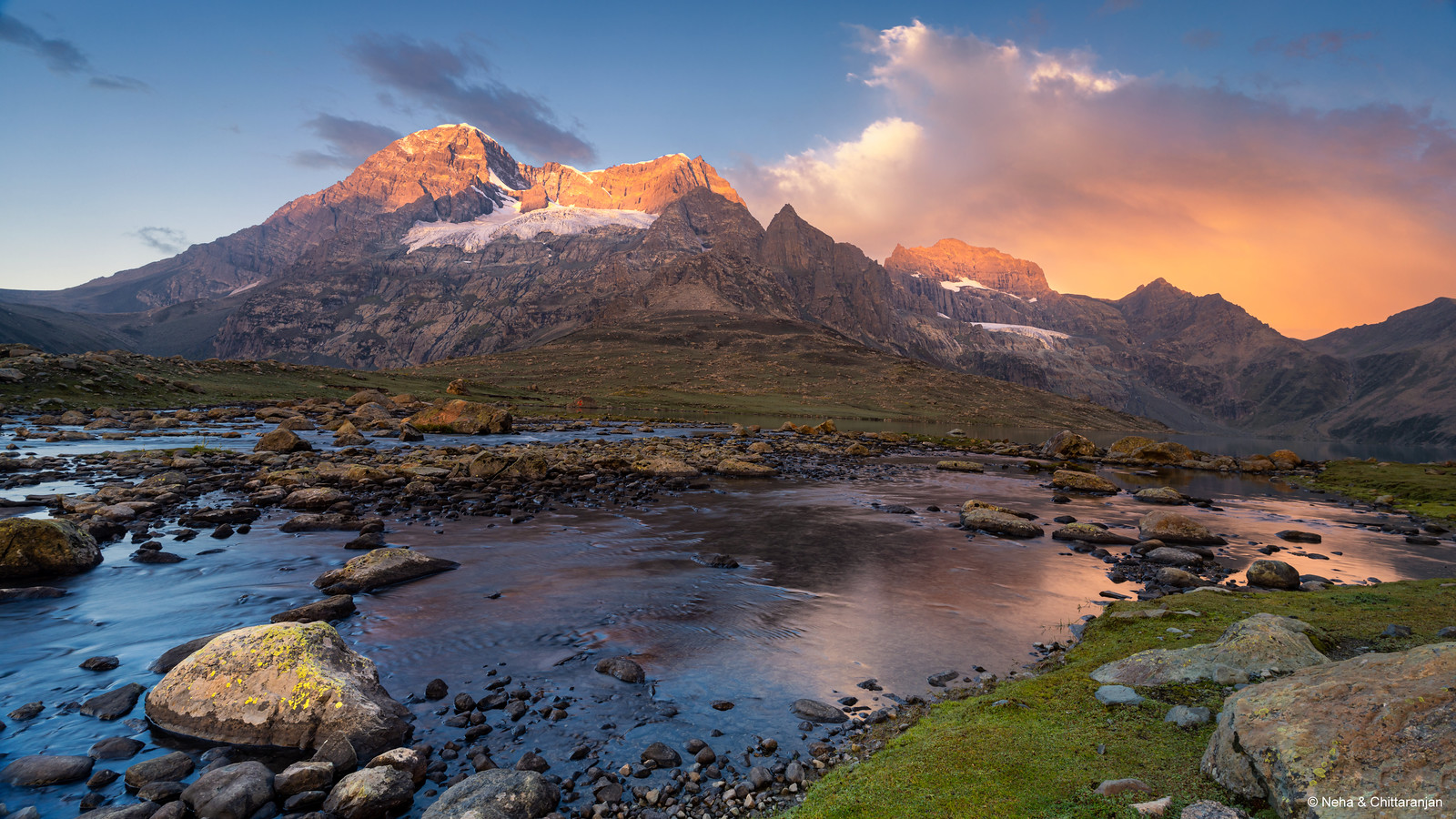
Yes, the Kashmir Great Lakes trek cost feels worth it when you measure what you see against what you pay. Few Himalayan treks pack this much variety into a single route. On many trails, you walk for days to reach one big viewpoint. Here, a new lake greets you almost every morning.
The real value lies in scenic density. Wide meadows, turquoise lakes, and high passes arrive one after another. There’s little filler. You are walking through postcard scenes, not just towards them. And while the setup is simple, the experience feels rich in the ways that matter.
- Several alpine lakes spread across one continuous trail
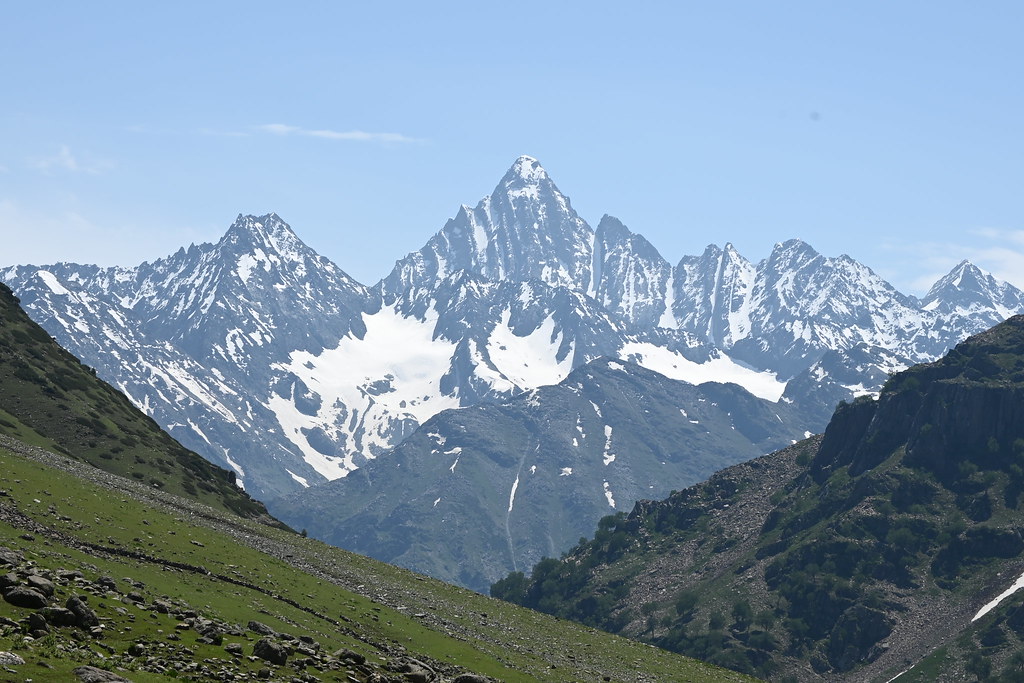
- Big mountain views without technical climbing
- Remote camps that still feel safe and organised
- A strong sense of place, far from roads and crowds
This trek is not about soft beds or fancy meals. It’s about waking up to silence, cold air, and blue water under open skies. If that’s your idea of value, the cost makes sense.
Common Mistakes That Increase Trek Cost
- Booking late: Flights and logistics spike closer to peak season.
- Overpacking and extra rentals: Heavy bags often lead to porter costs you didn’t plan for.
- Choosing the cheapest operator blindly: Low prices can mean crowded groups or weak support.
- Skipping insurance: Saving a little upfront can cost a lot during emergencies.
In the mountains, rushed decisions usually cost more than slow, careful planning.
FAQ's
Is Kashmir Great Lakes Trek open now?
The Kashmir Great Lakes trek is open only during the summer trekking window (july-september), not year-round. The route usually opens once snow melts on the high passes and closes again before fresh snowfall begins. Weather decides everything here. Even during the season, sudden rain or snow can pause departures for a few days. That’s normal in Kashmir. Before locking flights, always check current trail conditions. Mountains don’t follow calendars. They follow their own mood.
What is the price of the Kashmir Great Lakes Trek package?
The Kashmir Great Lakes trek package price is ₹15,500 per person for the Sonamarg-to-Sonamarg trek. If you include transportation from Srinagar to Srinagar, add ₹1,500 more. That brings the total to ₹17,000 per person. This price already covers meals, camps, permits, trek staff, safety gear, and insurance. Optional porter service for offloading costs extra. Knowing this upfront helps you plan without guesswork.
Which is the cheapest month to visit Kashmir?
Early and late season weeks are usually the cheapest time to visit Kashmir. June and September often see lower flight prices compared to peak July and August. Tourist crowds are thinner too. Weather can be less predictable, but costs stay lighter. If you’re flexible with dates and okay with mild uncertainty, these shoulder weeks often offer better value.
What is the alternative to the Kashmir Great Lakes Trek?
If you want a similar feel with fewer logistics, the Tarsar–Marsar trek is a strong alternative. It also offers alpine lakes, meadows, and quiet camps, but with a shorter duration. Some trekkers prefer it when time is tight or when high passes feel intimidating. Still, if you want maximum variety in one journey, the Great Lakes route remains hard to beat. Which matters more to you—depth or ease?