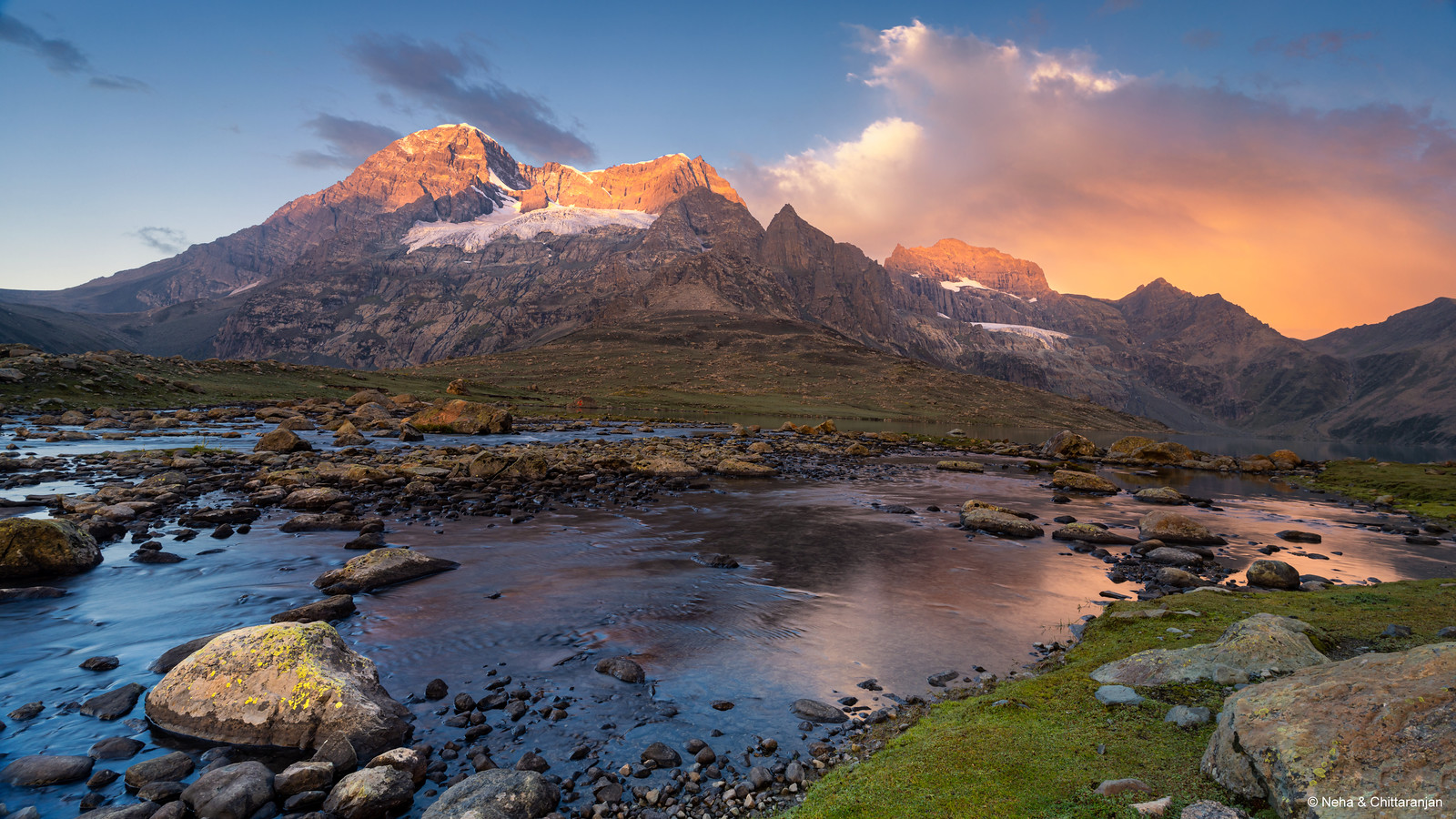
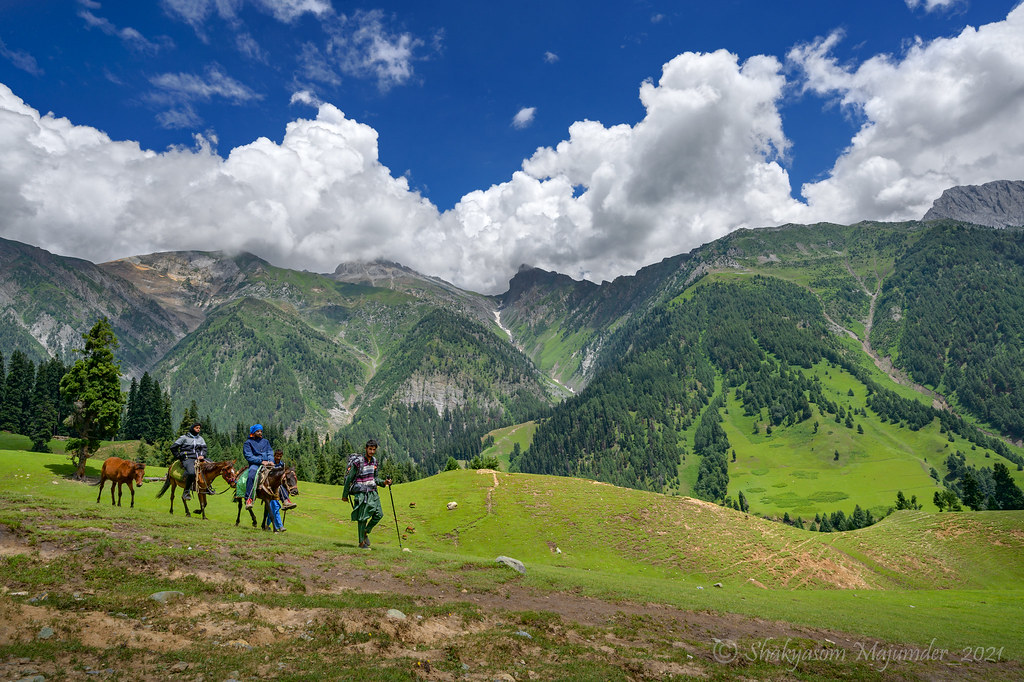
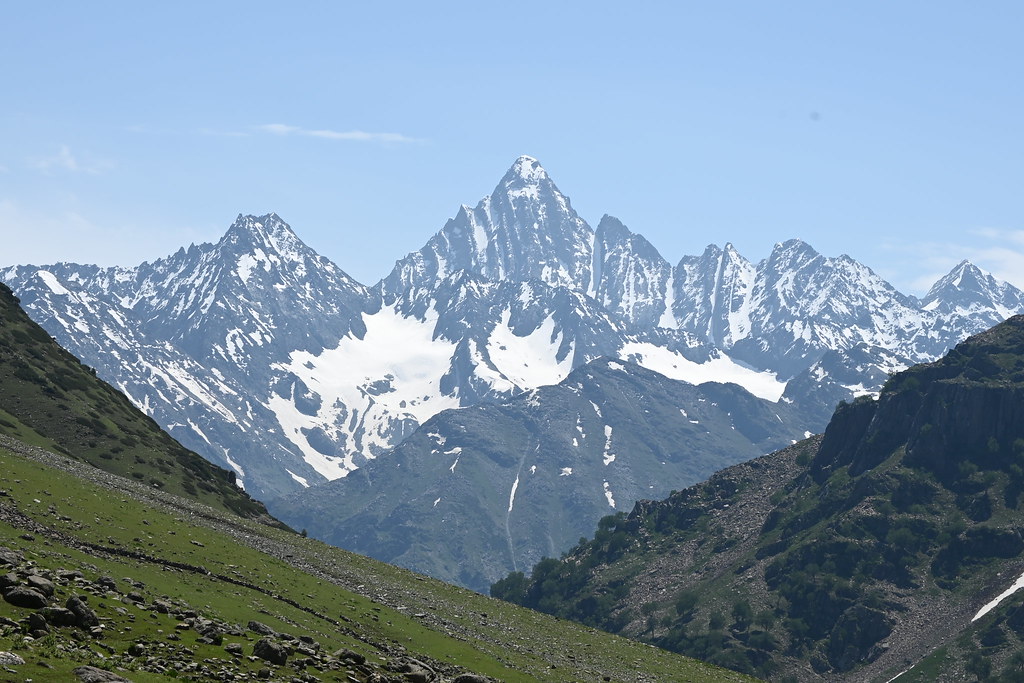
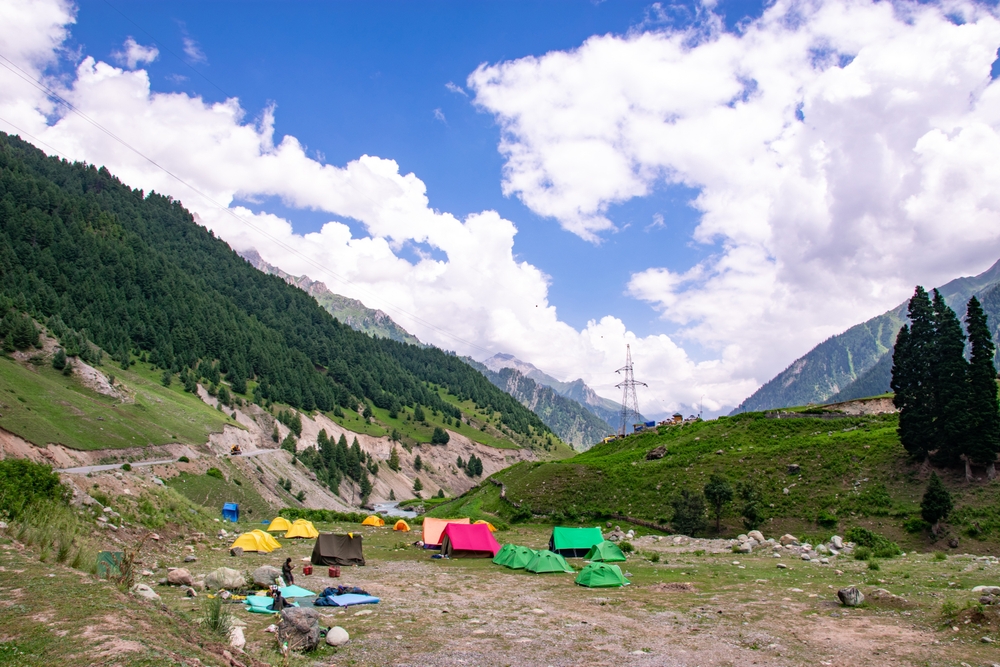
Shitkadi basecamp sits at roughly 2,370–2,600 metres, about 5 kilometres beyond Sonamarg and right beside the Sindh River. This is the official starting point for the Kashmir Great Lakes Trek. This page explains exactly what happens from the moment you arrive until you sleep on your first night.
If you know how arrival day works, half your trek planning stress disappears.
Where Shitkadi Is and Why Treks Start Here
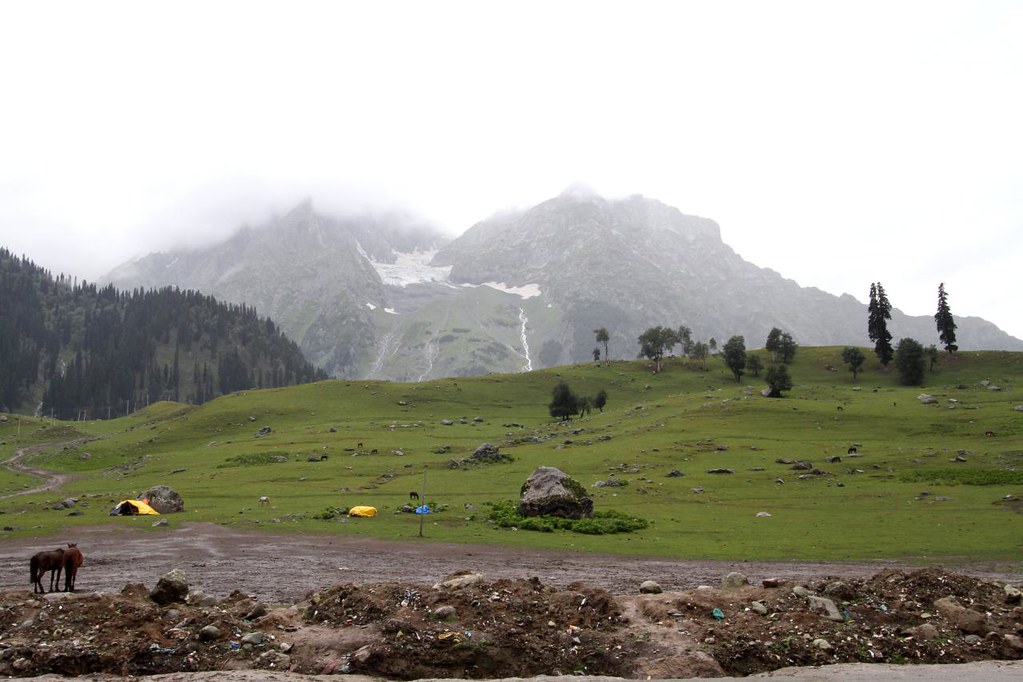
Shitkadi is a wide alpine meadow chosen for one reason – safe acclimatisation. After a long road journey from Srinagar, your body needs time to adjust before trekking begins. This altitude allows that adjustment without pushing you too hard on day one.
The meadow is flat, open, and close to water sources. That makes it ideal for organised camping, health checks, and group coordination. This one night is not about adventure. It is about preparation.
Drive to Shitkadi: Distance, Route, and Timing
Day 0 usually begins in Srinagar. We arrange group transport so everyone reaches together and on time.
- Distance from Srinagar: 75–90 km
- Driving time: 3–4 hours
- Route: Srinagar → Ganderbal → Kangan → Sonamarg → Shitkadi
Pickups are commonly scheduled at 10:00 AM from locations like Nishant Garden or the Dal Lake. After Kangan, the road follows the Sindh River and the mobile network gradually fades.
Army Check-post and ID Requirements
All vehicles entering Shitkadi pass through an army check post. This is routine and applies to everyone.
You must carry:
- One original government-issued photo ID
- Two photocopies of the same ID
Aadhaar card, voter ID, or passport are accepted. Foreign nationals must carry passport and valid visa documents. Keep these accessible, not packed deep inside your bag.
Arrival Timeline: What the First Few Hours Look Like
Arrival usually happens between 2:00 PM and 4:00 PM. The schedule is kept deliberately relaxed.
- Arrival: Vehicles park near the meadow
- Next 30 minutes: Tent allocation and bag placement
- Within 1 hour: Tea and light snacks
- Late afternoon: Trek briefing and health checks
- 7:00–8:00 PM: Dinner
- By 9:00 PM: Rest time
There is no trekking on this day. The focus is rest and adjustment.
Campsite Facilities at Shitkadi Basecamp
Facilities here are basic but well managed. This is a high-altitude campsite, not a hotel.
You can expect:
- Dome tents on twin or triple sharing
- Clean dry pit or bio-toilets
- Safe drinking water provided by our team
- A separate dining tent
Charging is not guaranteed. Limited charging may be possible at the kitchen generator, but you should arrive with fully charged power banks. Network coverage is usually unavailable.
Food and Hydration on Arrival Day
Hot tea and light snacks are served soon after you settle in. This helps with warmth and hydration after the drive.
Dinner is served early, usually between 7:00 and 8:00 PM. Meals are warm, simple, and easy to digest. Heavy or oily food is avoided on purpose to help you sleep better at altitude.
We encourage steady hydration through the afternoon and evening, even if you do not feel thirsty.
Health Check: What We Measure and Why
Health checks are a core part of how we operate at Shitkadi. Each trekker undergoes basic monitoring.
We usually check:
- Oxygen saturation (normal here is around 95–98%)
- Resting pulse rate
These readings give us a baseline. If oxygen levels are low or pulse is consistently high at rest, we observe closely and guide hydration and rest. Early reporting of headache or nausea helps us act before problems escalate.
Kashmir Great Lakes Trek Briefing: What Gets Covered
The main briefing happens in the late afternoon once everyone has arrived.
It covers:
- The full route of the Kashmir Great Lakes Trek
- Daily distances and expected walking hours
- Terrain and weather patterns
- Safety rules and pace discipline
- Next morning’s routine and packing guidance
This ensures everyone starts the trek with clear expectations.
What to Carry Specifically for Arrival Day
Arrival day packing is simple. Keep essentials handy.
Carry:
- Original ID and photocopies
- Power bank
- One warm jacket or fleece
- Personal medicines
- Reusable water bottle
Avoid unpacking everything. You will repack properly the next morning.
Common Arrival-Day Mistakes and What to Do Instead
Small mistakes on Day 0 often show up as bigger issues later. Here is how to avoid them.
- Walking too much on arrival
→ Do this instead: Limit movement to short, slow walks near camp - Skipping water because it feels cold
→ Do this instead: Sip small amounts regularly - Sitting outside without layers after sunset
→ Do this instead: Layer up early - Ignoring mild headache or uneasiness
→ Do this instead: Inform the trek leader immediately
Weather Differences: July vs September Arrivals
Arrival conditions change across the season.
In July, days are warmer and the meadow is lush green. Light rain showers are common, so rain protection matters.
In September, days are cooler and nights are colder. The air is drier, and warm layers become essential after sunset.
Regardless of the month, evenings cool down fast at Shitkadi.
If You Arrange Your Own Transport
Some trekkers prefer reaching independently.
Taxi costs from Srinagar usually range between ₹750 and ₹3,500, depending on vehicle type and season. If you choose this option, coordinate arrival timing in advance and aim to reach before evening.
Late arrivals affect acclimatisation and briefing schedules.
Shitkadi is calm by design. It gives your body time to slow down, breathe easier, and settle into a mountain rhythm. Handle this first day well, and the higher trails of the Kashmir Great Lakes Trek Basecamp journey feel far more manageable from the very start.
FAQ’s
Is there a mobile network at Shitkadi basecamp?
No. Mobile networks like Airtel, Jio, and BSNL rarely work at shitkadi basecamp. Inform family before leaving Srinagar.
What documents are required at the army checkpost?
One original government-issued photo ID with two photocopies is required. Foreign nationals must carry passports and valid visa documents.
Can I charge my phone at Shitkadi basecamp?
Charging is not guaranteed. Limited charging may be possible at the kitchen generator. Carry a fully charged power bank from Srinagar.
Are toilets available at Shitkadi basecamp?
Yes. Clean dry pit or bio-toilets are set up at a short walking distance from the tents.
What is the altitude of Shitkadi basecamp?
The altitude ranges between 2,370 and 2,600 metres, depending on campsite location.
What if I feel sick immediately after arrival?
Inform the trek leader right away. Early communication helps us manage symptoms effectively.
What time does the trek start the next day?
The trek usually starts between 7:00 and 8:00 AM, after breakfast and a final briefing.
Is Shitkadi the same as Sonamarg?
No. Shitkadi is about 5 kilometres ahead of Sonamarg and is quieter and better suited for acclimatisation.