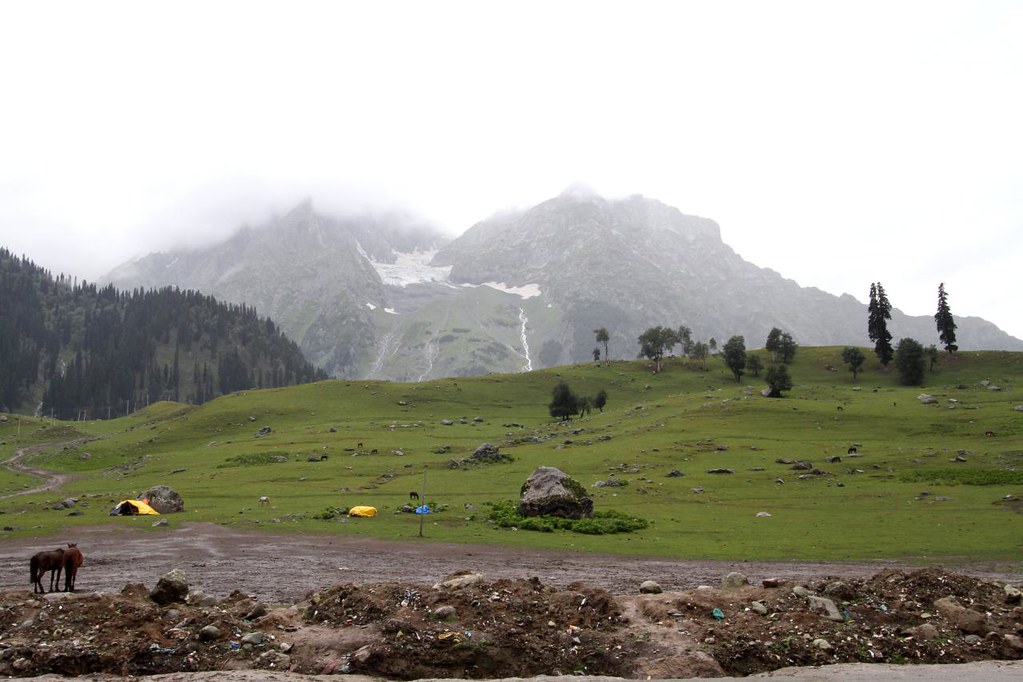
Staying overnight at Shitkadi (2,730 metres) before the Kashmir Great Lakes Trek is strongly recommended to reduce altitude sickness risk. It lowers Day-1 altitude gain to about 770–900 metres instead of a sudden 1,120-metre climb from Sonamarg, making acclimatization safer and more comfortable.
One night here saves trouble later. I learned this the hard way on my first attempt. I thought I could skip it and “just manage.”
By noon the next day, my head felt like a drum and my pace had slowed to a crawl. My mood was sinking with every step. A local guide looked at me and said, “Isi liye hum Shitkadi rukte hain.” This is why we stay at Shitkadi. That single night changed how I plan every trek since.
Shitkadi Altitude vs Nichnai: The Real Reason This Night Matters
Shitkadi sits at about 2,730 metres (8,960 ft). Sonamarg, where most people stay, is around 2,380 metres (7,800 ft). Nichnai, your first major campsite, is roughly 3,500 metres (11,500 ft).
Even starting from Shitkadi, your body faces a climb of 770–900 metres over 11–12 km on KGL Trek Day 1. If you skip this stop and begin straight from Sonamarg, the altitude jump gets sharper. It hits harder too.
Most altitude-medicine guidelines say don’t gain more than 300–500 metres in sleeping altitude per day once you cross 2,500 metres. You’ll exceed that either way on Day 1. But starting from Shitkadi makes it less brutal.
Is Overnight Stay at Shitkadi Mandatory?
You can skip overnight stay at Shitkadi and some trekkers do. But unless you’re an endurance athlete, a local used to altitude, or someone who has already done a few high-altitude treks and knows how your body reacts, it’s a gamble.
Most Kashmir Great Lakes Trek operators schedule a mandatory acclimatization night at Shitkadi. There’s a reason for that. Too many strong city trekkers struggle on Day 1 simply because they rushed the start.
Fitness helps, but it doesn’t protect you from altitude stress.
What Actually Happens in Your Body
When you go higher, your breathing rate and heart rate increase within hours. Your body starts producing more EPO, a hormone that eventually leads to higher red blood cell counts. That part takes days. Not overnight.
So no, one night at Shitkadi won’t fully acclimatise you.
What it does is give your body time to begin adjusting. It slows the altitude jump the next day. It lowers your risk of AMS symptoms on KGL Trek Day 1. Think of it like easing into cold water instead of jumping straight in.
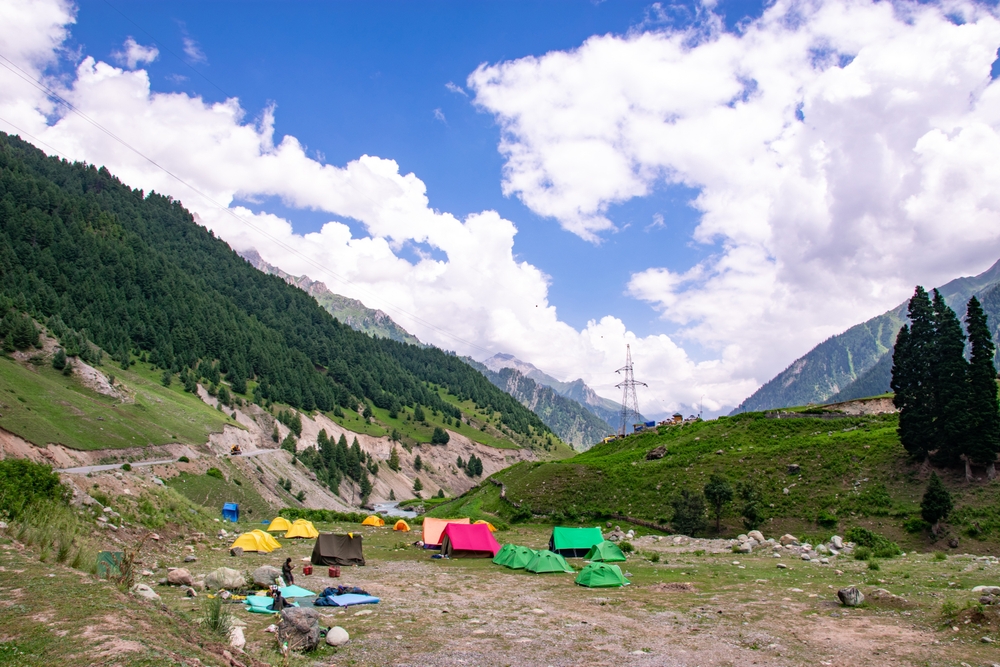
What the Shitkadi Campsite Is Actually Like
- Open meadow beside a river
- Alpine tents (2–3 people per tent)
- Sleeping bags and mats provided
- Basic dry pit toilets
- No permanent structures
- Limited or no mobile network
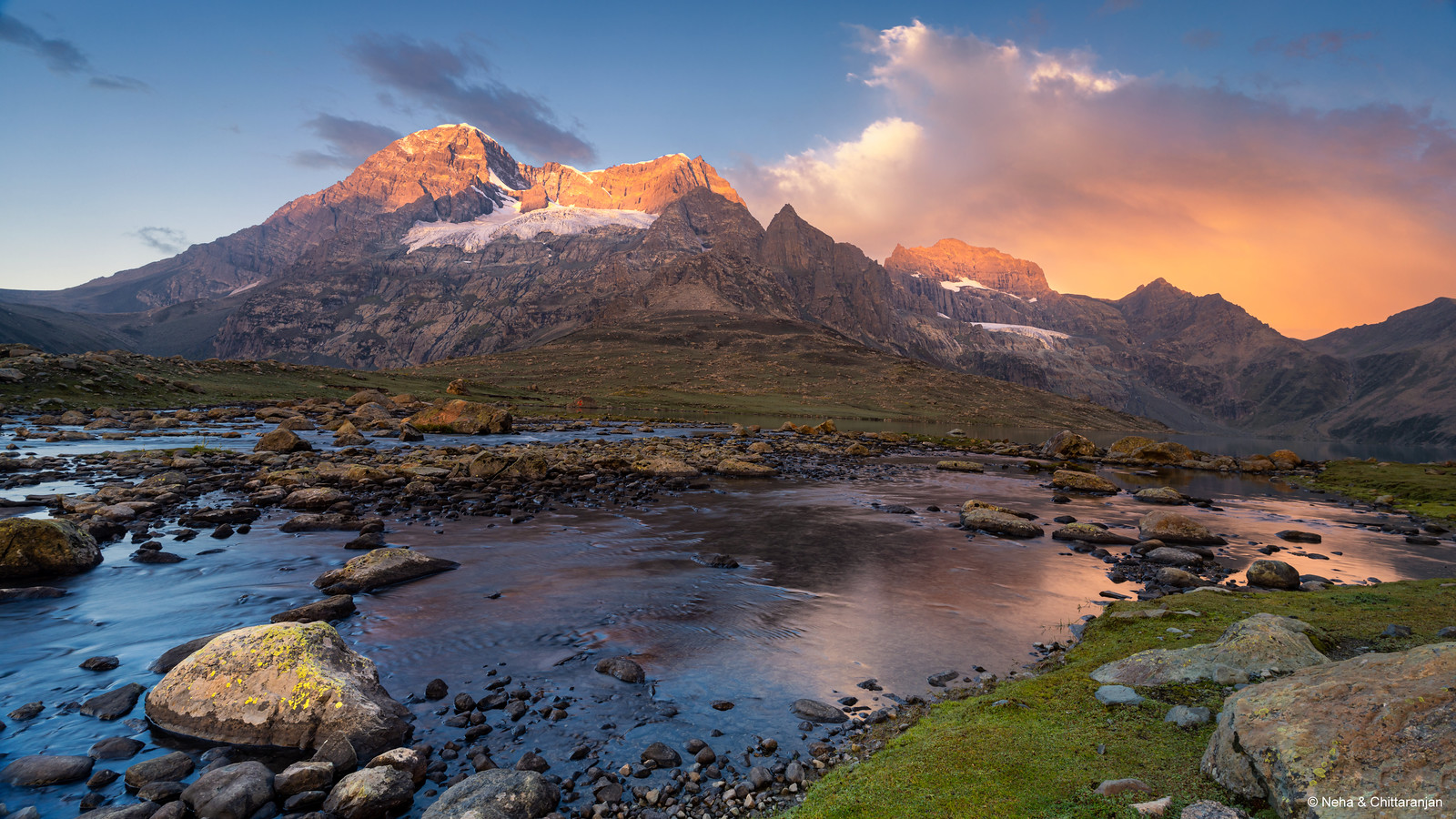
At night, it gets cold even in summer. Single-digit temperatures are common in June and September. The sky, though, is unreal. Clear. Deep. Full of stars.
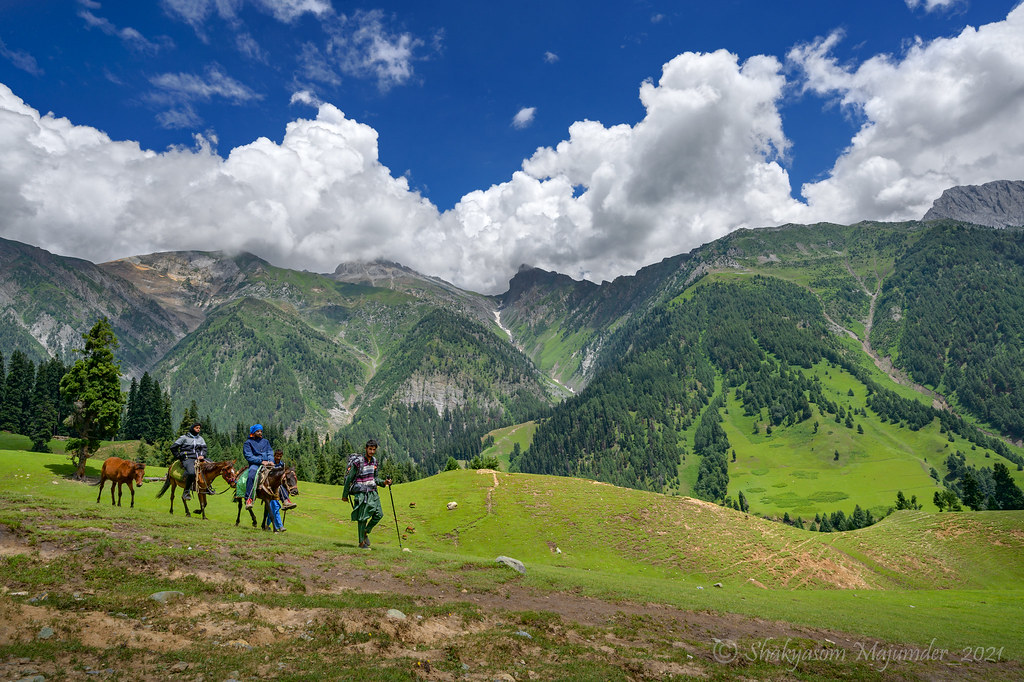
The second time I stayed here, I woke early just to sit outside my tent. A shepherd passed with his sheep and smiled. It felt like a quiet blessing before the climb.
Food, Sleep, and Comfort at Shitkadi
Food here is simple and filling. Expect dal-rice-roti-sabzi for dinner, porridge-omelette-toast for breakfast, and limited hot water for tea or washing.
Sleep is usually better here than at higher camps. Fewer headaches. Calmer breathing. Deeper rest. And that rest shows on your face the next morning.
Shitkadi vs Skipping It: A Quick Comparison
| Factor | Stay at Shitkadi | Skip Shitkadi |
|---|---|---|
| Altitude gain on Day 1 | Gradual | Steep (1,100m+) |
| Risk of headache | Lower | Higher |
| Energy levels | Better | Often drained |
| Group bonding | Stronger | Rushed |
| Trek mood | Calm start | Stressful start |
| Drop-out risk | Low | Higher |
I’ve seen both sides. The calmer start almost always wins.
Practical Logistics Most People Forget
From Srinagar, it’s a 2.5–3 hour drive covering about 80 km to Sonamarg. Then another 3–4 km by road to Shitkadi. It’s not complicated. It just feels long after a flight.
The ideal arrival time at Shitkadi basecamp is between 2 pm and 4 pm. This gives you daylight to rest, settle in, and attend the trek briefing without feeling rushed.
If you arrive early, walk around the meadow. Check your gear. Drink water. You can visit Sonamarg town, but don’t overdo it. Save your legs.
Cost of Overnight Stay at Shitkadi
If you’re with an organiser, the cost is usually included.
If arranged separately, expect ₹1,500–₹2,500 per person. This includes a tent, meals, and a sleeping bag. Prices change by season and demand. It’s one of the cheapest insurance policies you’ll ever buy on a trek.
Seasonal Temperatures at Shitkadi
The weather here shifts more than people expect.
Even in peak summer, nights feel sharp. Warm layers aren’t optional.
Why I Personally Never Skip This Night
I’ve done this trek twice. Both times, I stayed at Shitkadi.
The first time taught me its value. The second time reminded me of its charm. Every trek has a mood, and Shitkadi sets a gentle tone. I like starting my journey with calm, not chaos.
The Real Takeaway
Staying at Shitkadi is not about comfort. It’s about respect for your body, mountain and for the journey ahead.
So when you plan the Start of the trek for the Kashmir Great Lakes Trek, ask yourself one honest question:
Do you want to rush into the mountains with a pounding head, or walk in with a steady breath and a quiet smile?
FAQs
Can I skip Shitkadi if I’m fit?
You can. You shouldn’t. Fitness doesn’t protect you from altitude. Read more about fitness preparation for Kashmir Great Lakes Trek.
Is there a mobile network at Shitkadi?
Mostly no. Sometimes BSNL works faintly.
Are toilets available?
Yes. Basic dry pit toilets.
Is drinking water available?
Yes. Treated water is provided at camp.