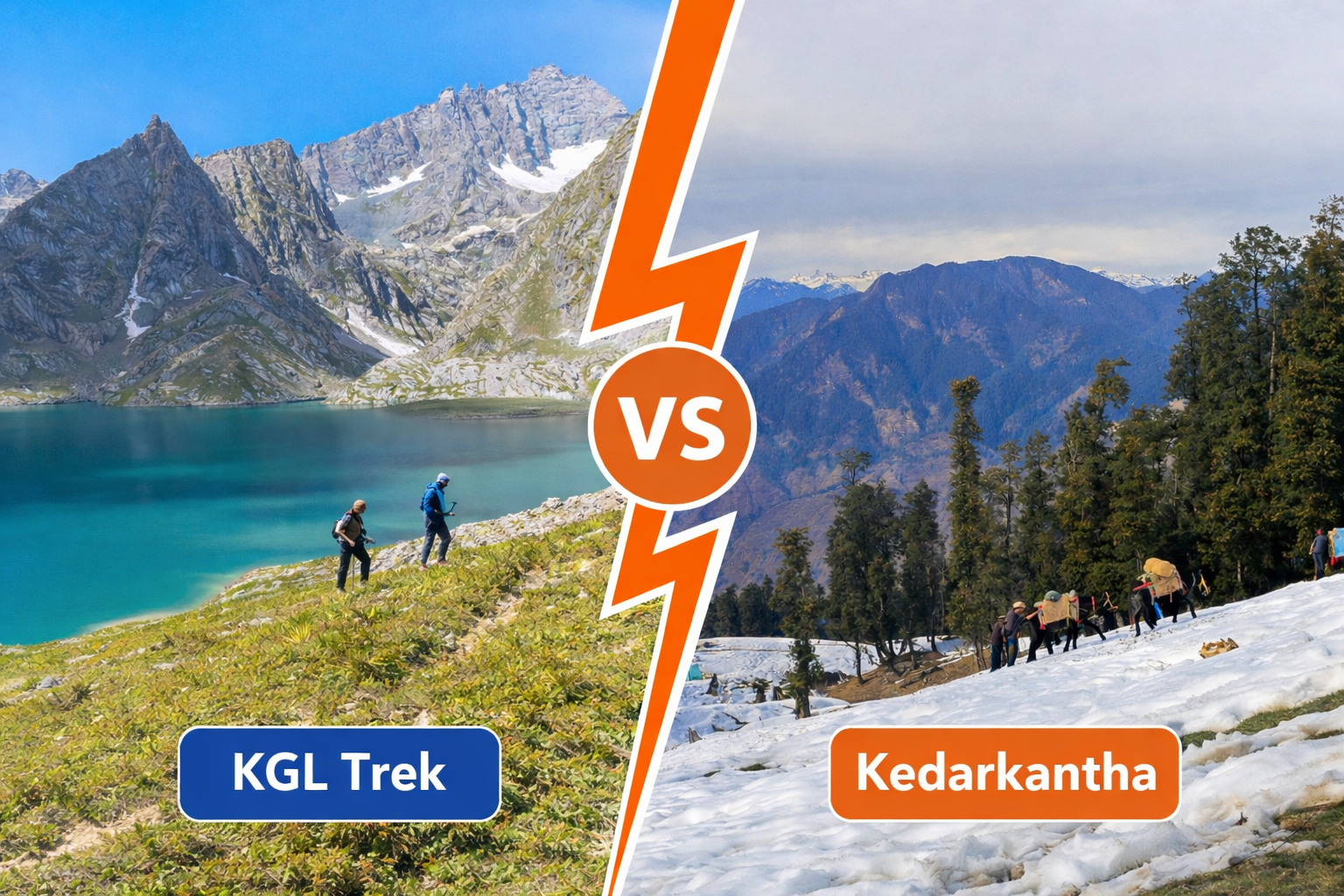
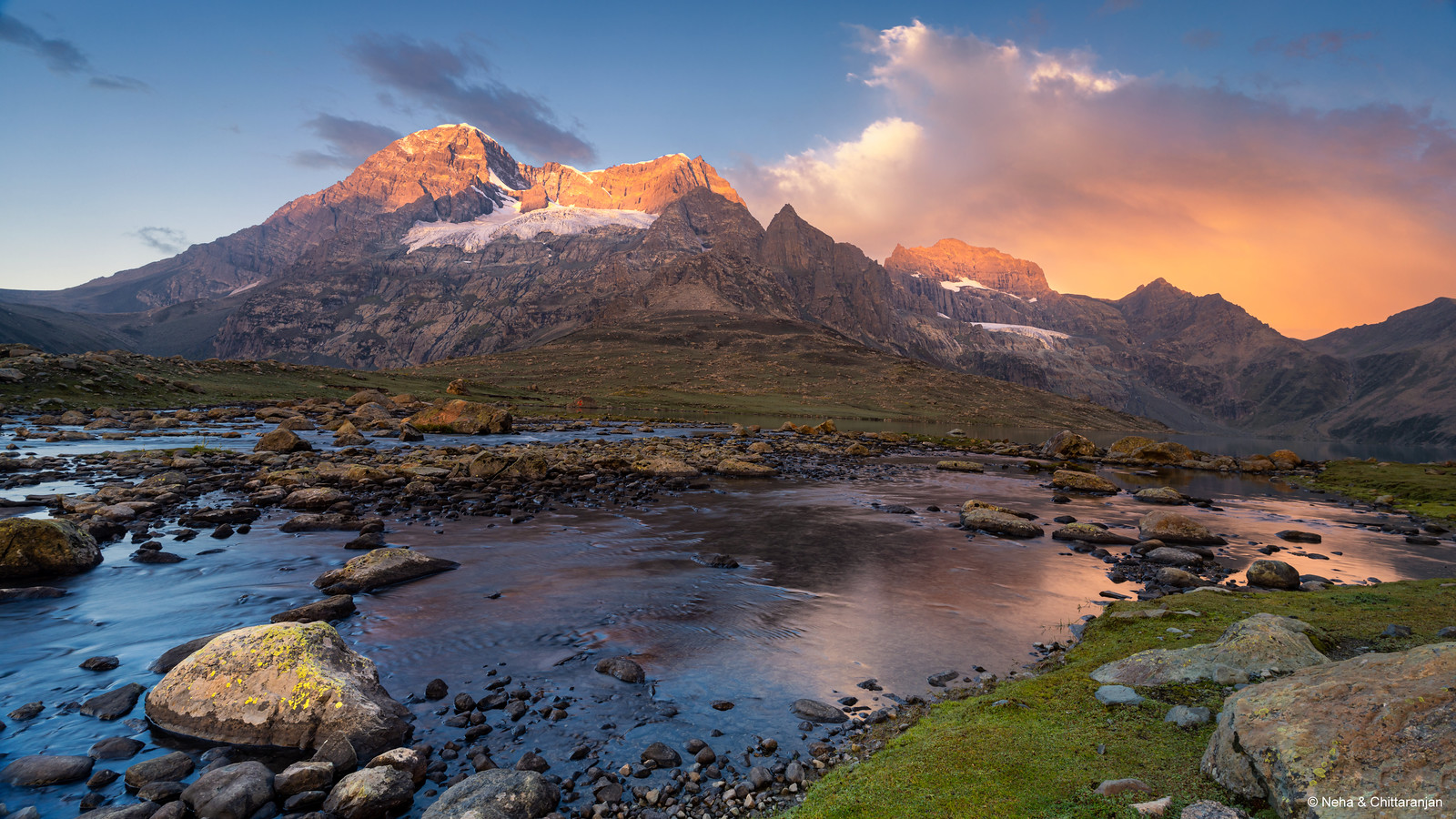
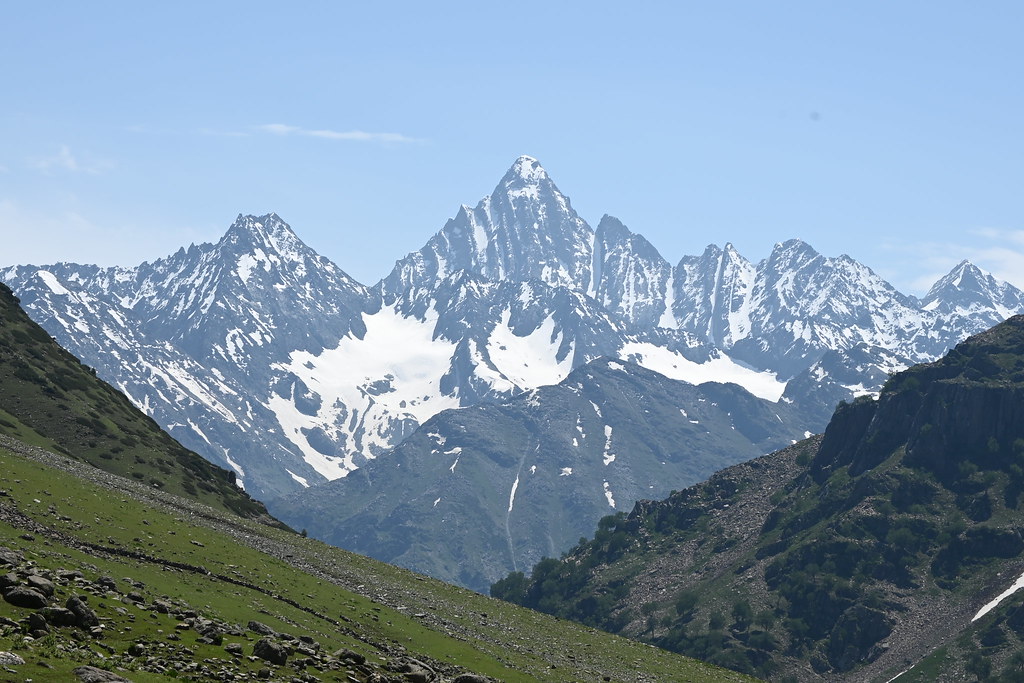
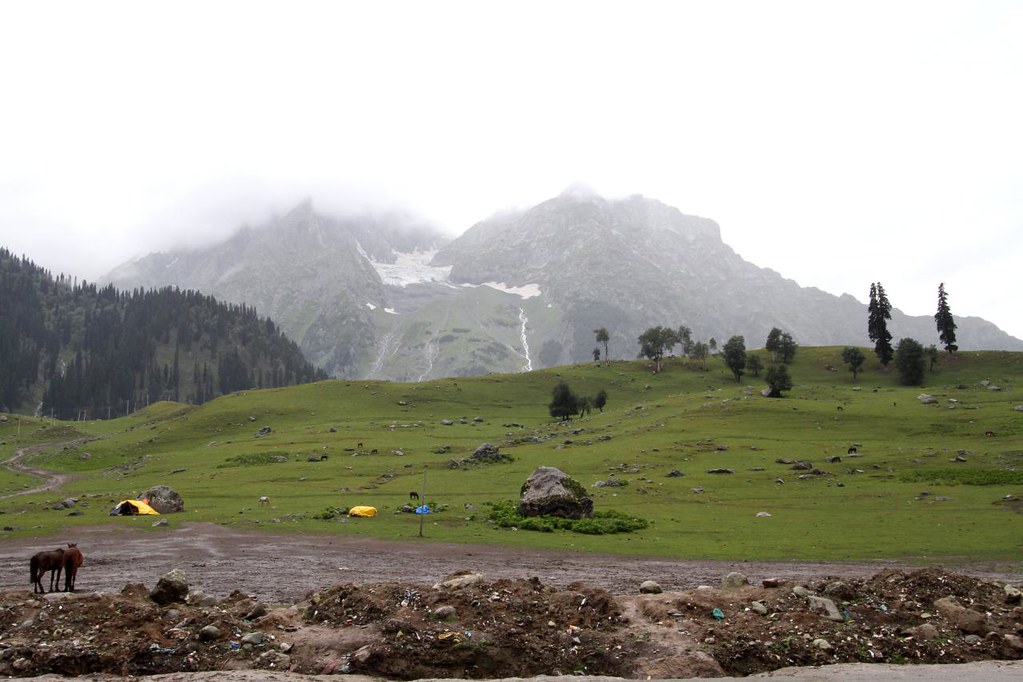
The real challenges on Kashmir Great Lakes Trek are high altitude passes above 13,700 ft, 14–16 km walking days, sub-zero nights, rocky descents, and mental fatigue that builds by Day 4.
If you are planning this trek seriously, you need facts, not fluff. The lakes are unreal. But this trail is not a picnic walk. It covers roughly 70 to 75 km in 6 to 7 days. You cross three major high passes. Oxygen drops as you gain height. Your legs work daily without mercy.
Let us break this down clearly so you can decide with confidence.
1. High Altitude and AMS Risk on KGL Trek
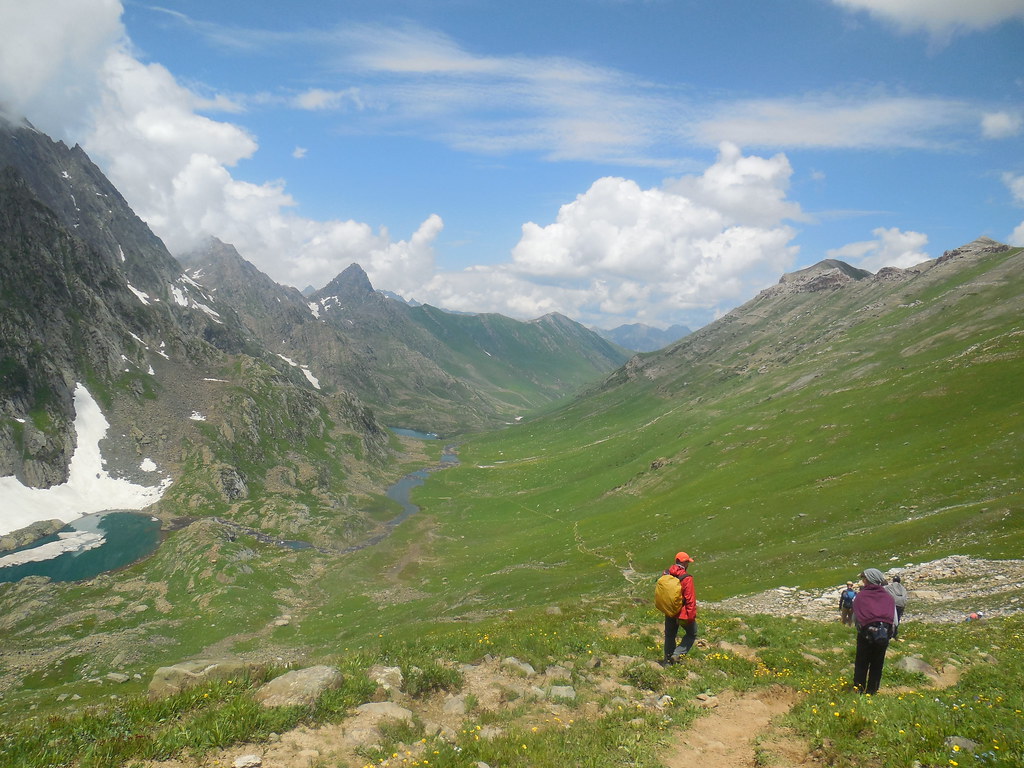
Altitude is the biggest of all challenges of KGL Trek. The trek starts near Sonamarg at about 8,000 ft. Within two days, you cross Nichnai Pass at 13,100 ft. Later, you climb Gadsar Pass at 13,750 ft (4,191 m), the highest point of the trek. You also cross Zaj Pass at around 13,000 ft before descending to Gangbal.
That is a rapid altitude gain in a short span.
At 13,500 ft, oxygen levels drop to nearly 60–65% of sea level efficiency. Your body feels it. Even fit trekkers slow down.
Acute Mountain Sickness (AMS) is a real risk here. Not rare. Not dramatic. Real.
Symptoms can include:
- Constant headache not relieved by rest
- Nausea and loss of appetite
- Disturbed sleep
- Dizziness while walking
Why does this matter? Because Gadsar day is long. It can take 7 to 8 hours. If AMS hits there, descent becomes urgent.
We always say this clearly. If you have never crossed 12,000 ft before, prepare well or attempt a smaller trek first. Respect altitude and it rewards you.
Want the complete picture on AMS prevention, symptoms, and evacuation protocols? Read our detailed guide on health risks on Kashmir Great Lakes trek revealed.
2. Long and Demanding Trekking Days
Many people underestimate distance here. On paper, 12 to 16 km per day looks simple. On mountain terrain, it feels different.
Day-wise difficulty matters.
The Nichnai climb on Day 2 is steady and exposed. The ascent to Gadsar Pass is long and steep, Day 4 on Kashmir Great Lakes Trek is widely considered the hardest day of the entire trek. The Satsar to Gangbal stretch is rocky and tiring. The final descent to Naranag is sharp on the knees.
Some days involve:
- 14 to 16 km walking
- 6 to 9 hours on trail
- 1,500 ft ascent or descent in a day
This is not a stroll through a park. The terrain changes constantly. Meadows turn into boulder zones. Dirt trails shift to loose rocks.
If your training includes only gym workouts, it may not prepare you fully. Practice long outdoor walks with elevation gain. That builds real stamina.
Not sure if your body is ready for this? Check our fitness preparation for Kashmir Great Lakes trek guide before you book.
3. Rocky Terrain and Injury Risk
One of the hidden challenges on Kashmir Great Lakes trek is unstable terrain.
The Satsar to Gangbal section has long boulder patches. Ankles twist easily if you rush. The Naranag descent is steep and slippery in parts, especially after rain.
We have seen trekkers strain knees here due to poor footwear or weak quadriceps. Trekking poles are not optional on this route. They reduce impact on joints by nearly 20 to 25 percent during descent.
Be careful during stream crossings too. Early season batches face icy water crossings. Rocks are slippery. Wet socks increase blister risk.
This trek demands attention with every step. It is beautiful but not forgiving if you walk carelessly.
4. Sudden Weather Changes and Sub-Zero Nights
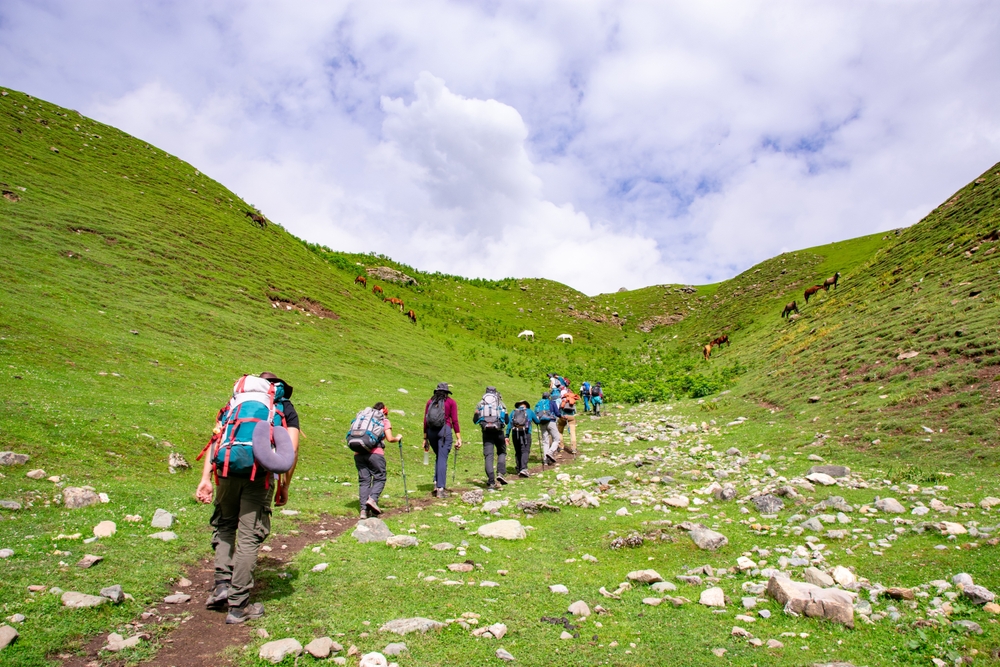
Weather in Kashmir shifts fast. Day temperatures range from 15°C to 20°C in sunlight. Nights can drop to 0°C or even -3°C at higher Kashmir Great Lakes trek campsites like Gadsar or Satsar.
Cold wind near passes makes it feel colder than the thermometer shows. Rain or hail can appear without long warning.
Why is this serious? Because wet clothes and cold wind drain energy. Hypothermia risk rises if you are unprepared.
Pack essentials wisely:
- Waterproof jacket and rain cover
- Down jacket for night camps
- Thermal inner layers
- Gloves and woollen cap
- Quick-dry socks
Avoid cotton clothing completely. It holds moisture and increases chill.
When we brief trekkers at base camp, we stress this more than fitness. Weather humbles even strong hikers.
Planning around seasons? Our Kashmir Great Lakes trek weather guide breaks down month-by-month conditions so you pack right the first time.
5. Mental Fatigue and Decision Pressure
The physical part is visible. The mental load is silent.
By Day 4, most trekkers feel cumulative fatigue. You wake up tired. Muscles feel tight. Yet another 12 km day waits.
This is one of the underestimated challenges of KGL Trek. The trail demands consistency.
The Gadsar Pass day often becomes the mental breaking point. Long climb. Thin air. Slow pace. Doubt creeps in.
What helps?
- Break the day into small targets
- Walk at your natural pace
- Focus on breathing rhythm
- Celebrate small milestones
When you finally see Vishansar and Krishansar lakes from above, effort feels worth it. But reaching that moment needs mental grit.
6. Army Check Posts and Permit Formalities
This is a logistical challenge unique to this trek.
Certain sections near Gadsar involve army check posts. Identity verification is mandatory. Foreign nationals often require additional permissions and sometimes cannot access specific stretches depending on regulations.
Delays can happen if documents are incomplete.
Always carry:
- Government ID proof
- Multiple photocopies
- Passport and visa copies for foreigners
Ignoring paperwork can create avoidable stress mid-trek.
7. Basic Camps and Limited Comfort
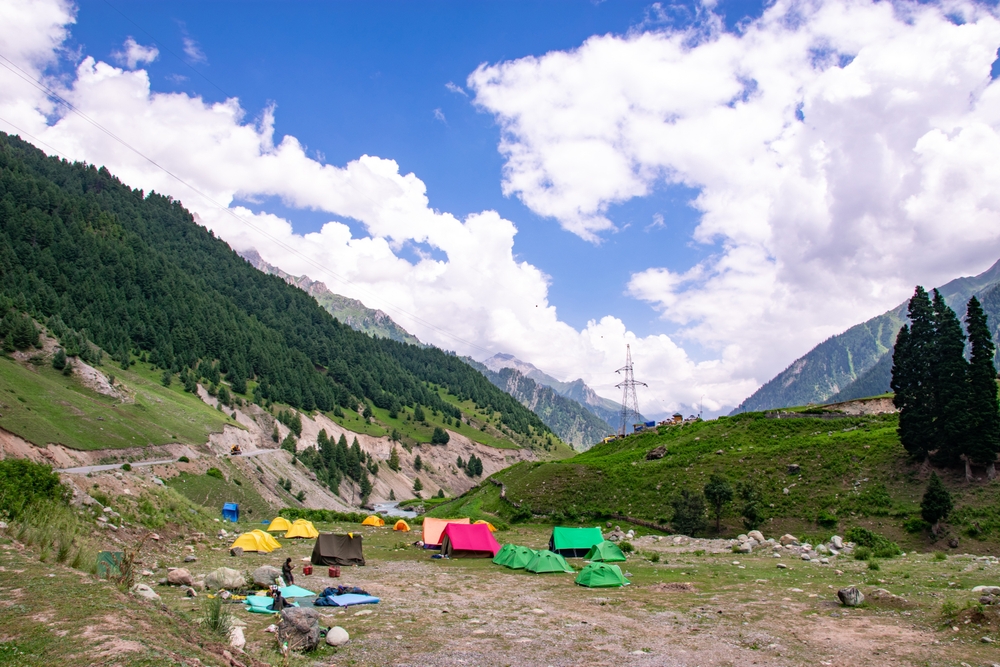
Camps are scenic but simple.
Expect tented accommodation. Toilet tents are basic dry pits. There is no mobile network after Day 1. Electricity is absent.
For some people, this becomes harder than walking.
Food is simple but nourishing. Dal, rice, roti, sabzi, soup. After 7 hours on trail, it tastes perfect.
If you expect luxury, you may struggle. If you accept simplicity, the experience feels pure.
Is KGL Trek Too Difficult for You?
Ask yourself honestly.
- Have you trekked above 12,000 ft before?
- Can you walk 8 hours with a backpack?
- Are you mentally comfortable without phone access?
- Can you manage cold nights near zero degrees?
If your answer is mostly yes, you can train and attempt this trek confidently.
If not, build experience first. Try a moderate Himalayan trek around 10,000 to 11,000 ft. Gain exposure. Then return stronger.
Key Takeaways Before You Book
The challenges on Kashmir Great Lakes trek are clear and predictable when explained properly.
- High altitude up to 13,750 ft tests oxygen capacity
- Daily distances of 14 to 16 km demand endurance
- Rocky stretches increase ankle and knee strain
- Sub-zero nights require proper gear
- Mental fatigue builds after Day 3
- Permit checks add logistical pressure
None of these are impossible. They simply demand preparation and respect.
The mountains here are generous but firm teachers. They give unforgettable views only after honest effort.
So the real question is not whether this trek is tough.
The real question is whether you are ready to train for it properly and earn those lakes the right way.
Ready to go deeper? Use our Kashmir Great Lakes final checklist to make sure nothing is left behind before Day 1.