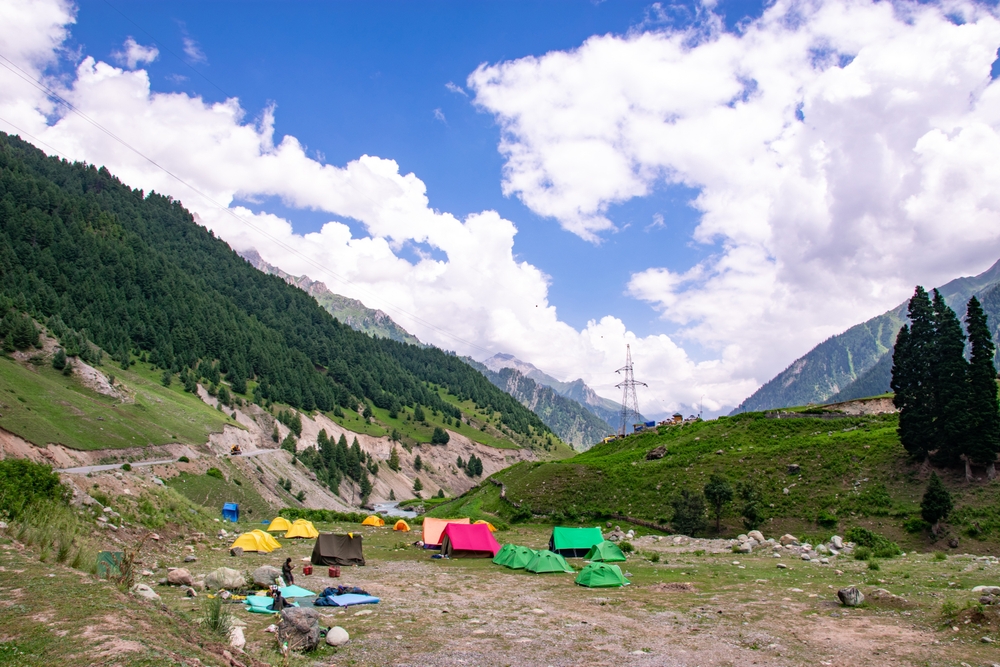
Altitude sickness on the Kashmir Great Lakes Trek can be beaten with the right pace, smart acclimatization, and a few field-tested habits that experienced trekkers rely on.
If you are planning this trek seriously, this is the one concern you should respect from day one. Not fear but Respect. Because the lakes are kind, but the altitude is not forgiving.
I have seen strong runners struggle here while first-time trekkers walk it calmly without a headache. The difference is not fitness alone. It is how you prepare your body and how you behave on the trail.
Why Kashmir Great Lakes Trek Altitude Sickness Happens
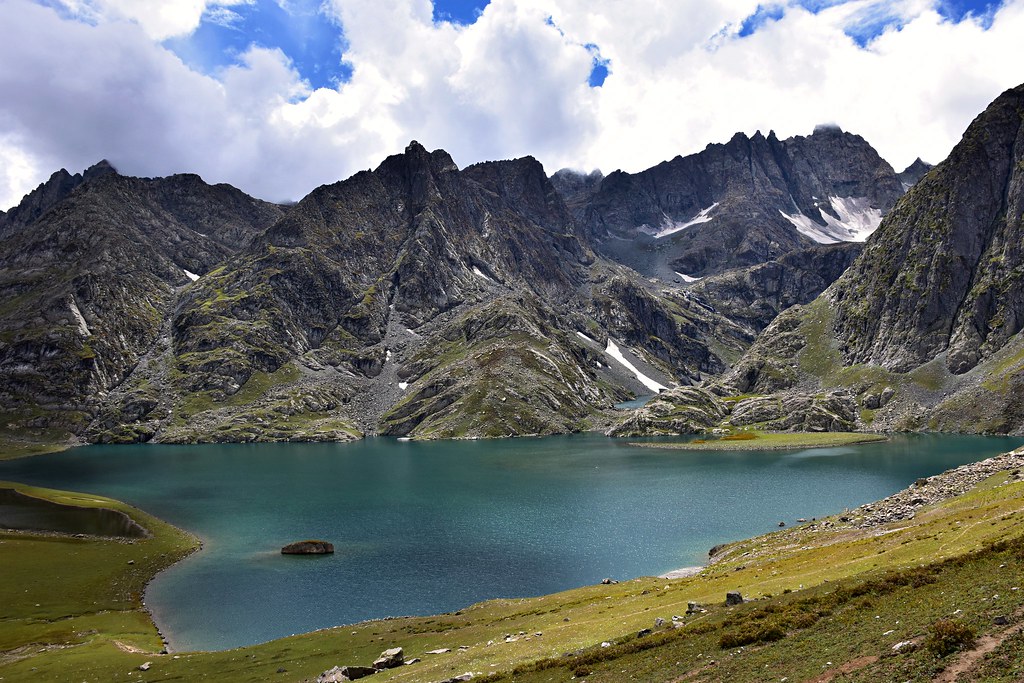
The altitude sickness problem on the Kashmir Great Lakes Trek starts because your body climbs faster than it can adapt. The trek reaches heights close to 13,750 feet, and for many Indians coming from sea level cities, that is a significant jump.
At higher altitudes, oxygen is thinner. Your body needs time to learn how to use less oxygen efficiently. If you rush this process, your brain complains first. Headache, nausea, dizziness and loss of appetite are your warning bells.
Most trekkers assume that being fit means being immune. That is the first mistake. I have seen gym regulars knocked out on Day 2 while a middle aged uncle from Jaipur walked on smiling. Fitness helps, but acclimatization decides everything.
Hack 1: Respect the First Two Days of Kashmir Great Lakes Trek Acclimatization
The first two days decide how your body behaves for the rest of the trek. This is when acclimatization truly begins.
Your body needs slow exposure. If you push hard early, you carry that stress forward. I always tell people that the trek actually starts before you start feeling tired.
Walk slowly, even if you feel fresh. Take smaller steps. Breathe deeply through your nose. Let your lungs settle into the rhythm of altitude.
If you feel slightly bored by the slow pace, that is a good sign. It means you are doing it right.
Hack 2: Eat Even When You Don’t Feel Hungry
Loss of appetite is one of the earliest signs of altitude stress. Many trekkers skip meals because food feels heavy, but that makes things worse.
Your body needs fuel to adjust. Calories help your blood carry oxygen better. Warm food is even more important in the cold winds of the KGL route.
Stick to simple foods e.g. Dal, rice, roti, soup, khichdi. Avoid oily snacks and packaged junk.
I force myself to eat small portions even when I don’t feel like it. A few spoons now can save you from a pounding headache later.
Think of food as medicine here, not pleasure.
Hack 3: Drink Water Like It’s Your Job
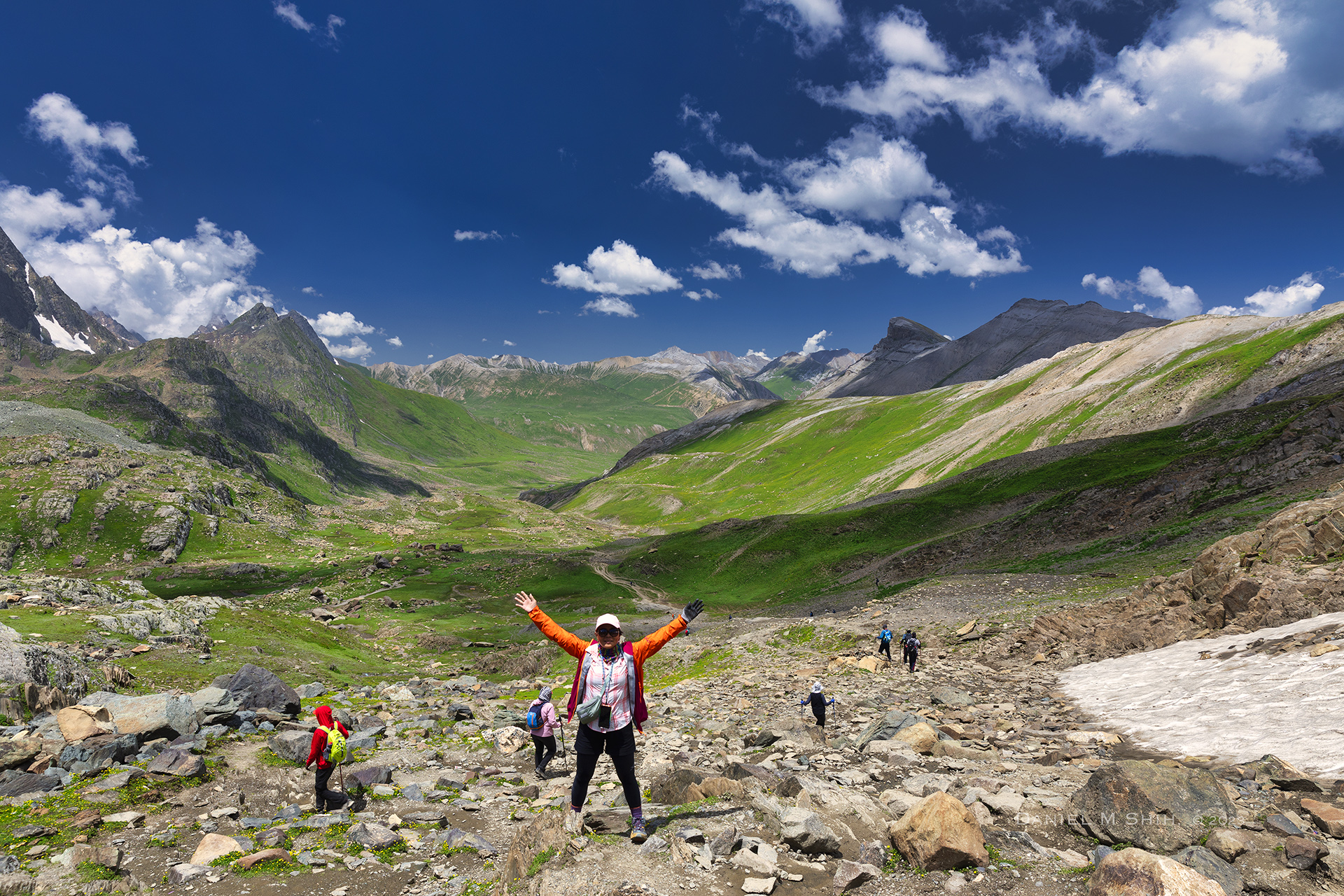
On this trek, you lose water through breath without realising it. Dry lips and dark urine are danger signs many people ignore.
Aim for steady sipping, not gulping. Warm water helps more than ice cold water.
A simple rule I follow is this: if you have not urinated in three to four hours, you are already behind.
Hack 4: Sleep Is Part of the Trek, Not a Break
Sleep disturbance is common during the Kashmir Great Lakes trek altitude sickness phase. Light sleep, strange dreams and frequent waking up are normal.
What is not normal is forcing yourself to stay awake late or chatting until midnight at camp. That steals recovery time from your body.
Sleep helps your blood produce more red cells, which is how acclimatization improves naturally.
Go inside your tent early. Keep your head slightly elevated. Stay warm. And don’t worry if sleep feels broken, Rest still counts.
Hack 5: Listen to Your Headache Before It Screams
This is where many trekkers get stubborn. A mild headache is your body whispering, ignore it and it starts shouting.
If you feel a headache combined with nausea or dizziness, slow down immediately. Tell your trek leader. Do not try to “push through”.
A short rest, hydration and slower pace can fix early symptoms. Continuing without adjustment can force a descent later.
I have seen people ruin a dream trek because they didn’t want to look weak. Altitude does not care about ego.
Hack 6: Smart Use of Medicines, Not Blind Dependence
Diamox is often discussed in every trek briefing. It can help, but it is not magic.
Diamox supports acclimatization by helping your body breathe faster. It does not replace slow ascent or good habits.
If you plan to take it, start after medical advice. Never experiment on the trail. Some people feel tingling or frequent urination, which is normal.
Think of medicine as a safety net, not the rope that pulls you up the mountain.
Hack 7: Align Your Pace With KGL Trek Weather
KGL trek weather plays a silent role in altitude stress. Cold, rain and fog drain energy faster than you expect.
On bad weather days, slow down more than usual. Your body is already fighting cold stress, increasing your speed makes oxygen shortage worse.
Layer properly. Wet clothes make altitude symptoms stronger. Keep your core warm at all times.
Some days on this trek are not about distance, they are about patience.
Practical Altitude Sickness Safety Checklist
Use this mental checklist every morning on the trek:
- Are you eating properly?
- Are you urinating regularly?
- Is your headache mild or increasing?
- Are you walking at a pace where you can talk?
- Did you sleep enough last night?
If two answers worry you, slow down that day. Simple.
Real Decision Moments Trekkers Face on KGL Route
There is always a moment on this trek when you feel fine but tired. The group moves fast. You feel pressure to keep up.
That is when smart trekkers pause.
I remember stopping for a minute near a ridge while others rushed ahead. That one minute of deep breathing saved me hours of headache later.
The mountain rewards patience quietly. You only notice it when things go wrong.
Why Acclimatization Is Mental As Much As Physical
Altitude sickness is not just about oxygen, tt is also about mindset.
When trekkers panic, breathing becomes shallow. Anxiety mimics symptoms. Calm breathing helps both mind and body.
Talk less while climbing. Focus on rhythm, step, breathe, step, breathe.
The Kashmir Great Lakes route is stunning, but it demands humility. Walk with it, not against it.
Final Thoughts You Should Carry Onto the Trail
Beating Kashmir great lakes trek altitude sickness is about doing simple things consistently. Slow walking, eating on time., drinking water and sleeping early.
None of these make great Instagram stories, but they make sure you actually reach the lakes.
The real question is not whether altitude sickness can happen. It is whether you will listen when your body speaks softly, or wait until it shouts.