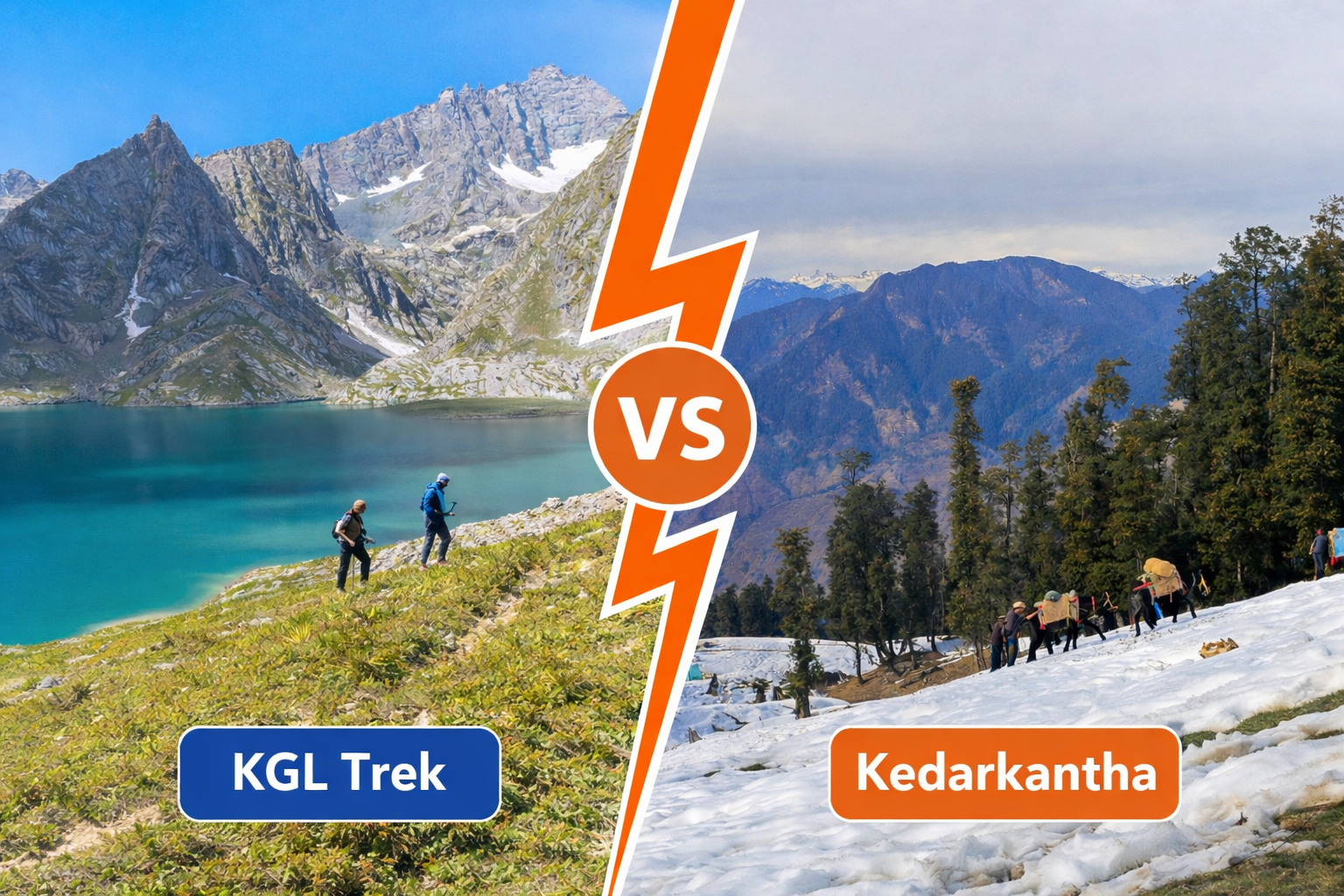
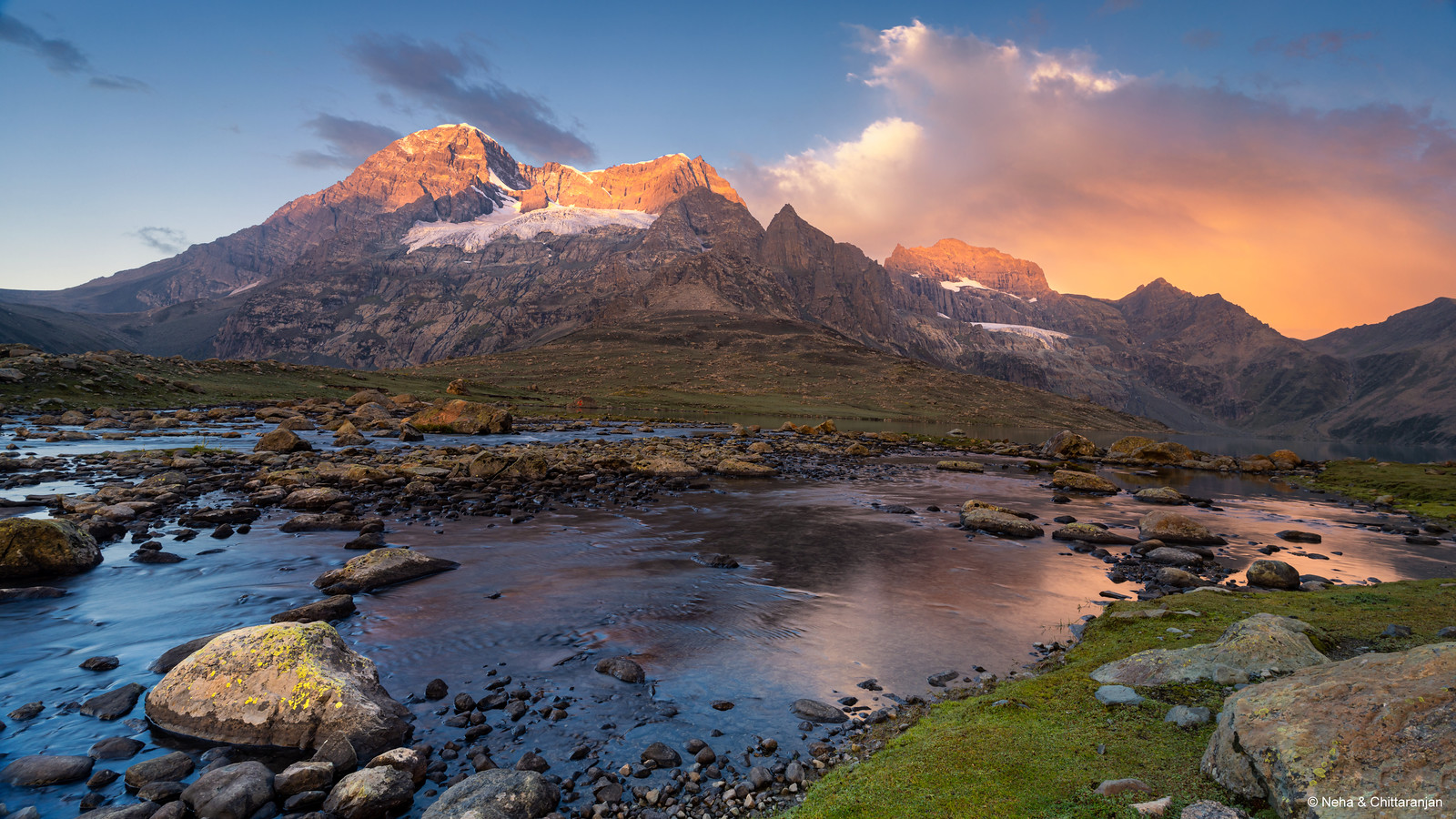
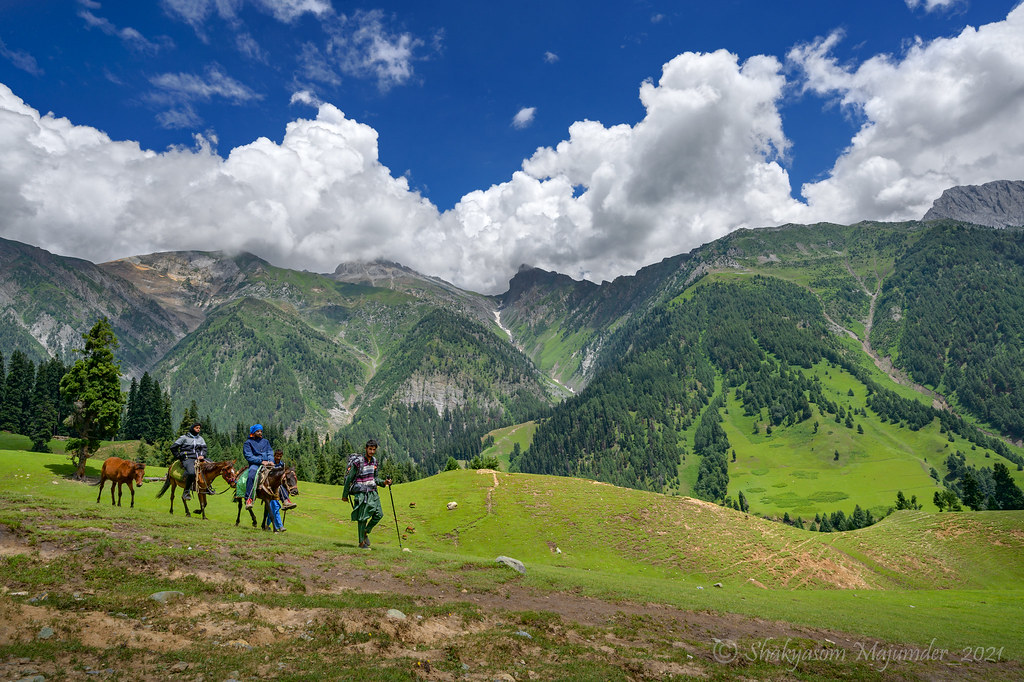
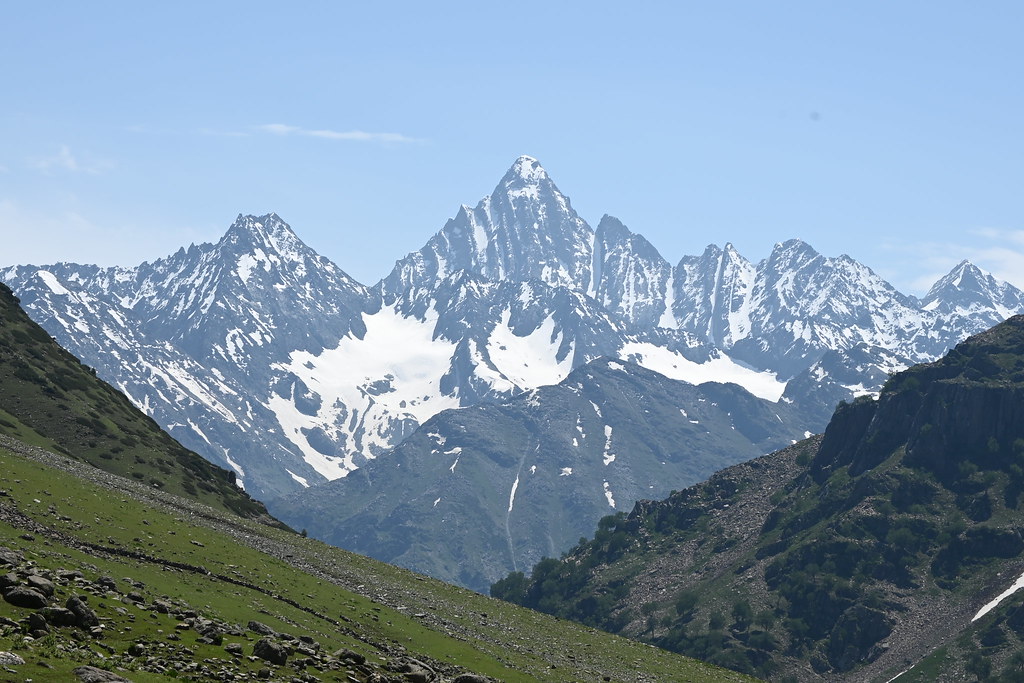
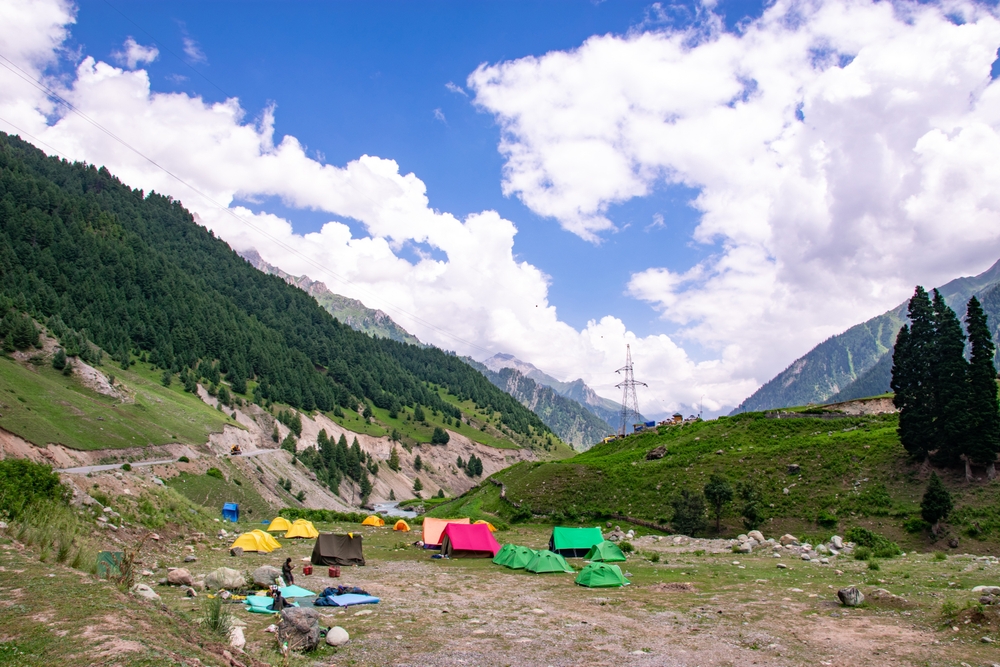
If you want frozen lakes on the Kashmir Great Lakes Trek, go between late June and early July. If you want deep blue lakes and green meadows, mid-July to August is the better choice.
That answers the main question straight away. Everything else is about helping you decide which version of the trek suits you best, not which month sounds popular online.
I’ve had this conversation many times. It usually happens when someone is excited but confused. They want snow and colour. They want solitude and comfort. The truth is, this trek makes you choose. And once you understand why the trail behaves the way it does, the decision becomes easier.
How the Kashmir Great Lakes Trek Changes Through the Season
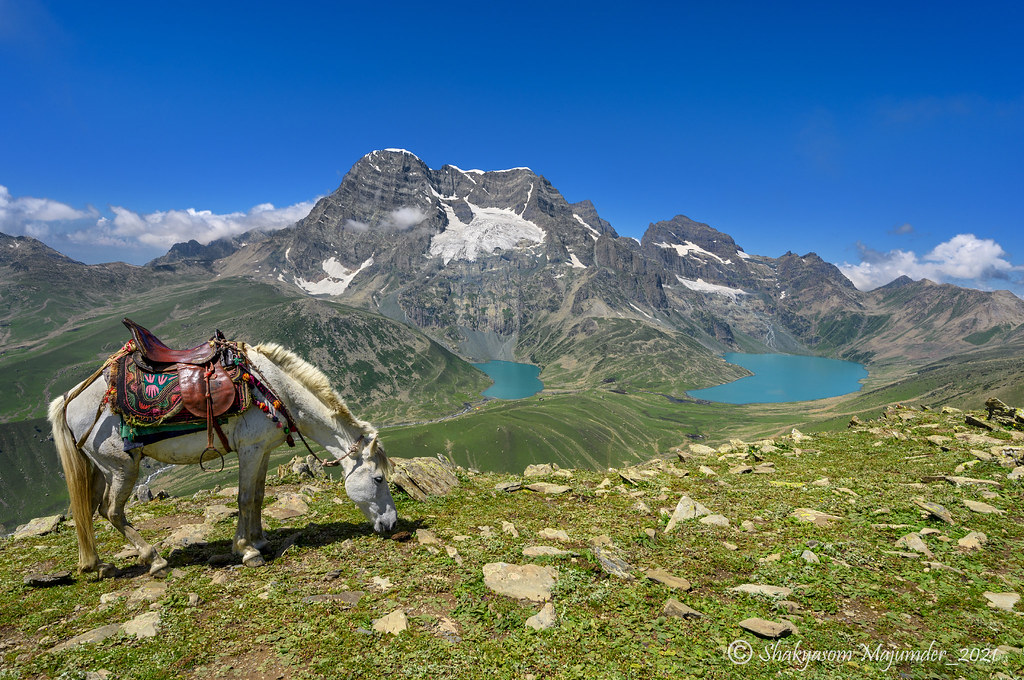
The Kashmir Great Lakes Trek is not the same trail in June and August. It feels like a different place every few weeks. Snow melts, water changes colour, and even the walking style shifts. Many people assume there is one “best” time. There isn’t.
What exists instead are two clear experiences. One is raw and dramatic. The other is open and soothing. Frozen Lakes on Kashmir Great Lakes Trek belong to the first phase. Blue lakes belong to the second.
Early season feels like winter refusing to leave. Late season feels like summer finally settling in.
Frozen Lakes on Kashmir Great Lakes Trek: The Early Season Reality
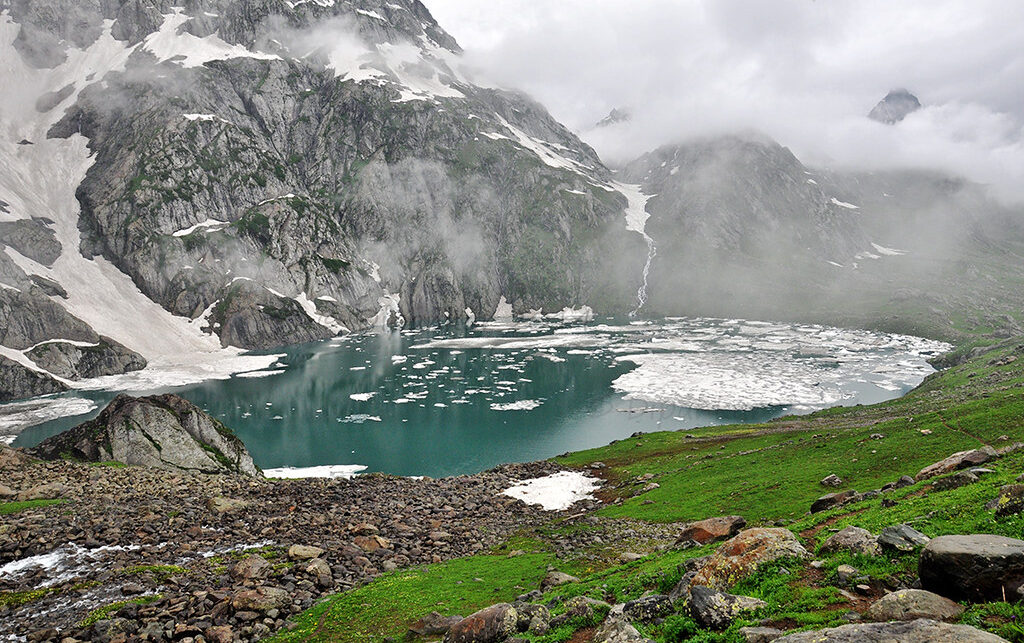
Frozen lakes are usually seen from late June to the first week of July, depending on how heavy the winter snowfall was. During this time, several lakes remain partially or fully frozen. Snow still covers high passes. Streams run cold and fast.
This phase feels intense. Mornings bite your fingers. Shoes stay wet. You walk slower because snow decides your pace, not your fitness. The silence is deep and almost unsettling at times.
What makes this period special is contrast. Brown trails suddenly turn white. A climb ends at a frozen lake that looks unreal. Vishansar and Gadsar often feel like they belong to another season entirely.
This is not the “prettiest” phase in the usual sense. But it is powerful.
You should seriously consider frozen lakes if:
- You enjoy snow trekking and cold nights.
- You value solitude more than comfort.
- You are okay with slower days and harder climbs.
- You want drama, not ease.
Frozen Lakes on Kashmir Great Lakes Trek reward patience. They also punish poor preparation. Many people underestimate how draining snow walking can be, especially at altitude.
When the Lakes Turn Blue and the Trail Softens
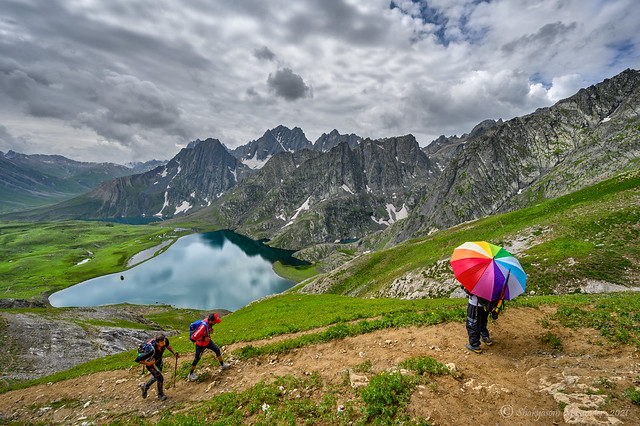
From mid-July onwards, the lakes begin to change. Ice melts fully. Sunlight reaches the lake beds. Water turns clear, then blue. Meadows open up. Flowers appear without announcement.
This is when the trail feels generous. Walking becomes smoother. Camps feel warmer. Evenings invite you to sit outside and look around instead of rushing into your tent.
The Blue Lakes on Kashmir Great Lakes Trek are what most people imagine when they book this trail. Gangbal and Nundkol look especially striking now. The blue is not flat. It shifts through the day, depending on light and cloud.
This phase suits trekkers who want balance. You still feel the mountains, but they no longer test you every hour.
The Transition Period Most People Overlook
Early to mid-July is a short but interesting window. Snow still exists at higher points. Some lakes are melting. Colours begin to show, but not fully.
This period feels unstable in a good way. You get a bit of everything. But weather can change quickly, and conditions vary year to year.
If you enjoy uncertainty and variety, this can be rewarding. If you want predictability, it may feel uncomfortable.
Frozen Lakes vs Blue Lakes: How to Choose Honestly
This decision is less about beauty and more about tolerance. Frozen Lakes on Kashmir Great Lakes Trek demand physical and mental resilience. Blue lakes demand flexibility with crowds and fixed dates.
Ask yourself a few real questions:
- Do you handle cold well after sunset?
- Are you trekking for challenge or for visual calm?
- Does walking slowly frustrate you?
- How important is solitude to you?
Many regrets come from chasing photos instead of matching the experience to your nature.
Crowd Levels and Trail Energy
Late June treks feel empty. You might not see another group for hours. Camps are quiet. Nights feel longer.
August treks feel social. Tents dot the meadows. Conversations flow over dinner. Some find comfort in this. Others feel it breaks the spell.
Neither is right or wrong. But you should know what energy you prefer before booking.
Weather Expectations Without Sugar coating
Early season can surprise you with snow even when forecasts look clear. Late season can bring rain that slows everything down. Kashmir weather does not care about plans.
What matters is mindset. Expect variation, not perfection. The KGL Trek rewards those who adapt without complaint.
So, When Should You Actually Go?
For most trekkers, especially first-timers, mid-July to early August is the safest and most fulfilling choice. Lakes are blue, walking is manageable, and weather stays relatively stable.
Choose late June to early July only if you genuinely want snow, silence, and challenge. Not because it sounds adventurous, but because it fits you.
The Kashmir Great Lakes Trek does not ask for bravado. It asks for honesty.
The KGL Trek gives you what you are ready for, not what you demand. So before you lock dates and book leave, pause for a moment and ask yourself one final question.
Do you want to fight the mountains, or walk with them?