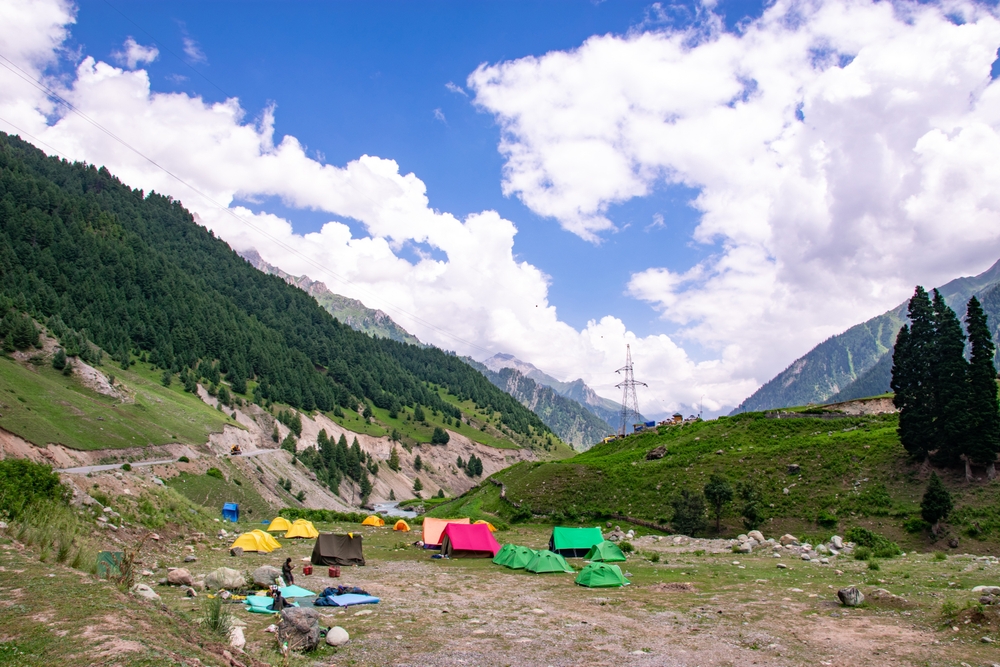
The 9–11 km Satsar to Gangabal day is long, physically steady, and emotionally rewarding, making it the most complete day of the Kashmir Great Lakes Trek.
You leave Satsar knowing today connects effort with payoff. This is not a casual walking day. It asks for patience, focus, and steady pacing. In return, it delivers the most iconic lake basin of the entire KGL Trek.
This stretch moves you from clustered alpine lakes to the wide Gangabal basin, crossing Zaj Pass in between. The change feels gradual at first. Then it feels sudden.
Satsar to Gangabal Trek Snapshot
Before the experience, it helps to know the hard facts. These numbers shape how the day feels on the ground.
- Distance: 9–11 km
- Trek duration: 5–6 hours, excluding long breaks
- Starting altitude: 11,985–12,000 ft (Satsar)
- Highest point: 13,000–13,400 ft (Zaj Pass)
- Ending altitude: 11,486–11,500 ft (Gangabal)
- Net descent from pass: around 1,400 ft
Once you internalise this, the day feels far more manageable.
Typical Day Timeline
This timeline reflects a steady group pace under normal weather.
- 6:00 AM – Wake up at Satsar
- 7:00 AM – Breakfast and packing
- 8:00 AM – Start trek, enter boulder section
- 9:00 AM – Cross last Satsar lake, brief descent
- 9:30 AM – Begin long climb to Zaj Pass
- 1:00 PM – Reach Zaj Pass, lunch break
- 2:00 PM – Start descent towards Gangabal
- 3:30 PM – Cross stream near Nundkol
- 4:00 PM – Arrive at Gangabal campsite
Times shift with weather and group strength, but this framework helps planning.
Why Satsar to Gangabal Feels Different From Other Days
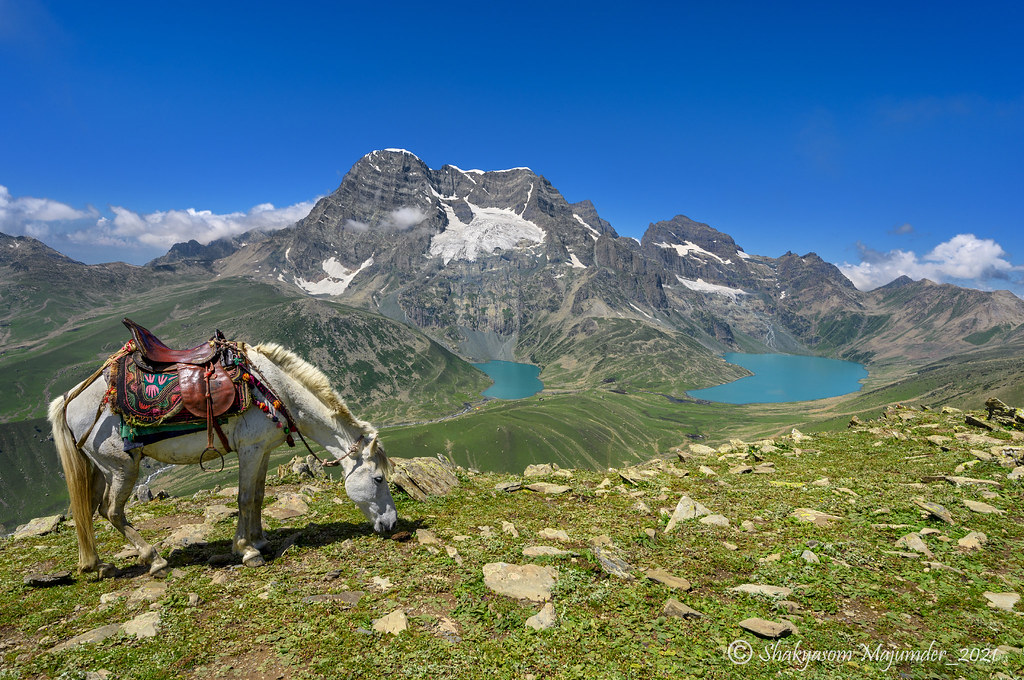
Satsar feels enclosed and calm at nearly 12,000 ft. Gangabal feels open and powerful. Walking between them feels like stepping out of a quiet valley into wide, breathing space.
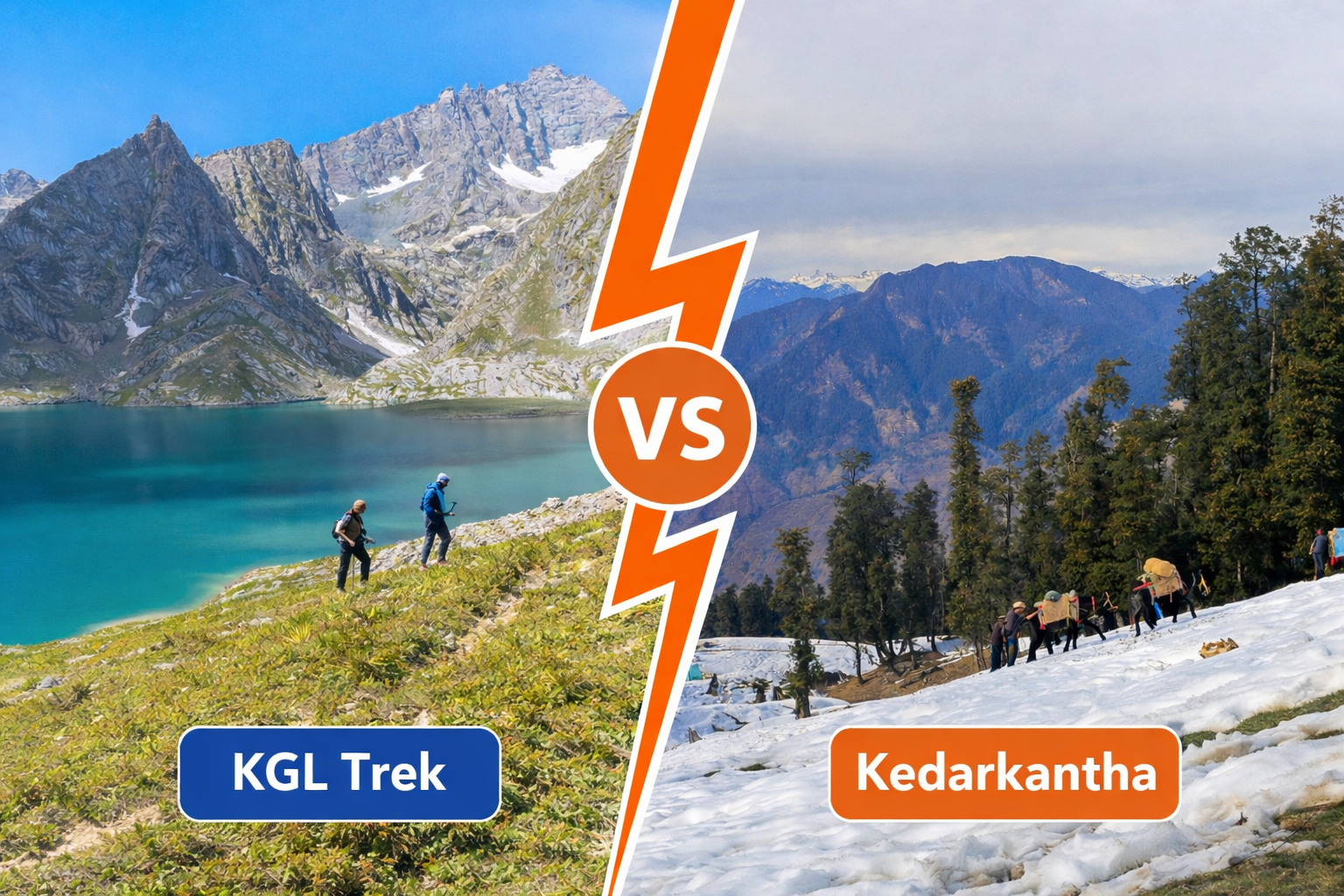
If Kedarkantha stays in memory for clean snow slopes and sharp silence, the Kashmir Great Lakes Trek stays for colour, water, and scale. This day captures that difference clearly.
You stop chasing views here. You let them come to you.
Boulder Section After Satsar: What to Expect
The day begins with a boulder-heavy stretch soon after leaving Satsar campsite. This section usually lasts 45 minutes to one hour.
Large rocks cover the trail, some stable and some loose. Many trekkers naturally use their hands for balance, especially early in the morning when the stones feel cold and damp.
This is not climbing. It is controlled movement.
A few things help:
- Take short, tested steps
- Avoid jumping between rocks
- Stay focused, especially after rain
Once this section ends, the trail becomes gentler and easier to read.
How Long Does the Zaj Pass Climb Take?
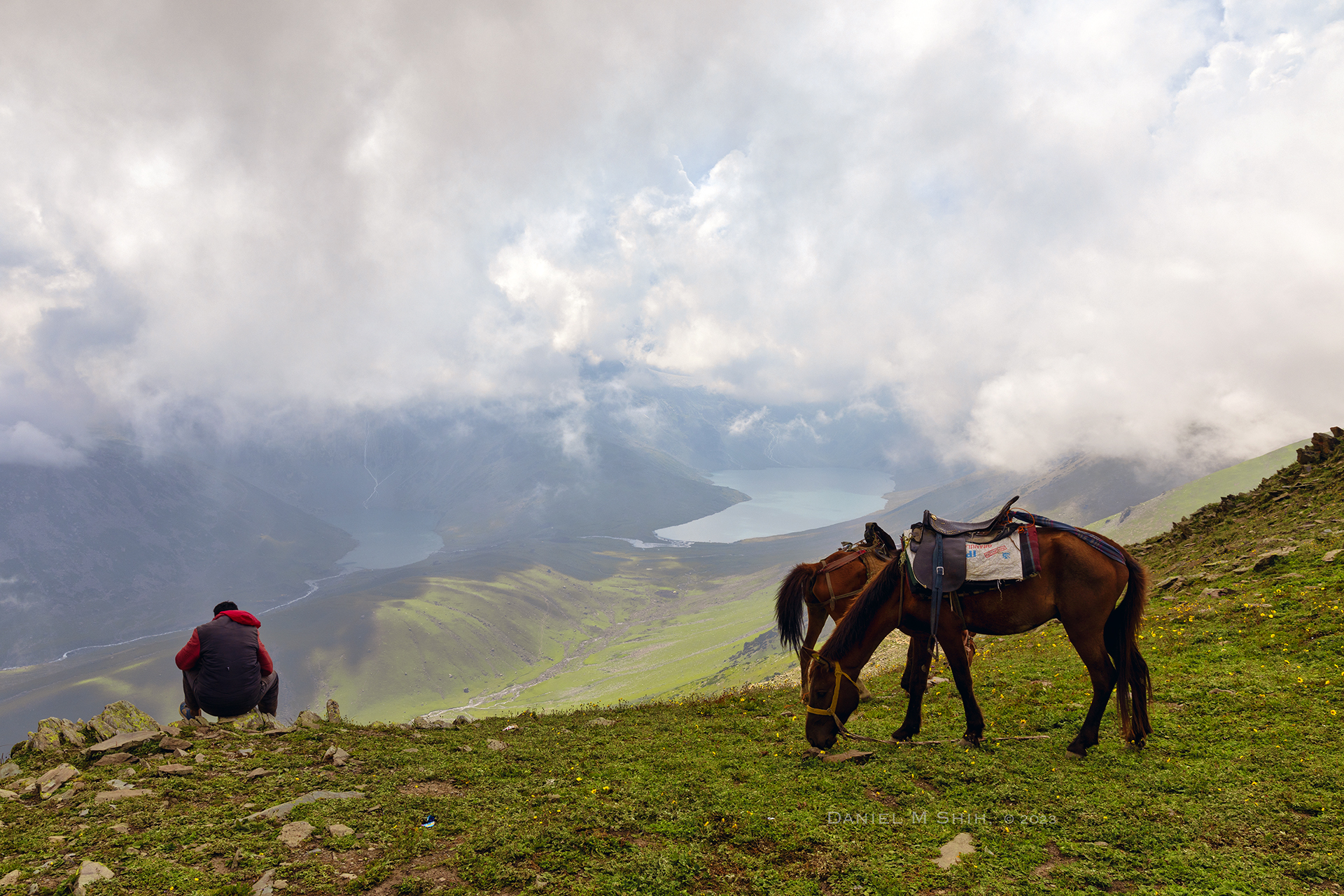
After the boulder zone, the trail descends briefly from the last Satsar lake. This section lasts around 30 minutes and feels easy, sometimes too easy.
Then the real climb begins.
The ascent to Zaj Pass takes about three to three and a half hours. The gradient stays steady, not sharp. What makes it tiring is the lack of visual progress.
False summits appear again and again. You think the top is near. It rarely is.
Accepting this early keeps the mind calm and the pace consistent.
Find The: Best Time to Do Kashmir Great Lakes Trek
Reaching Zaj Pass and the View of Mount Harmukh
Zaj Pass is the highest point of the day. Wind is common, and the temperature drops quickly when clouds roll in.
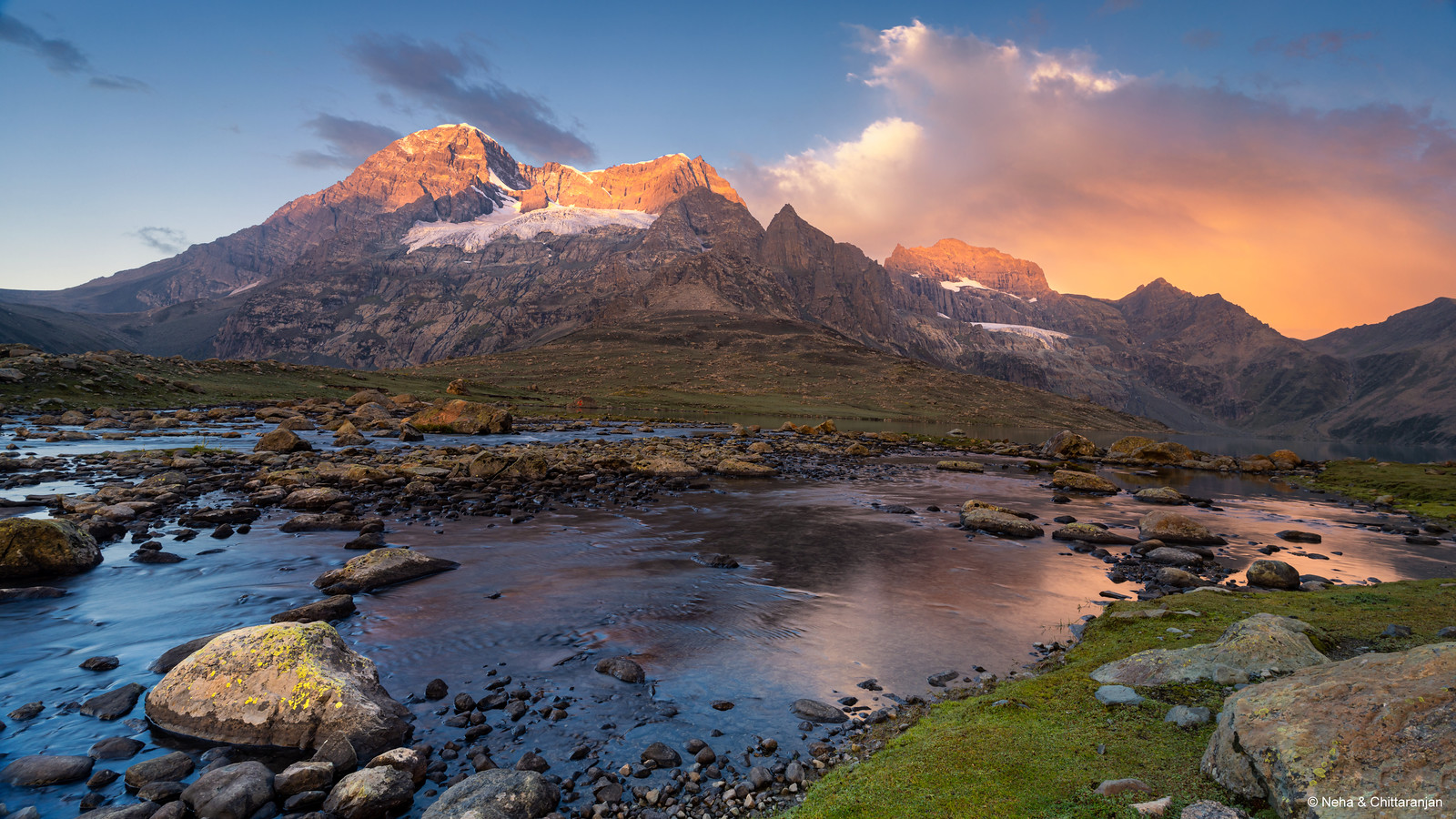
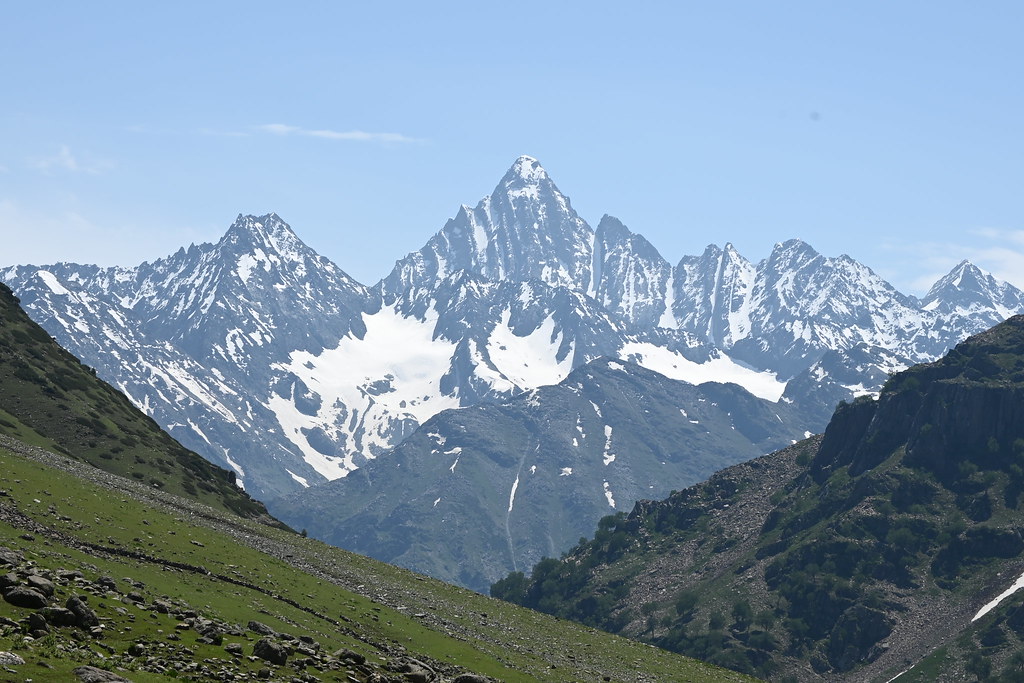
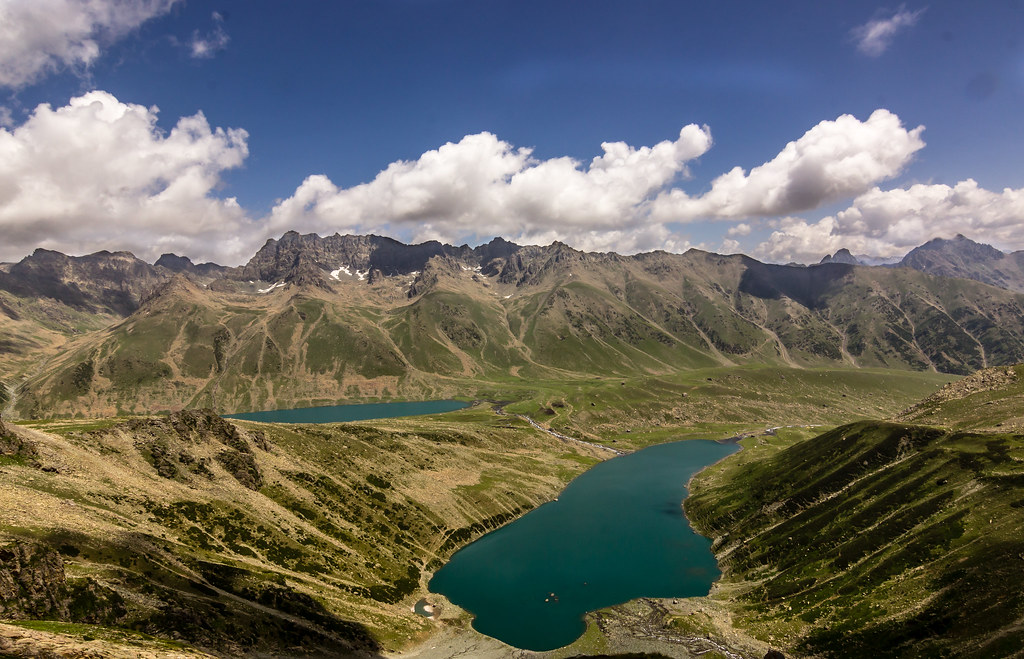
From the pass, the entire Gangabal basin opens up. More importantly, Mount Harmukh dominates the view.
Its glacier feeds the twin lakes below. Standing here, you clearly see how water, ice, and mountain connect. The scale feels quiet and overwhelming at the same time.
This view is the true reward of the Satsar to Gangabal climb.
Photography Tips for This Day
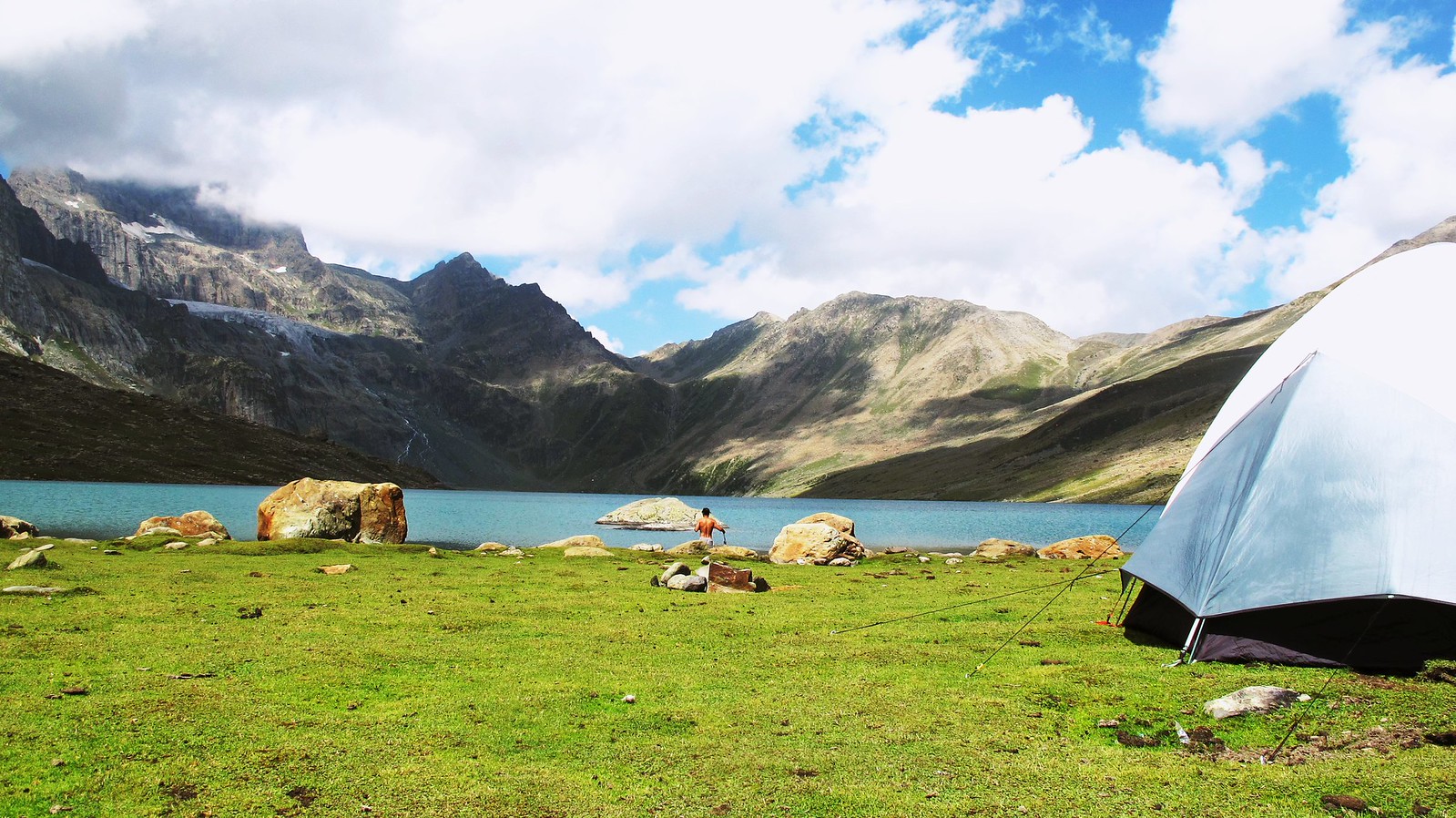
Light changes quickly in this basin, and timing matters more than gear.
The best photo moments usually are:
- Harmukh reflected in Gangabal during early morning or late afternoon
- The twin lakes view from the top of Zaj Pass
- The boulder section wrapped in morning mist
Midday light tends to flatten colours near the lakes, so patience pays off.
The Descent Towards Gangabal Twin Lakes
The descent from Zaj Pass is long but controlled. Knees feel the strain more than lungs.
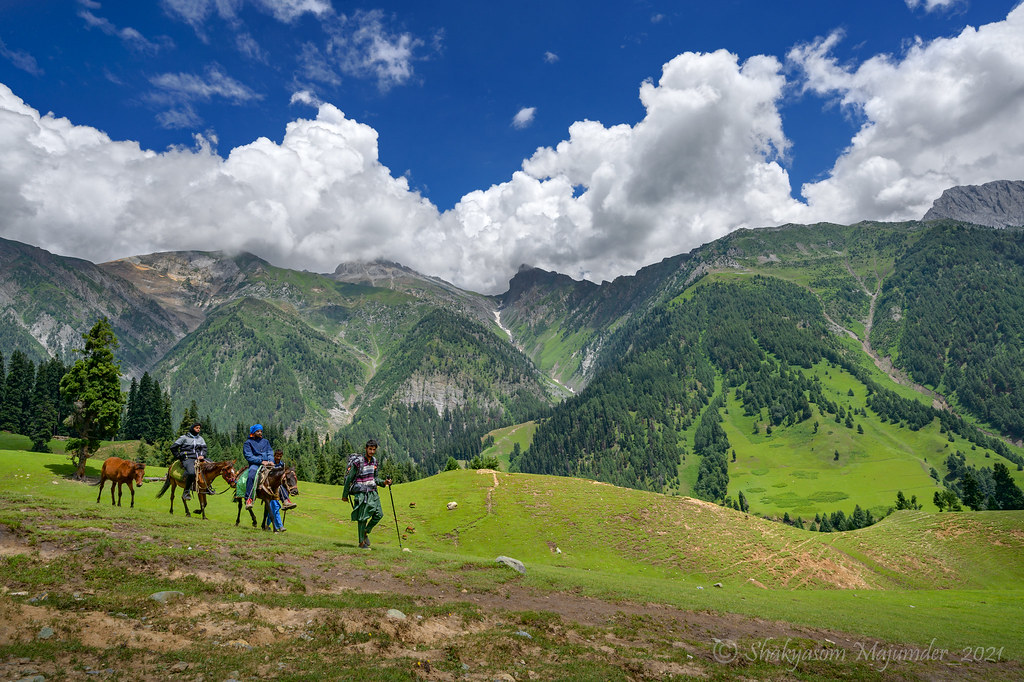
The trail moves through open meadows before turning rocky again. After a steep drop, the land flattens near the water.
You first reach Nundkol Lake. A wooden log bridge usually helps cross the stream near its outlet. During high water flow, guides may ask you to walk upstream to cross safely.
From Nundkol, Gangabal Lake is a 15–20 minute walk.
Discover the Other: Kashmir Great Lakes Trek Lakes
What Does Gangabal Lake Look Like?
Gangabal Lake feels wide and open the moment you reach it. The water reflects changing skies, shifting colour as clouds move.
The twin lakes feel balanced. One feels strong and expansive. The other feels quieter and contained.
Most trekkers grow silent here. Not from tiredness alone, but because the place feels complete.
This is where the Kashmir Great Lakes Trek settles into memory.
Campsite Reality Near Gangabal
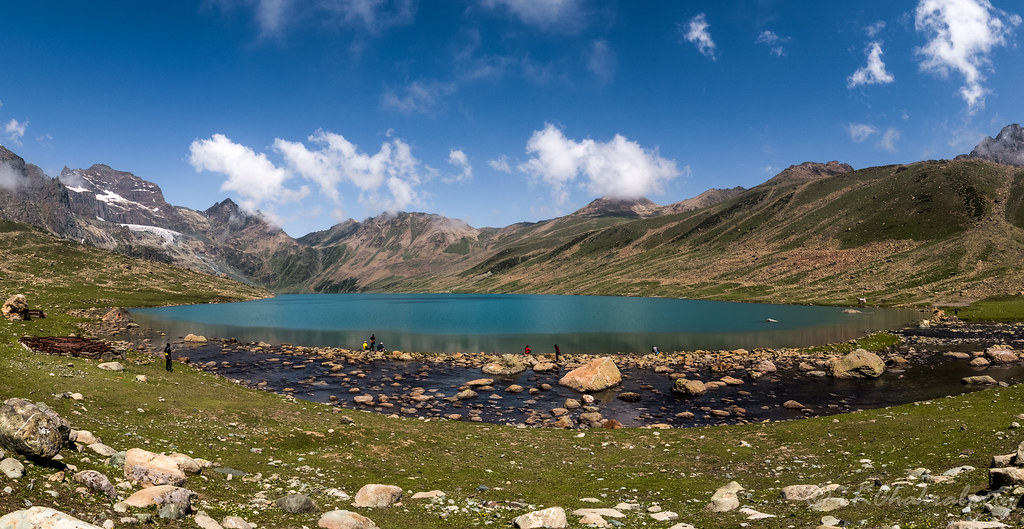
Camping near Gangabal is beautiful, but it is not untouched wilderness.
Because locals access this area from Naranag on weekends, you may notice signs of human presence near Nundkol. This contrasts with cleaner camps earlier in the trek.
Even so, evenings grow calm once day visitors leave. The open basin, surrounding peaks, and fading light restore the sense of scale.
Honest expectations make the experience better, not weaker.
Important Health, Network, and Safety Notes
At around 13,400 ft at Zaj Pass, mild altitude symptoms are normal, even for acclimatised trekkers.
Watch for persistent headache, nausea, or unusual fatigue. If symptoms appear, slow your pace immediately. Drink three to four litres of water through the day and eat small snacks every hour. Diamox can help if symptoms worsen. Most discomfort fades within thirty minutes of descending towards Gangabal.
Mobile network usually disappears after Satsar. Do not expect connectivity near the lakes.
An army check post exists near Gangabal. Entry timings matter, so arriving earlier reduces stress.
What If Weather Turns Bad on This Day?
Weather can change fast on this stretch.
Rain makes the boulder section slippery, adding time and caution. Fog near Zaj Pass reduces visibility, so staying close to the guide becomes important. High winds at the pass can drop windchill close to freezing, even in summer.
Keep a windproof layer accessible, not buried inside the backpack. In rare cases of severe weather, groups may halt at alternate camps before Gangabal.
Flexibility matters here.
How This Day Compares Within the KGL Trek
Within the Kashmir Great Lakes Trek, this day sits between Gadsar Pass and Nichnai Pass in difficulty.
The boulder section here is tougher than anything on Days 2 to 5. However, the overall elevation gain is less than the Gadsar day, which feels harder due to altitude.
Mentally, this day feels heavier early and lighter later. That balance makes it memorable.
Also read: Kashmir Great Lakes Trek Cost
Cultural Context and Local Respect
Gangabal and Nundkol are considered sacred by locals. Pilgrims visit during certain seasons.
The lakes are also known for trout fishing, though fishing is regulated and often restricted. Respect local customs and avoid entering the water.
These layers add depth beyond scenery.
Somewhere between the boulders and the lakes, you stop counting kilometres. You start noticing breath, wind, and silence instead.
If slowing down can reveal this much clarity, what else in life might look different if you stopped rushing through it?