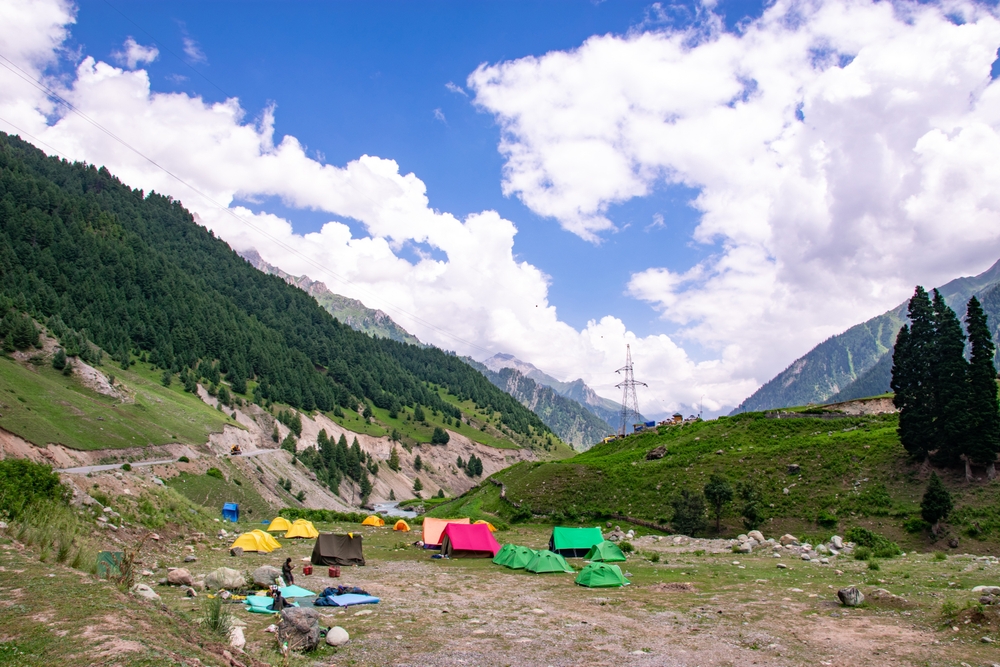
Day 8 of the Kashmir Great Lakes Trek covers the descent from Gangabal to Naranag, followed by a road journey to Srinagar, and it is the steepest and most reflective day of the entire trail.
If your main doubt is whether this day is physically demanding or emotionally heavy, the honest answer is that your knees work harder, while your mind quietly processes the week gone by.
Quick Facts: Gangabal to Naranag (Day 8 of KGL Trek)
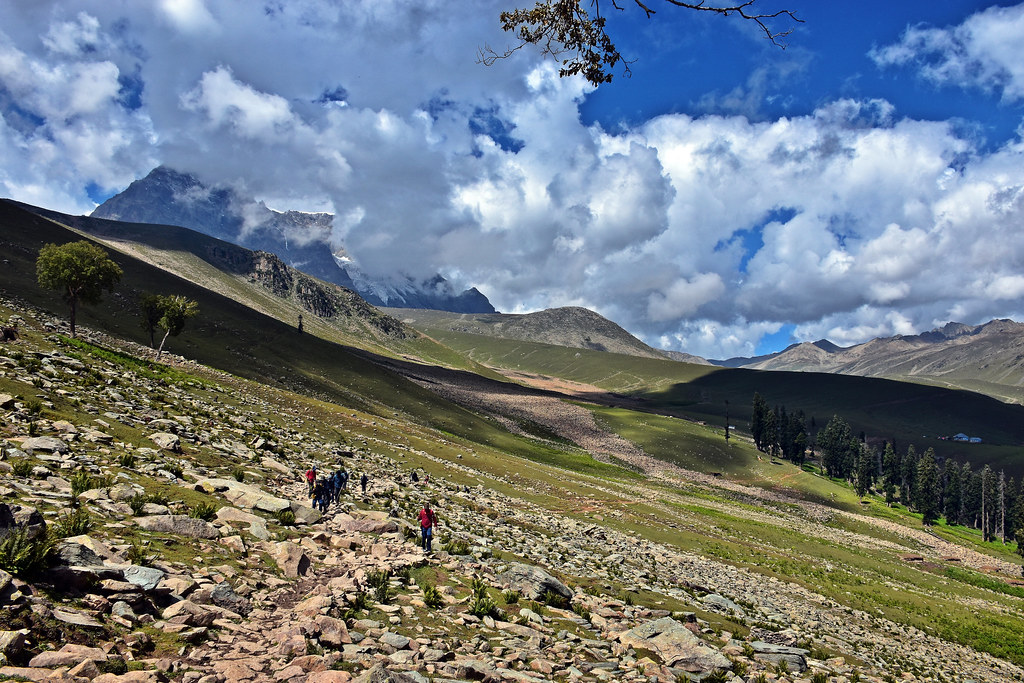
Before getting into emotions and stories, it helps to ground yourself with clear numbers. These details shape how you plan your pace and manage energy.
- Trek distance: 10 to 15 km
- Trekking duration: 6 to 7 hours
- Starting altitude: 3,505 m / 11,500 ft (Gangabal)
- Ending altitude: 2,271 m / 7,450 ft (Naranag)
- Elevation loss: Approx. 1,234 m
- Difficulty: Moderate due to long, continuous descent
- Day temperature: Around 17 to 20°C
- Early morning temperature: Can drop to 3 or 4°C near Gangabal
This is the longest downhill walk of the Kashmir Great Lakes Trek, even though there are no high passes involved.
Gangabal to Naranag: How Day 8 Begins
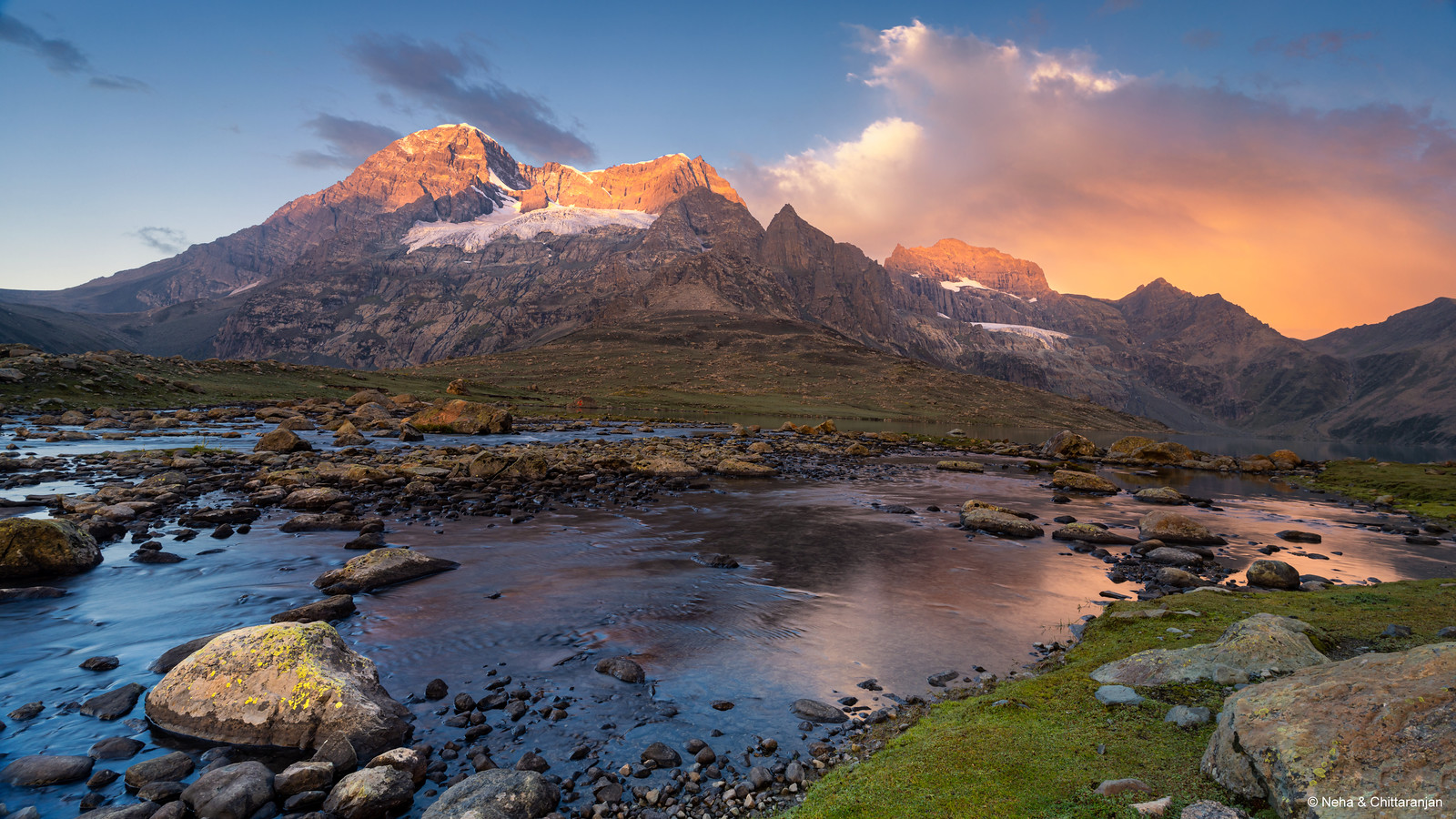
Day 8 of KGL Trek starts beside Gangabal, known quietly among locals for its brown trout and its calm, glassy waters. The lake sits at the base of Mount Haramukh, feeling older and wiser than most places you have walked through this week.
Mornings here are cold, even in peak season. Your fingers feel stiff as you pack, and steam rises from tea cups. I remember walking closer to the lake just to see the ripples once more, telling myself I would not rush this final goodbye.
Once you step onto the trail, the mountains gently push you downhill, step by step.
Discover the 7 Beautiful: Lakes on Kashmir Great Lakes Trek
Trail Breakdown: Gangabal to Naranag Route Explained
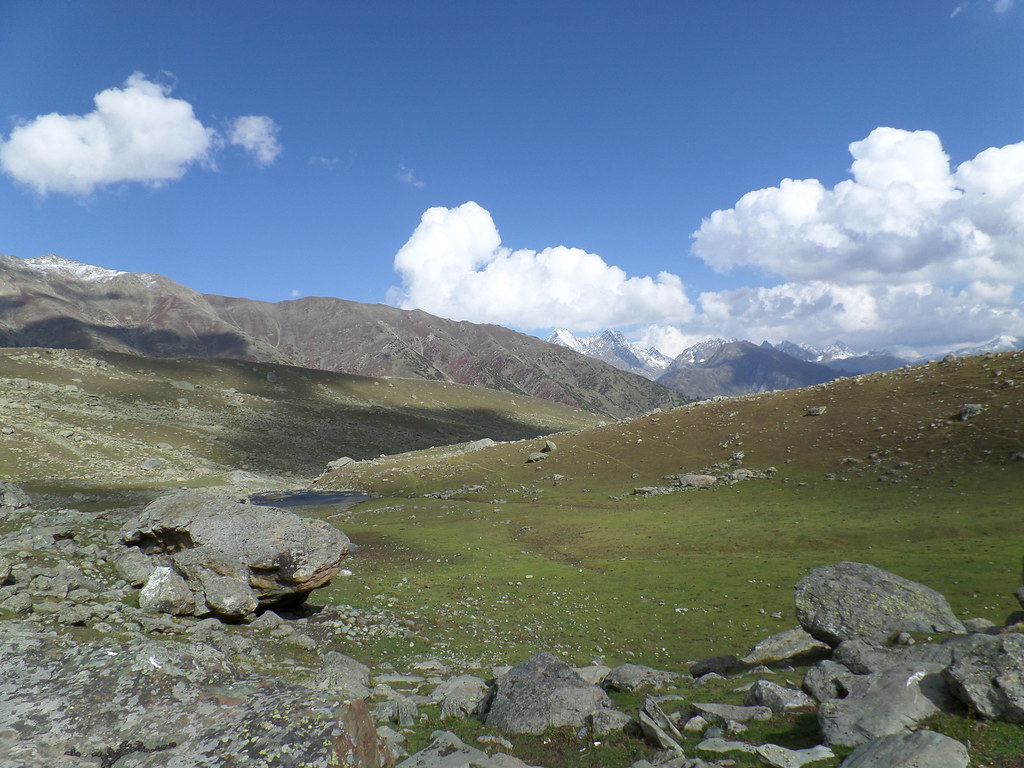
On paper, the Gangabal to Naranag trail map looks straightforward. On foot, it reveals layers of terrain and mood changes.
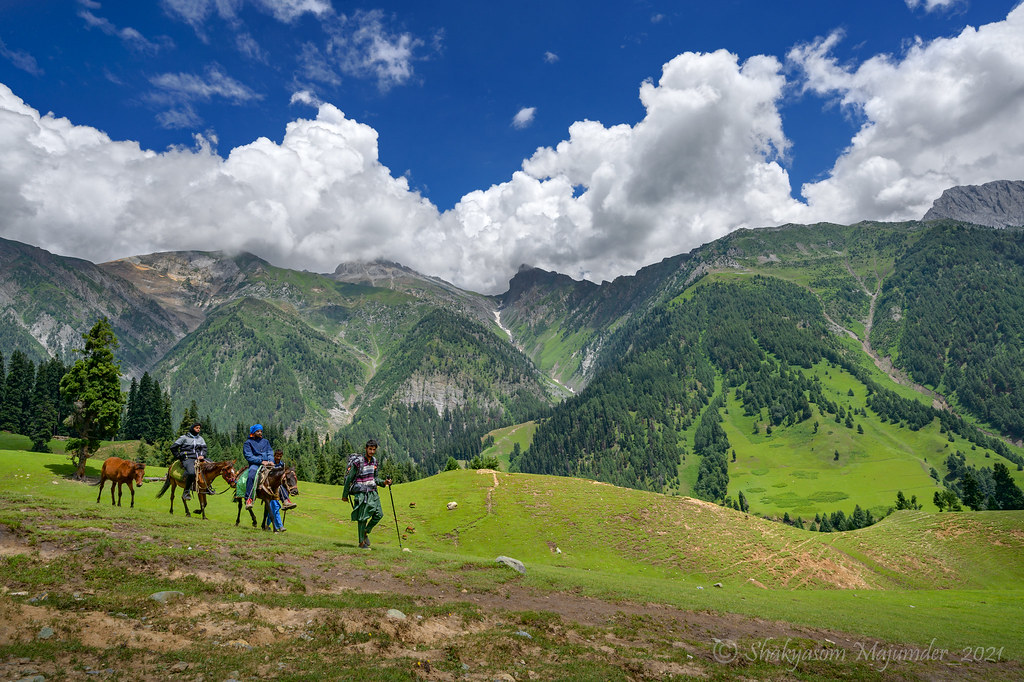
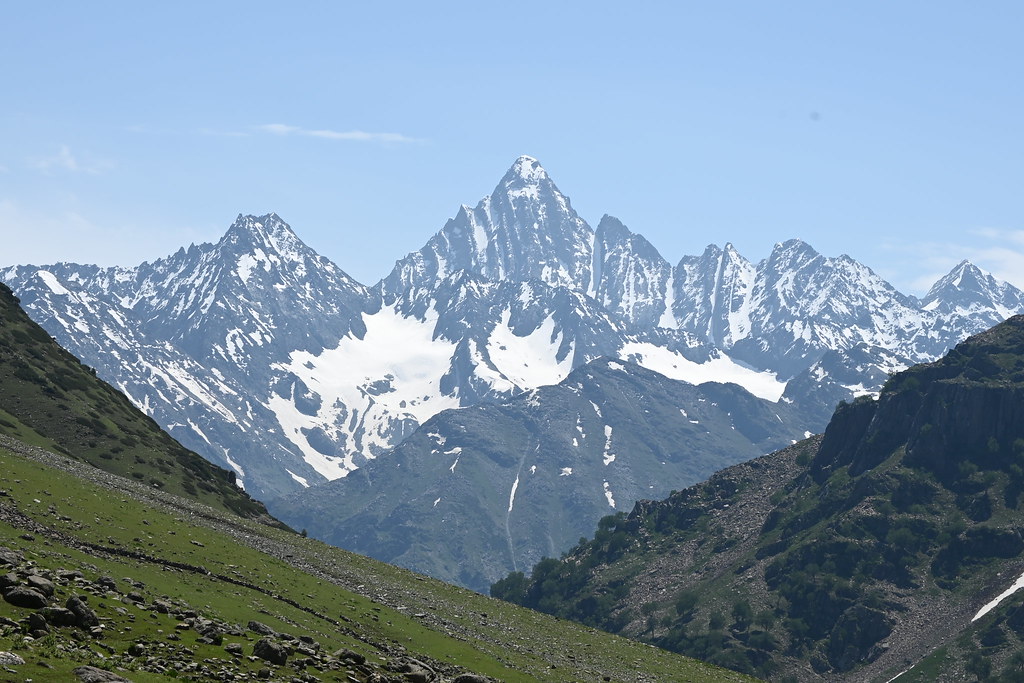
- 0 to 4 km: Gentle descent through open meadows with wide Harmukh valley views.
- Trunkhol meadows: Large grassy stretches where shepherds and horses are often seen.
- Bodpathri meadows: Rolling land that feels easy but quietly tires the legs.
- 7 km marker: The steep descent begins and continues for several kilometres.
- Butsheri or Budhshire forest ridge: Dense pine forest with narrow, shaded trails.
- Army checkpoint: Mandatory permit and ID verification point.
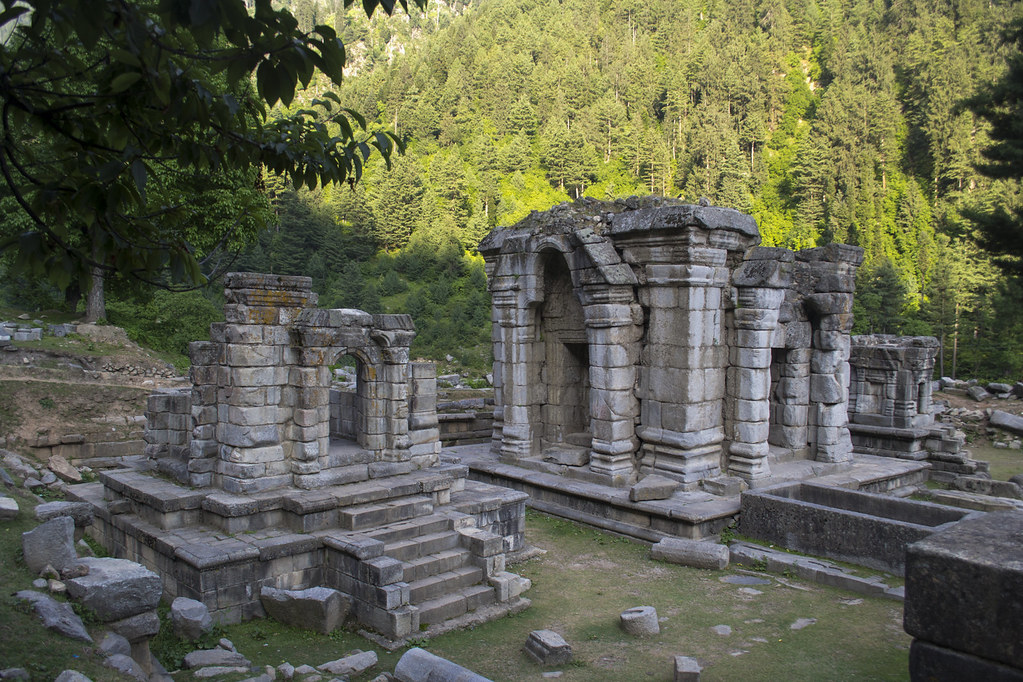
- Naranag village: Open ground, stone steps, and visible temple ruins.
Knowing these landmarks helps you mentally break the day into manageable sections.
Physical and Mental State on Day 8 of KGL Trek
Physically, your lungs finally feel relaxed. Descents do that. But your knees now take centre stage, especially after the 7 km mark where the slope sharpens.
Mentally, this day feels stretched. Thoughts drift easily. You remember earlier doubts, small victories, and campfire laughs. The Kashmir Great Lakes Trek has a way of slowing the mind, and Day 8 lets those thoughts settle before you return to roads and routines.
If you feel unusually quiet, let it be. Silence fits this trail.
Choose Your: Best Time for Kashmir Great Lakes Trek
Safety Considerations on the Gangabal to Naranag Descent
This descent is safe, but only if you respect it. Many trekkers underestimate this day because there is no climb left.
- Knee strain is common, as this is the steepest descent of the trek.
- Trekking poles are essential, not optional, especially on forest slopes.
- Footwear with good grip matters, since pine needles make paths slippery.
- Bear awareness is important in the Budhshire forest section. Stay in groups and avoid walking silently.
I have seen strong trekkers struggle here simply because they rushed the downhill.
Packing Access for Day 8 of KGL Trek
Your bag may be lighter now, but smart access makes the day smoother.
- Knee cap or crepe bandage, even if you never used it earlier.
- Rain jacket, as weather can shift quickly in forest zones.
- Water bottle, since refill points reduce after leaving Gangabal.
- Sunglasses, as light filters sharply through trees.
Avoid long halts. Short, frequent breaks keep joints happier.
Reaching Naranag: Signals, Roads, and Reality
Naranag does not arrive suddenly. The forest thins, the trail widens, and vehicle sounds slowly return. This is where network signals return for most trekkers.
BSNL connections typically work here, though signal strength varies. This is your first proper connectivity after several days in the mountains. Phones come out instinctively, though many people put them away just as fast.
The army checkpoint here verifies IDs and trek permits, so keep documents accessible.
Naranag Temple Ruins: An 8th-Century Pause
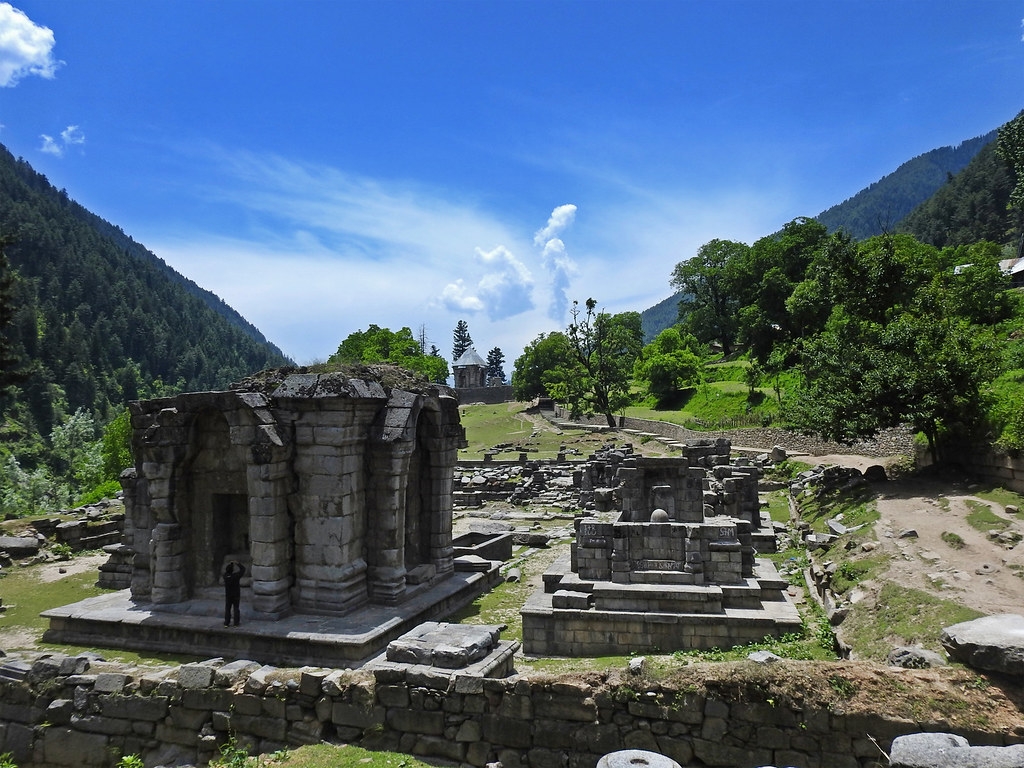
Beyond being a pickup point, Naranag holds quiet history. The ancient Naranag Shiva Temple complex dates back to the 8th century and is believed to have been built under King Lalitaditya.
The stone ruins stand against green meadows, weathered but dignified. Even a short visit reminds you that these valleys were sacred long before trekking routes existed.
If time allows, sit there for a few minutes. It feels like a respectful closing chapter.
Logistics and Timings: Naranag to Srinagar Drive
Once everyone gathers, bags are loaded and the road journey begins. The drive from Naranag to Srinagar usually takes 2 to 3 hours, covering roughly 50 to 77 km, depending on traffic.
Most groups reach Srinagar between 6:30 PM and 7:30 PM. Roadside tea stops feel indulgent after days of trekking food, though it is wise to eat light.
Your body is still adjusting, even if your mind is ready for comfort.
Get an Estimate of: Kashmir Great Lakes Trek Cost
Practical Tips for a Calm Final Day
Small decisions today decide how you remember the ending.
- Start early from Gangabal, ideally around 7 AM.
- Slow down after the 7 km marker, regardless of how strong you feel.
- Change into dry clothes at Naranag before the drive.
- Acknowledge your support team, because their journey ends here too.
Closure deserves attention.
Why Gangabal to Naranag Lingers in Memory
Gangabal to Naranag is not dramatic like earlier days of the Kashmir Great Lakes Trek. There are no new lakes or passes waiting ahead. Yet this day teaches you how to step out of something meaningful without rushing.
It shows that endings do not need noise. Sometimes, a long walk downhill, quiet thoughts, and tired knees are enough.
And when city life slowly fills the silence again, you may find yourself asking. How often do we give endings the patience they deserve?