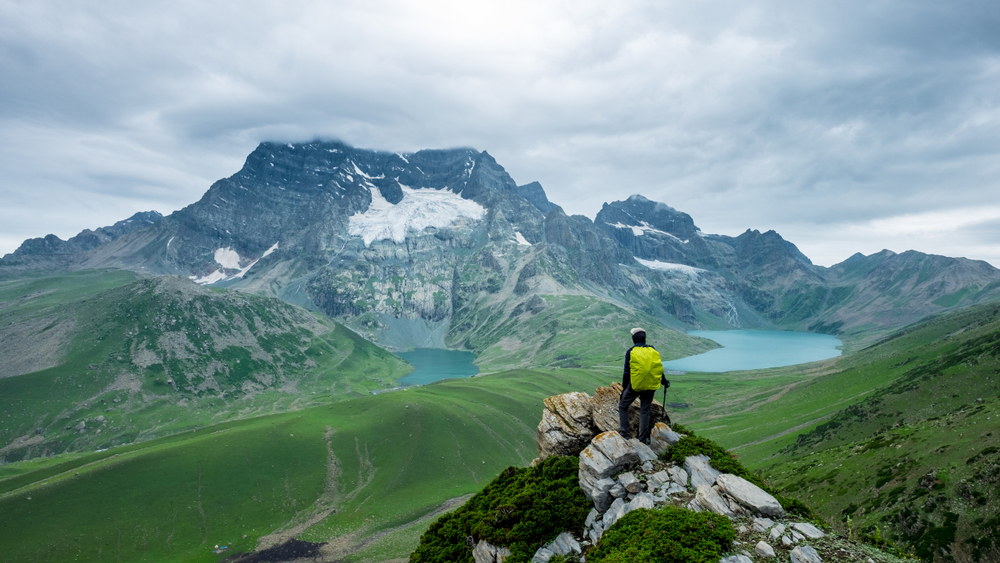
The Kashmir Great Lakes trek exit points are very limited, and once you move beyond Vishansar Lake, evacuation becomes slow, costly, and physically demanding, which is why exit planning is critical for anyone trekking in 2026.
If you are researching this properly, you are already doing the right thing. This trek is breath taking, but it is not forgiving when things go wrong. This guide exists to help you understand where you can realistically get out, when you must turn back, and what actually happens in emergencies.
What this guide is based on (read this once)
This article is compiled using:
- Safety protocols followed by licensed Kashmir trek operators
- Inputs from local guides operating between Sonamarg and Naranag
- Documented evacuation cases shared by operators from 2019–2025
- Standard evacuation practices aligned with Indian Mountaineering Foundation norms
This is not marketing content. It is a decision-support guide for trekkers.
Trek season and safety context for 2026
For 2026, the expected operational window remains:
- Trek season: 1 July to 15 September
- Safest period: Mid-July to late August
- Higher risk periods: Early July (snowmelt) and September (weather instability)
Most reported evacuation cases on Kashmir Great Lakes trek happen during the shoulder periods, not peak season. Planning dates wisely reduces evacuation risk more than fitness alone.
Kashmir Great Lakes exit points map (2026)
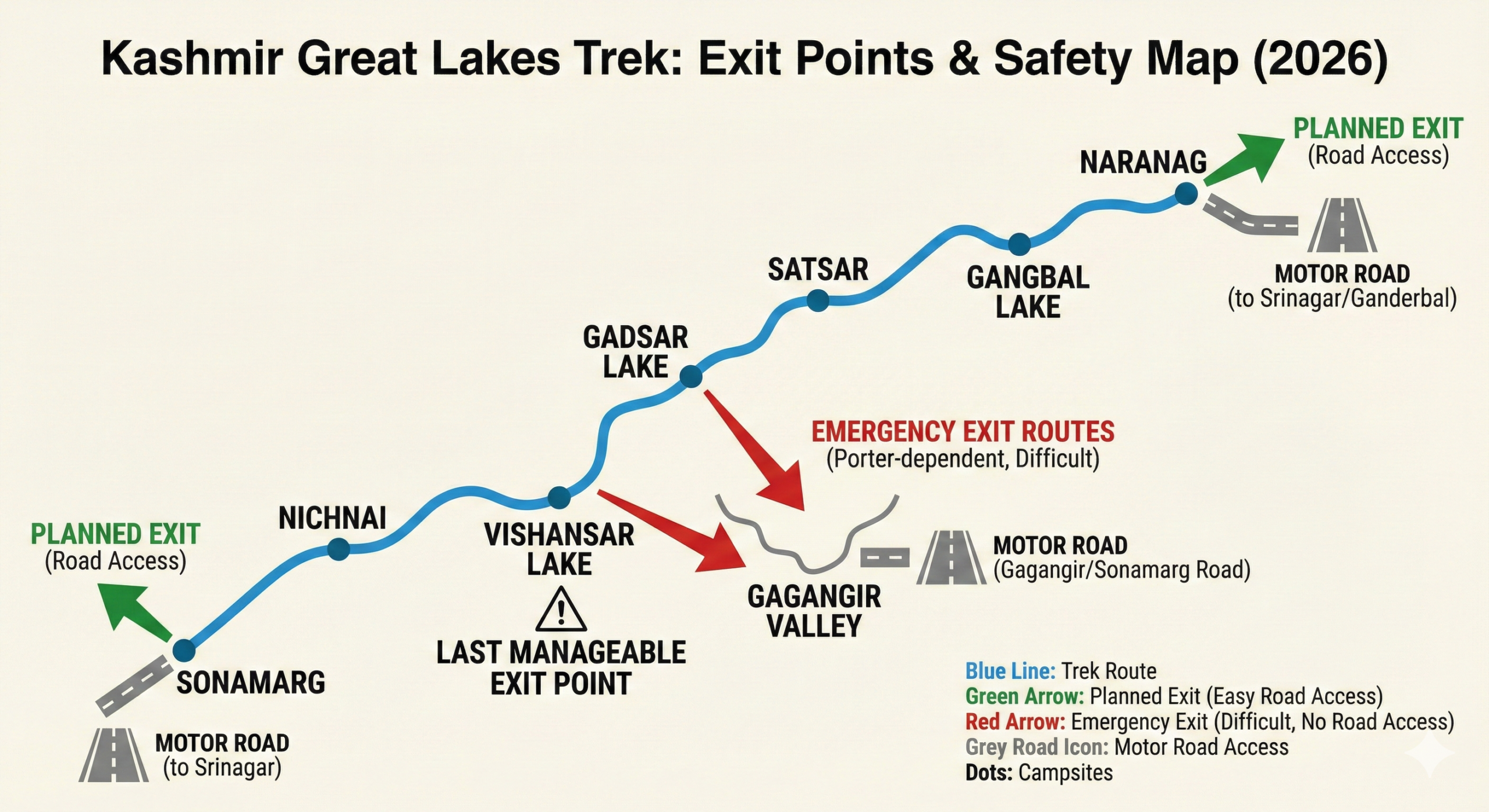
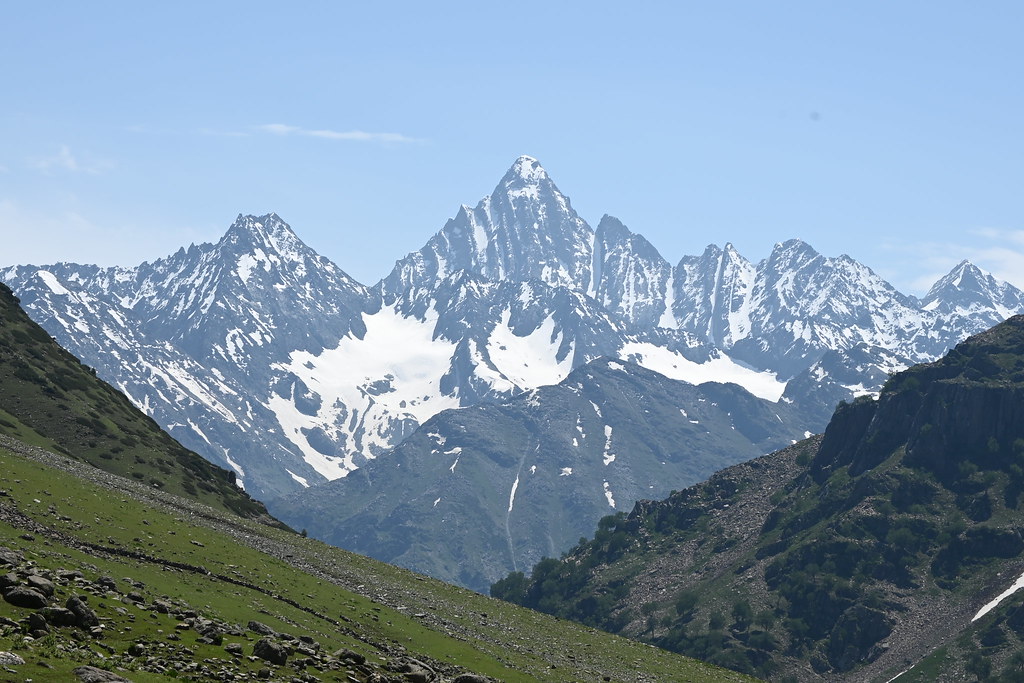
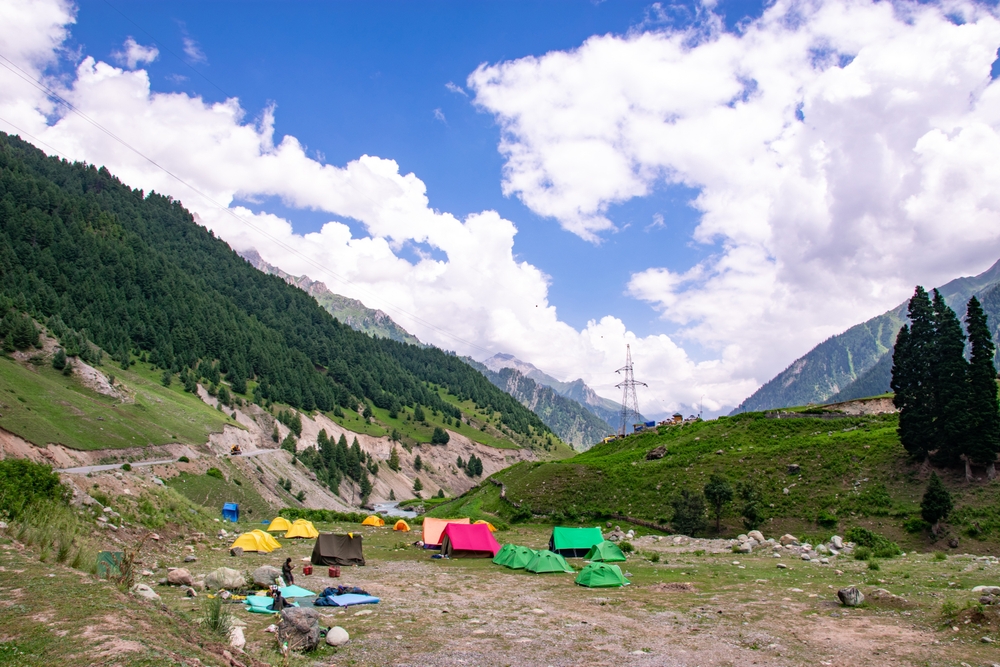
Before reading tables or procedures, you need a visual sense of the terrain. Exit points here are about geography, not theory.
How to read the route
- The trek starts near Sonamarg and ends at Naranag
- Camps progress through Nichnai, Vishansar, Gadsar, Satsar, and Gangbal
- Vishansar Lake is the last manageable decision point for turning back
Everything after that involves serious logistics.
Exit points on Kashmir Great Lakes Trek: camp-by-camp reference table
This trek needs comparison, not assumptions. Use this table when planning or reassessing mid-trek.
| Camp Location | Exit Type | Typical Evacuation Time | Road Access | Risk Level | Practical Reality |
|---|---|---|---|---|---|
| Sonamarg / Nichnai | Planned | 2–4 hours | Yes | Low | Easiest and safest exit |
| Vishansar Camp | Conditional | 6–8 hours | At Sonamarg | Moderate | Last realistic turn-back |
| Gadsar Camp | Emergency only | 8–11 hours (often split) | Near Gagangir | High | Weather & porter dependent |
| Satsar Region | Carry-out only | 1–2 days | No | Very High | No functional exit |
| Gangbal → Naranag | Planned | 4–6 hours descent | Yes | Low | Final road access |
This table is the backbone of your exit planning.
Altitude and evacuation difficulty: why exits get harder
Altitude directly affects evacuation difficulty on this trek.
- Nichnai Camp (~3,505 m): Mild altitude stress, easy descent
- Vishansar Lake (~3,658 m): Moderate altitude, long descent
- Gadsar (~3,810 m; pass ~4,206 m): High altitude, difficult terrain
- Satsar / Gangbal (3,500–3,650 m): Remote, no nearby roads
Higher altitude plus remoteness is what turns small issues into serious evacuations.
Why Vishansar Lake is the real point of no easy return
Unlike most Himalayan treks, this route does not offer frequent road exits. Vishansar Lake is where flexibility ends.
Before Vishansar, evacuation usually means walking back. After Vishansar, evacuation means porters, time, and money. Many serious incidents escalate because trekkers choose to “see how it goes” beyond this point.
This is why experienced guides reassess health very strictly here.
Emergency evacuation procedure (Kashmir-specific reality)
Evacuation on this trek is slower than on popular routes due to terrain and local restrictions.
The standard process followed is:
- Medical assessment and stabilisation at camp
- Decision on walk-out versus carry-out
- Communication with base team (often via satellite phone)
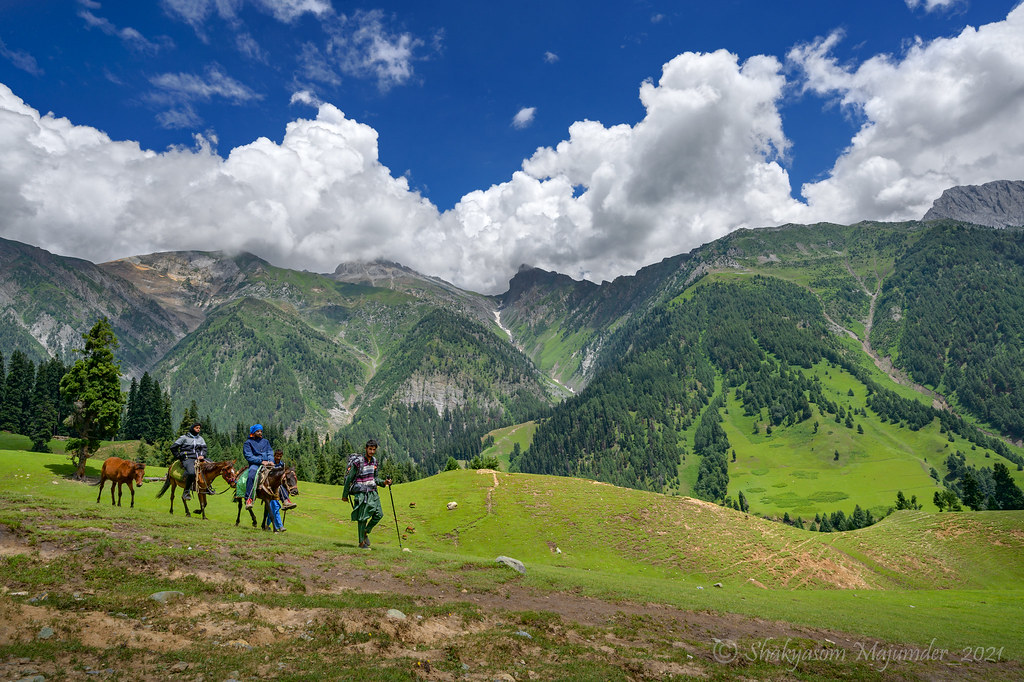
- Arranging porter or mule support
- Movement only during daylight due to safety norms
- Evacuation paced around weather windows, not urgency alone
Night evacuation is avoided unless life-threatening. Passes often close after noon due to weather shifts.
Always Choose Your: Best Time for Kashmir Great Lakes Trek
Emergency contacts every trekker must save
Local numbers change seasonally and are shared during trek briefings. These never change across India:
- All-India Emergency: 112
- Ambulance services: 108
Medical access hierarchy
- Primary Health Centre at Sonamarg
- District hospitals at Ganderbal or Kangan
- Major hospitals in Srinagar
Always confirm local authority and operator emergency contacts before starting the trek.
Real evacuation case studies from this route
Case Study 1: Gadsar Camp, August 2024
- Trekker: Male, 32, average fitness
- Issue: Severe altitude sickness
- Wrong decision: Continued beyond Vishansar despite early AMS symptoms
- Evacuation route: Gadsar → Gagangir
- Time: ~11 hours over two days
- Cost: ~₹32,000
- Outcome: Full recovery after hospitalisation
Key lesson: Symptoms ignored at Vishansar often become emergencies later.
Case Study 2: Nichnai sector, July 2023
- Trekker: Female, 41
- Issue: Knee ligament strain
- Decision: Immediate descent
- Evacuation: Walk-back to Sonamarg
- Time: ~3 hours
- Outcome: Same-day medical care
Key lesson: Early exits work when taken early.
Cost reality of emergency evacuation
Evacuation here is manpower-heavy.
- Porter or mule support: ₹15,000–₹25,000 per day
- Additional guide coordination: ₹5,000–₹8,000
- Transport to Srinagar: ₹3,000–₹6,000
- Extra stay and food: Variable
Insurance helps only if evacuation is documented and operator-supported.
Safety issues, accidents, and illness on this trek
Serious accidents on this trek are rare, but evacuations do happen. Most escalate due to delayed decisions, not sudden disasters.
If someone feels sick on the Kashmir Great Lakes Trek, the safest action is early descent, not rest days at high camps. Choosing the right season reduces evacuation risk more than pushing fitness limits.
How this trek compares to others
Compared to routes like Kedarkantha or Hampta Pass, this trek:
- Has fewer exit points
- Has longer carry-out distances
- Depends heavily on human evacuation
- Penalises delayed decisions
This is not a trek where casual planning works.
Understanding exit points on Kashmir Great Lakes Trek is not about fear. It is about respect for terrain that gives you unmatched beauty but very little margin for error.
Before you cross Vishansar Lake, pause and ask yourself honestly.
If someone in my group cannot walk tomorrow, do we know exactly what we will do next?