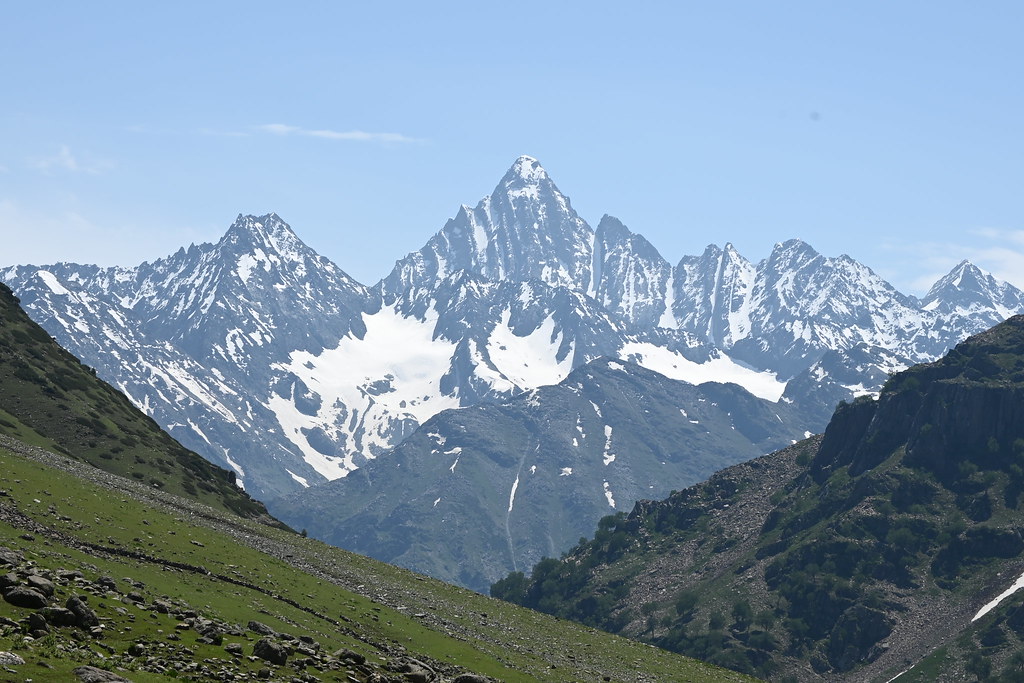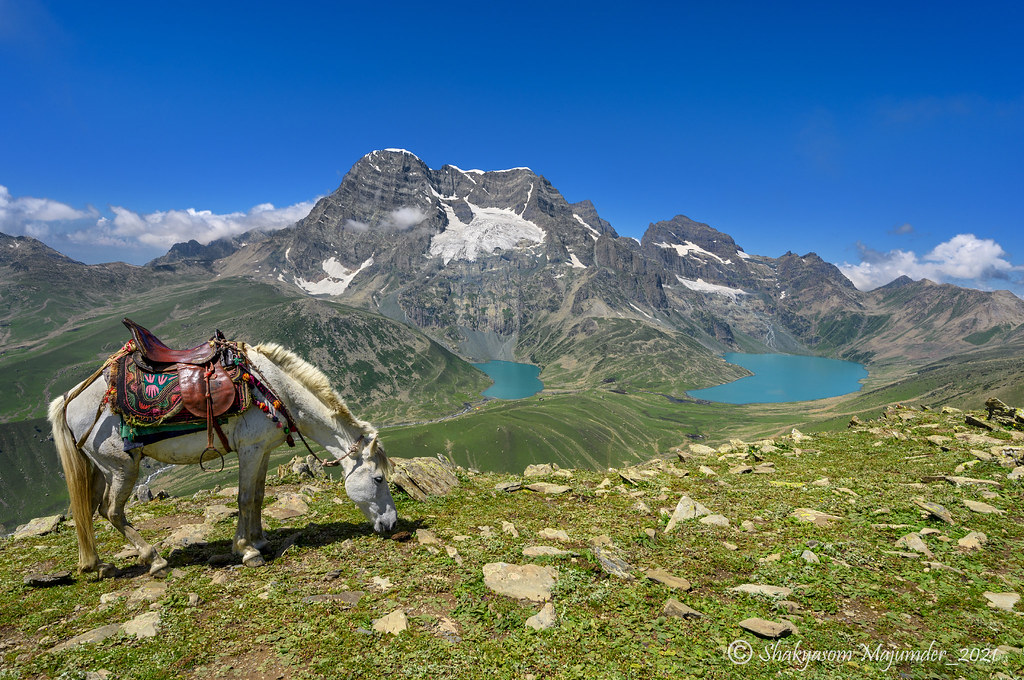
The Five Valleys on the Kashmir Great Lakes Trek unfold over six trekking days. You begin in the gentle meadows of Shitkadi Valley, push through the narrow stretches of Nichnai Valley, tackle the wild terrain of Gadsar Valley, walk patiently across the long basin of Satsar Valley, and finally reach the wide, dramatic Gangbal Valley beneath Mount Haramukh.
Each valley brings a different challenge, mood, and pace, shaping how the trek actually feels on your body and mind. If you understand these valleys, you understand the trek. Lakes are bonuses. Valleys decide everything else.
Also Check: Best Time for Kashmir Great Lakes Trek
Why Valleys Matter More Than the Lakes
Most people planning the Kashmir Great lakes trek focus on lake names and photos. That excitement is fair. But once you start walking, valleys become your entire world.
A valley controls how long you walk, how cold your nights feel, and how tired you get before dinner. It decides whether clouds get trapped, whether streams overflow, and whether your legs feel light or heavy.
When someone asks me if this trek suits them, I never talk about altitude first. I talk about valleys. They reveal patience, mindset, and stamina far more honestly.
Your Day-by-Day Valley Journey
You do not jump randomly between valleys. The trail flows naturally, and knowing this helps you pace yourself mentally.
- Day 1: Enter Shitkadi Valley from Sonamarg
- Day 2: Cross Nichnai Pass into Nichnai Valley
- Day 3: Climb Gadsar Pass and descend into Gadsar Valley
- Day 4: Walk through Gadsar towards Satsar Valley
- Day 5: Cross into Gangbal Valley
- Day 6: Descend towards Naranag
Once you see this progression, the trek stops feeling mysterious and starts feeling manageable.
Day 1–2: Shitkadi Valley (Your Gentle Entry)
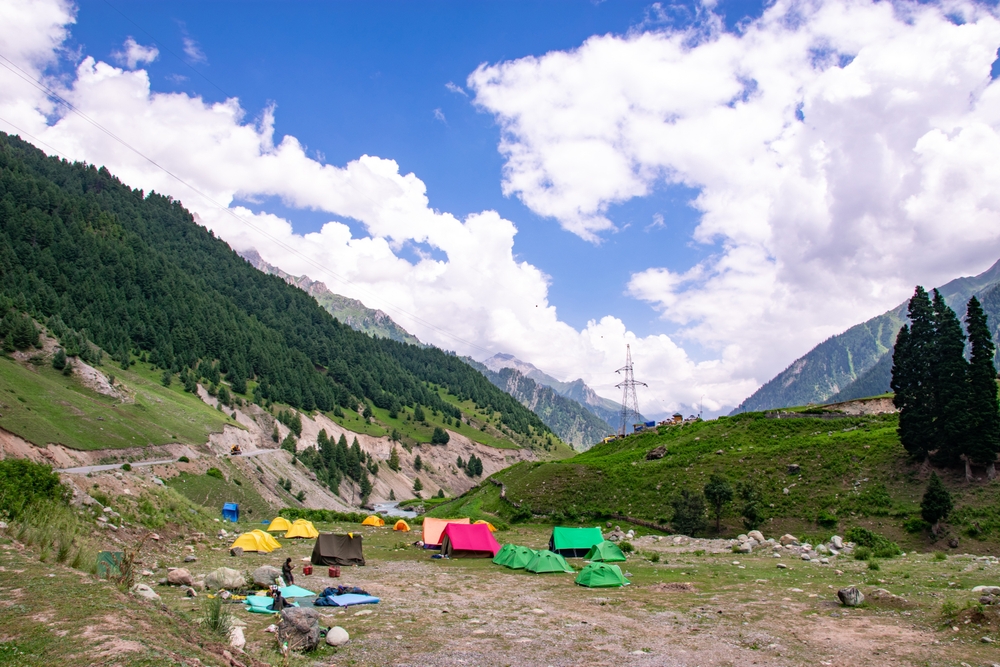
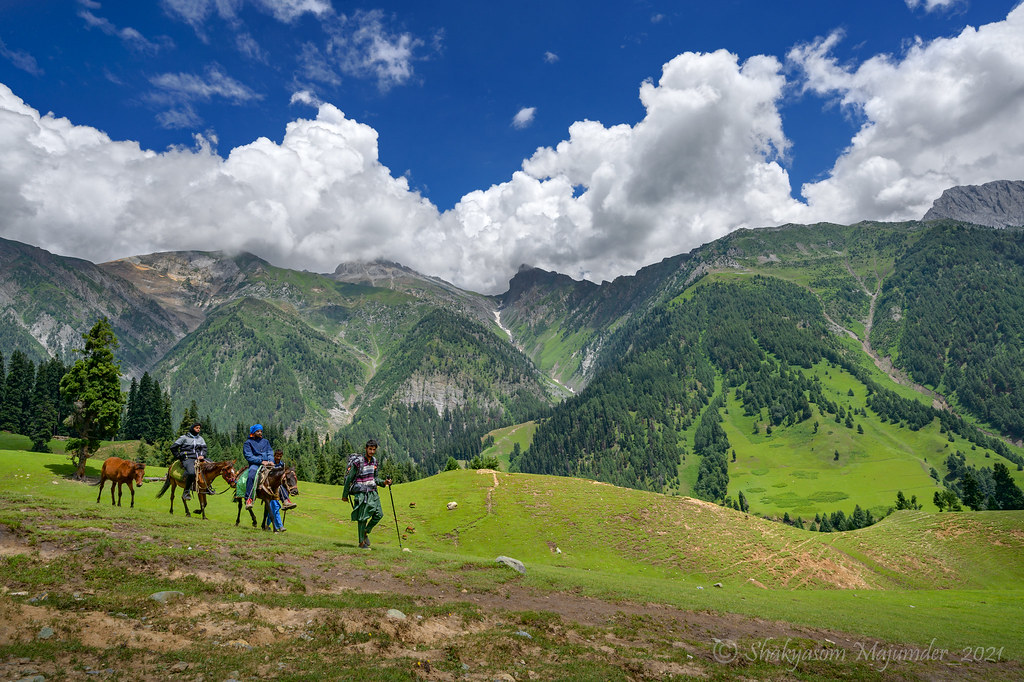
Shitkadi Valley is where most trekkers begin their journey from Sonamarg. The valley opens wide, with soft grass underfoot and clear streams running beside the trail.
This valley feels friendly. Almost too friendly. That is why people make mistakes here.
You feel strong. You walk fast. You laugh loudly. Then the evening hits, and altitude quietly reminds you where you are. Headaches, loss of appetite, or restless sleep are common.
Shitkadi teaches your first lesson. Slow down even when the trail feels easy.
What to keep in mind here
- Altitude gain begins immediately
- Hydration matters more than speed
- This is acclimatisation, not a warm-up
Day 2–3: Nichnai Valley (Where Patience Is Tested)
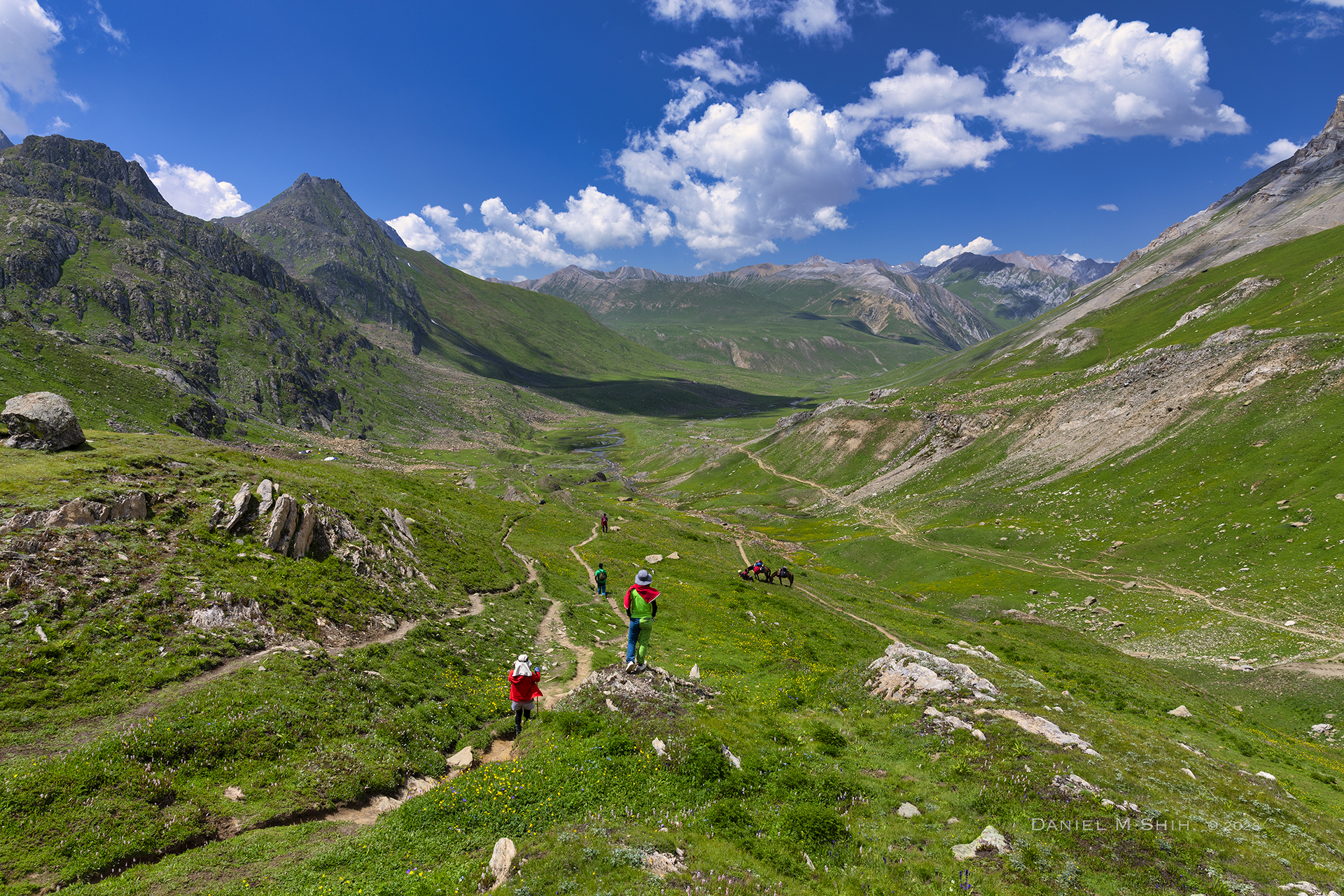
Nichnai Valley changes the mood of the trek. The trail narrows. The valley feels enclosed. Streams cut across your path repeatedly.
Shoes get wet. Socks stay damp. Clouds hang low even on clear days. Walking feels longer than the distance suggests.
This is where many trekkers question their decision. Nothing dramatic happens. The effort is simply constant.
I have seen strong walkers struggle here, not physically, but mentally. Nichnai asks you to accept discomfort without complaint.
Real challenges of Nichnai
- Long walking hours with few visual rewards
- Cold winds near the pass
- Easy to underestimate the day
Crossing Nichnai calmly prepares you for the heart of the KGL Trek Valleys.
Day 3–4: Gadsar Valley (The Wild Core of the Trek)
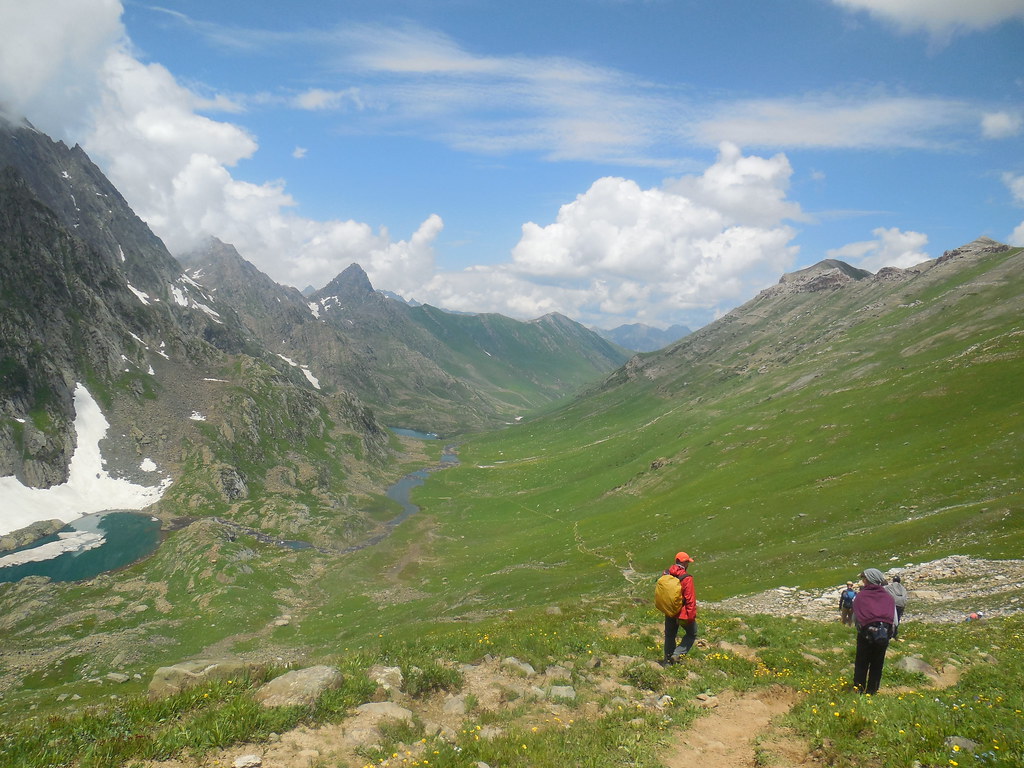
Gadsar Valley feels raw and untamed. The climb to Gadsar Pass is steep and exposed. Wind picks up early. Breathing becomes deliberate.
This valley does not hide its difficulty. Weather shifts quickly. Sunshine can turn into hail without warning.
Then comes the reward. As you descend, lakes appear suddenly. The valley opens up. Fatigue mixes with awe.
Many trekkers call this the most beautiful section. I call it the most honest. Gadsar gives back exactly what you put in.
Respect this valley
- Start pass crossings early
- Carry rain protection even on clear mornings
- Stay close to your group
Day 4–5: Satsar Valley (The Silent Test)
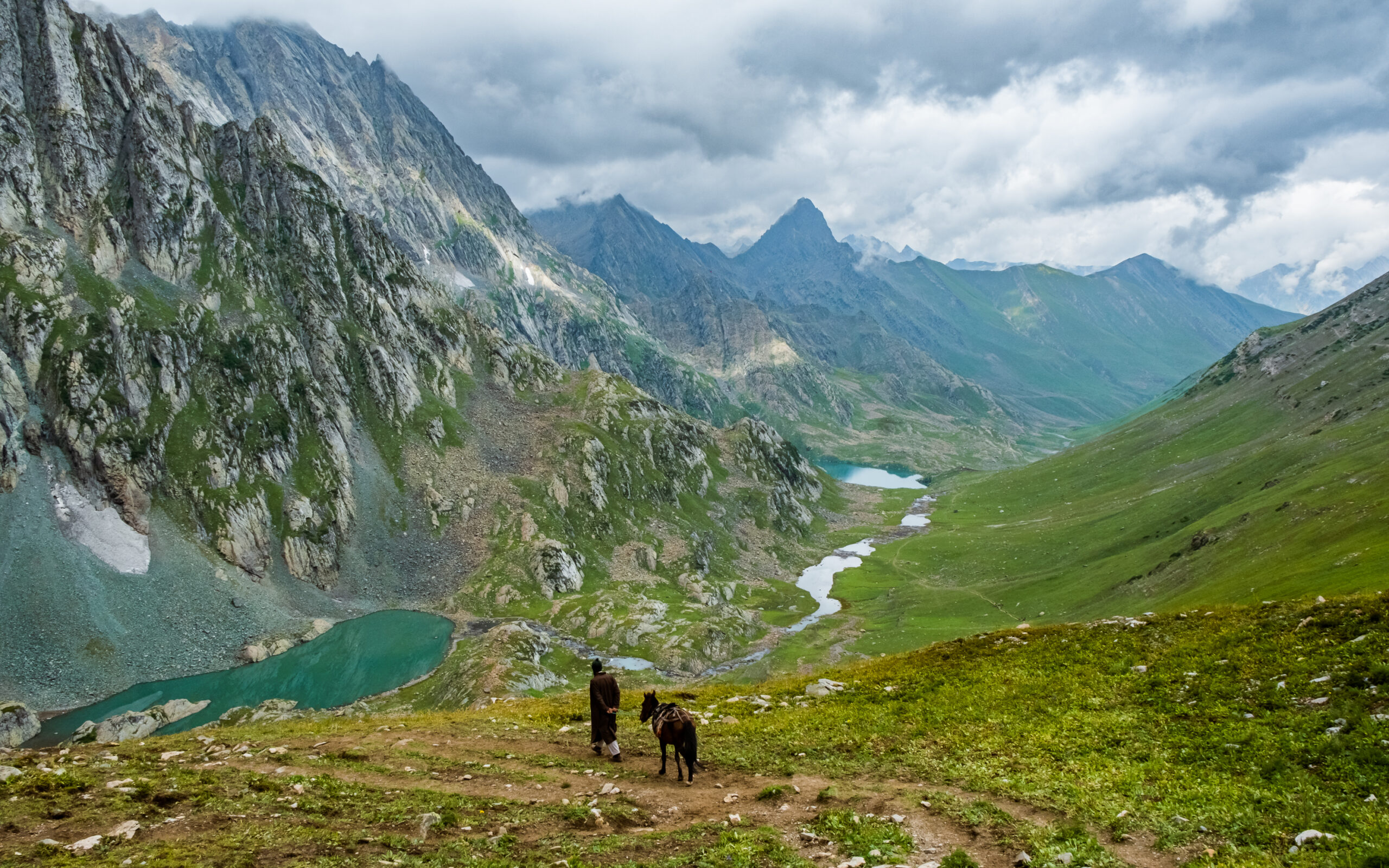
Satsar Valley is wide, quiet, and deceptively simple. Seven lakes sit scattered across the basin. The terrain stays mostly flat.
This is not a hard day physically. It is a long one mentally.
The scenery changes slowly. Landmarks feel distant. Time stretches. People who rely on excitement struggle here.
Satsar teaches you to walk without needing constant reward. If you enjoy silence, this valley feels peaceful. If not, it feels heavy.
Mental checkpoints
- Eat regularly even if appetite drops
- Stay present, not impatient
- Walk your own pace
Day 5–6: Gangabal Valley (The Emotional High Point)
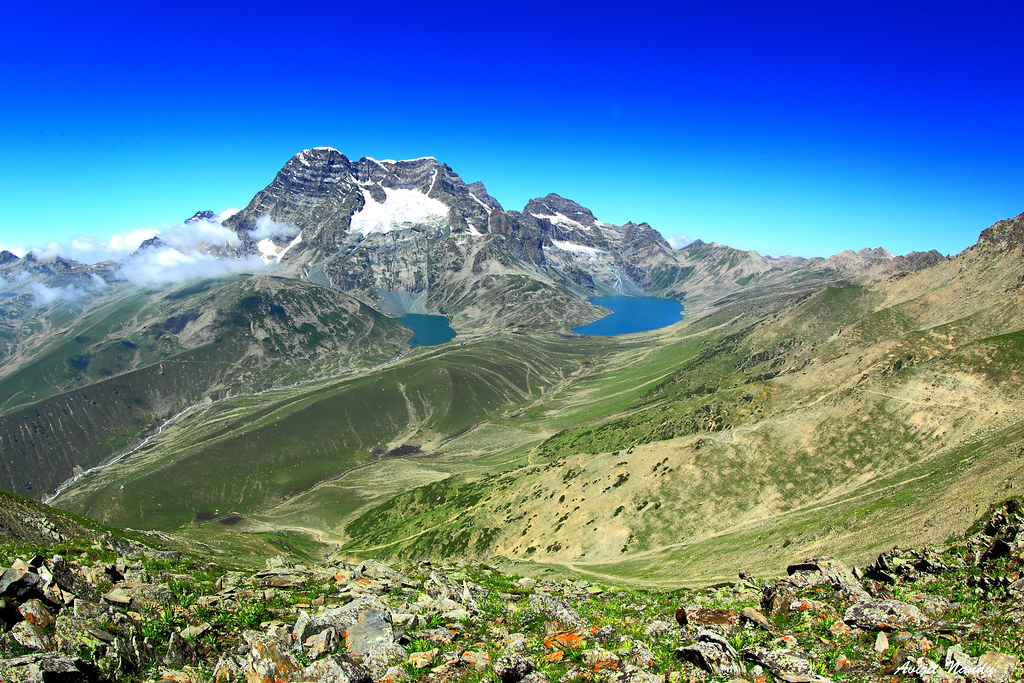
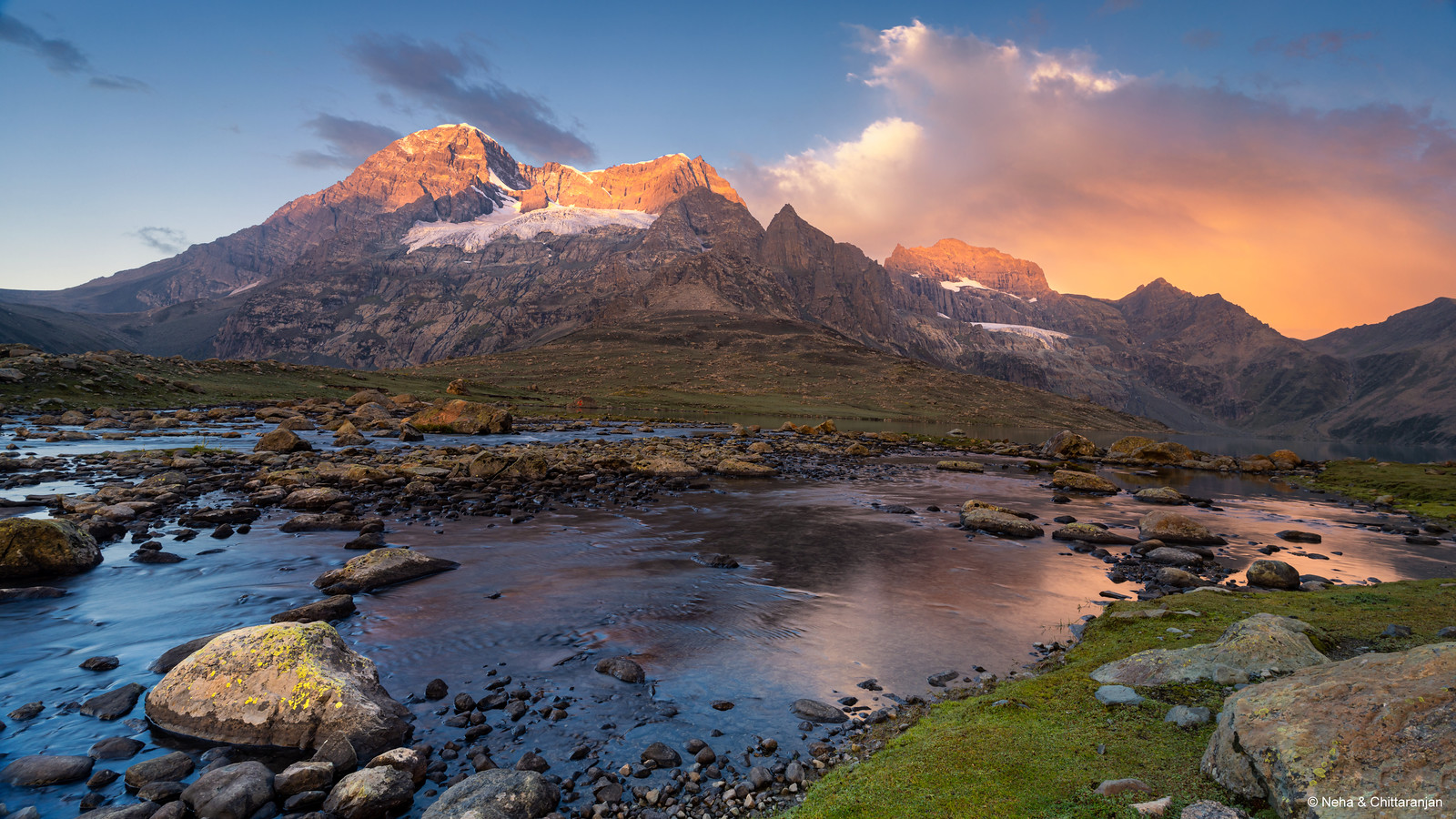
Gangabal Valley opens suddenly and stays with you long after the trek ends. Mount Harmukh rises dramatically in the background, watching over the twin lakes.
After days of enclosed valleys, this openness feels healing. People walk slower here, not from fatigue, but from disbelief.
This valley brings reflection. You think about your first day. You think about moments you wanted to quit. Completion feels quiet and personal.
For many, this becomes the emotional peak of the Kashmir Great lakes trek.
Why Gangbal stays unforgettable
- Vast landscapes calm tired minds
- Campsites feel earned
- The journey finally settles inside you
Which Valley Is the Hardest and Which Is the Most Beautiful
People often ask this as if there is one right answer. There is not.
- Hardest for endurance: Nichnai Valley
- Hardest physically: Gadsar Pass in Gadsar Valley
- Most dramatic: Gadsar Valley
- Most peaceful: Satsar Valley
- Most emotionally rewarding: Gangabal Valley
Your experience depends on your mindset, not just fitness.
Final Thoughts to Carry With You
The Five Valleys on the Kashmir Great Lakes Trek are not just landscapes. They are phases of effort, doubt, patience, and reward.
If you walk them with respect, they give you more than photographs. They give you perspective.
So before you ask how many lakes you will see, ask yourself one quieter question.
Which valley are you most ready to face?