The political angle of the Kashmir Great Lakes trek exists mostly in headlines, not on the trail. For most trekkers the reality on the ground feels calm, well managed, and far removed from daily politics.
That one line addresses the biggest fear straight away. This trek is not just about lakes and meadows. It carries a reputation. Some of it is deserved., but most of it is exaggerated. And a lot of confusion comes from mixing tourism with geopolitics.
Why people think the Kashmir Great Lakes trek is political
Before discussing safety or security, it helps to understand why this doubt even exists. Kashmir has been in the news for decades. Curfews, shutdowns, tense headlines. When you add the word “Kashmir” to any plan, family WhatsApp groups light up.
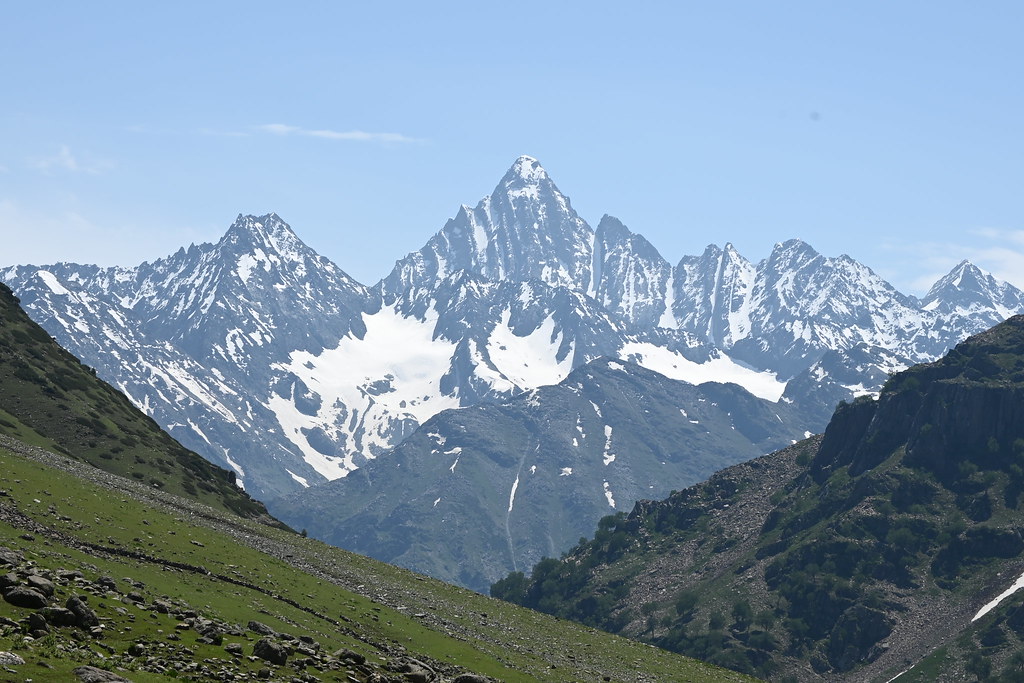
But trekking routes and political hotspots are two very different worlds. The Great Lakes trail stays far away from city centres, protest zones, and sensitive civilian areas. You move through forests, alpine passes, and grazing lands where daily life looks nothing like prime-time debates.
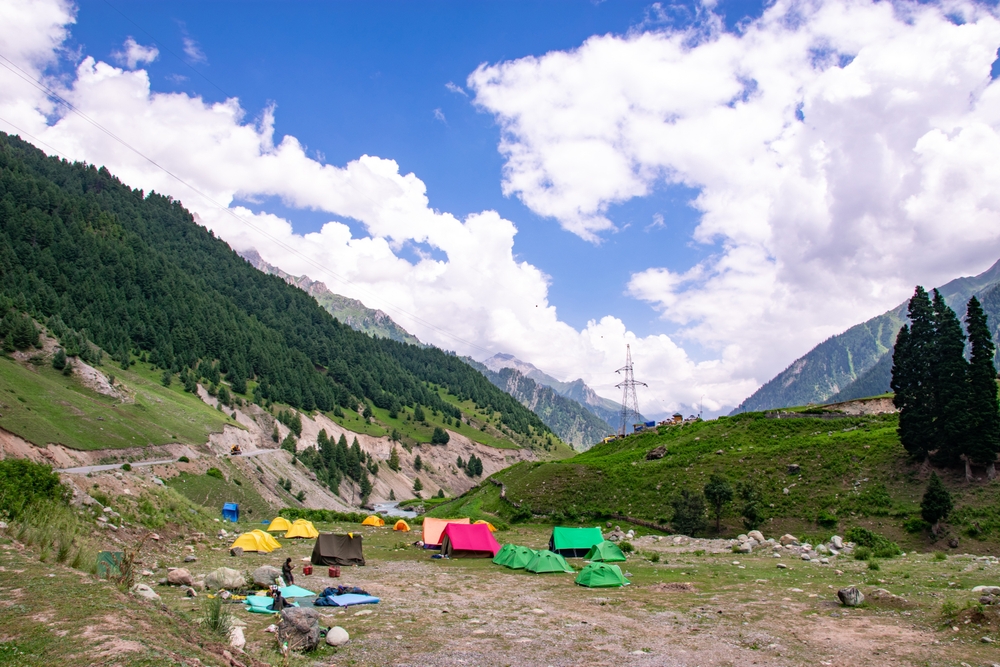
I still remember my first night near Vishansar. The only noise was wind on the tent and a shepherd coughing somewhere uphill. No slogans. No sirens. Just cold air and stars.
Ground truth 1: The trek route is tightly controlled and monitored
One reason the political concern about the Kashmir Great Lakes trek remains low on the ground is that this route is neither casual nor unregulated. Every trekking group moves under a fixed system.
You cannot simply show up and walk in. Permits are mandatory. Details are checked. Entry and exit points are logged. Local authorities know exactly how many trekkers are on the trail each day.
Security presence exists, but it does not feel intrusive. You may see the occasional army camps at a distance. Sometimes a patrol nods at you. That’s it.
For first-timers, this controlled environment actually adds comfort. Someone always knows where you are.
Ground truth 2: What “security” looks like on the trail
When people hear Kashmir trek security, they imagine guns, barricades, and tension. The reality is far more boring, and that’s a good thing.
Security here looks like routine.
- ID checks at Sonamarg before starting
- Daily movement updates shared by trek operators
- Restricted camping zones near sensitive stretches
- Clear instructions on where not to wander
Most days, you forget about it completely. Your biggest worry becomes blisters, not borders.
One evening, our guide casually mentioned we’d adjust the campsite by 500 metres. Not due to weather, but because of an advisory. We complied. Dinner tasted the same. Sleep was undisturbed.
Ground truth 3: Locals on the route care about livelihood, not politics
This is something no news panel will tell you. The people you meet on this trek are pony owners, shepherds, porters, and campsite helpers. Their world revolves around seasons, grass, weather, and income.
Tourism is their livelihood. Trekkers mean work.
Conversations are about snowfall, grazing routes, tea prices, and how many groups are coming this week. Politics rarely enters the conversation. When it does, it’s brief and practical, not emotional.
Once, while sharing kehwa near Gangbal, a local joked that trekkers worry more about Kashmir than Kashmiris do. He wasn’t being dismissive, just practical.
Ground truth 4: Disruptions happen, but they are predictable
Let’s not pretend nothing ever happens. That would be dishonest.
There are seasons when treks pause: elections, sudden advisories, weather combined with local events. The difference is how early and clearly this is communicated.
Good operators cancel or postpone well in advance. Refunds are processed. Routes are not reopened casually.
What you almost never see is chaos mid-trek. Authorities avoid that scenario as much as trekkers do.
This predictability is why thousands still do the trek every year.
Should you trek independently or with an organised group?
If politics worries you, this question answers itself.
Independent trekking here is not advisable. Not because the region is unsafe, but because the system is designed around registered groups.
Organised groups bring structure.
- Dedicated liaison with local administration
- Real-time updates on advisories
- Backup evacuation plans
- Local guides who read situations instinctively
I have seen guides change a plan based on a single phone call. That kind of judgement comes only with experience on this exact route.
Ground truth 5: Media perception and trail reality rarely match
This is perhaps the most important truth. The media works on urgency. Trekking works on rhythm.
A headline might scream tension in Kashmir. On the same day, trekkers may be pitching tents under clear skies, sipping soup, and complaining about wet socks.
Both can exist at once. Different places. Different realities.
Understanding this separation helps you decide calmly rather than react emotionally.
What about sudden internet shutdowns or curfews?
This arises often. And yes, connectivity can drop, even in normal times.
But think about it. You are on a high-altitude trek. You won’t have a signal anyway.
Curfews affect towns, not alpine meadows. Entry and exit points are managed so trekking groups move safely.
Your guide usually knows about changes before you do.
Is the trek worth the money given these risks?
Another honest question.
If your idea of value is comfort, flexibility, and city-style freedom, this trek will challenge you.
If your idea of value is raw landscapes, silence, and a sense of stepping into a different rhythm of life, it delivers far more than it costs.
The political tag scares away many keeping crowds lower, meadows quieter, lakes cleaner.
Sometimes, the fear works in your favour.
Practical considerations before you decide
Pause here and ask yourself a few grounded questions.
- Am I okay trusting a system instead of full control?
- Can I follow instructions even if I don’t fully understand the reason?
- Do I accept that mountains and regions have their own rules?
If these answers feel comfortable, the rest falls into place.
How trekkers usually feel after finishing the route
Most trekkers don’t return talking about politics. They talk about the climb to Gadsar Pass. They talk about the first glimpse of Gangbal. They talk about how quiet it felt to walk for hours without phone notifications. The political worry fades quickly. The memories remain.
So, how political is it really?
Enough to be regulated, not enough to be frightening.
The Kashmir great lakes trek’s political concern deserves respect, not panic. When you understand the “why” behind restrictions and the “how” behind security, the fear loses its edge.
At the end of the day, the trail asks a simple question not about politics, but about perspective.
Can you let go of headlines and trust what you see with your own eyes?
Do you like this personality?