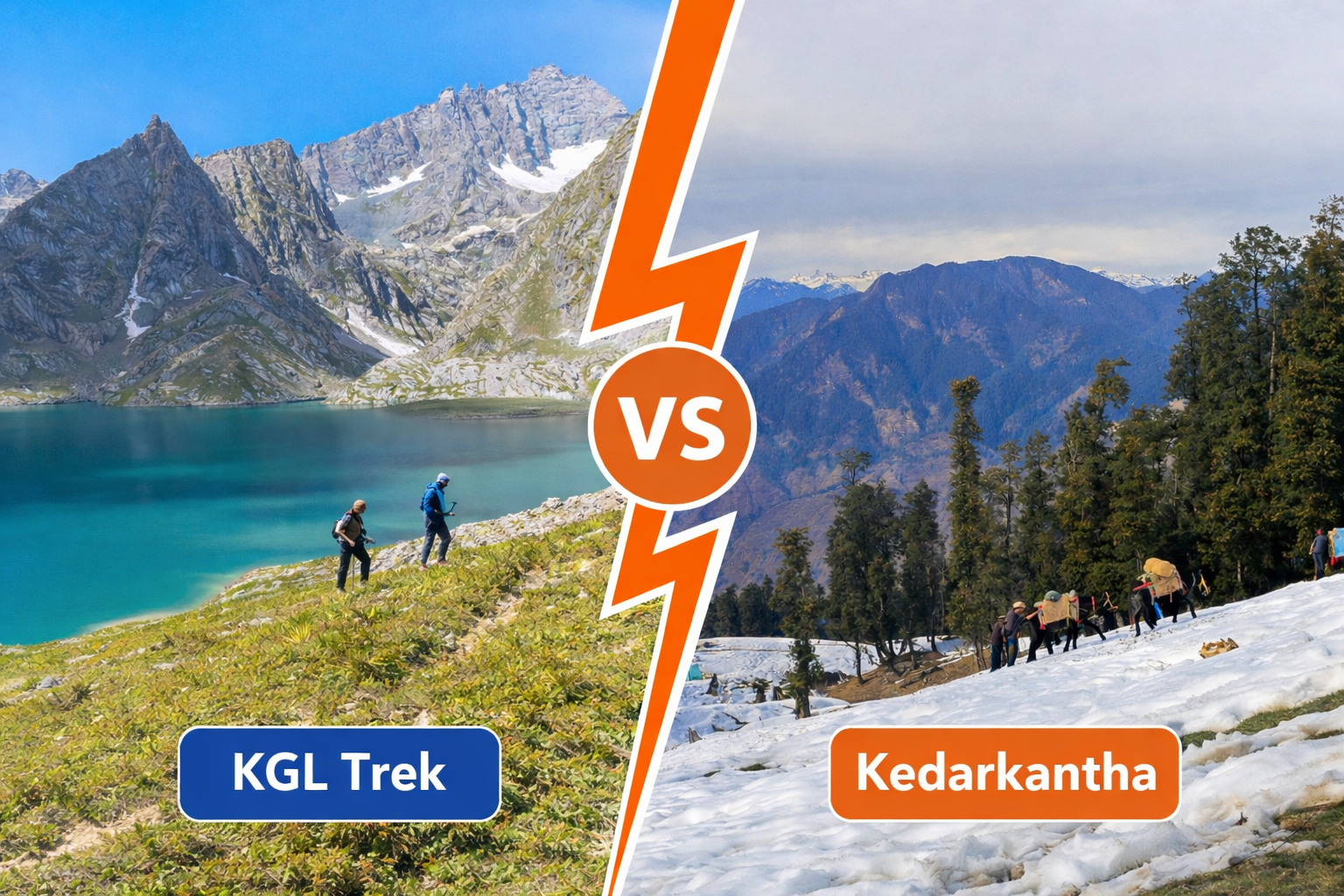
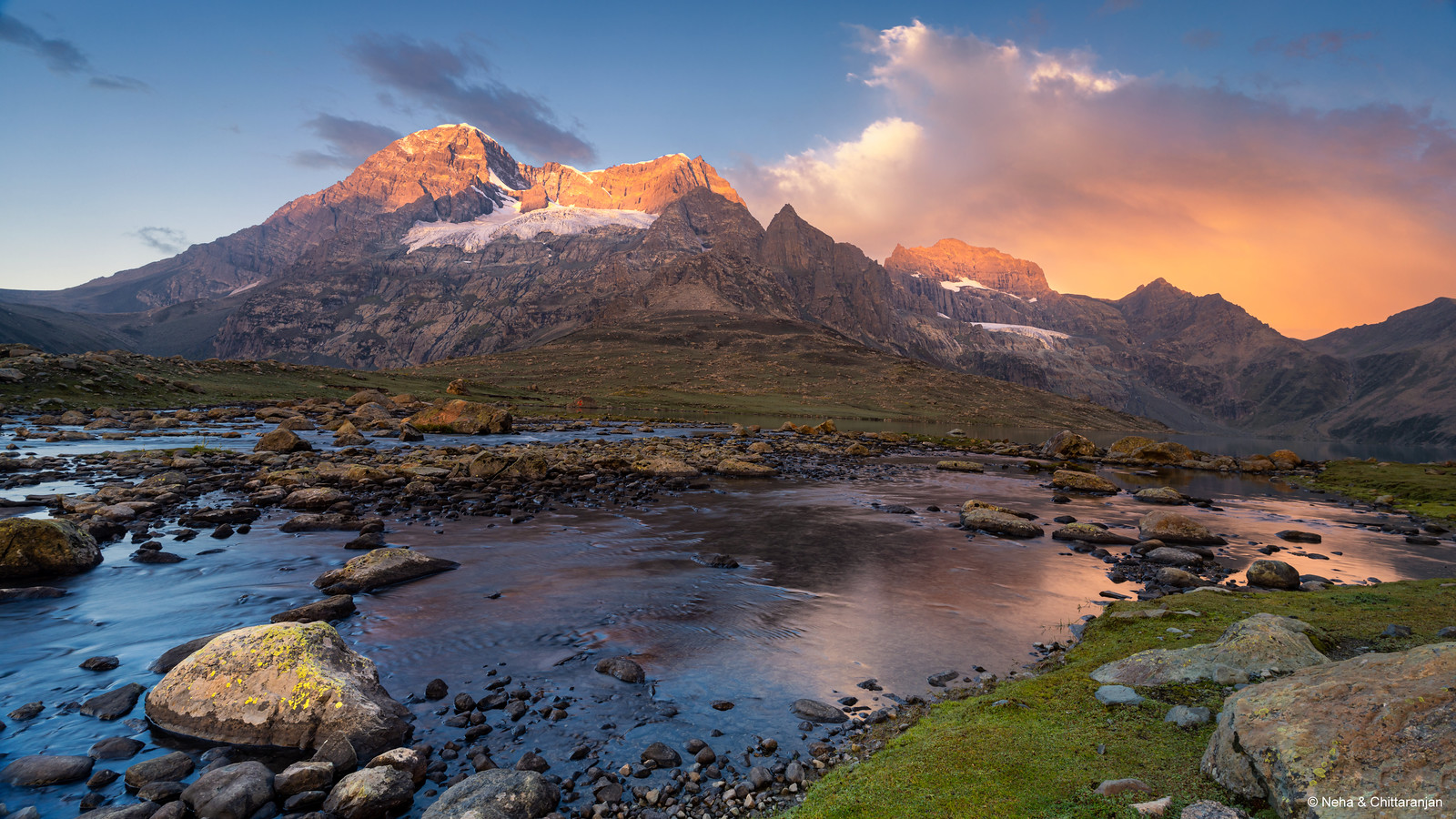
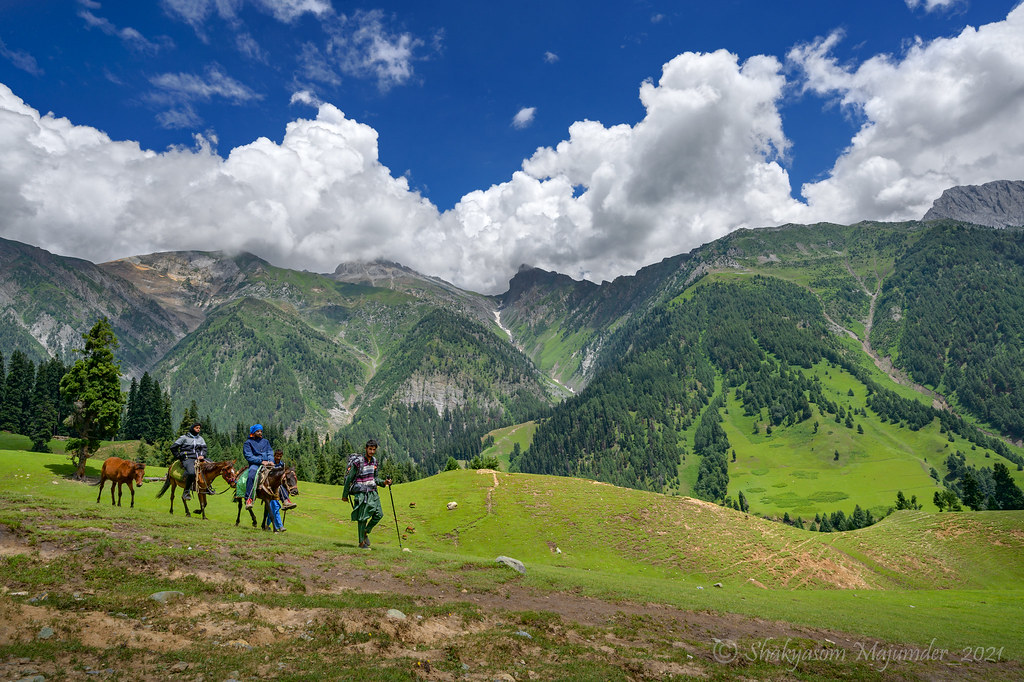
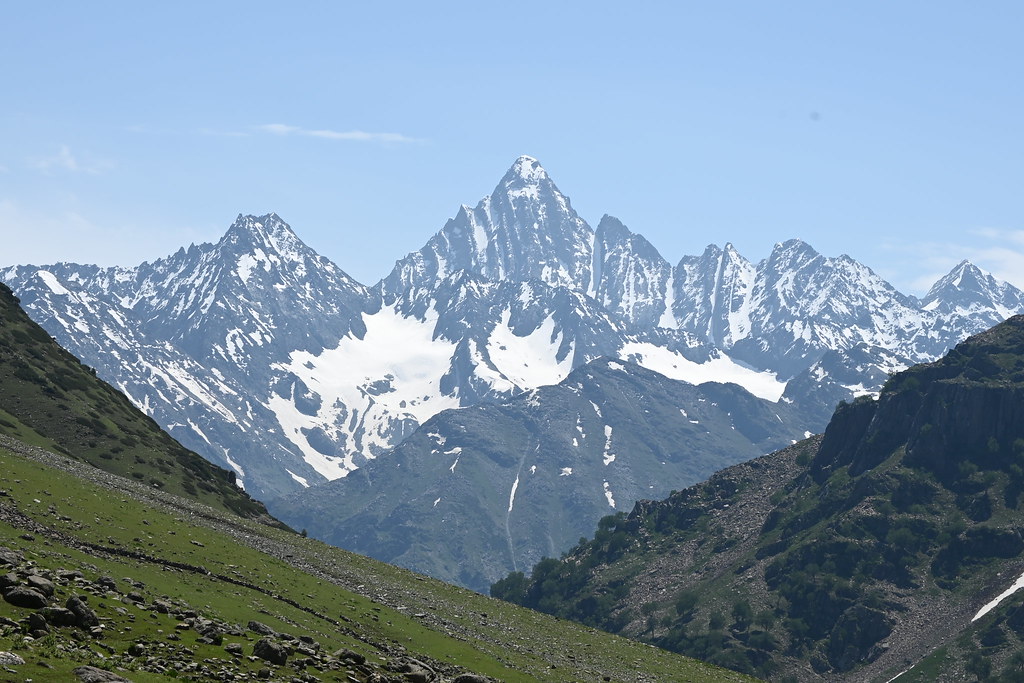
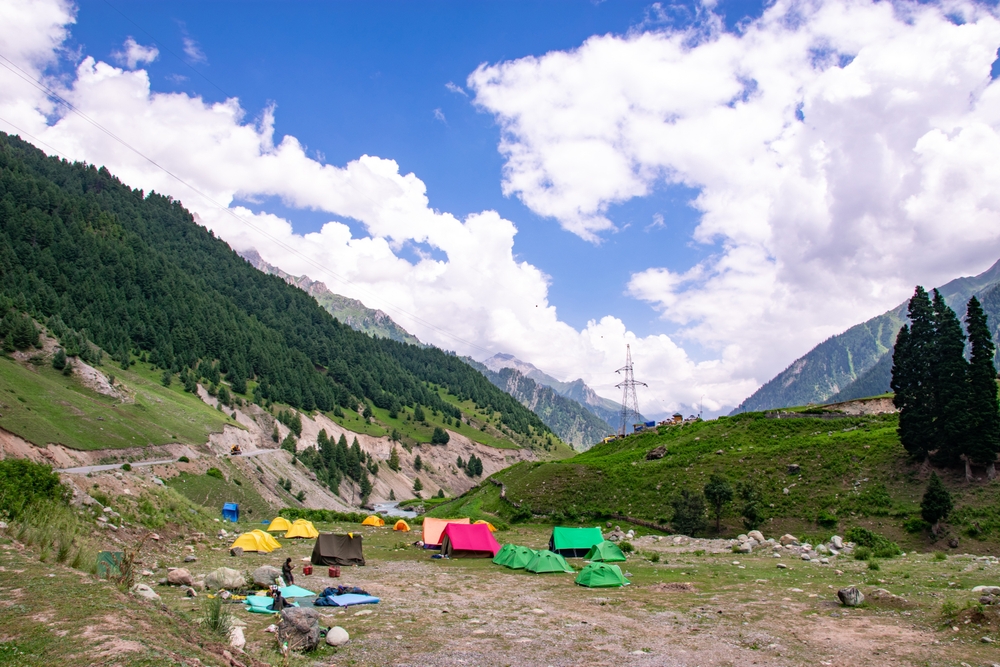
Kashmir Great Lakes Trek Campsites feature seven alpine lakes and three high mountain passes, set along one of the most scenic trekking routes in India.
If your main doubt is whether this trek is truly about lakes or just long walks between camps, let me be clear. The campsites are the heart of the experience. Every single day ends near water, grass, and wide mountain views. This is what makes the Kashmir Great lakes trek special.
I have guided and trekked in Kashmir enough to say this with confidence. The lakes are not rushed viewpoints. You live with them, sleep near them, wake up beside them. And the passes connect these camps like quiet doors between worlds.
Understanding Kashmir Great Lakes Trek Campsites before you go
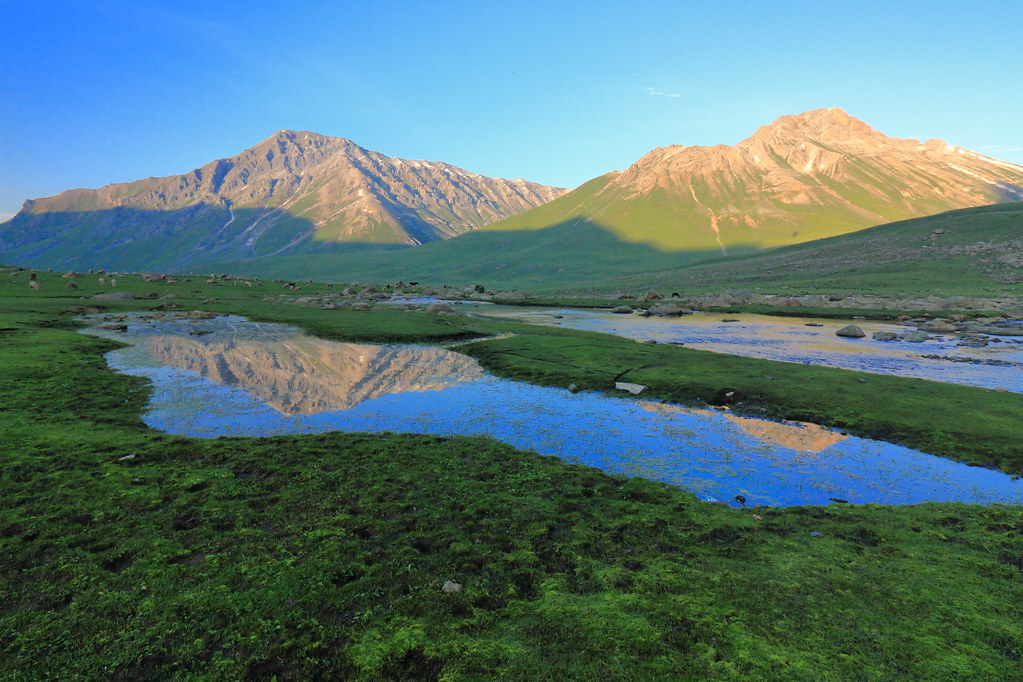
When people search for Kashmir Great Lakes Trek Campsites, they usually want to know where they will sleep each night and what they will see there. This trek has fixed camping zones because the terrain allows it. Flat meadows, fresh streams, and safe access make these spots natural halts.
Each campsite is at a different altitude, which matters for your body, sleep, and energy. It also shapes the mood of each day. Some camps feel open and wide, while others feel quiet and enclosed. You notice the change if you pay attention.
Camping here is not luxurious. It is basic but comfortable if done right. Tents are pitched on grass, and water comes from nearby streams. Nights are cold, even in peak summer. This is where expectations need to be realistic.
Sonamarg to Nichnai: the first real campsite decision
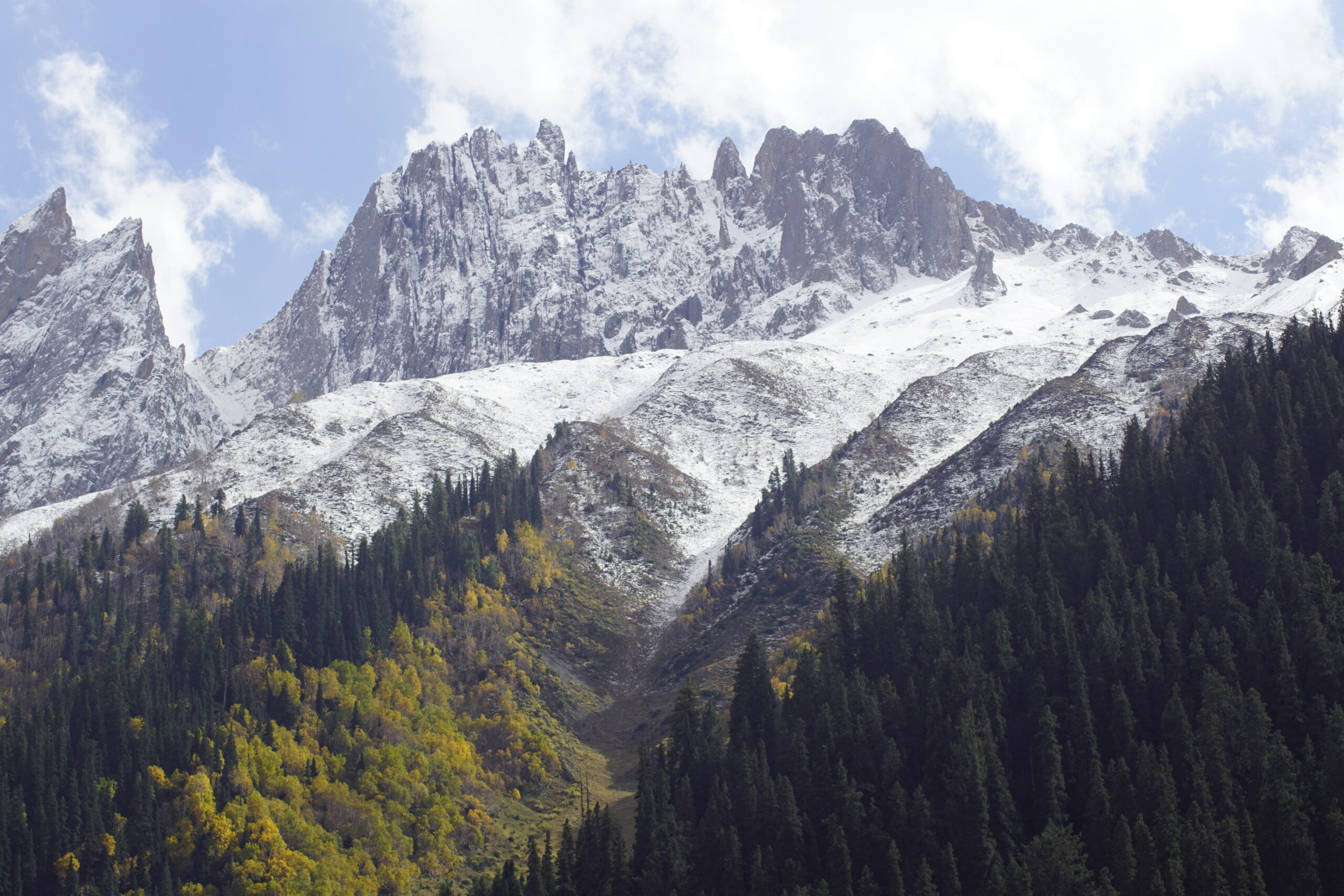
The trek starts from Sonamarg, but the first proper campsite is Nichnai. This is where many first-timers realise that trekking in Kashmir is no joke. The walk is gentle at first with pine forests slowly giving way to open land. Then the climb begins.
Nichnai feels like a testing ground. The meadow is long and open, and the wind can be strong here. I remember one evening when clouds rolled in quickly and the temperature dropped within minutes. That night taught many people how important layering is.
Why this campsite matters is simple. It tells you how your body reacts to altitude and cold. If you manage this night well, the rest of the trek feels easier.
Nichnai seasonal lake (often missed, but real)
In good snow years, a small seasonal lake forms near the Nichnai meadows after the snow melts. Early and mid-season trekkers usually see it clearly, while late-season trekkers may only notice damp ground where it once held water.
This lake is rarely mentioned in fixed itineraries, which is why the trek is often described as having six lakes. On the ground, however, this water body is visible for much of the season. That makes it the seventh lake experienced during the trek, even though it is seasonal.
Vishansar and Kishansar: twin lakes, shared campsite energy
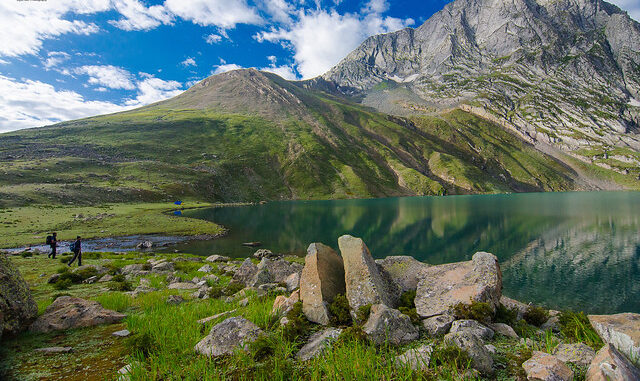
Vishansar Lake and Kishansar Lake are often mentioned together, and rightly so. They sit close, like siblings with different personalities. Vishansar is wide and reflective., while Kishansar feels deeper and more intense.
The campsite here is one of the most loved on the route. Grass stretches in all directions, horses graze freely. On clear days, peaks reflect on the lake surface like a mirror.
This is where people slow down, cameras come out, and conversations grow longer. Many trekkers say this is where they fall in love with the trek.
Key things to note at this campsite:
- Night temperatures drop sharply after sunset
- Winds can be strong near the lake edge
- Sunrise is worth waking up early for
Gadsar Lake campsite and the first real wow moment
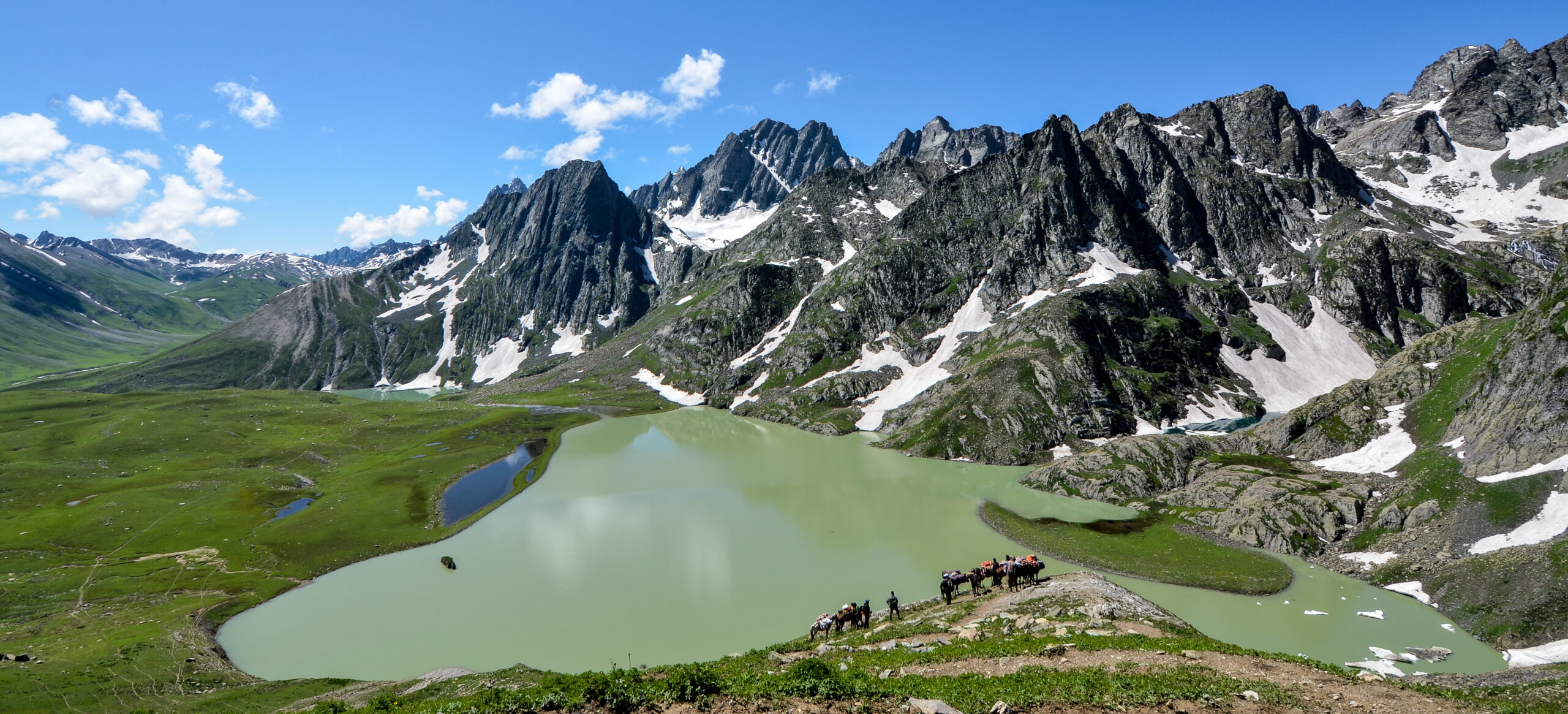
Gadsar Lake often arrives as a surprise. You cross your first major pass before reaching it, and the view suddenly opens. Snow patches linger here even in July. The lake sits quiet, almost hidden.
Camping near Gadsar feels remote. This is where you start to feel far from roads and noise. The water is icy cold and the air feels thinner. Many trekkers feel the altitude here for the first time.
I still remember a local shepherd offering warm kahwa nearby. Small moments like that stay with you longer than photos.
This campsite teaches patience. You walk slower, breathe deeper and listen more.
Satsar Lakes: camping among many waters
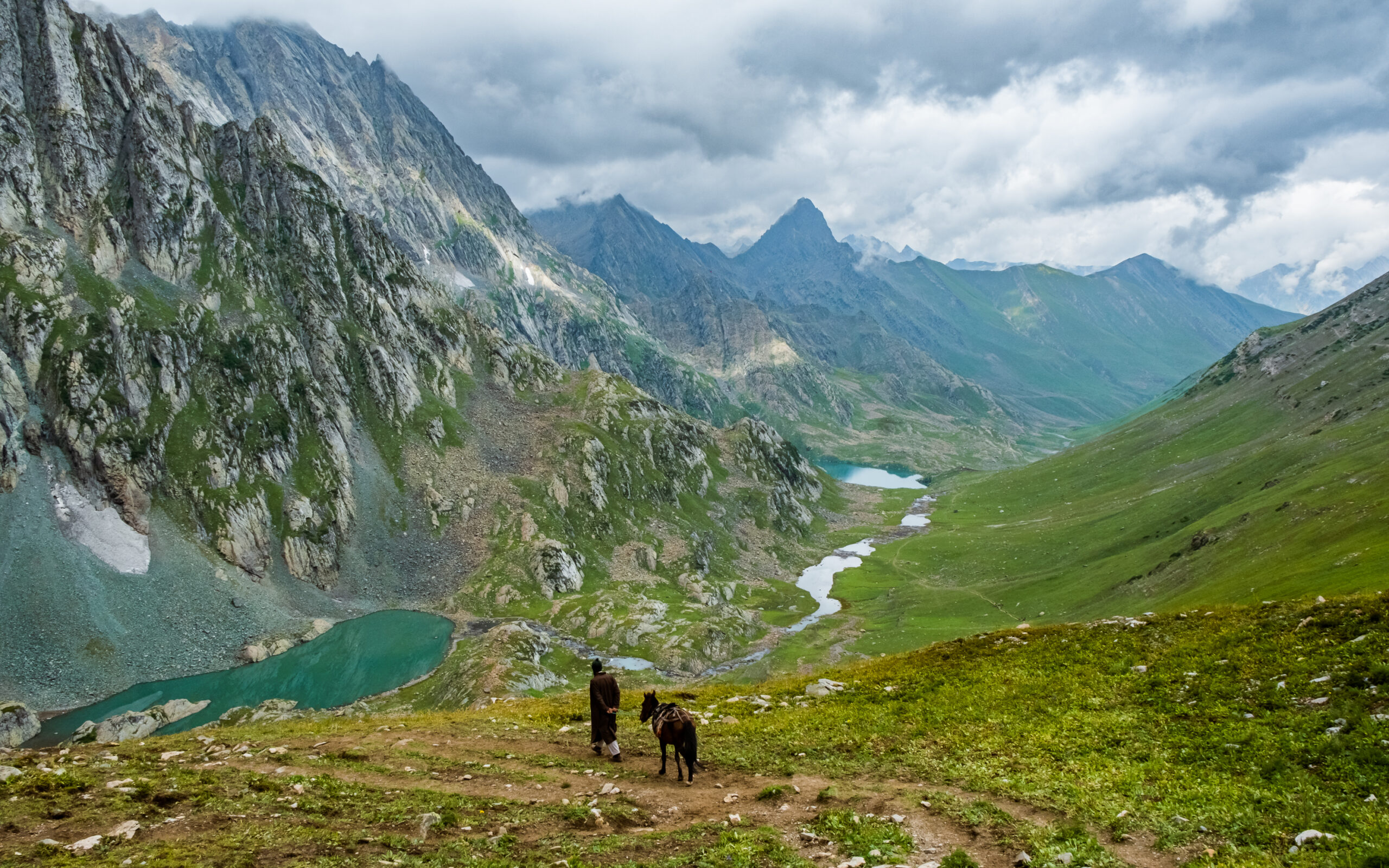
Satsar Lakes is not one lake but is a cluster. Depending on snowmelt, you may see five, six, or even more water bodies. The campsite shifts slightly each season based on ground conditions.
This area feels wild and untouched. There are fewer trees and the land feels raw. Weather changes fast here, making campsite choice important.
Satsar matters is not just for the view, but is a mental test. Long walking hours, rolling terrain, and fewer landmarks make this day feel longer than it is.
Things that help at Satsar:
- Start early to avoid afternoon weather changes
- Keep snacks handy for energy dips
- Stay hydrated even if it feels cold
Gangbal and Nundkol: the grand finale campsite
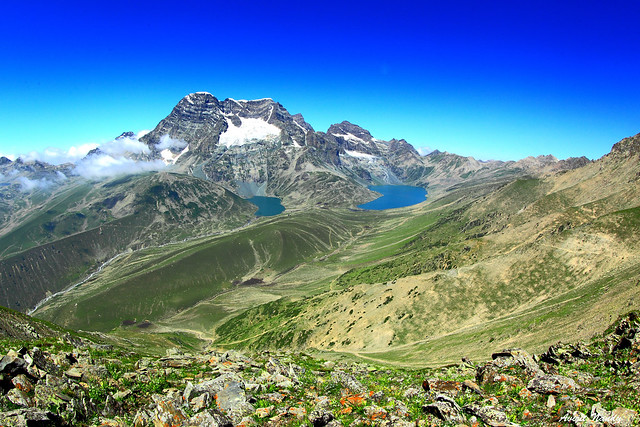
Gangbal Lake and Nundkol Lake sit at the base of Mount Harmukh. This campsite feels sacred. Locals believe Harmukh holds spiritual significance, and you can sense that silence here.
Gangbal is large and calm. Nundkol is smaller but more dramatic. Snow-fed streams flow nearby. The campsite offers space to walk, sit, and reflect.
This is where most trekkers feel a mix of pride and calm. The hard days feel worth it. You start thinking less about distance and more about moments.
Camping here feels like a reward, not just a stop.
The three passes that connect these campsites
The lakes get all the fame, but the passes shape the journey. Each pass connects one camping zone to another and changes the landscape sharply.
You cross:
- Nichnai Pass
- Gadsar Pass
- Zaj Pass
Each pass brings a shift in terrain, wind, and views. Gadsar Pass is the highest and toughest. Snow often stays here late into the season. Crossing it feels like stepping into another region.
These passes determine your pace. They also influence how the KGL trek weather behaves during the day. Clear mornings often turn cloudy by afternoon near the passes.
Kashmir Great Lakes Trek: Camping and daily life at camps
Kashmir Great Lakes Trek camping is about rhythm. Wake up early, pack tents, walk, reach camp, rest, repeat. There is beauty in this routine.
Meals are simple but filling. Evenings are quiet. Mobile networks disappear after day one. Some people struggle with this, others find peace.
Camping realities you should accept:
- No permanent toilets at camps
- Cold nights even in August
- Limited personal space in tents
Once you accept these, the experience becomes lighter.
Weather, timing, and campsite comfort
The KGL trek weather controls everything. July offers green meadows but more rain. August feels more stable but is colder at night. September brings golden grass and crisp air, but days are shorter.
Weather affects campsite comfort directly. Wet ground makes tents colder. Clear skies mean colder nights.
My advice is simple – respect the mountains, pack layers, listen to your trek leader. The weather here changes fast and without warning.
Why campsites define the Great Lakes experience
People often ask if the trek would feel the same without camping near the lakes. The honest answer is no. These campsites slow you down. They force you to stay present. You are not just passing through. You are living there, even only for one night.
Each campsite has a mood. Nichnai tests you. Vishansar charms you. Gadsar humbles you. Satsar challenges you. Gangbal calms you.
That emotional arc is what stays after the trek ends.
Key takeaways to remember while planning
- Campsites are fixed and well spaced for acclimatisation
- Lakes include seven distinct water bodies, one of which is seasonal
- Passes decide effort, not distance alone
- Weather plays a bigger role than fitness many days
If you are planning this trek, ask yourself one honest question. Are you ready to slow down, sleep cold, walk long, and still smile when you wake up beside a silent lake?