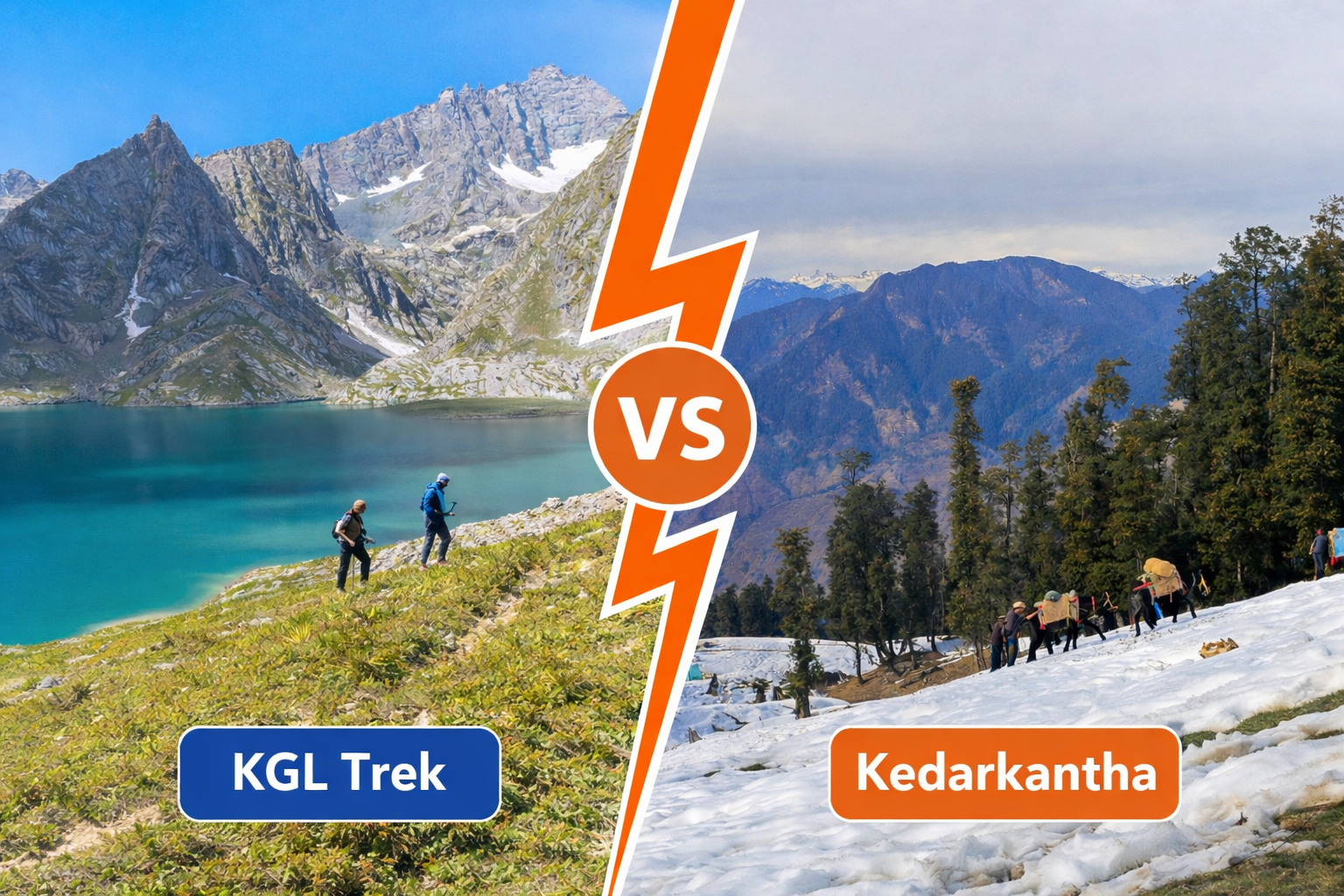
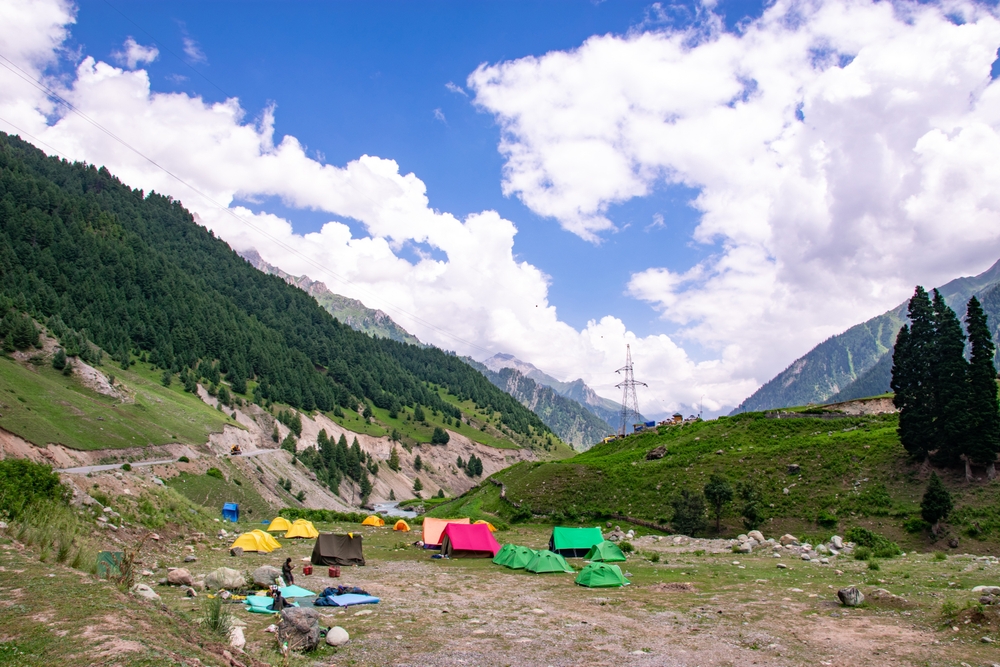
A guided Kashmir Great Lakes trek tour is the safer and wiser choice for most people, while a self-planned trek suits only those with strong mountain skills, spare time, and calm decision-making under pressure.
I say this early because most trekkers ask the same thing in different ways.
“Can I do this on my own?”
“Do I really need a guide?”
The answer is not emotional, it is practical.
Most trekkers reach this decision point before even booking transport to Sonamarg. They have read blogs, watched reels, and seen photos of blue lakes. What they have not seen clearly is how this trek behaves when things stop going as planned.
That gap between expectation and reality is where this choice matters.
I have seen people feel relaxed and present on this route. I have also seen people drained by day three, not because the trail was hard, but because every decision sat on their shoulders. The Kashmir Great Lakes Trek does not punish mistakes instantly, but it compounds them quietly.
That is why choosing between guided and self trekking is not a minor preference here. It shapes how safe, calm, and enjoyable your days on the trail actually feel.
Understanding the terrain before choosing your style
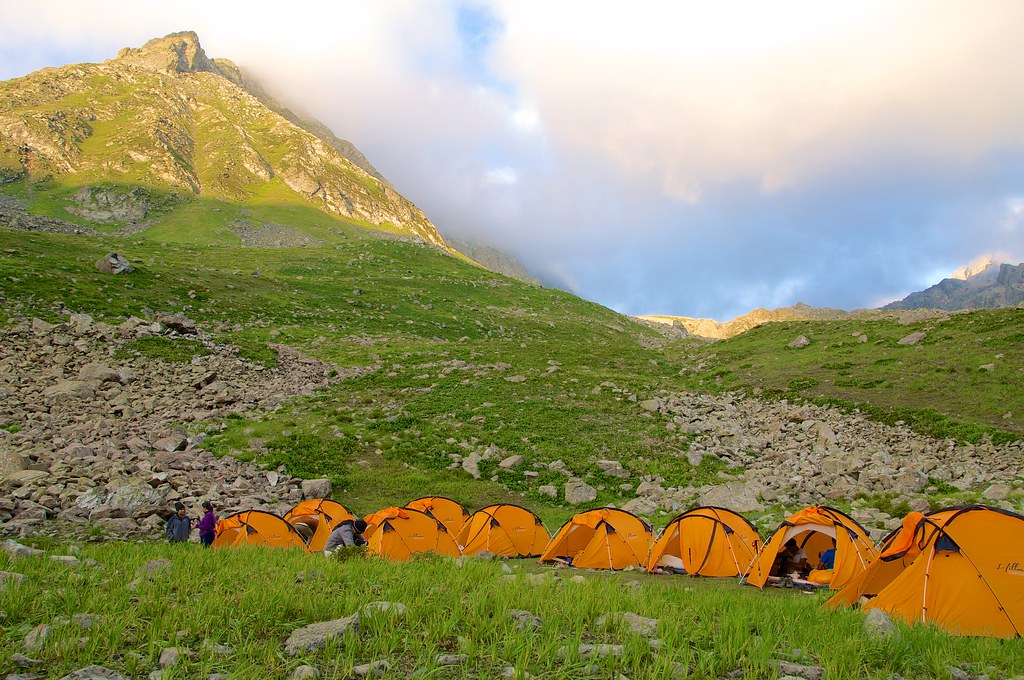
The route crosses high passes, rolling meadows, and exposed sections. You walk long days with a loaded backpack. River crossings are common. Campsites shift each year based on conditions.
This trek tests patience more than speed, and it rewards those who plan well.
Before choosing independence or support, you need to know what each option really involves.
Kashmir Great Lakes Trek Guided Tour: what it really feels like
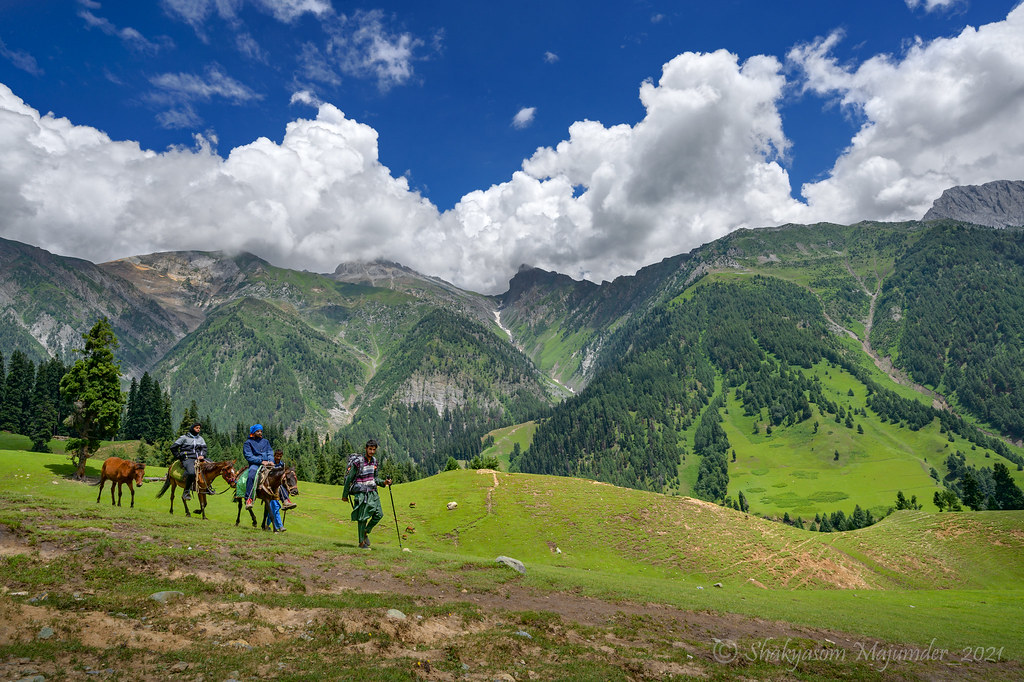
A guided trek does not mean being rushed or controlled. A good guide acts more like a quiet problem solver. You barely notice their value until something goes wrong.
On my first guided walk here, the lead guide changed our camp by two kilometres. We questioned him. That night, the original campsite flooded after heavy rain. That choice alone justified the entire guided fee.
Pros of a guided trek
- Route finding is handled even in fog or snowfall
- Campsites are chosen based on water flow and wind
- Meals arrive on time, hot and filling
- Medical help is available for altitude issues
- Permits and logistics are already sorted
- Weather calls are made with local experience
With a KGL trek with guide, you save mental energy. That energy helps you enjoy the lakes, not worry about the next problem.
Cons of a guided trek
- Fixed itinerary leaves less flexibility
- Group pace may not match your own
- Costs are higher than self planning
- You rely on the team’s judgment
Some trekkers dislike structure. If you enjoy full control, this can feel limiting.
Self Kashmir Great Lakes Trek: freedom with responsibility
Doing this trek on your own sounds romantic. You choose your pace. You stop where you like. You decide when to rest.
But here is the honest part, freedom comes with pressure.
You plan transport, food, permits, camps, and emergency exits. You track KGL trek weather daily. You read terrain. You judge water levels. You make decisions when plans break.
I have met self trekkers who loved this challenge. I have also met those who turned back halfway, drained and shaken.
Pros of a self trek
- Full control of daily plans
- Flexible rest days if weather allows
- Lower cost if done well
- Deep personal satisfaction
For experienced hikers, this can feel rewarding.
Cons of a self trek
- Route confusion in whiteout conditions
- High risk during river crossings
- No backup during injury or sickness
- Permit confusion at checkpoints
- Heavy mental load every day
This trek does not forgive poor judgment.
Weather changes everything on this trek
People often underestimate how fast the weather changes here. Morning sun can turn into afternoon hail. A calm night can become a wind tunnel.
Guides read cloud movement. Locals read wind direction. That knowledge is passed down, not Googled.
If you go solo, you depend only on forecasts and instinct. Forecasts often fail often in the mountains.
When weather turns bad, decision speed saves energy and health. That is where guided teams shine.
Safety is not fear, it is preparation
Altitude sickness does not care how fit you are.
Blisters do not care how motivated you feel.
A guided setup includes oxygen, medicines, and evacuation plans. Someone is watching your walk, your breath, your silence.
On a self trek, you watch yourself. That works only if you are trained and honest.
Ask yourself one simple question, if you twist your ankle near Satsar, what is your next move?
Cost comparison without sugar coating
A guided trek costs more upfront.
A self trek costs more if things go wrong.
Food spoilage, extra days, emergency exits, and transport delays add up fast. What looks cheap on paper can become expensive on the ground.
With trusted Kashmir trek operators, costs are fixed and transparent. That peace of mind itself has value.
Who should choose a guided trek without doubt
- First-time high altitude trekkers
- Solo travellers new to Kashmir
- People trekking with family or friends
- Those short on planning time
- Anyone anxious about weather or safety
If this trek is a dream, not an experiment, go guided.
Who can consider self trekking seriously
- Trekkers with prior alpine experience
- Those trained in navigation and first aid
- People comfortable camping alone
- Those with buffer days and backup funds
Even then, caution is wiser than confidence.
Choosing the right guide matters as much as choosing a guide
Not all operators are equal. Some rush. Some cut corners. Ask questions before booking.
Look for teams that limit group size. Ask about campsite selection. Ask how they handle bad weather days.
A good guide speaks less and observes more.
The real question you should ask yourself
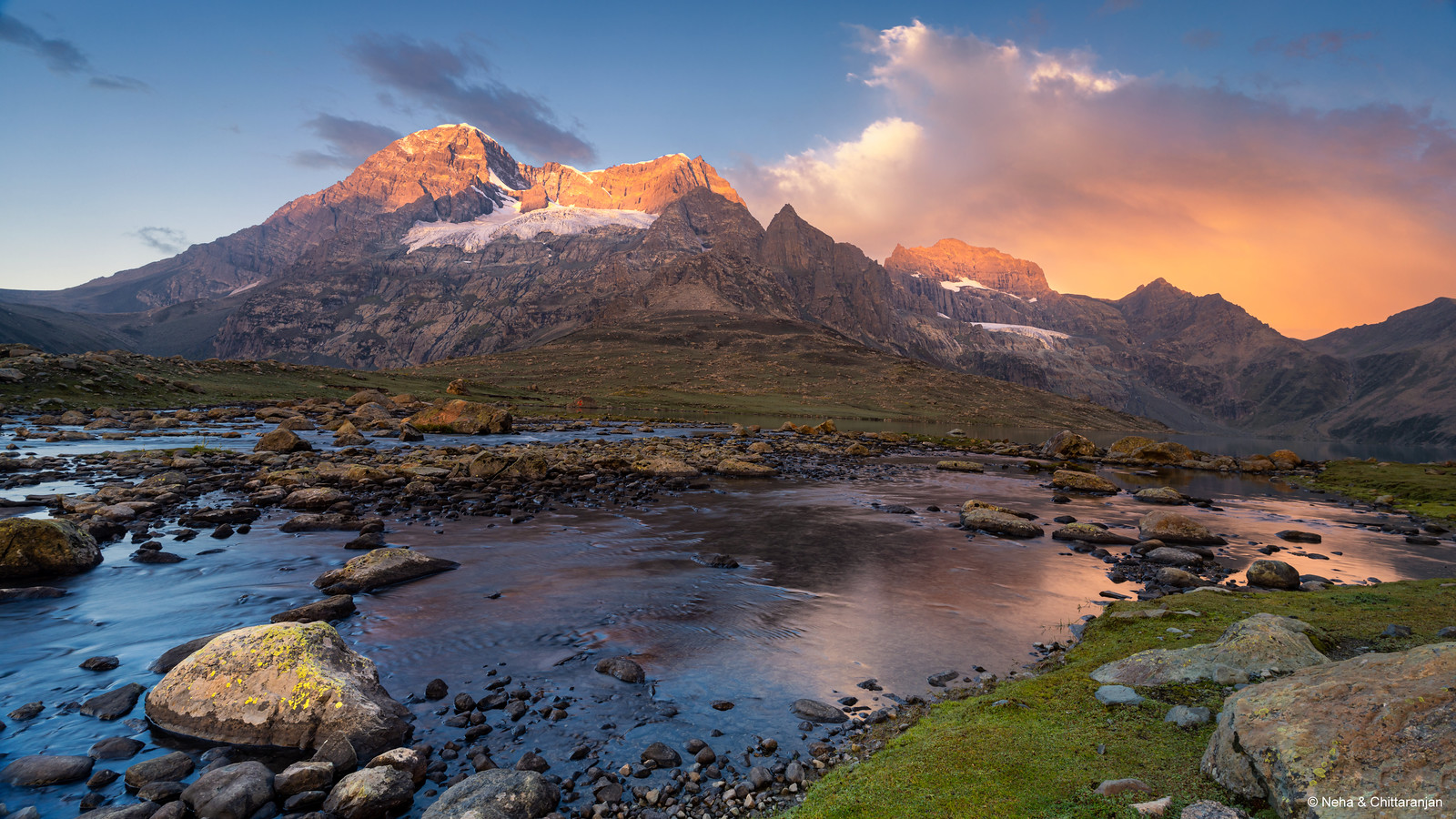
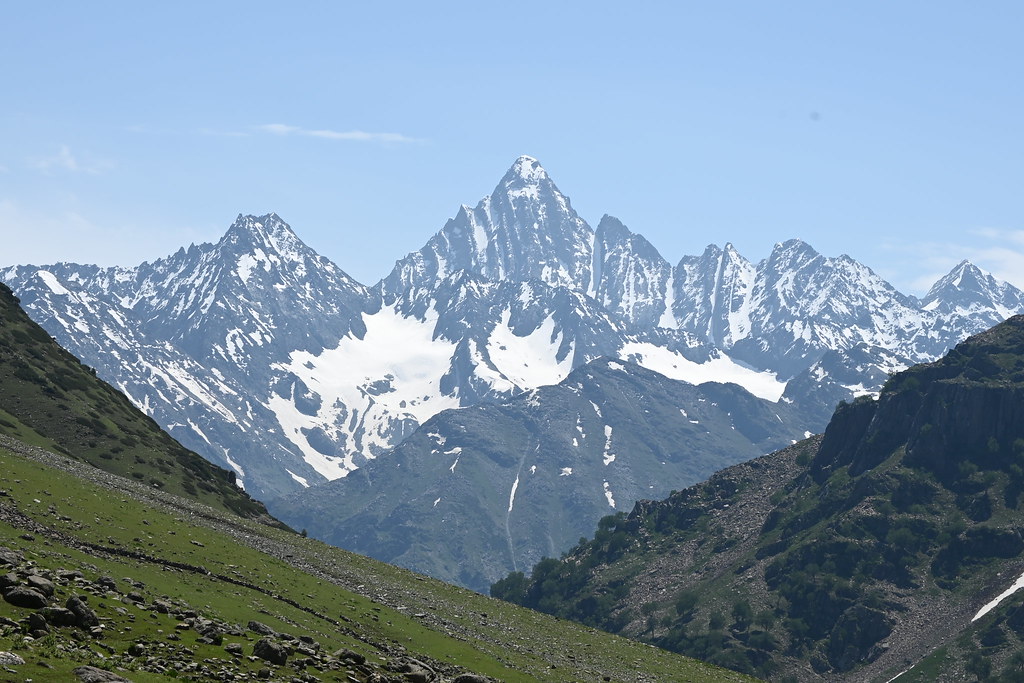
This trek offers beauty without filters – blue lakes, silent valleys, cold nights, long walks.
Do you want to spend your energy solving problems or soaking in the moments?
I have done both styles here. I still remember the guided trek more clearly. My mind was free enough to notice the sound of wind over Gadsar.
The mountains do not reward ego, they reward respect.
So when you stand at Sonamarg with your backpack, do you want your mind to be full of plans, or presence?