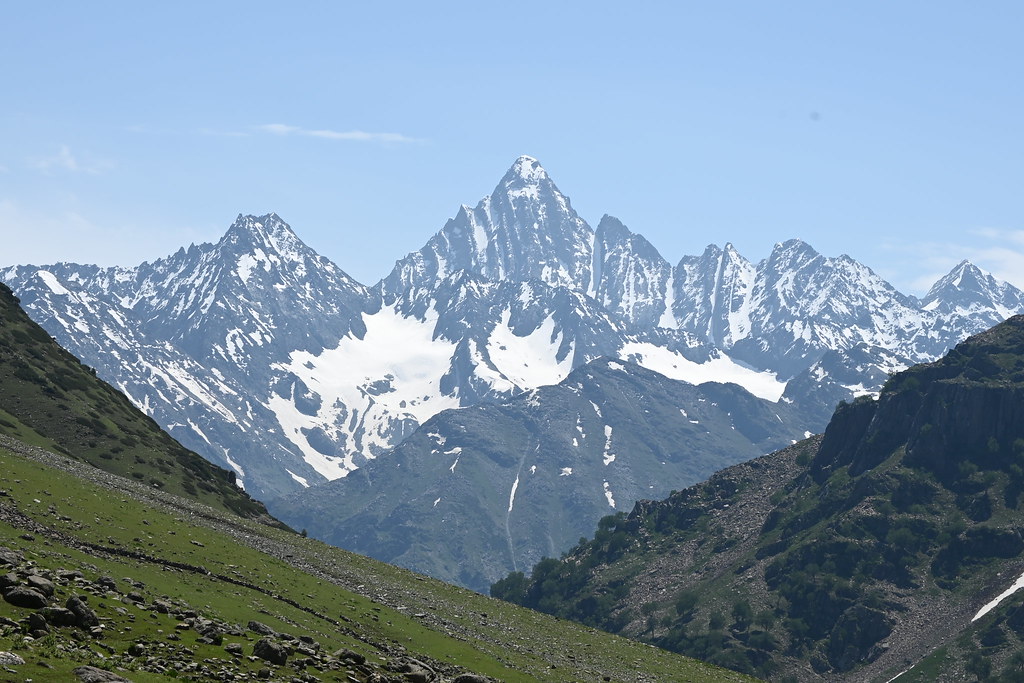
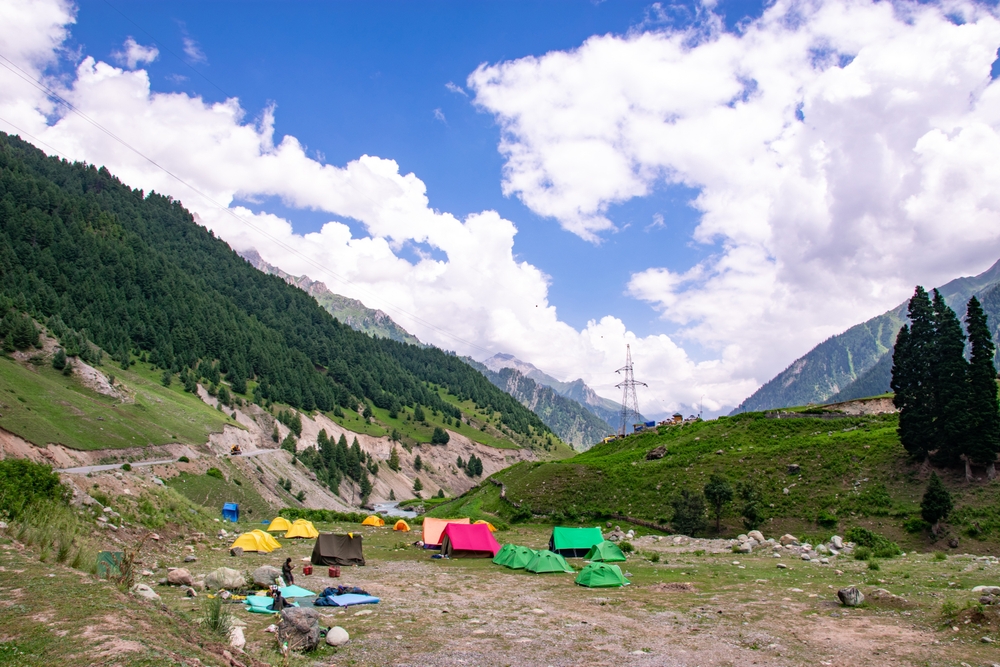
Kashmir Great Lakes trek photography spots are breathtaking at every turn, but a few places truly show why trekkers carry cameras up to 13,700 feet.
If you are planning this trek mainly for photos, you are already on the right track. This route is not just a walk between camps. It is a moving gallery of light, water, clouds and colour that changes every hour.
I have walked this trail watching people take thousands of photos and still feel something was left uncaptured. The reason is simple. Photos here are less about equipment and more about being in the right place, at the right time, with the right patience. Let me guide you through the 8 spots where that magic happens.
1. Vishansar Lake: The First “Wow” Moment for KGL Trek Photos
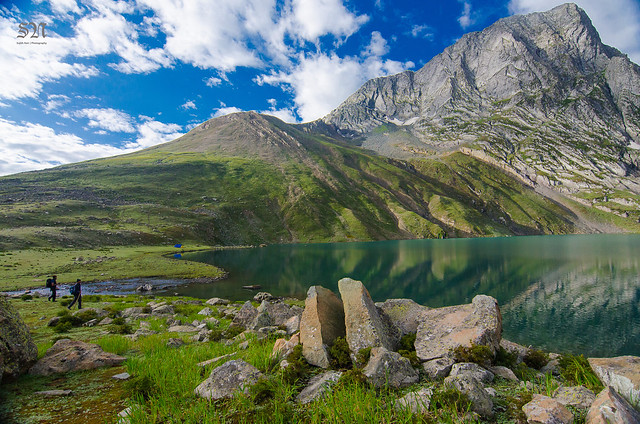
Vishansar Lake is usually the first place where trekkers stop and simply stare. You reach it after a long climb from Nichnai, tired but alert, and suddenly the valley opens up. Snow-fed water lies still like a mirror, reflecting clouds that move faster than your breath.
Morning light works best here. The lake often stays calm before noon, making reflections sharp and clear. By afternoon, wind creeps in and the surface breaks. I remember waiting twenty minutes just to catch one cloud floating alone in the frame. That wait was worth it.
If you are new to mountain photography, Vishansar is forgiving. Even a simple phone shot looks dramatic because the scene does the heavy lifting.
Best frames to try here
- Wide shots with peaks reflected in water
- Low-angle shots using stones in the foreground
- Portraits with trekkers walking along the lake edge
2. Kishansar Lake: Where Symmetry Comes Alive
Just a short walk from Vishansar, Kishansar Lake feels quieter and more balanced. The slopes around it are smoother, and the light behaves gently. Many people rush past, thinking it looks similar. That is a mistake.
Kishansar rewards stillness. If you sit by the shore, you notice how the colours shift from blue to green within minutes. On cloudy days, the lake turns moody and deep, perfect for dramatic shots.
This spot is ideal if you like clean compositions. There is less chaos here, fewer distractions, and more control over your frame.
Why photographers love Kishansar
- Natural symmetry without effort
- Soft light during overcast weather
- Fewer crowds compared to Vishansar
3. Nichnai Top: The Grand Transition Shot
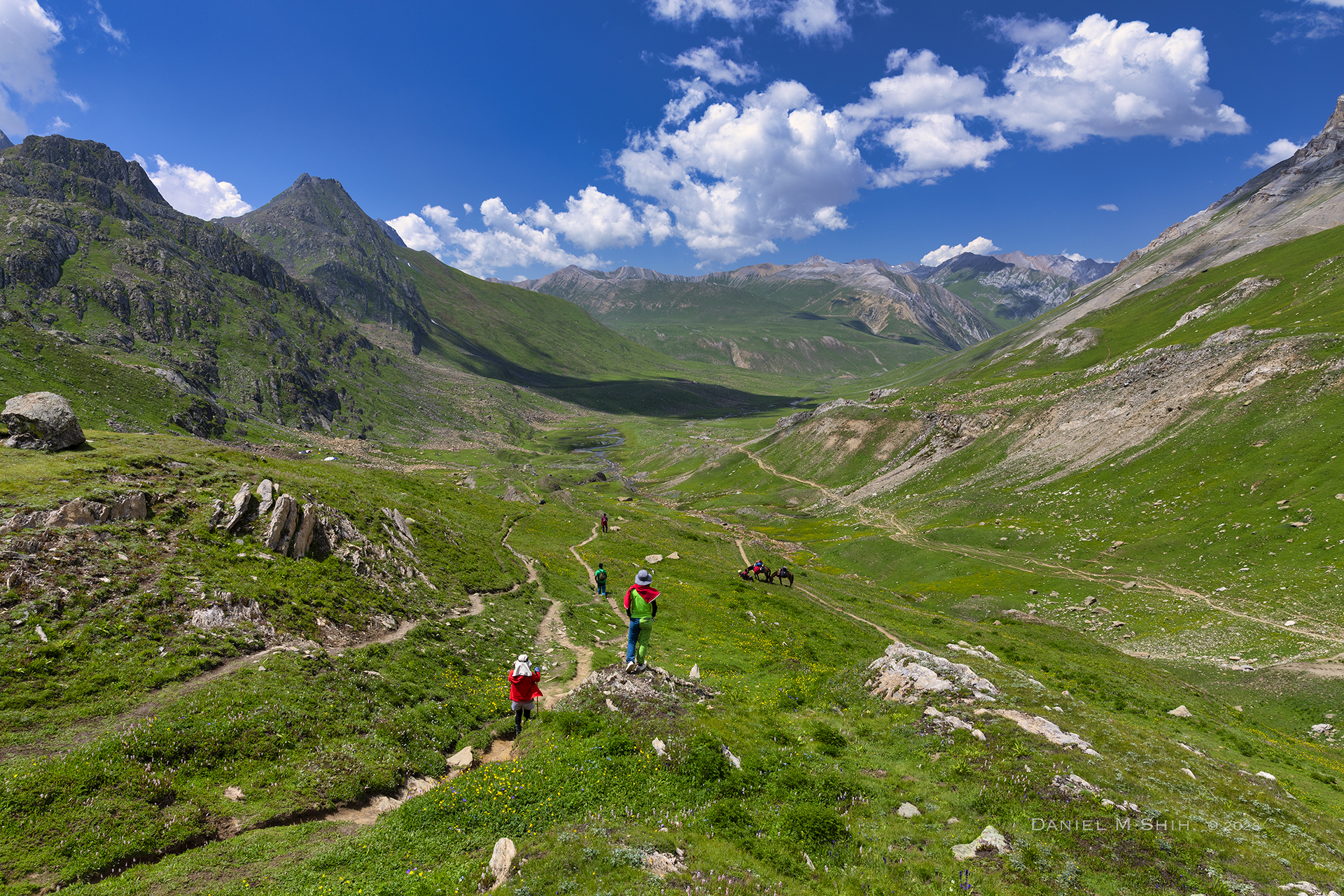
Nichnai Top is not a lake, but skipping it would be unfair. This is where landscapes change personality. On one side, you see green valleys, on the other hand, raw mountain ridges stretch endlessly.
The wind is strong here, and the weather shifts fast. Clouds roll in without warning, creating layers that look unreal on camera. I have seen people pack their cameras away due to cold and regret it later.
This is where storytelling photos shine. Shots from Nichnai Top show effort, scale, and the journey itself.
Think about capturing
- Trekkers walking along the ridge
- Cloud layers moving across valleys
- Flags, jackets, or prayer scarves adding colour
4. Gadsar Lake: The Most Colourful Kashmir Great Lakes Trek Photography Spot
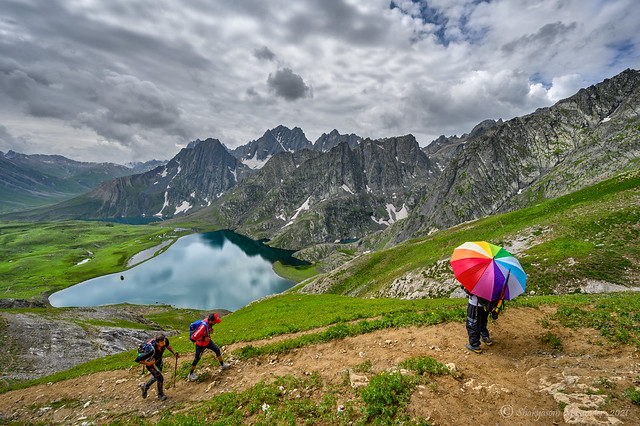
Gadsar Lake looks as if someone turned the saturation up, but it is real. Yellow wildflowers, green meadows, and deep blue water sit together like a painting. This contrast makes it one of the strongest Kashmir great lakes trek photography spots.
Light changes quickly here because the valley narrows. Midday works surprisingly well as sunlight hits the lake directly. Early morning can be cold and dull, especially if clouds hang low.
Gadsar also carries a sense of isolation. There are moments when no one else is around, and that silence shows in your photos.
Don’t miss these frames
- Flowers in the foreground with the lake behind
- Reflections when the wind pauses briefly
- Candid shots of tired trekkers resting
5. Satsar Lakes: Mood Over Perfection in KGL Trek Photos
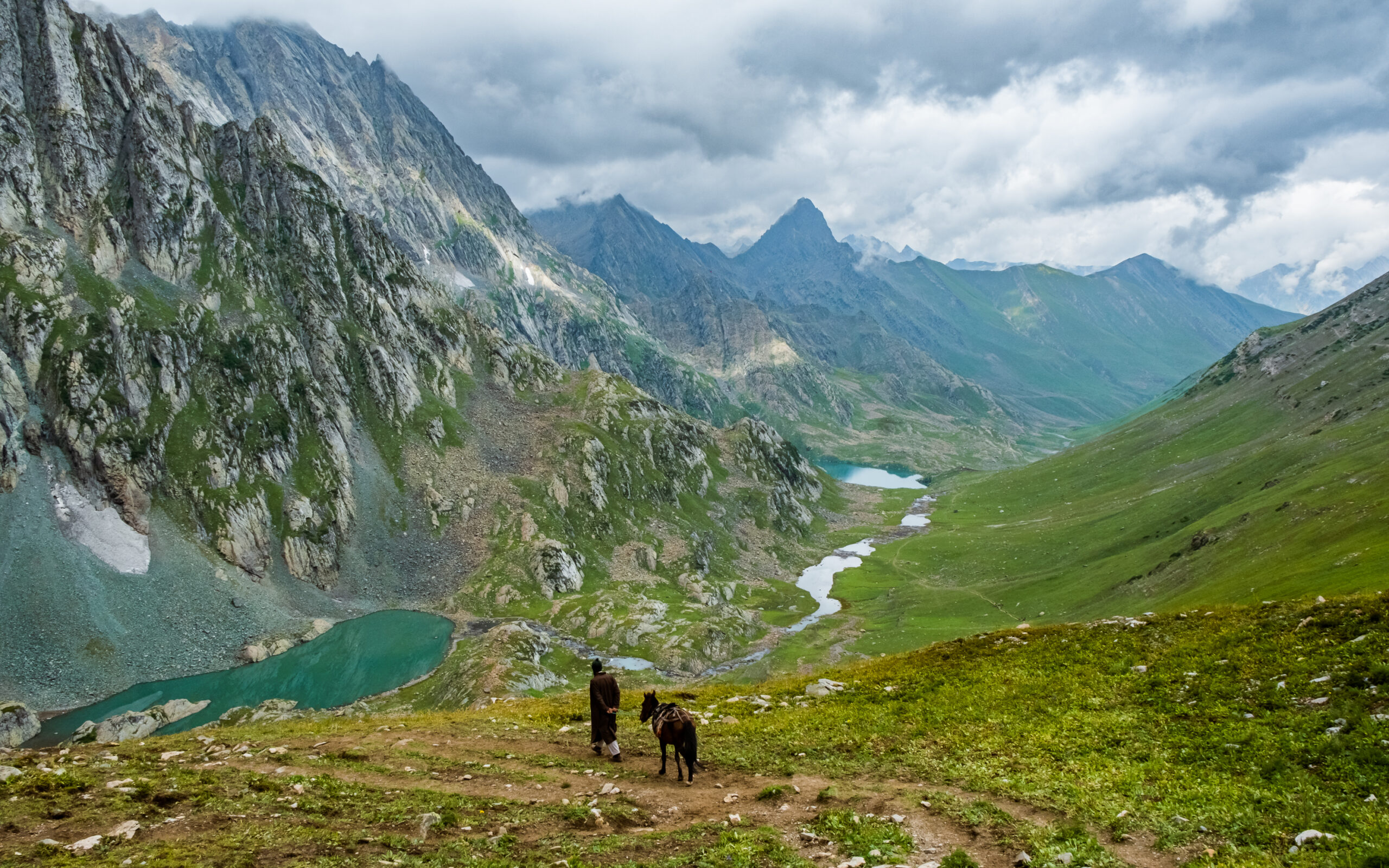
Satsar is not one lake, it is a chain of seven small lakes scattered across a wide valley. You rarely see all of them clearly on the same day. Fog, rain, or snow usually hides a few.
This unpredictability makes Satsar special. Photos here feel raw and honest. Grey skies, dark water, and lonely trails tell stories of real trekking days, not postcard moments.
I personally love shooting here in bad weather. Raindrops on the lens, wet boots in the frame, and low clouds create emotion that sunny days cannot.
Satsar photography works best when
- You embrace moody weather
- You focus on details, not wide shots
- You capture movement through fog
6. Gadsar Pass: The Highest Drama Point
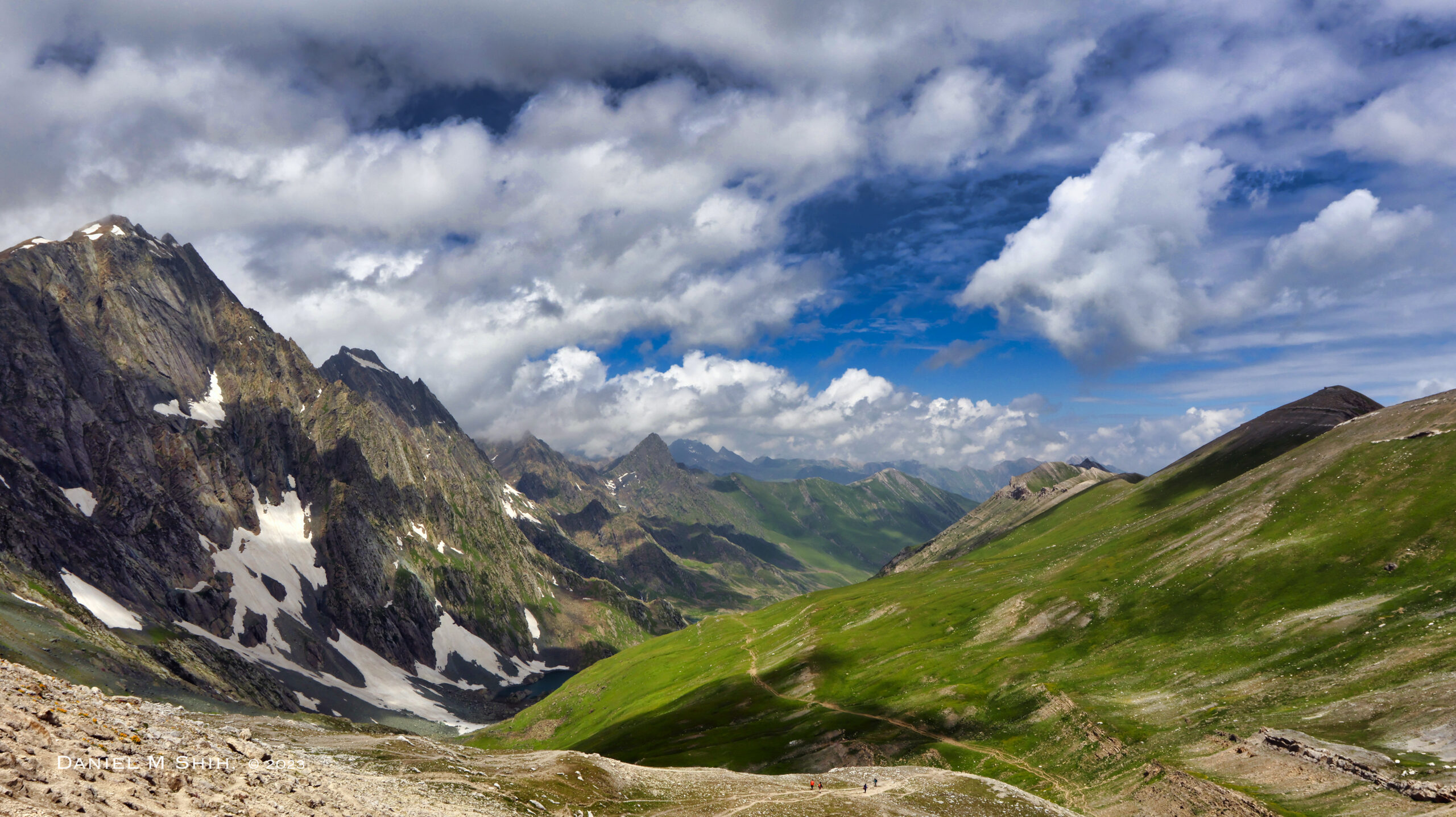
Gadsar Pass is where lungs burn and hearts race. At over 13,700 feet, everything feels sharper, The air, the light, and even the silence.
From the top, you see layered mountain views stretching far beyond the trek route. Clouds often sit below you, which adds depth to photos. This is not a place for rushed shots. Take a break and let your breathing settle.
One of my favourite shots from this trek was taken here, while pretending to adjust my shoe, and waiting for the clouds to part.
Strong photo ideas
- Silhouettes against the sky
- Long shots showing tiny trekkers on trails
- Cloud breaks revealing valleys
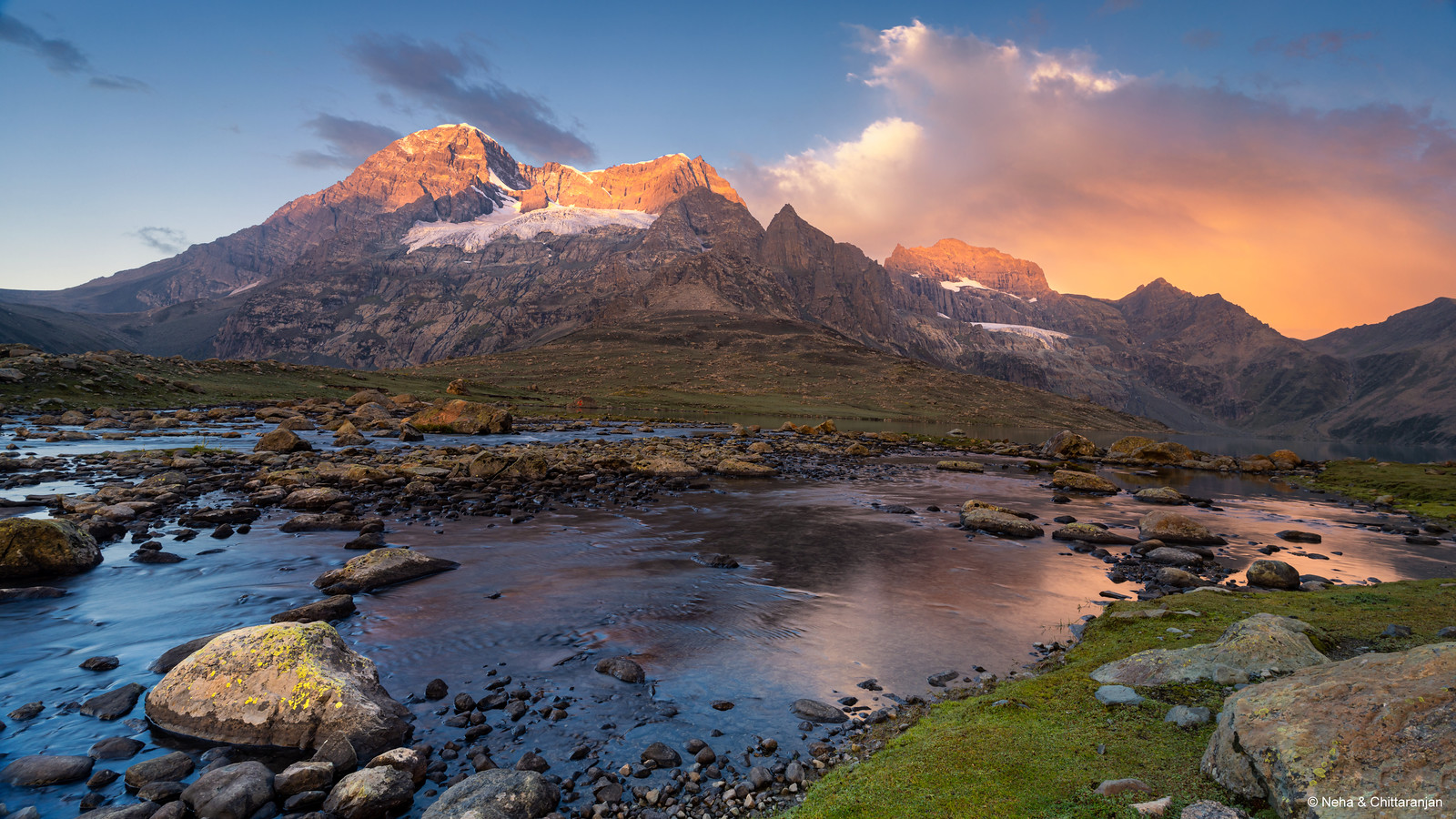
7. Gangbal Lake and Nundkol: The Spiritual Frame
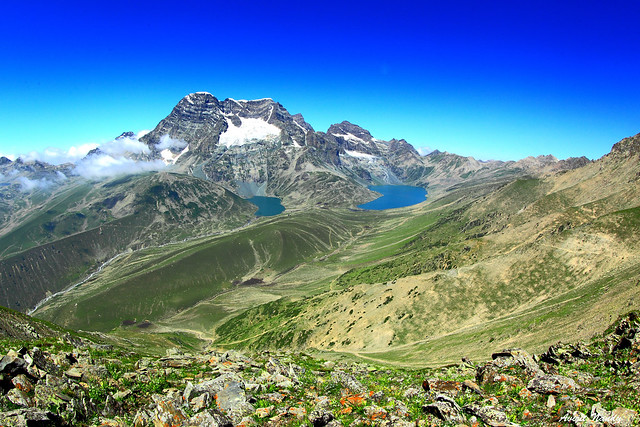
Gangbal Lake sits below Mount Harmukh, and you can feel its importance. Locals consider it sacred, and that respect changes how you shoot here. Frames become calmer, slower, more thoughtful.
Nundkol, just above Gangbal, adds contrast with its icy tone. Together, they create one of the most powerful visual combinations on the trek.
Sunrise is magical here if the weather allows. The first light hitting Harmukh creates soft golden tones that reflect gently in the lake.
Shoot with intention here
- Minimal compositions with lots of space
- Reflections of Mount Harmukh
- Quiet moments without people
8. Random Meadow Walks: The Shots You Never Plan
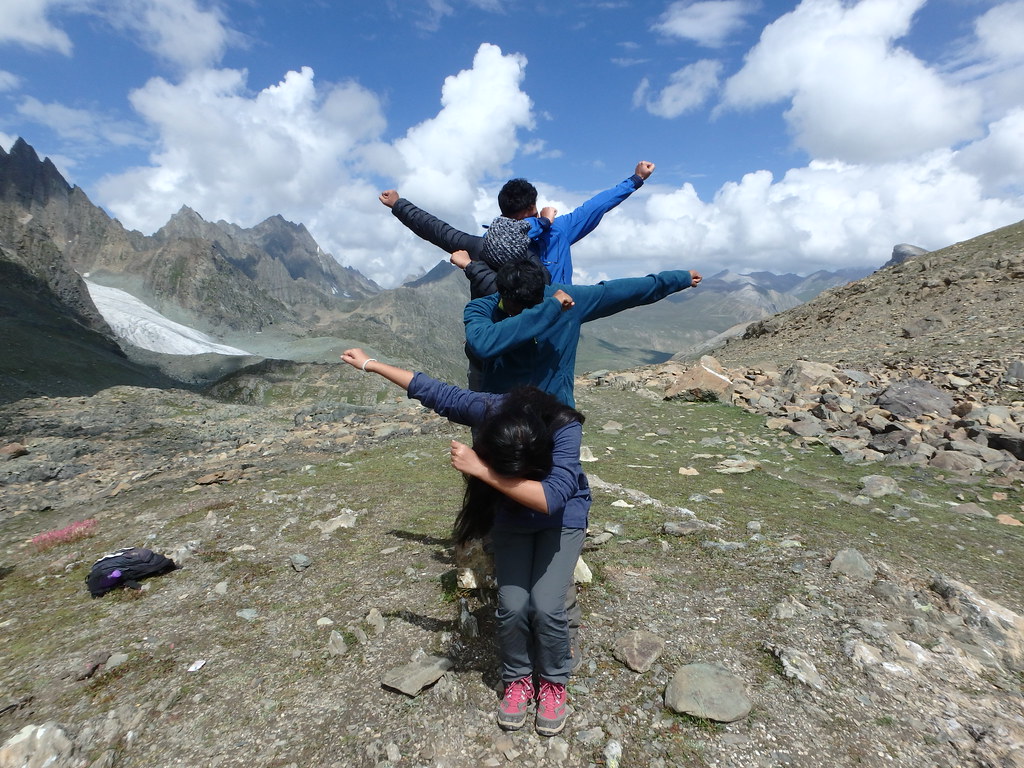
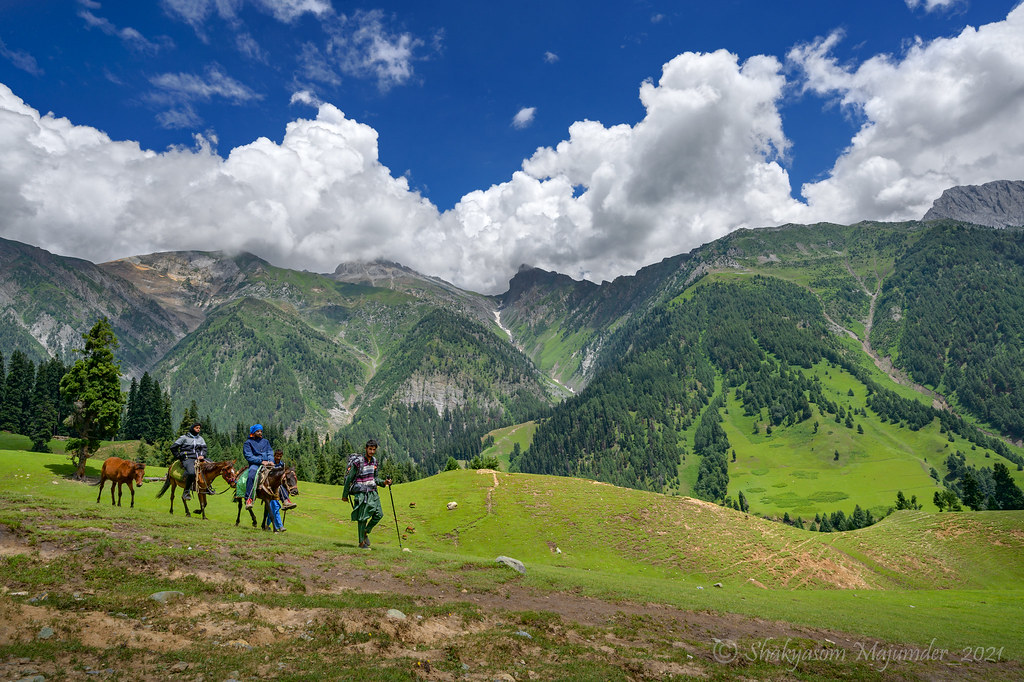
Some of the best KGL trek photos do not come from famous spots. They come from walking between camps, a shepherd passing by, a pony resting, a sudden rainbow after rain.
These moments cannot be planned, only noticed. Keep your camera accessible, even when tired. Some of my favourite frames came when I almost did not stop.
This is also where local culture quietly enters your story. Small huts, grazing sheep, and distant calls add depth beyond landscapes.
Stay alert for
- Light breaking through clouds
- Human elements in vast spaces
- Simple moments that feel real
Real Thinking Points Before You Chase Photos
Photography on this trek is deeply tied to KGL trek weather. Rain, snow, and fog are common, even in peak season. If your goal is only perfect blue skies, you may return disappointed. If your goal is storytelling, you will return fulfilled.
Ask yourself what kind of photos you want, clean and colourful, or raw and emotional. Both exist here, just not always on the same day.
Also, remember this trek is demanding. Sometimes the best choice is to put the camera away and walk. Ironically, that is when the best moments appear.
Final Takeaway for Kashmir Great Lakes Trek Photography Spots
The Kashmir Great Lakes Trek is not about ticking off photo locations. It is about learning when to stop, when to wait, and when to simply feel the place before pressing the shutter.
If you slow down, respect the weather, and stay present, the trek gives you more than images. It gives you memories that photos only try to explain.
So when you finally stand by a silent lake with clouds drifting past, will you click quickly, or will you wait for the moment to speak first?