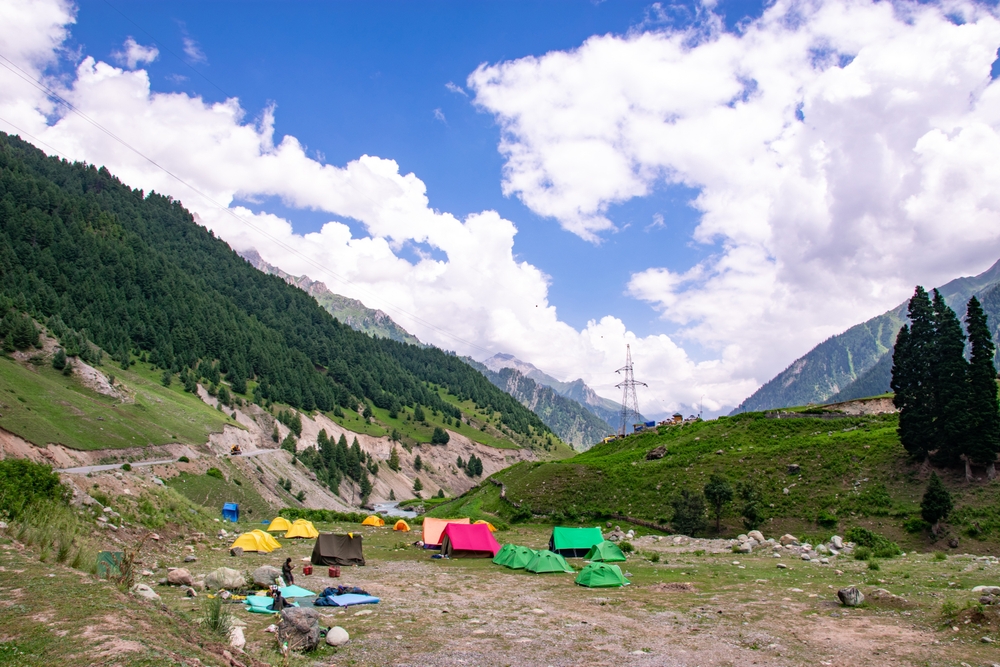
Kashmir Great Lakes trek reviews usually agree on one thing right away. This trek is stunning, demanding, and deeply rewarding, but it is not as simple as many first-time trekkers expect.
If you are planning this trek seriously, you are probably asking the same questions as everyone else does. Is it too hard for beginners? Will the altitude affect me badly? Is it worth the money and effort? I have walked this trail more than once, spoken to dozens of trekkers at camps, and seen people both fall in love with it and struggle quietly. Let me share what trekkers wish they knew before stepping into Kashmir’s high meadows.
Why Kashmir Great Lakes Trek Reviews Matter More Than Instagram Photos
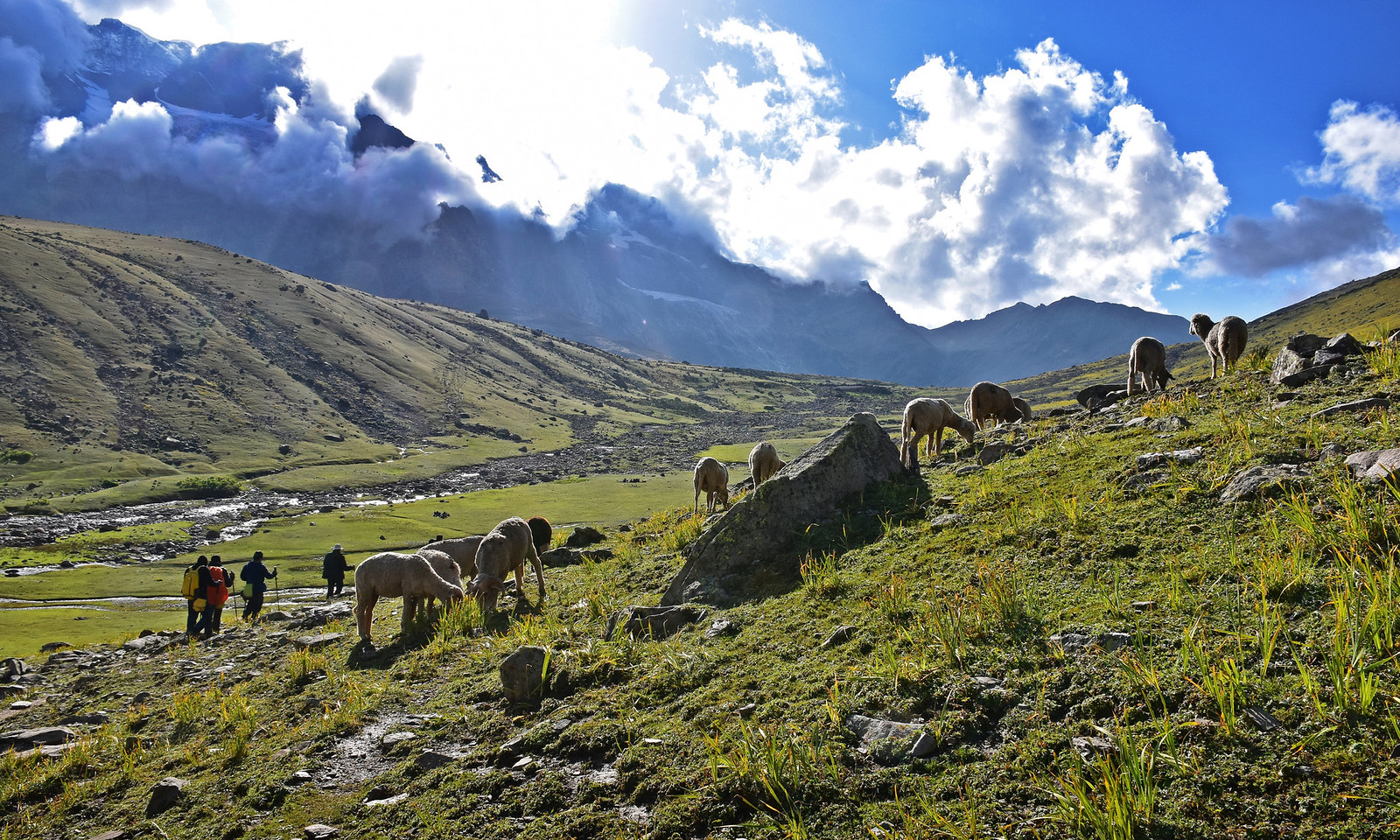
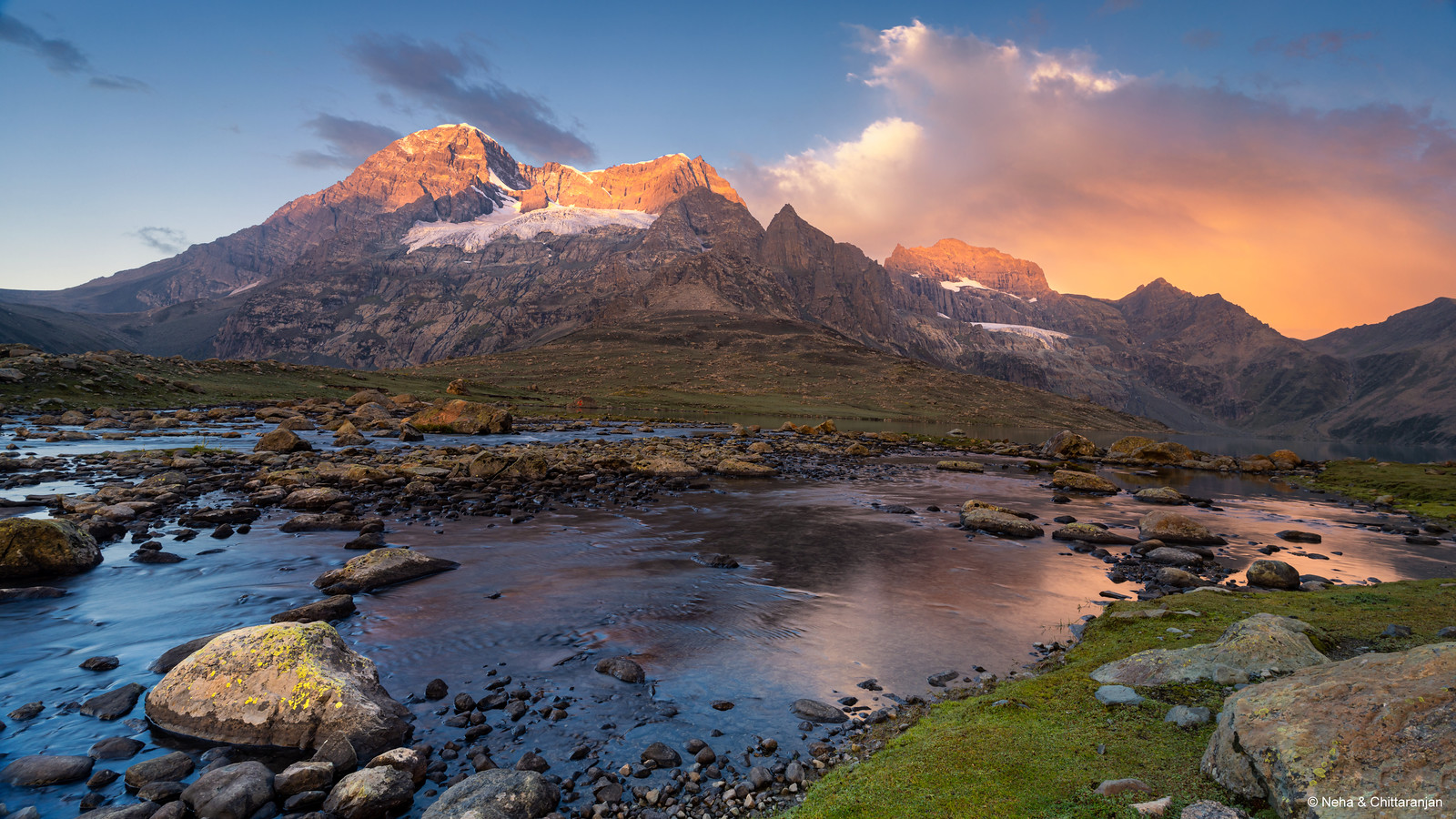
Most Kashmir Great Lakes trek reviews begin with photos. Turquoise lakes, endless grasslands, horses grazing in postcard scenes. All of that is real. But photos do not show breathlessness at 13,000 feet, wet socks after a river crossing, or the silence when someone realises the day is longer than expected.
This trek is not about ticking off a destination. It is about how your body reacts, how patient you are with slow days, and how comfortable you are being uncomfortable for a week. Reviews that only praise the beauty miss the real decision points. That is where honest experiences help.
If you are reading this, you are doing the right thing. You are trying to understand the full picture before committing.
1. Kashmir Great Lakes Trek Reviews Rarely Explain How the Difficulty Feels
Most people label the trek as moderate to difficult. That sounds neat, but it hides the real truth. The difficulty is not technical. There is no climbing or rope work. The challenge comes from long walking days at high altitude, often with steady climbs.
You may walk six to eight hours a day. Some days feel easy at first, then stretch endlessly. Your legs may feel strong, but your lungs work harder than you expect. The trail is kind to the eyes, not always to the body.
A common thought I hear is, “I go to the gym, I should be fine.” Fitness helps, but trekking fitness is different. Walking uphill with a backpack at altitude is a slow grind. Reviews that skip this reality set people up for surprise.
2. Altitude Is the Quiet Factor Most KGL Trek Reviews Underplay
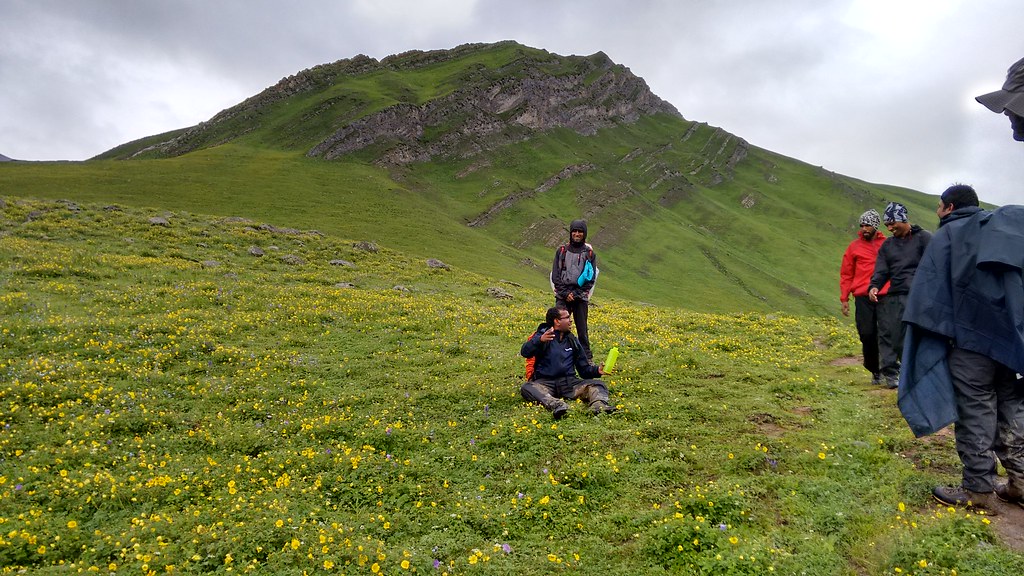
Altitude does not announce itself loudly. It creeps in. One day you feel fine. The next morning you wake up with a dull headache or no appetite. The Kashmir Great Lakes trek crosses camps above 11,000 feet regularly, with passes touching around 13,500 feet.
What trekkers wish they knew is that altitude affects everyone differently. Age, fitness, and experience do not guarantee safety. I have seen seasoned trekkers slow down while first-timers adapt well. Acclimatisation days help, but listening to your body matters more.
Typical signs people ignore include light nausea, disturbed sleep, and unusual tiredness. These are signals, not weaknesses. Walking slower, drinking water, and resting properly make a big difference. Reviews that treat altitude casually often come from lucky experiences, not universal ones.
3. The Lakes Are Spread Out, Not Clustered Like Many Imagine
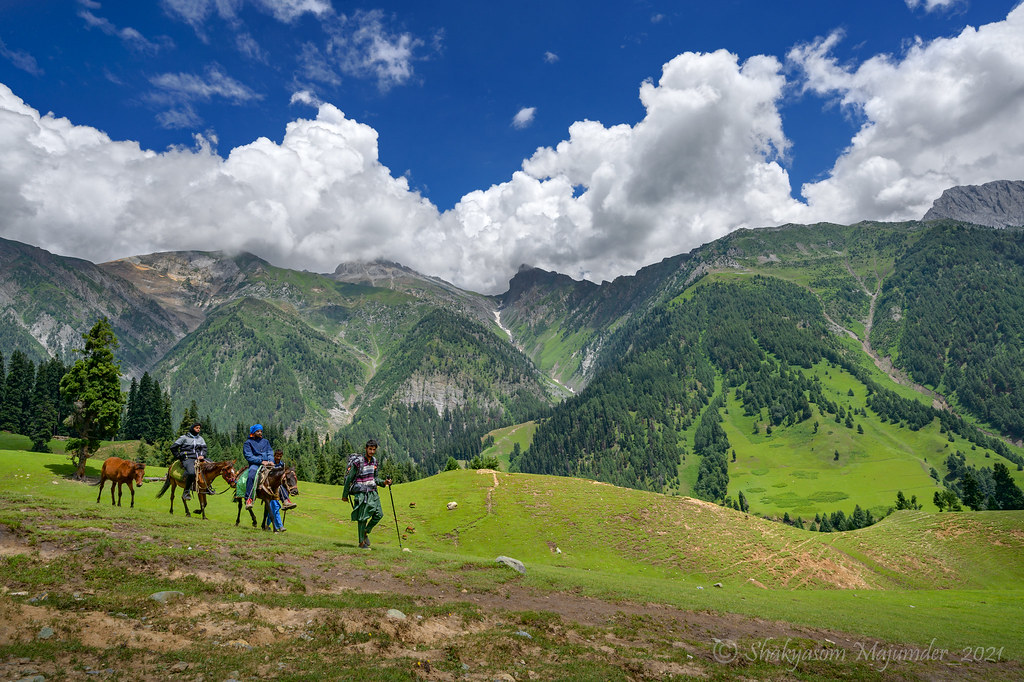
Many first-time trekkers imagine lakes appearing every hour. The truth is gentler and harsher at the same time. The lakes are spread across the route, often appearing after long walks when your energy dips.
You may walk for hours through rolling meadows and suddenly see a lake open up below a ridge. That moment feels earned. It also means there are stretches that feel quiet and repetitive.
This matters because expectations shape morale. If you expect constant visual drama, you may feel disappointed on longer grassy sections. If you expect a journey, the lakes feel like gifts, not obligations.
4. Kashmir Great Lakes Trek Reviews Often Skip Weather Reality
Weather on this trek changes fast. Sunny mornings can turn into cold winds by afternoon. Rain is common, even in peak season. Nights can be cold enough to freeze water bottles near your tent.
What trekkers wish they knew is that waterproof gear is not optional. A light drizzle over six hours can drain energy faster than a steep climb. Proper rain jackets, ponchos, and backpack covers matter more than brand names.
Even in July and August, temperatures drop sharply after sunset. Sitting outside the tent with a cup of tea, watching steam rise in the cold air, feels magical. But only if you are warm enough to enjoy it.
5. Food, Toilets, and Comfort Are Basic, Not Luxury
Many KGL trek reviews praise the food quality, and rightly so. Trek kitchens do an excellent job in tough conditions. Still, expectations need adjustment. Meals are simple, filling, and necessarily repetitive.
Toilets are usually dry pits or basic arrangements. Privacy exists, but comfort is minimal. Cold mornings make these moments harder. This is not a luxury holiday. It is a shared outdoor routine.
Trekkers who struggle most are often not unfit, but unprepared for basic living. If you need long showers, soft beds, and personal space, this trek will test you. If you accept simplicity, it becomes part of the charm.
6. Is This Trek Okay for Beginners?
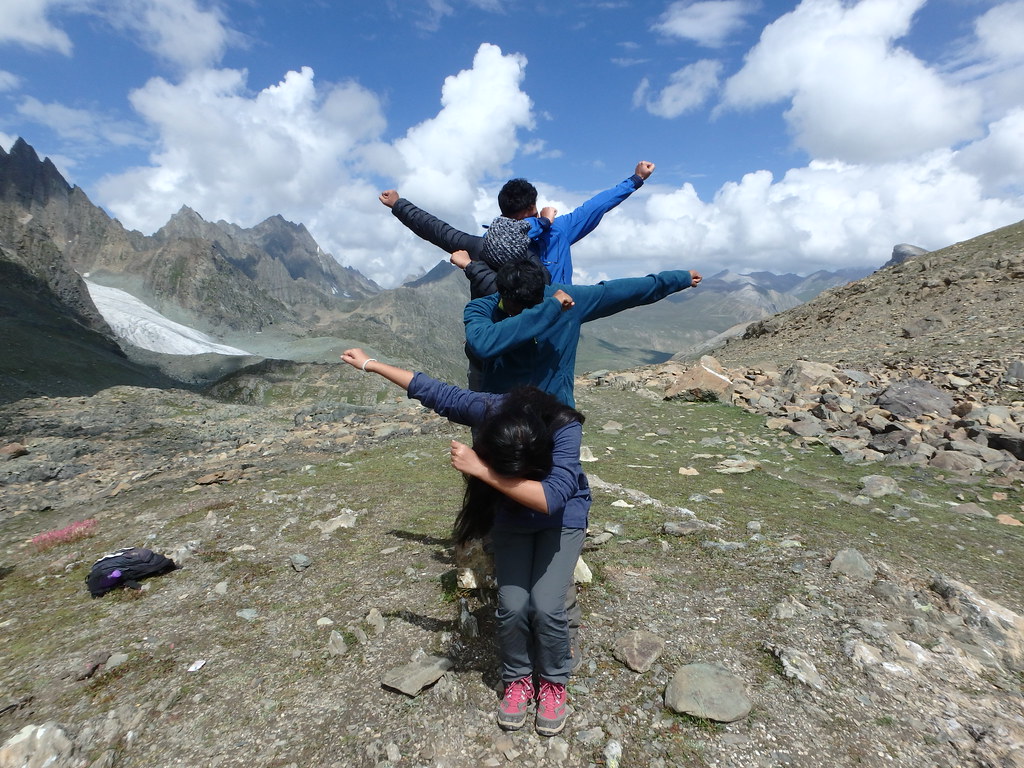
This is one of the biggest decision moments. Can a beginner do this trek? Yes, many do, but not casually.
Beginners who succeed usually do a few things right. They train with regular walking, carry lighter backpacks and follow pace instructions. Most importantly, they respect rest days and heed warnings.
What beginners often underestimate is mental endurance. Waking up early, packing daily, and walking for hours requires patience. The scenery helps, but discipline carries you through tough patches.
If you are willing to prepare and listen, this trek can be life-changing. If you treat it like a picnic, it can feel overwhelming.
7. Is Kashmir Great Lakes Trek Worth the Money? Real Reviews Focus on Value, Not Cost
The cost of this trek often seems high at first glance. When you add travel, permits, and trek fees, the total increases. But trekkers who finish usually agree on one thing. The value goes beyond money.
You are paying for logistics in a remote region, experienced staff, safety planning, and access to landscapes few see on foot. You are also paying for memories that last long after soreness fades.
That said, cheap operators cut corners. Poor food, rushed itineraries, and weak safety planning become apparent later, not at booking time. Reviews that discuss value usually mention organisation quality, not discounts.
Key Questions, Trekkers Often Ask Themselves
Before booking, most people pause at similar questions. It helps to face them honestly.
- Is this trek suitable if I have never trekked before?
- Will altitude be a serious problem for me?
- Do I really need a guide, or can I go solo?
- Will I regret spending this much money?
- Am I mentally ready for basic living for a week?
Good Kashmir Great Lakes trek reviews do not answer these with fear or hype. They guide you to answer them for yourself.
Why Walking With a Group Changes the Experience
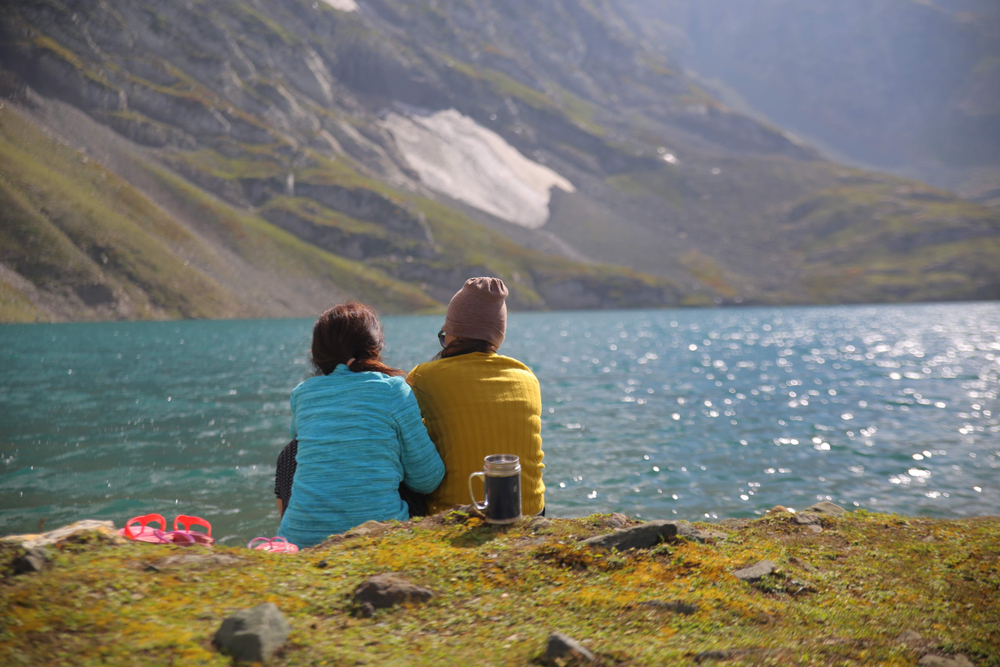
Many trekkers underestimate group dynamics. Walking with strangers for a week creates shared moments quickly. Someone always struggles on a climb. Someone always cracks a joke during lunch breaks.
Support matters. On tough days, a simple “bas thoda aur” from a fellow trekker lifts spirits. Group treks also help with pacing and safety. Solo trekking here is not advised unless you have deep local knowledge and experience.
Most people finish this trek with new friendships. That is something no photo can show.
Packing Smarter Makes the Trek Kinder
Packing heavy is a common regret. Every extra kilo shows up on uphill sections. Trekkers often wish they had trusted the packing list instead of adding “just in case” items.
Focus on layers, not bulk. Good socks matter more than extra clothes. A warm jacket is better than several thin ones. Small decisions here shape daily comfort.
Simple habits help too. Keeping rain gear accessible. Drying socks whenever the sun appears. These small acts make long days manageable.
What Stays With You After the Trek Ends
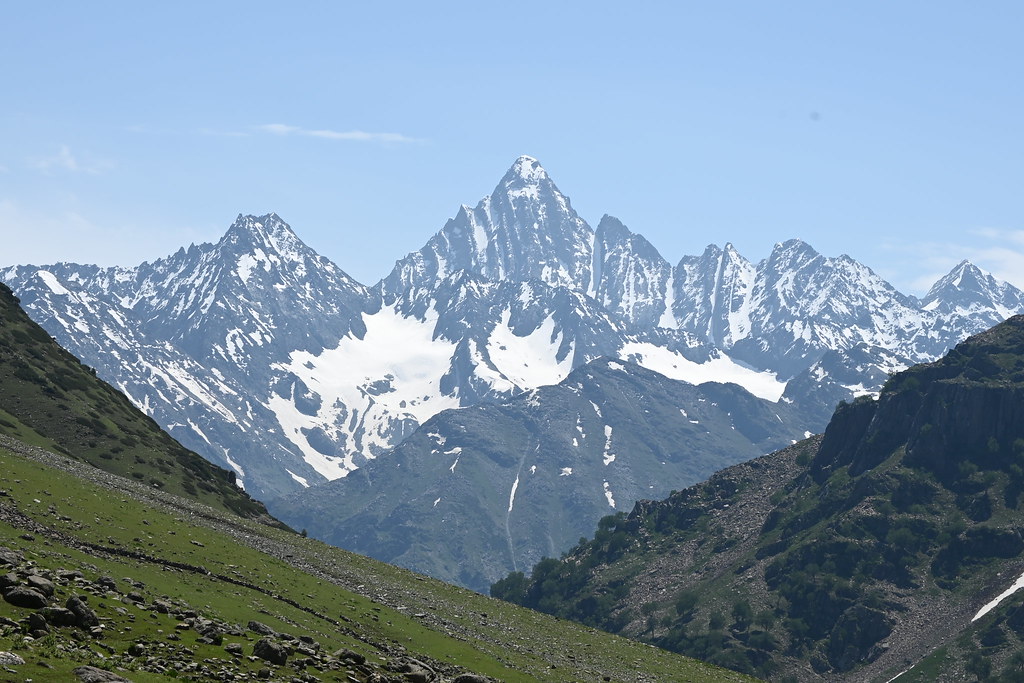
Long after you return home, small moments come back. The sound of wind across open meadows. The calm of walking without phone signals. The feeling of earning a view instead of scrolling past it.
That is why honest KGL trek reviews talk less about perfection and more about growth. You return stronger, slower, and more aware of your limits.
If you are looking for comfort, this trek will challenge you. If you are looking for perspective, it may give you more than you expect.
So now the real question is not whether the Kashmir Great Lakes trek is beautiful. You already know that. The question is, are you ready for the version of yourself that comes back after walking through it?