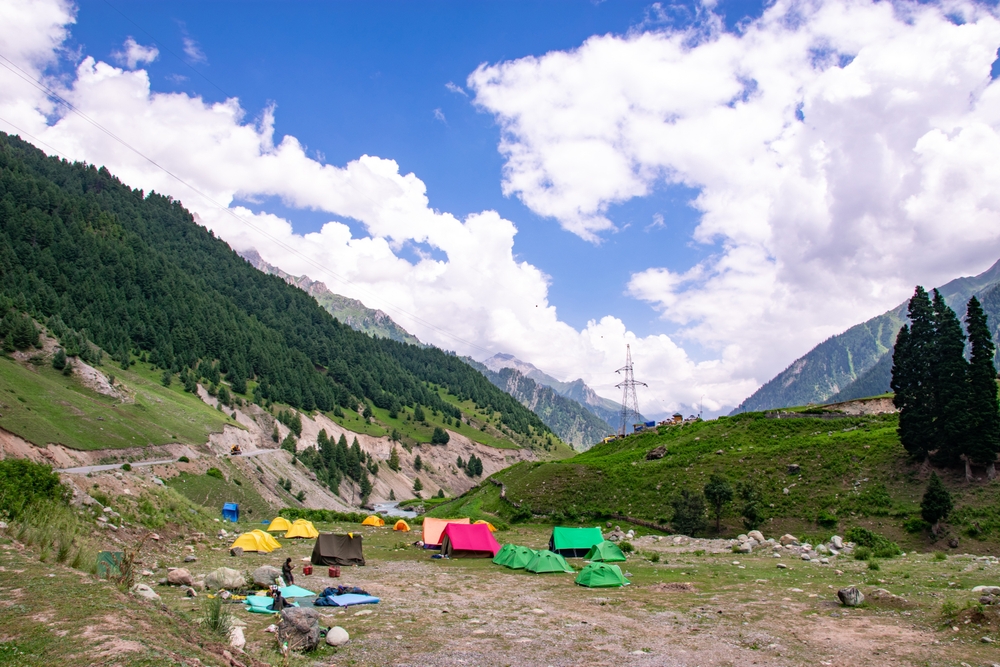
Bad weather can delay, shorten, or cancel the Kashmir Great Lakes trek because storms affect trail safety, river crossings, and visibility faster than any other factor. If you are seriously planning this trek, this one fact shapes every decision you make, from booking dates to packing socks.
I have seen groups walk in sunshine at breakfast and turn back by lunch. The mountains here do not give polite warnings. They change suddenly. That is why understanding Kashmir Great lakes trek weather is not fear-mongering, it is basic planning.
Why Kashmir Great Lakes trek weather turns unpredictable
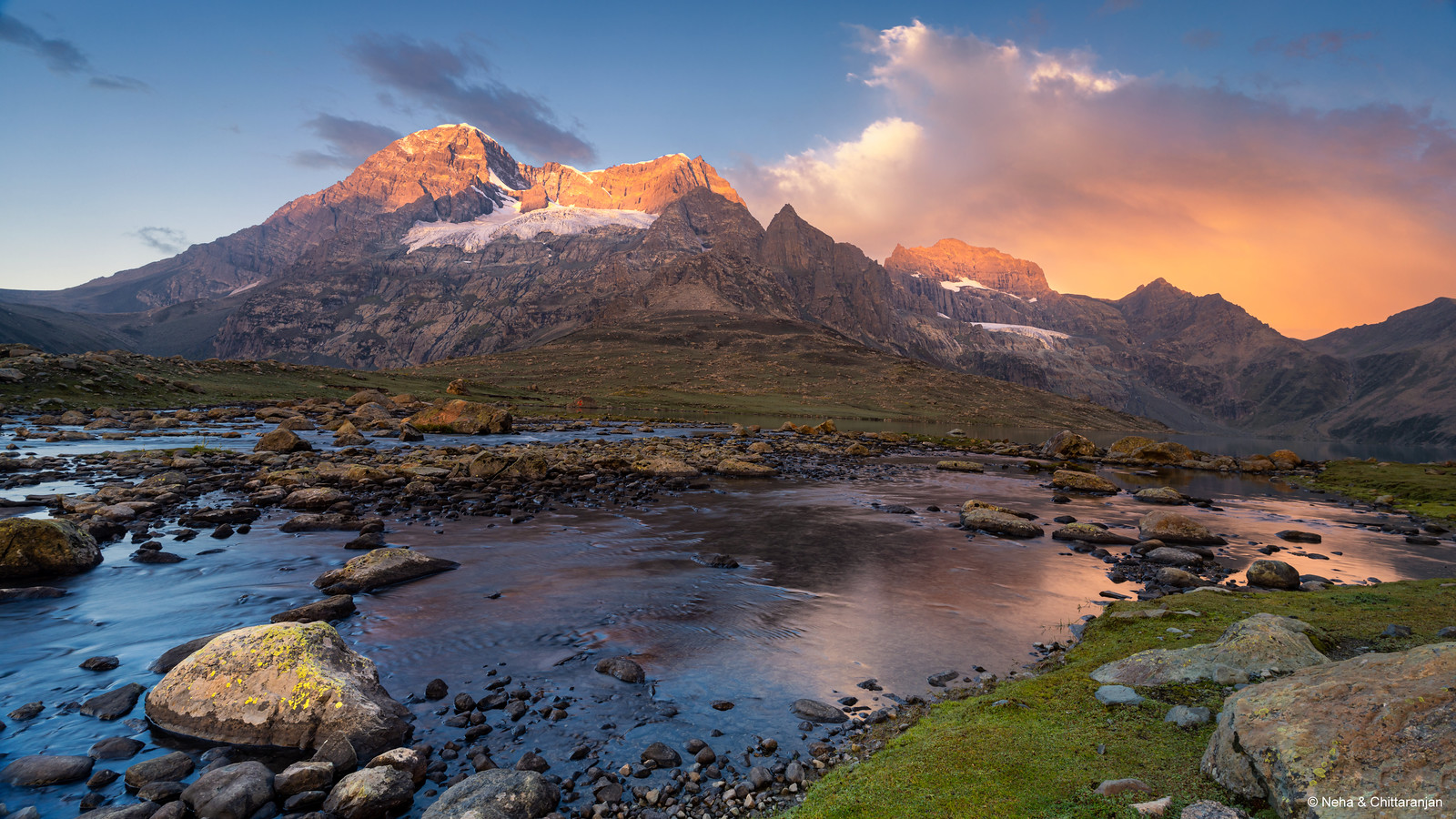
The trek is high, wide, and exposed. This geography matters more than any forecast app. Moist air from the plains rises fast, hits cold ridges, and brings rain or hail without warning. Even in peak season, the weather behaves unpredictably.
During one July trek, our guide joked about “perfect conditions” at Sonamarg. By Nichnai, clouds rolled in like a curtain. The temperature dropped, wind slapped tents all night. No warning. That is KGL.
This is why KGL trek weather often changes by the hour, not by day. You plan for windows, not guarantees.
How weather directly impacts your trekking days
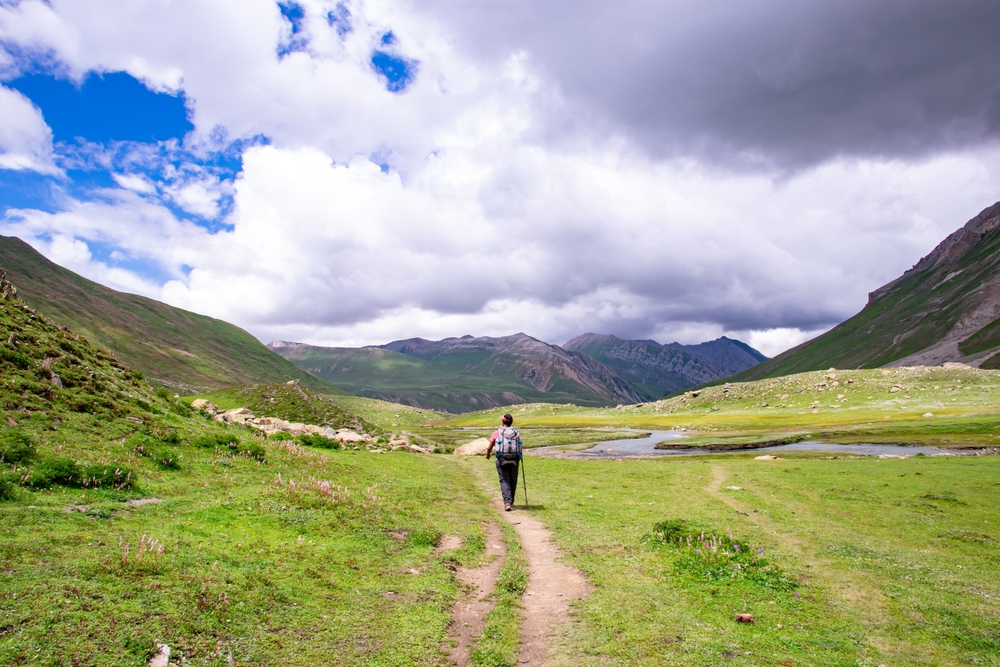
Weather does not just make things uncomfortable. It changes what is possible on the ground. Slippery trails, swollen streams, and white-out passes turn normal walking days into risk assessments.
Rain and snow slow the group. Fog hides trail markers. Strong winds at exposed sections can affect balance. Add altitude fatigue and small issues grow fast.
That is why organisers track Kashmir great lakes trek weather constantly during the trek, not just before it starts.
Common weather patterns trekkers face on KGL
Each pattern brings its own set of problems. None are deal-breakers alone, but together they decide whether you move or stop.
- Sudden rain spells lasting 2 to 6 hours that flood trails
- Cold nights where wet clothes freeze by morning
- Dense fog near passes like Gadsar that kills visibility
- Afternoon storms with wind and graupel pellets
- Late-season snow even in August at higher camps
Most first-timers expect snow drama. In reality, rain plus cold causes more exits.
Why trek cancellations happen in bad weather
Cancellations are not random. They are safety decisions. When weather reaches certain thresholds, moving forward becomes irresponsible.
Heavy rain swells streams that look harmless in the morning. Cloud cover hides landmarks. Cold rain drains energy faster than snow. Guides recognise these signs early.
I once asked a local guide why we were turning back when the rain looked “manageable”. He pointed at the stream. “In two hours, that will eat boots,” he said. He was right.
Weather situations that usually trigger cancellations
These are the moments when organisers pause or step the trek. Not because they want to, but because the mountain leaves no choice.
- Continuous rain for 24 hours or more
- River crossings above knee height
- White-out conditions at passes
- High wind warnings at exposed ridges
- Multiple hypothermia symptoms in group
If two or more occur together, the chance of cancellations rises sharply.
How cancellations actually play out on the ground
Cancellations rarely mean packing up and going home immediately. Most often, it starts with route changes or rest days.
You may stay an extra night at a camp, or skip a lake and cross earlier, or descend to a safer exit point. Full trek abandonment is the last step.
This flexible response is why understanding KGL trek weather helps you manage expectations. You are not buying a fixed itinerary, you are buying a safe experience.
The mental side of bad weather on the trek
Bad weather affects your mind more than your body. Wet socks, grey skies, and slow progress wear down morale.
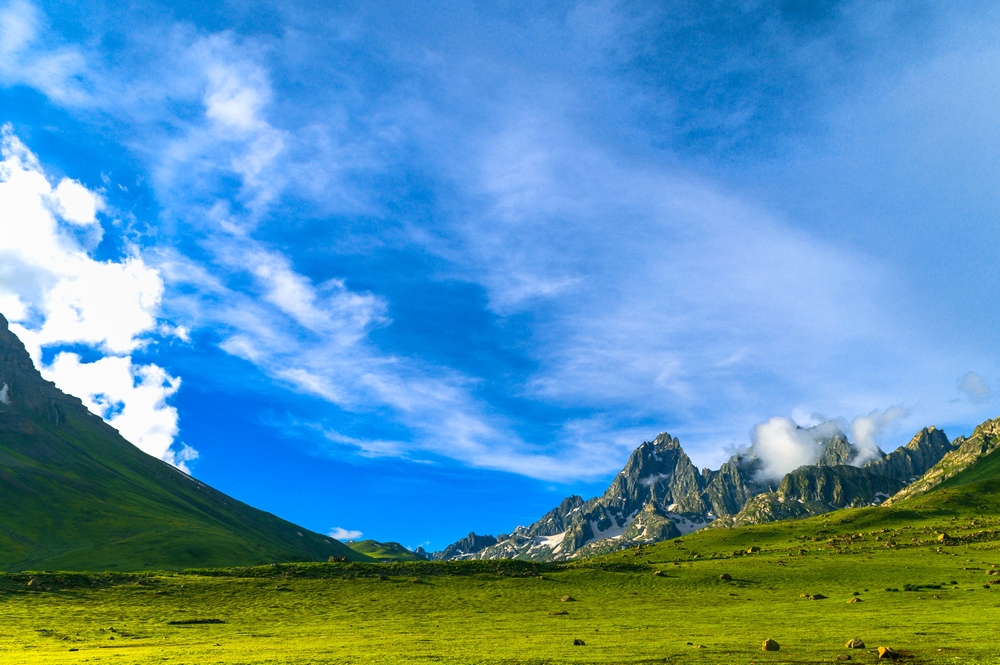
I remember a trekker asking, “Is this even worth it anymore?” That was on day three, during nonstop drizzle. Two days later, sunshine lit up Satsar like a painting. He cried quietly.
Weather tests patience. Those who accept it, enjoy it more. Those who fight it suffer.
What first-time trekkers misunderstand about KGL weather
Most people prepare for cold but not for dampness. You can layer against the cold. Dampness creeps in.
Another mistake is trusting city forecasts. Sonamarg weather does not match pass weather. Camps are higher and colder.
Finally, many assume cancellations mean refunds. That is not always the case. Weather is an “act of god” clause for most operators.
How to plan dates around Kashmir Great Lakes trek weather
You cannot beat the weather, but you can improve your chances. Timing matters.
Mid-July to mid-August offers the best balance. Snow has melted, trails are clear, and while storms still occur, the gaps are longer.
Early July brings snow patches and cold rain. Late August brings shorter days and colder nights. September is beautiful but riskier.
This is why most seasoned trekkers avoid the extreme ends of the season.
Smart ways to reduce weather-related disappointment
You plan mentally as well as logistically. These steps help you enjoy the trek even when plans change.
- Keep buffer days after the trek
- Book flexible return tickets
- Carry proper rain protection, not cheap ponchos
- Accept route changes as part of the experience
- Choose experienced local operators
Flexibility turns frustration into stories.
Packing decisions that matter when the weather turns bad
Bad weather quickly exposes poor gear choices. Cotton kills warmth. Cheap rainwear leaks. Thin gloves numb fingers.
One night at Gadsar, a trekker wore jeans to sleep. By morning, he was shivering badly. Weather does not forgive fashion mistakes.
Waterproof layers, dry bags, and spare socks matter more than brand names.
Should you cancel your trek because of the weather forecast?
This is the hardest descision. Forecasts are clues, not verdicts. A predicted “rainy week” often means scattered spells.
If alerts mention cloudbursts or prolonged rain systems, reconsider. If it shows light showers, wait and watch.
Talk to your operator. Ask what they see on the ground. Local judgement beats apps every time.
How experienced trekkers think about KGL trek weather
They expect disruption. They carry patience. They focus on moments, not mileage.
One old trekker told me, “I never remember the rain. I remember the tea after it.” That sums it up.
Weather shapes the story, but it does not erase it.
Key thinking points before you book
- Are you okay with partial routes?
- Can you handle cold rain and delays?
- Do you value safety over completion?
- Will you enjoy the trek even if plans change?
Answer honestly. That decides everything.
Bad weather on the Kashmir Great Lakes trek is not an exception. It is part of the character of the mountains. The real question is not whether weather will interfere, but how ready you are to walk with it instead of against it.