Kashmir Great Lakes trek medical preparation is essential, not optional. It is the thin line between a safe, enjoyable journey and a trip that becomes stressful halfway through the mountains.
When you trek in Kashmir, you are not just walking through postcard views. You are moving through remote valleys, covering long distances, facing cold nights and sudden weather changes. Medical help is far away. Even minor health issues feel big at 13,000 feet. I have seen strong trekkers slow down because they ignored a simple headache on Day 1. So let us get this right from the start.
Why Kashmir Great Lakes Trek Medical Planning Matters More Than You Think
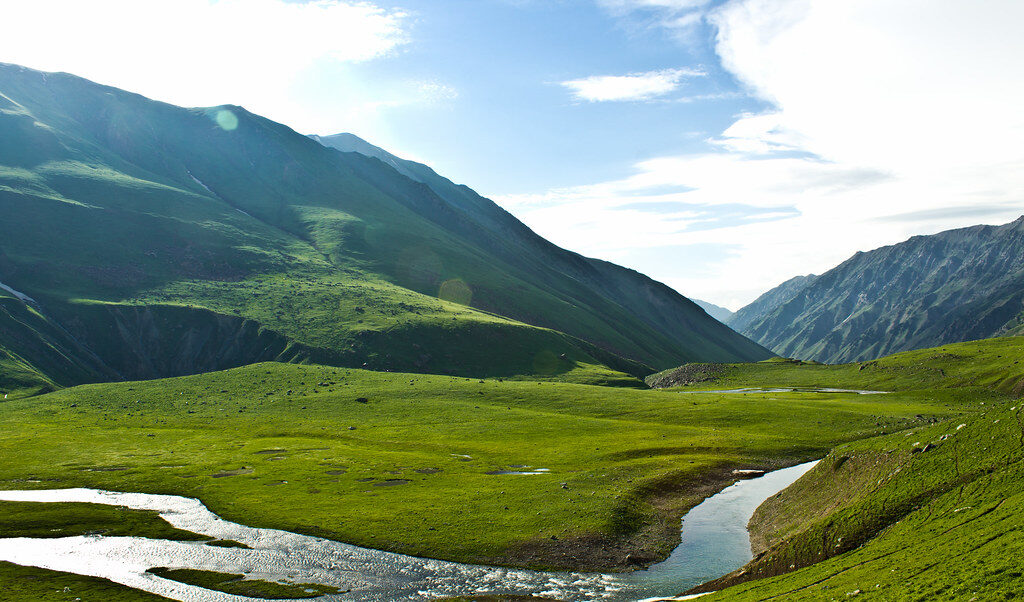
The Kashmir Great Lakes route is long, isolated, and exposed to fast-changing weather. Once you cross Sonamarg and move deeper into the trail, you lose easy access to doctors, pharmacies, and even phone networks. That reality changes how you should think about health.
This is why the Kashmir Great Lakes trek medical planning is not about fear, it is about control. You carry solutions for problems that are common, predictable, and manageable when handled early.
The smartest trekkers I have met are not the fastest. They are the ones who prepare quietly and never need emergency help.
1. Altitude Sickness Medicines Are Non-Negotiable
Altitude sickness is the most common medical issue on this trek. Even fit people experience it. Headache, nausea, loss of appetite, or disturbed sleep can appear within the first two days.
I have personally felt that dull headache creep in near Nichnai Pass. It is not dramatic at first, but if ignored, it can ruin the trek.
Always carry these altitude-related medicines:
- Diamox (Acetazolamide) after consulting a doctor
- Paracetamol for altitude headaches
- Antiemetic tablets for nausea
- Oral rehydration salts
These are core Kashmir trek medications and should never be skipped. Do not self-medicate blindly. Speak to a doctor before the trek and understand dosage clearly.
2. Pain Relief and Muscle Recovery Medicines are Important Daily
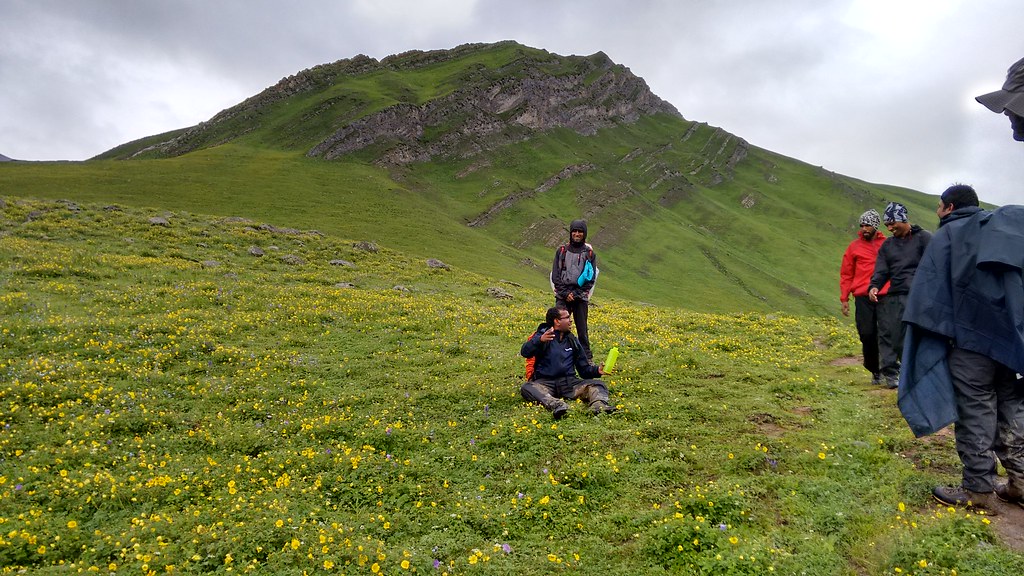
Long walking hours, uneven terrain, and cold nights stress the body in quiet ways. Knee pain, ankle strain and shoulder stiffness from backpack weight are common by Day 3 or Day 4.
This is where pain relief becomes part of daily comfort, not just emergency care. Many trekkers regret not packing basic muscle support.
Keep these simple but effective items:
- Ibuprofen or Paracetamol
- Muscle pain relief spray or gel
- Crepe bandage for joint support
Good KGL trek health tips start with respecting your body before pain becomes serious.
3. Stomach and Digestion Medicines Save the Trek
Let us be honest. Trek food is simple. Your body is under stress. Digestion often slows at altitude. Add cold weather and dehydration, and stomach issues become common.
I have seen trekkers panic over mild loose motion or acidity. The stress makes it worse.
Your medical kit must include:
- Anti-diarrhoea tablets
- Antacids for acidity
- Probiotics or digestion-support tablets
These small tablets can protect your energy levels and sleep quality throughout the trek.
4. Cold, Cough, and Fever Medicines Are Essential in KGL Weather
KGL trek weather changes quickly. A sunny afternoon can turn into a freezing evening within an hour. Wet socks, sudden rain, or strong winds can easily invite cold and fever.
Ignoring early symptoms is a mistake. A mild cold at sea level feels very different at 12,000 feet.
Always pack:
- Cold and flu tablets
- Cough syrup or lozenges
- Fever-reducing medicine
This is basic Kashmir great lakes trek medical sense. Treat symptoms early. Rest when needed.
5. Personal Prescription Medicines Need Extra Attention
If you take daily medicines for blood pressure, thyroid, asthma, or allergies, this point is critical. Carry extra doses beyond the trek duration as weather delays are common.
Keep prescriptions written down or stored on your phone. Also inform your trek leader clearly.
Personal care checklist:
- Extra supply of personal medicines
- Written prescription or doctor note
- Emergency inhaler if needed
This is one area where shortcuts cause real trouble.
6. Basic First Aid Supplies Handle Most Minor Injuries
Blisters, cuts, sunburn, and minor bruises happen to almost everyone. They are small problems but can become serious if untreated in cold, wet conditions.
I still remember helping a fellow trekker who ignored a blister. By Day 4, walking became painful.
Your first aid essentials should include:
- Band-aids and blister pads
- Antiseptic cream or liquid
- Cotton, gauze and medical tape
These basics complete your Kashmir trek medications kit.
7. Allergy and Skin Care Medicines Protect You Quietly
Grass pollen, cold winds, sun exposure, and sweat can trigger skin issues or allergies. Even those people without known allergies may react at altitude.
Add these simple protections:
- Anti-allergy tablets
- Calamine lotion or soothing cream
- Sunscreen with high SPF
Skin discomfort may seem minor, but it affects sleep, mood, and energy.
8. Emergency Medical Tools for Peace of Mind
These are not medicines, but they complete a serious medical kit. They help you respond calmly when something feels wrong.
Smart additions include:
- Digital thermometer
- Small scissors and tweezers
- Emergency contact details
You may never use them, that is the goal.
How to Pack and Use Your Kashmir Great Lakes Trek Medical Kit Smartly
Do not dump medicines randomly into your backpack. Organise them. Label strips. Keep emergency medicines in a quick-access pouch.
Think through real situations. What if you feel dizzy at night? What if your knee hurts mid-day? Preparation prevents panic.
This mindset is at the heart of good KGL trek health tips.
Common Medical Mistakes Trekkers Make on KGL Route
Many issues arise from poor decisions, not lack of fitness.
- Skipping altitude medicine thinking fitness is enough
- Sharing medicines without knowing possible reactions
- Ignoring early symptoms to save pride
The mountains reward honesty, not ego.
A Quiet Reminder Before You Start Packing
Medical preparation does not mean expecting trouble. It means respecting where you are going. Kashmir Great Lakes is stunning, but it is not forgiving if you arrive unprepared.
When your medical kit is ready, your mind stays calm. And when your mind is calm, your body follows.
So when you zip your backpack and take that first step out of Sonamarg, ask yourself one thing.
If something small goes wrong today, am I ready to handle it calmly on my own?