Responsible tourism ethics matter most on the Kashmir Great Lakes trek. This route passes through fragile meadows, living villages, and high-altitude lakes that cannot recover if mistreated. If you are planning this trek seriously, these ethics are not add-ons. They are the foundation of a safe, meaningful, and respectful journey.
I say this as someone who has walked these trails slowly, spoken to local shepherds over noon chai, and watched careless trekkers undo years of natural balance in a single season. The Kashmir Great Lakes Trek is stunning, but its beauty is not passive. It responds to how you behave.
Below are seven responsible tourism ethics that truly matter on this trek. Not theory. Not brochure talk. Real, lived guidance to help you decide how to walk, where to pause, and what kind of traveller you want to be.
1. Respect the Land
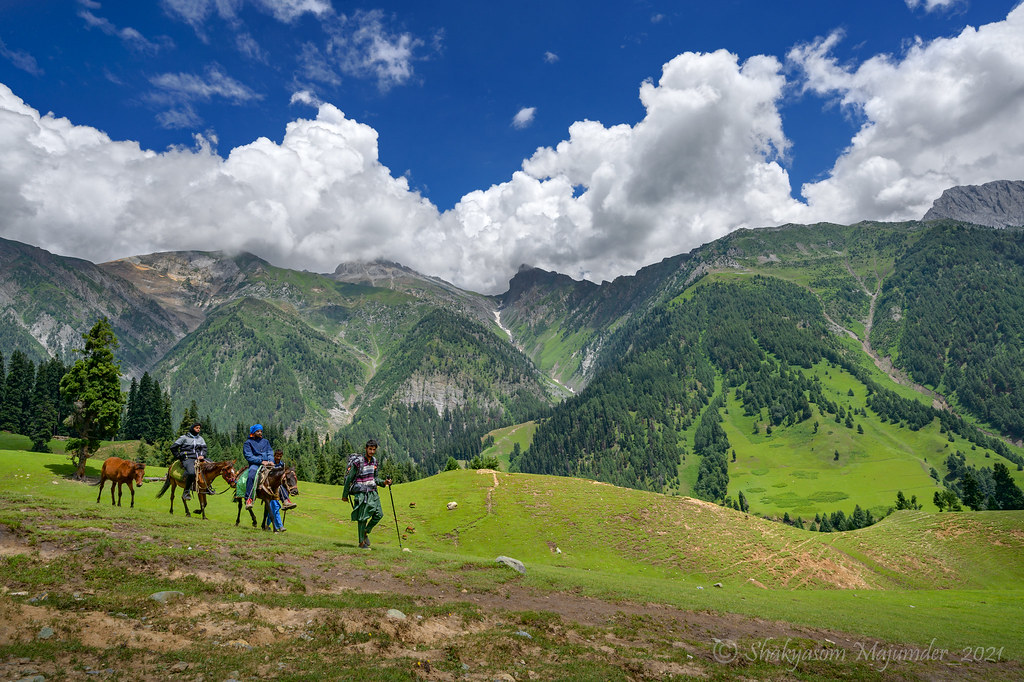
The first thing to understand is that these meadows are not empty spaces. They are grazing grounds for Gujjar and Bakarwal families who move with the seasons. When you step onto a lush green patch near Nichnai or Vishansar, you are stepping into someone’s livelihood.
I have seen trekkers pitch tents on soft grass because it “looked perfect.” That grass feeds sheep through harsh winters. Once flattened, it does not recover quickly at this altitude. Respect here means choosing designated camps, even if the view is less dramatic.
This ethic shapes everything that follows. When you respect land ownership and usage, your decisions slow down. You start asking before acting. That pause alone protects the trail.
2. Honest Waste Management
Let us be blunt. The Kashmir Great Lakes has a waste problem, and trekkers play a significant role in it. Snack wrappers, wet wipes, and even sanitary waste are often buried under stones. At this altitude, nothing decomposes quickly.
I once picked up a chocolate wrapper near Gangbal that still had a readable MRP, from five years ago. That moment stays with you.
Responsible tourism here means accepting inconvenience. You carry your waste back, every single bit. No excuses about weight or smell.
Simple non-negotiables you must follow:
- Carry a personal waste pouch from day one
- Pack out wrappers, tissues, and hygiene waste
- Avoid single-use plastic before the trek starts
- Never burn waste, even paper, at campsites
This ethic exists because the lakes have no natural cleaning system. What you leave behind becomes someone else’s burden.
3. Sensitivity to Local Culture
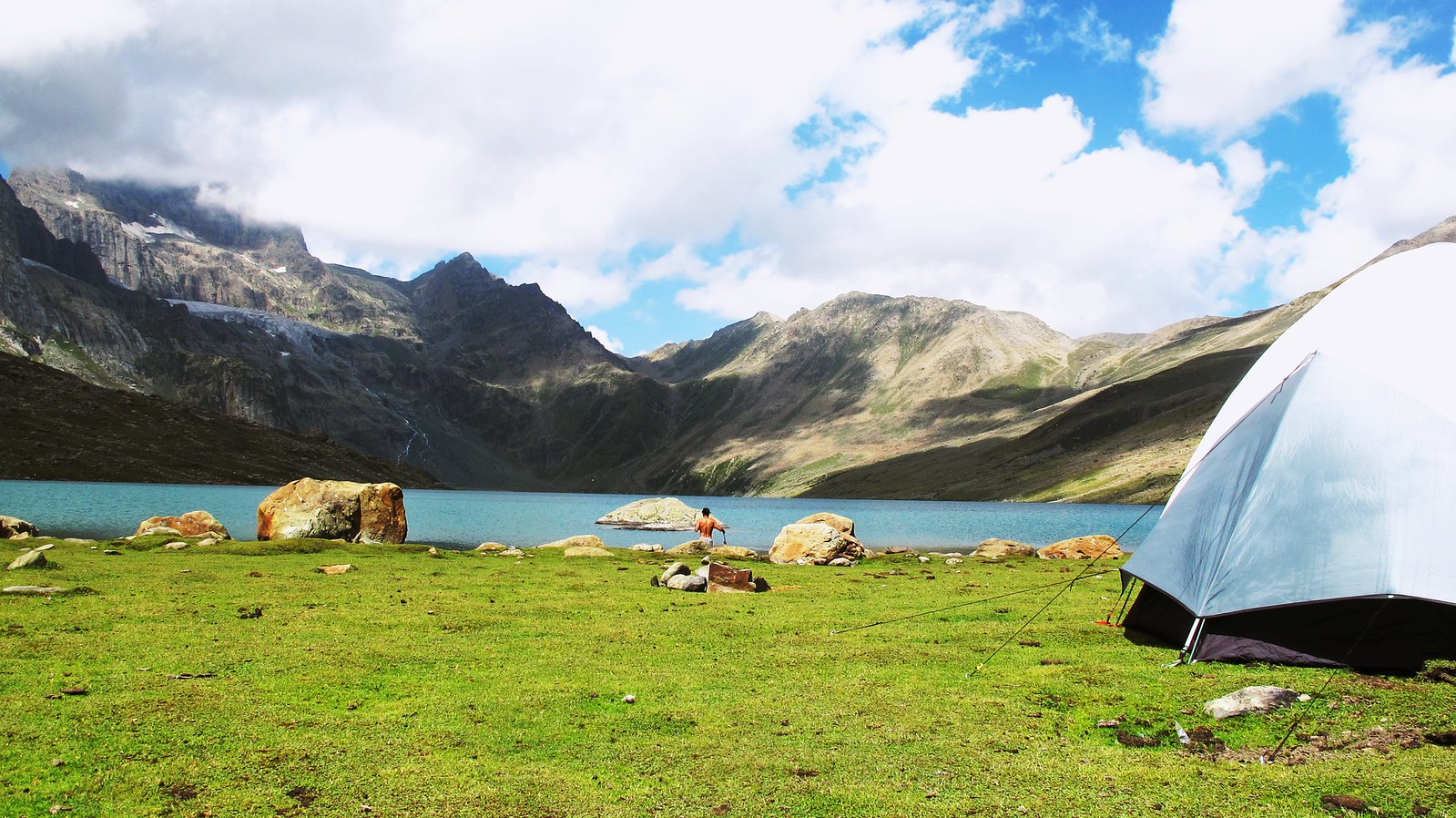
Kashmir is warm, reserved, curious, and deeply dignified. Locals along the trail often watch trekkers quietly. How you dress, speak, and behave shapes how trekking is perceived as a whole.
I remember a shepherd near Gadsar asking me why some trekkers played loud music near prayer time. He did not complain, he just looked tired.
Respect here is not about rules, but it is about awareness. Dress modestly in villages. Ask before taking photos. Lower your voice near settlements.
Small gestures matter more than grand speeches. When locals feel respected, they protect the trail alongside you.
4. Weather Awareness
KGL trek weather is not dramatic for storytelling. It is practical, moody, and often unforgiving. Mornings can feel kind, but afternoons change fast. A clear sky can turn to sleet without warning.
Responsible trekkers respect weather limits. They do not push for summit photos when clouds build. They do not rush river crossings because “everyone else did.”
I have waited out rain for an hour near Satsar while others pushed ahead. Later, we met them shivering at camp. Mountains always charge interest for impatience.
Responsible weather choices include:
- Starting early to avoid afternoon storms
- Listening to trek leaders without debate
- Packing proper rain layers, not shortcuts
- Accepting route changes when safety demands
Weather humility keeps rescue teams out of danger and ensures your story ramains a good one.
5. It Means, Walking, Not Conquering
This trek is not a medal. It is a conversation with altitude, water, and time. Many trekkers arrive with a “finish fast” mindset. That approach causes injuries, illness, and resentment towards the trail.
I have seen strong gym-trained hikers struggle because they raced uphill. I have also seen average walkers succeed because they kept a steady rhythm.
Responsible trekking means pacing yourself and letting the landscape lead. You stop when your breath asks you to. You drink water before thirst hits.
The trail rewards patience. It punishes ego quietly but firmly.
6. This Include Ethical Camping
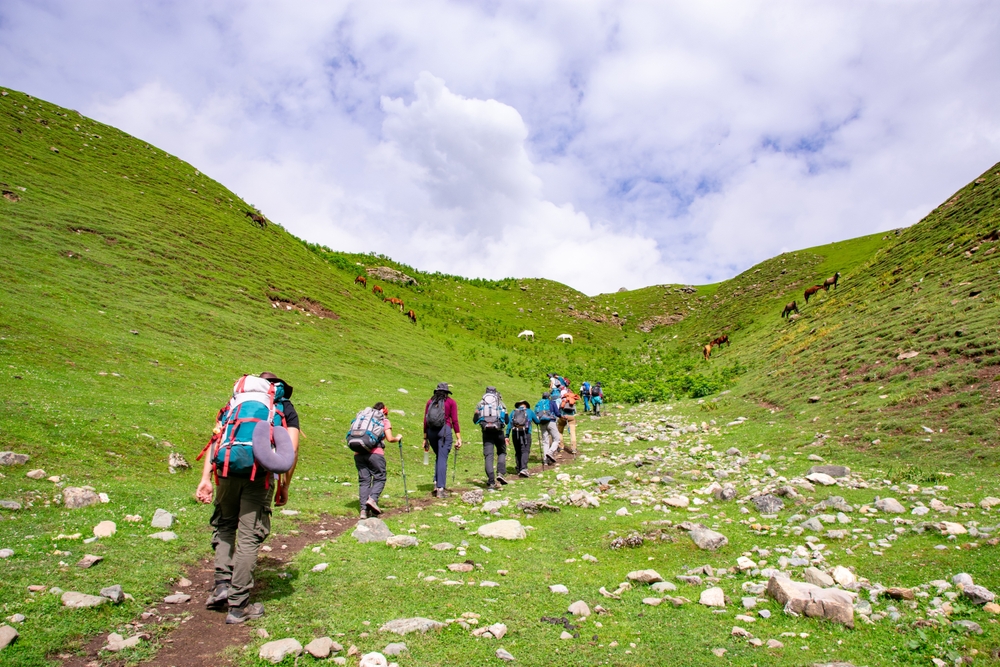
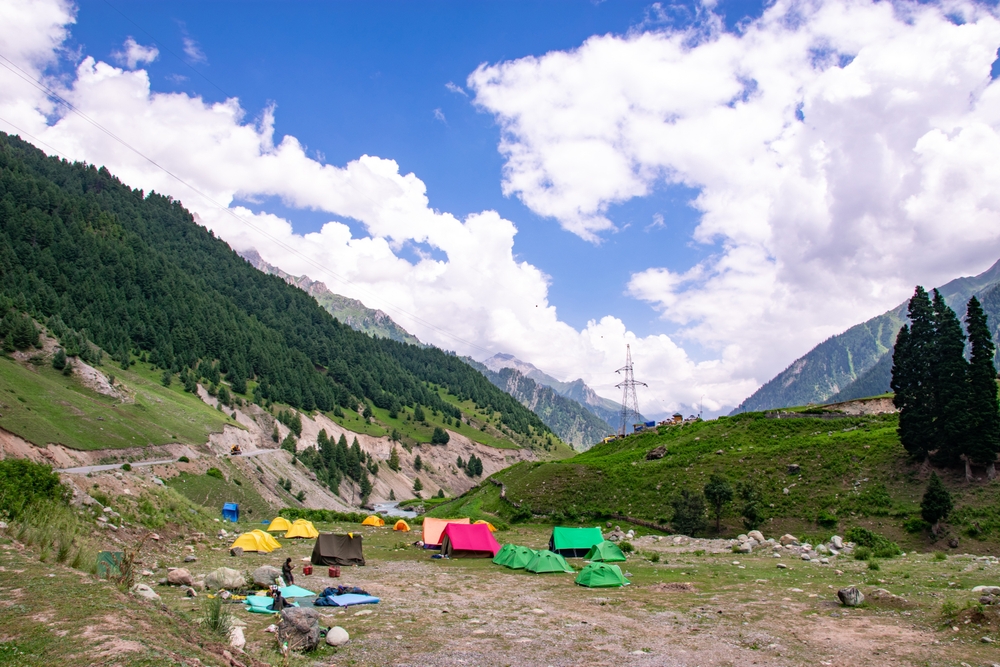
Campsites are temporary homes. How you treat them decides whether they remain usable next season. Loud nights, scattered food, and careless washing pollute both soil and streams.
Once at Vishansar, a group washed utensils directly in the lake. The water source for hundreds downstream was contaminated within minutes.
Ethical camping is simple but strict.
- Use designated toilet tents or dig proper catholes
- Wash dishes at least 50 metres from water bodies
- Keep noise low after sunset
- Store food securely to prevent wildlife dependence
Camping lightly ensures the next group experiences the same magic you did.
7. This End With Accountability
This is the hardest ethic because it continues after the trek ends. What story will you tell when you return? Will you glamorise shortcuts and reckless behaviour or will you talk about restraint and care?
I often tell friends that the best trekker leaves no trace behind, no trash, no trail damage, no offended locals.
Responsible tourism is not perfect behaviour, it is conscious behaviour. You will make mistakes. What matters is correcting them and sharing better habits with others.
This trek does not need heroes, it needs mindful walkers.
Key Takeaways to Carry With You
- Treat the land as lived-in, not empty
- Carry back everything you carry in
- Let weather and locals set the pace
- Walk with patience, not pressure
- Camp as if you will return next year
The Kashmir Great Lakes trek offers rare beauty, but it also asks a quiet question in return. When the trail remembers you, what exactly will it remember?