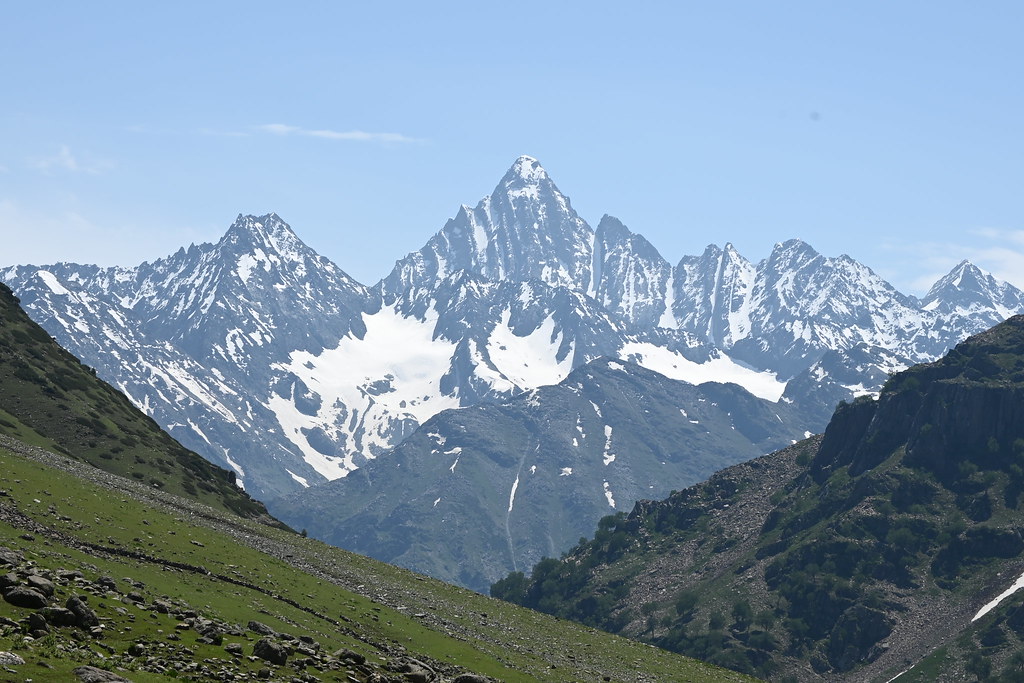
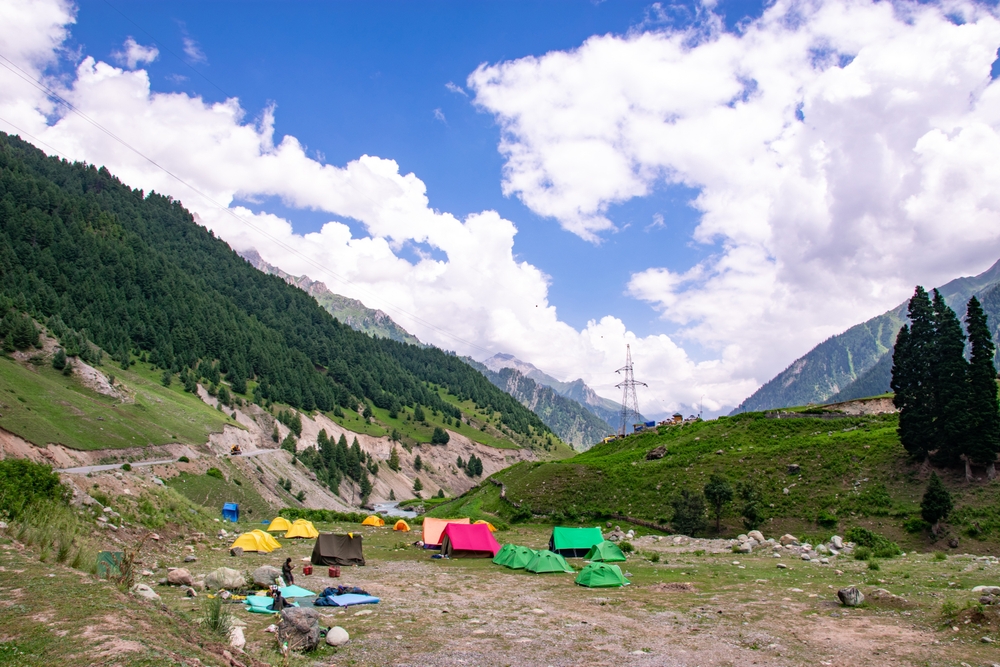
Kashmir Great Lakes trek safety is high for trekkers who prepare properly, pace themselves, and respect how remote this landscape really is.
This is not a risky expedition, but it is also not a relaxed holiday walk. Once you understand that balance, most safety worries lose their edge.
When people ask me if this trek is safe, I do not reach for dramatic stories. I talk about judgment. I talk about preparation. And I talk about the quiet choices people make every day on the trail that decide whether the trek feels smooth or stressful.
I have walked this route across multiple seasons with beginners, solo travellers, and seasoned trekkers. Every real safety issue I have seen came from rushed thinking, not from the mountains themselves.
Understanding Kashmir Great Lakes Trek Safety in Real Terms
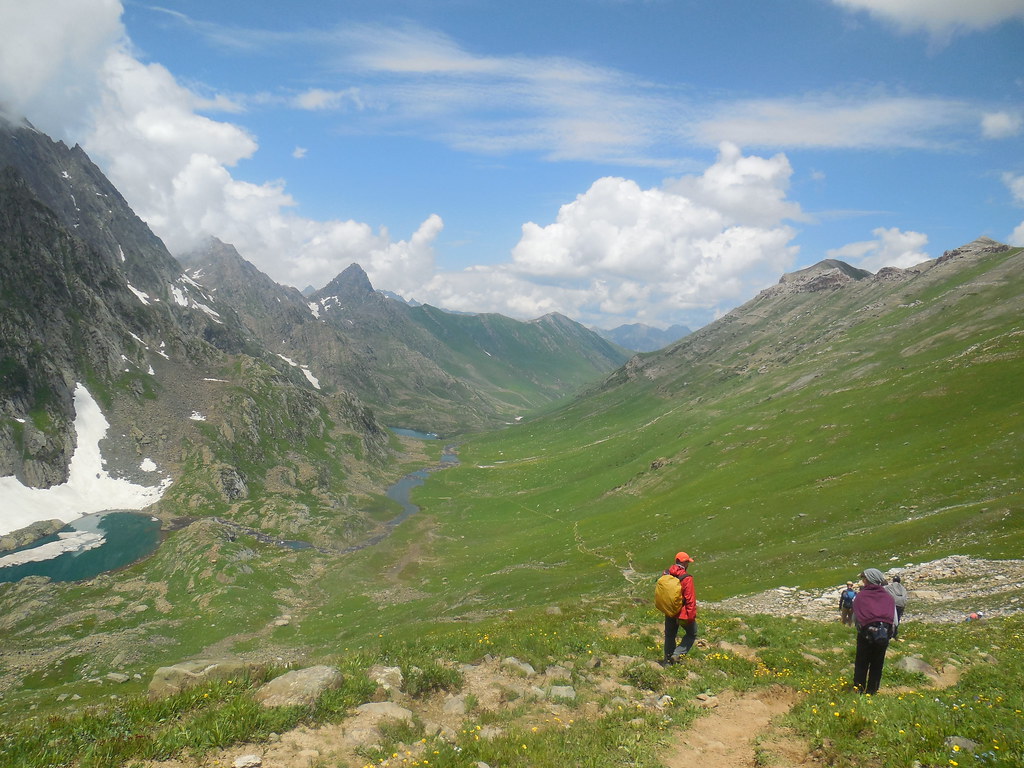
The Kashmir Great Lakes trek runs roughly between 7,800 feet and 13,800 feet. Camps like Vishansar and Gadsar sit high in open meadows, with little tree cover and wide exposure to wind.
This is where beauty and vulnerability meet. Clear skies feel magical. Sudden clouds feel serious.
Safety here depends far more on planning than on technical skill. There are no ropes, no vertical climbs, and no knife-edge ridges. What challenges people are long walking days, river crossings, cold nights, and fast-changing weather.
When someone says the trek feels unsafe, it usually means their expectations were wrong. They expected comfort where there was wilderness. Once that mismatch disappears, the trail feels demanding but fair.
Is Kashmir Great Lakes Trek Safe for Beginners?
Yes, beginners complete this trek safely every season. But they succeed because they prepare honestly, not because the trek is forgiving.
Daily walks often stretch between 10 and 15 kilometres over uneven ground. At lower altitudes this feels manageable. Above 12,000 feet, the same distance slows everyone down.
If you arrive with basic fitness, patience, and a willingness to listen, safety stays on your side. Problems usually start when beginners chase pace or compare themselves to others.
The mountain does not care if this is your first trek. It only responds to how steadily you move.
Trek Difficulty Breakdown
| Factor | Level | Why |
|---|---|---|
| Technical Skill | Easy | No ropes or climbing involved |
| Distance | Moderate | Long daily walks of 10–15 km |
| Altitude | Challenging | Reaches up to 13,800 feet |
| Terrain | Moderate | Uneven trails and river crossings |
| Weather | Unpredictable | Sudden rain, wind, or cold |
| Remoteness | High | Limited evacuation access |
Will Altitude Affect Kashmir Great Lakes Trek?
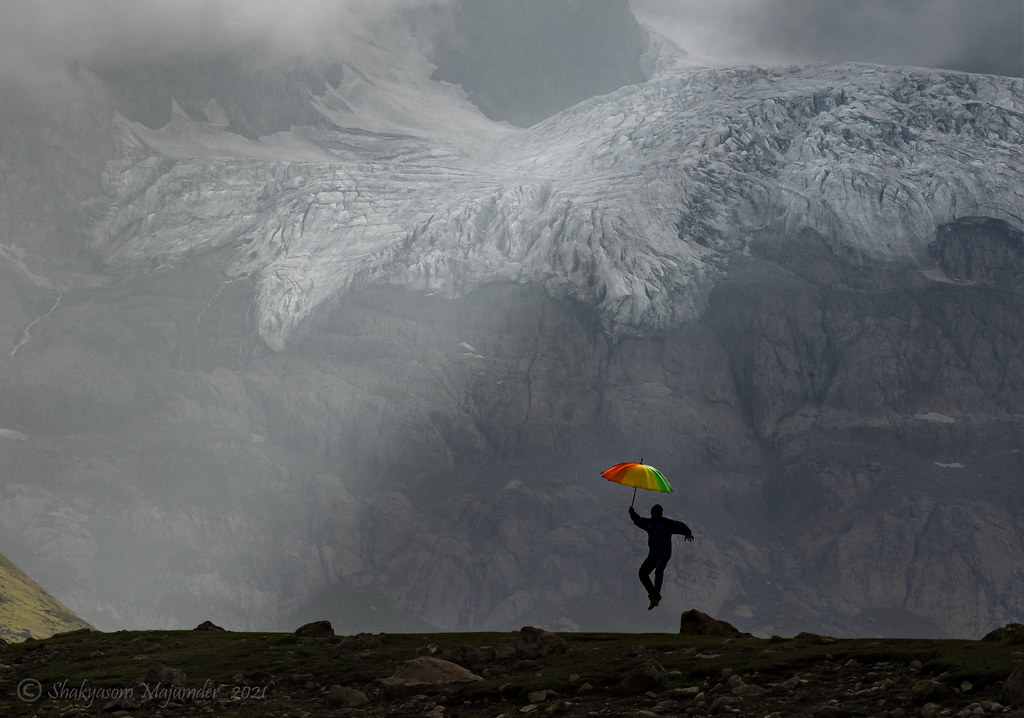
Altitude plays the biggest role in safety on this trek. You cross 10,000 feet quickly and spend several nights above 12,000 feet. Oxygen levels drop, sleep becomes lighter, and appetite often fades.
These changes are normal. They are not danger signs by themselves.
Risk appears when people rush ascents, drink less water, or hide symptoms to avoid slowing the group. I have seen fit gym-goers struggle here simply because they treated altitude like a challenge instead of a process.
Common altitude symptoms to watch for:
- Headache, often the first sign
- Nausea or vomiting
- Dizziness or lightheadedness
- Fatigue that does not improve with rest
- Loss of appetite
- Poor or broken sleep
Smart altitude prevention habits:
- Drink at least 4 to 5 litres of water daily
- Limit altitude gain to about 1,000 feet per day once above 10,000 feet
- Walk at a pace where you can talk comfortably
- Discuss Diamox use with your doctor if advised
- Never hide symptoms from trek leaders
Walking slowly feels boring on day one. It feels wise on day three.
Do You Need a Guide to Ensure KGL Trek Safety?
In my opinion, yes. Not because the trail is confusing at every turn, but because conditions shift fast here.
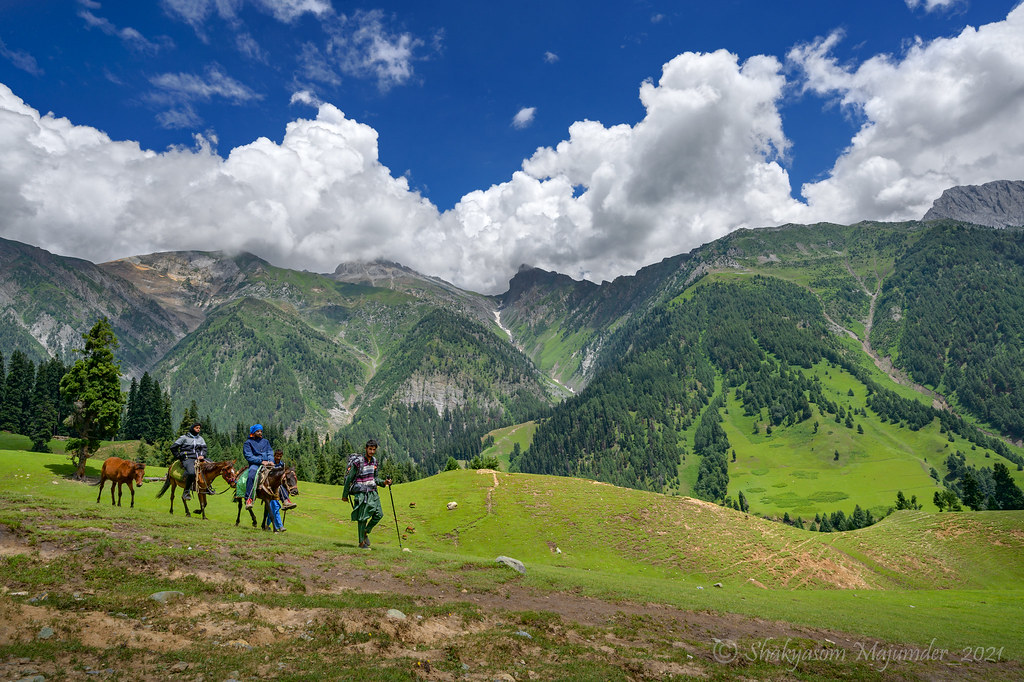
Large grasslands cause paths to fade and split. Fog can roll in within minutes near passes like Gadsar. A local guide knows which streams swell first and where wind hits hardest by evening.
Guides also stay connected with nearby villages and forest staff. That local coordination matters when weather turns or someone needs help. Going without a guide saves money, but it removes safety layers you only notice when they are gone.
Weather and Temperature Reality on the Trail
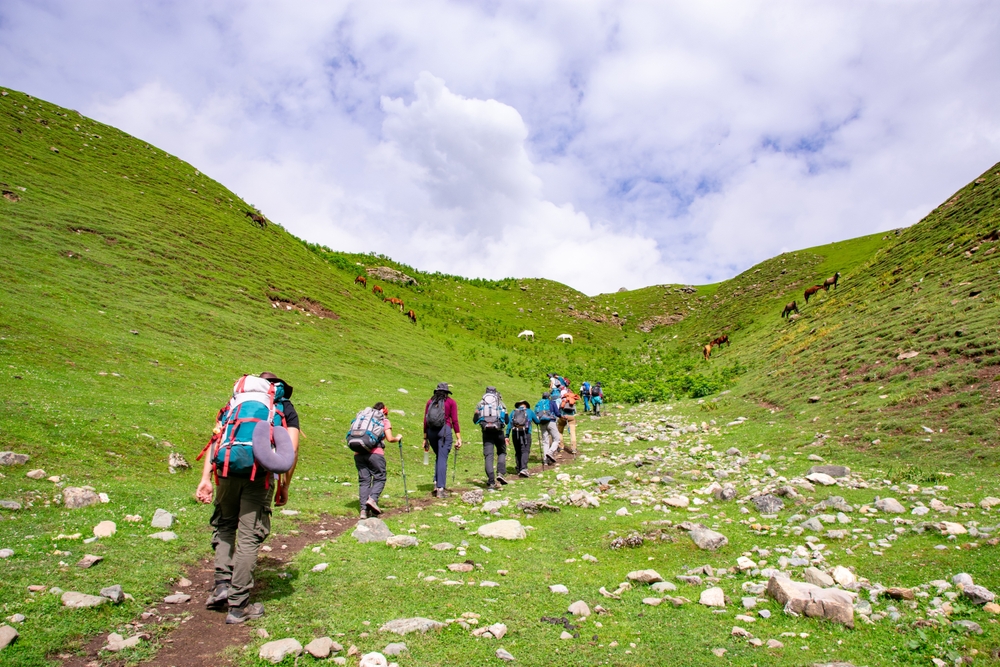
Many trekkers underestimate how cold this route can feel, especially at night. Sunshine creates a false sense of comfort during the day.
Temperature patterns are fairly consistent:
- Daytime at lower camps stays around 15 to 20°C
- Nights at higher camps like Vishansar and Gadsar drop to –2°C to –5°C
- Gadsar Pass can feel close to –10°C with wind chill
- Mid-July to mid-September usually offers the most stable weather
Cold affects sleep. Poor sleep affects recovery. And tired bodies make poor decisions the next day.
For a complete month-by-month weather breakdown, see our guide on the best time for Kashmir Great Lakes trek.
If you’re specifically considering trekking in July, expect pleasant daytime temperatures but pack for cold nights.
Fitness Preparation That Actually Improves Safety
This trek is not about speed. It is about endurance and recovery.
Vague preparation leads to vague outcomes. Clear preparation reduces risk.
Minimum fitness benchmarks that help:
- Start training at least 2 to 3 months before the trek
- Do 30 to 45 minutes of cardio, 4 to 5 times a week
- Include jogging, cycling, stair climbing, or swimming
- Practice 7 to 10 km walks carrying an 8 to 10 kg backpack
- Test yourself honestly: can you walk 5 km without heavy breathing?
Fitness does not make the trek easy. It makes it manageable when conditions turn rough.
8 Common Mistakes That Reduce Your Safety on Kashmir Great Lakes Trek
Most problems here grow quietly. They start with small choices repeated over days.
1. Choosing dates without checking conditions
Early season brings snow and freezing nights. Late season invites rain and early snowfall. Understanding the best time to trek helps you avoid these conditions.
2. Ignoring basic fitness preparation
Fatigue increases slips, poor balance, and slow recovery.
3. Carrying extra weight out of fear
Every extra kilo strains knees and posture at altitude.
4. Underestimating cold at night
Poor insulation ruins sleep and affects focus the next day.
5. Treating hydration casually
Cold air hides thirst, but dehydration worsens altitude stress.
6. Wearing new or untested footwear
Blisters change walking style and strain joints.
7. Rushing descents and river crossings
Most slips happen while coming down, not climbing.
8. Hiding discomfort to appear strong
Early honesty allows simple fixes. Late reporting complicates decisions.
Medical Conditions That Need Extra Caution
Some health conditions do not rule out the trek, but they do require medical clearance.
Doctor approval is advised if you have:
- High blood pressure
- Heart conditions
- Asthma or respiratory issues
- Epilepsy
- Pregnancy
- High BMI or obesity
- Recent surgeries
Most responsible operators require a medical fitness certificate. This is not paperwork theatre. It is basic risk management.
Emergency Support and Safety Equipment Reality
Once you leave Sonamarg, mobile network disappears quickly. Evacuation is possible, but it takes time.
What professional trekking teams usually carry:
- First aid kits with essential medication
- Oxygen cylinders and oximeters
- Stretchers for evacuation
- Walkie-talkies or satellite communication
- Blood pressure monitoring equipment
What you should carry personally:
- Basic personal first aid
- Personal medications
- Government ID with photocopies
- Medical fitness certificate
Safety here is not about instant rescue. It is about preventing situations from reaching that point.
Understanding the trek cost breakdown helps you see what safety equipment and support is included in your package.
Safety Questions People Ask Before Booking
What is the biggest safety risk on this trek?
Altitude sickness above 12,000 feet, which is manageable with slow ascent and hydration.
Is trek insurance required?
Yes. Most operators insist on it since regular medical insurance does not cover trekking.
What happens in a medical emergency?
Evacuation by porter or pony to Sonamarg, which can take 6 to 12 hours depending on location.
Can I trek alone without a group?
Not recommended. Distances between villages are long and there is no mobile network.
What about security in Kashmir?
The trek runs through remote areas, far from political centres, with regular army presence.
What will I see on this trek?
The route passes through seven stunning alpine lakes, each with its own character and altitude.
Before booking, pause and ask yourself a few honest questions.
Can you walk steadily without rushing? Are you open to listening when the trail asks you to slow down? Do you value preparation more than bravado?
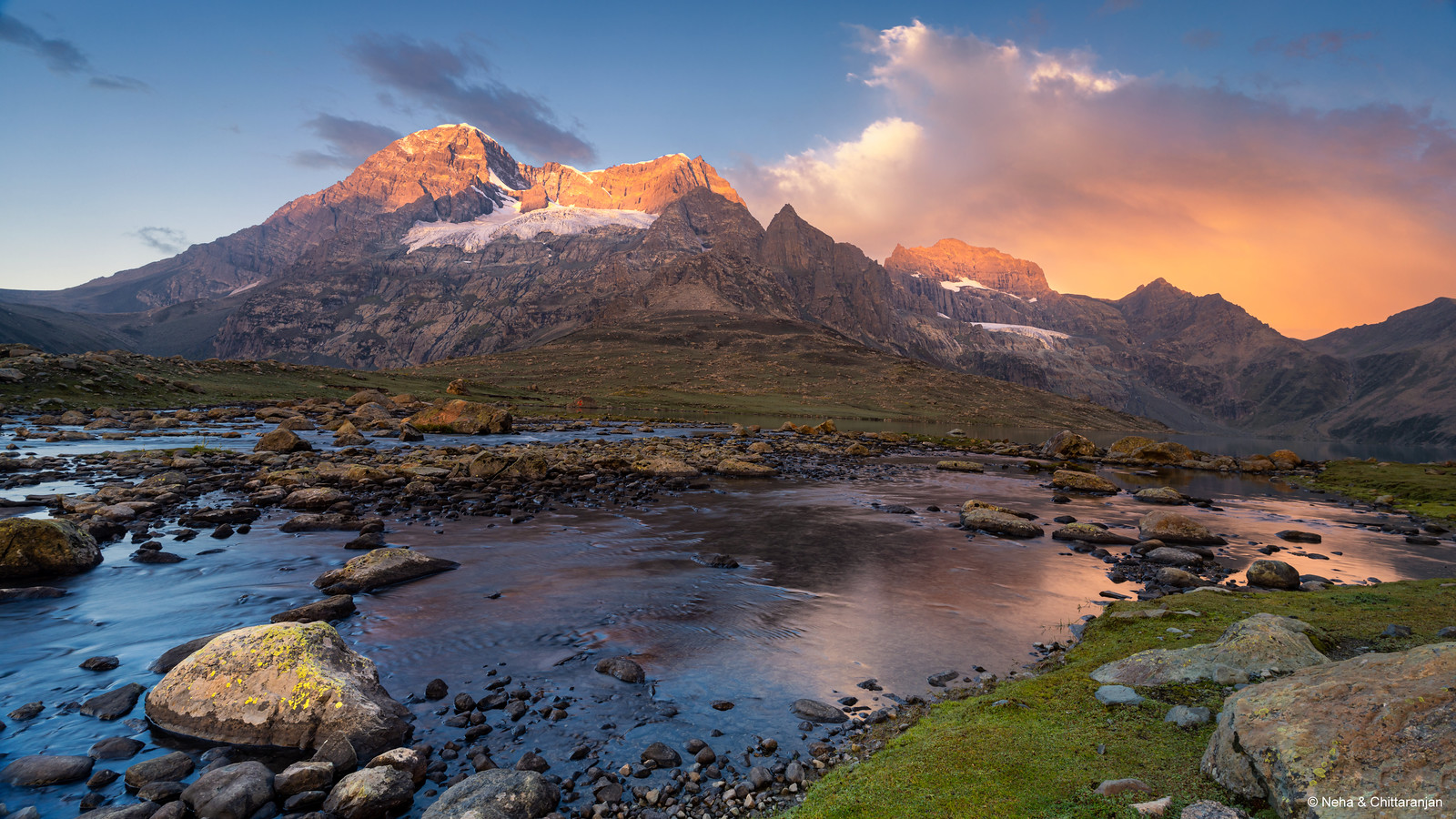
Because when you finally stand beside a silent alpine lake at sunrise, safety no longer feels like a checklist. It feels like the quiet result of hundreds of good decisions made along the way.