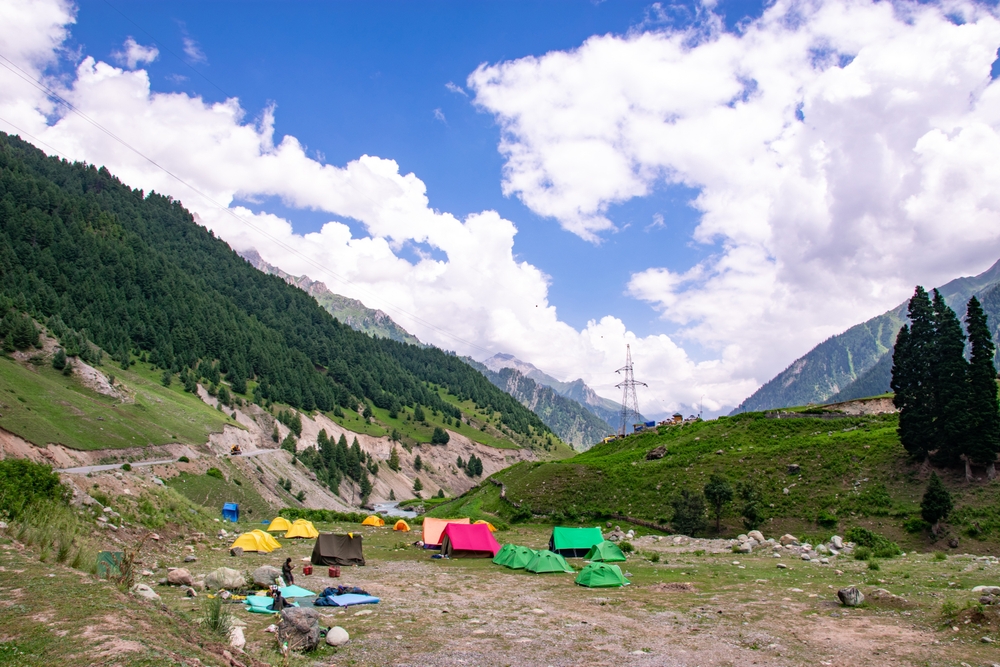
Kashmir Great Lakes trek water safety is largely reliable when you know where, when, and how to refill, but blind trust in clear mountain water can still ruin your trek.
If you are planning the Kashmir Great Lakes Trek seriously, water is one decision you cannot leave to chance. Shoes can get wet. Food can be adjusted. Water, if mishandled, can end your trek within a day.
I have seen strong trekkers sit out entire days because of stomach trouble. Same route. Same water source. One small mistake.
This guide walks you through safe refills on the KGL route, not as theory, but as real campsite decisions you will face every day. Think of this as a friend walking beside you, pointing at streams and quietly saying, “Fill here. Not there.”
Why Water Safety Matters More on KGL Than Most Himalayan Treks
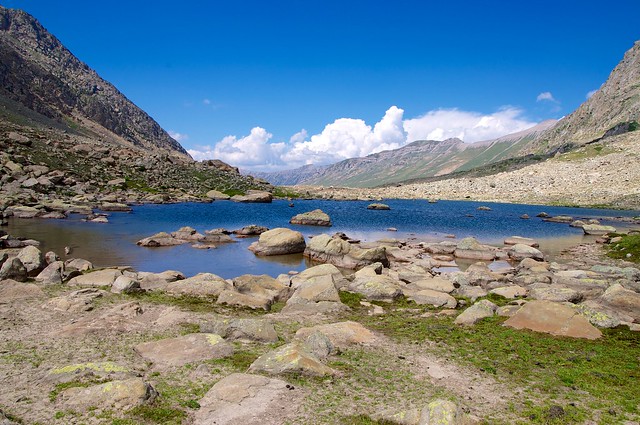
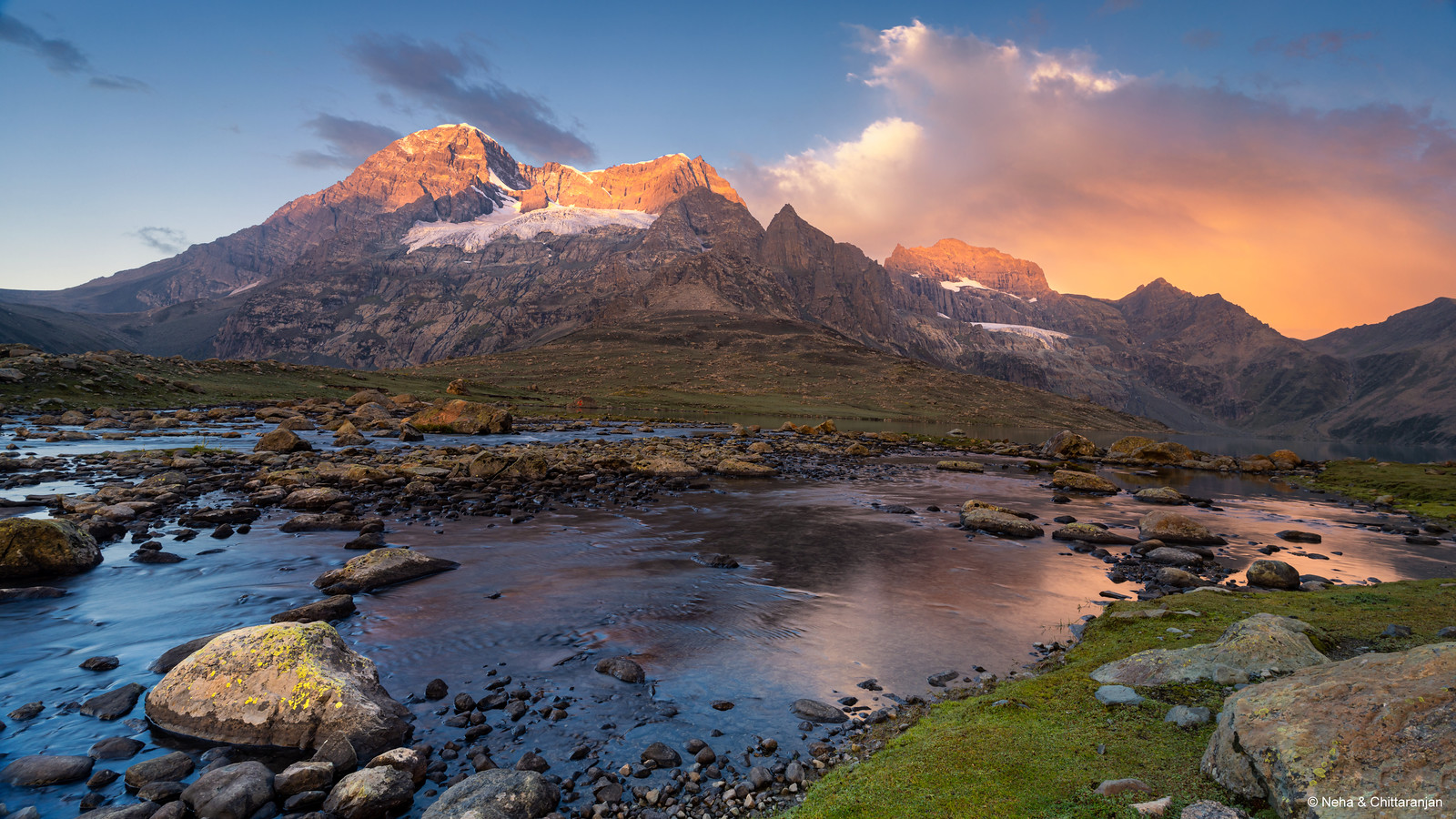
The Kashmir Great Lakes trek feels untouched. Wide meadows, glacier lakes, flowing streams everywhere. That beauty creates a false sense of safety.
Most water sources here are open, not piped. Livestock graze upstream. Campsites sit close to streams. Snowmelt looks clean but can still carry bacteria. The risk is not dramatic, but it is constant.
What makes this trek different is the frequency of refills. You drink more because days are long and climbs are steady. One bad refill is multiplied across the week.
So before talking about filters and tablets, you need to understand the thinking behind safe water choices.
How to think about water on the KGL route (before the how)
On this trek, you never ask “Is water available?”
You ask “Is this water safe right now?”
That small shift changes everything. I often tell first time trekkers to imagine water like street food. Looks tempting. Smells fine. But you still choose the stall carefully. The same logic applies here.
Three silent questions should run through your mind every time you unclip your bottle:
- Where is this water coming from?
- What is happening upstream?
- When was the last human or animal activity here?
Once you get this mindset right, tools become secondary.
Kashmir Great Lakes trek water safety across the main campsites
Let us walk campsite by campsite, because water decisions change daily.
Sonamarg to Nichnai
The initial stretch has plenty of flowing streams. Most come from snowmelt higher up.
Early in the season, these are among the cleanest sources on the trek. Still, camps near Nichnai see pony movement.
I usually refill away from camps, even if it means walking five extra minutes uphill.
Vishansar Lake
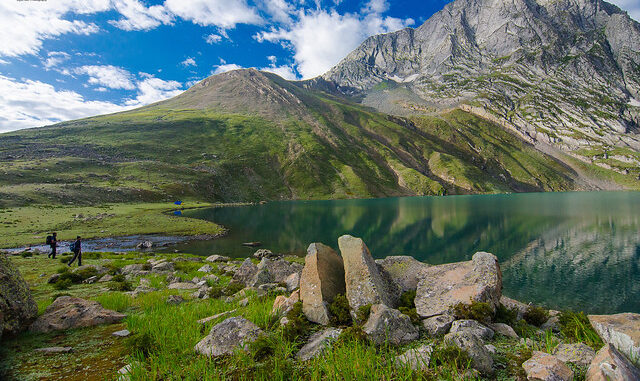
This is where many trekkers make their first mistake.
The lake looks crystal clear. It reflects the sky. It feels pure. But lakes are not moving water.
The safe sources here are small streams feeding the lake, not the lake itself. Morning refills are safer than evening ones due to less disturbance.
Gadsar Pass and Gadsar Lake
High altitude, cold water, fewer people. Sounds ideal.
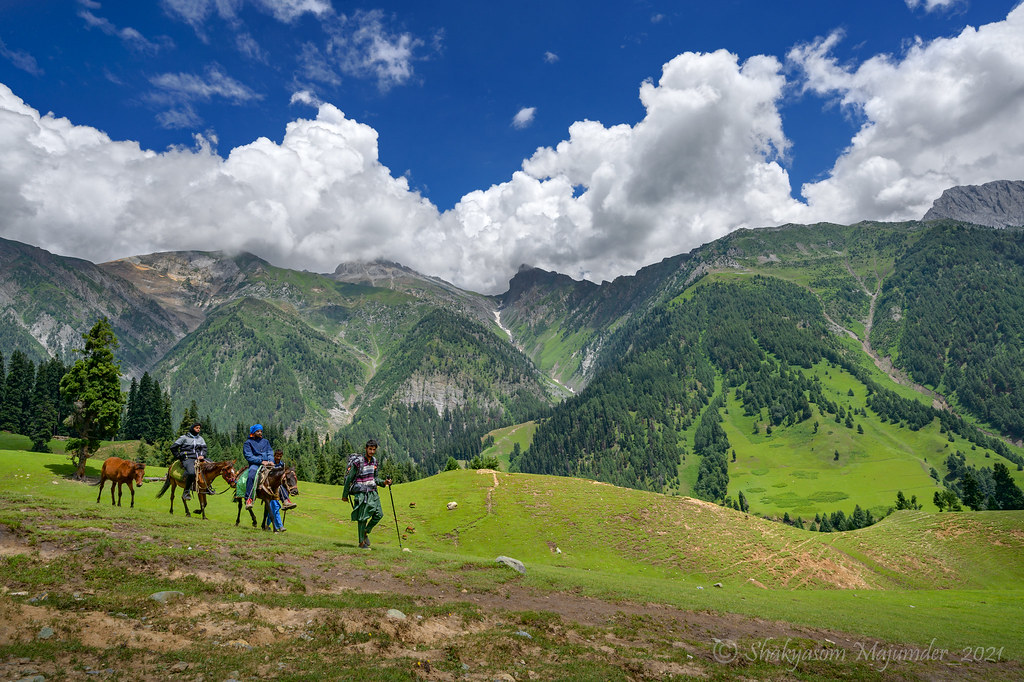
But this is also a grazing zone. You will often see sheep and horses around.
Here, I never skip purification. Not once.
Satsar and Gangabal
Multiple lakes, multiple streams. Choice overload.
The rule remains the same. Choose fast moving, narrow streams, preferably with a visible source above and no campsite directly upstream.
8 complete campsite water tips that actually work on KGL
1. Flow beats clarity every time
Clear water does not mean clean water. Flowing water reduces bacterial buildup.
I always pick streams where water moves fast enough to make sound. Silence is suspicious.
If the stream is wide and slow, I move on.
2. Distance from campsite matters more than altitude
Even at high camps, water near tents is risky.
Cooking waste, washing, and toilet runs all affect nearby streams. Walk upstream or sideways. Five minutes of effort can save five days of medicine.
This one habit alone improves KGL trek safe water decisions massively.
3. Morning refills are smarter than evening ones
Human activity peaks in the evening. So does contamination.
I refill for the next day either early morning or immediately after reaching camp, before others settle in.
By night, the same stream may not be as safe.
4. Never refill below a visible trail crossing
This sounds obvious, but it gets ignored.
If a trail crosses a stream, trekkers and ponies cross there too. Hooves churn the bed. Waste flows downstream.
Always refill above crossings, never below.
5. Filters help, but technique matters more
Many trekkers carry filters and still fall ill.
Why? Because they dip bottles directly into muddy edges or touch spouts with dirty hands.
When I use a filter, I first let the stream fill a clean cup or pot. No stirring. No scraping rocks. Then filter calmly.
6. Tablets are backup, not primary strategy
Water purification tablets work. But they change taste and take time.
I treat them as insurance, not default.
On days with heavy rain or visible animal presence upstream, tablets are worth it. Otherwise, smart source selection does most of the work.
7. One bottle for untreated, one for treated
This small system avoids confusion.
I label one bottle mentally as raw and one as safe. Mixing them even once defeats the purpose.
On cold mornings when hands are numb, habits matter more than intentions.
8. Watch locals and guides quietly
This is a human trick most blogs ignore.
Local staff rarely drink at random. Notice where they fill their water. Notice which streams they avoid.
On my first KGL trek, this observation saved me twice when my “clear looking” choice was quietly ignored by the guide.
Common doubts trekkers have about water on KGL
“Isn’t mountain water naturally safe?”
Sometimes, but not always. Altitude reduces pathogens, but animals do not read guidebooks.
“Do I really need purification?”
If you choose sources carefully, you greatly reduce risk. Purification adds a safety net, not a guarantee.
“Can beginners manage water safety here?”
Yes. This trek is beginner friendly if you pay attention. Water safety is more about awareness than experience.
“Will altitude make stomach issues worse?”
Yes. Dehydration plus stomach trouble hits harder above 12,000 ft. That is why prevention matters more here.
Small mistakes that quietly cause big problems
Most water related issues do not come from dramatic errors. They come from tired shortcuts.
Skipping purification once. Filling closer to camp because it is cold. Sharing bottles without thinking.
On one trek, a friend ignored tablets for one refill because “it looks fine.” He spent the next day lying in a tent while others crossed Gadsar Pass.
The mountains are patient. Your stomach is not.
How I personally plan water for each KGL day
I start the day with two full bottles. I note refill points mentally, not on maps.
If a source looks questionable, I drink more earlier and skip it. I never wait until the bottles are empty.
This mindset removes panic. Panic leads to bad choices.
Final thought before you pack your bottles
Water on the Kashmir Great Lakes trek is not dangerous, but it demands respect. When treated casually, it becomes the weakest link in an otherwise magical journey.
So when you stand by a stream with snow peaks around you and sunlight dancing on the water, pause for a second.
Is this the kind of beauty you trust blindly, or the kind you respect just enough to stay safe?