Ritesh Kumar Mishra

Health Risks on Kashmir Great Lakes Trek

Fitness Preparation for Kashmir Great Lakes Trek

The Kashmir Great Lakes Trek is a beautiful but tough trek. It takes you through high mountains, green meadows, and blue lakes. But this trek is not easy. It needs good fitness and strong stamina. Walking for long hours on steep paths can be hard if you are not ready. To enjoy the trek, you must train your body. A good fitness plan will help you walk long distances without feeling too tired. This guide will show you how to get fit for the Kashmir Great Lakes Trek in three months. Follow this plan, and you will have a great trek without trouble.    Why Fitness is Important for This Trek This trek is about 75 km long. You will walk for 6 to 8 hours daily. The trek starts at 7,800 feet and reaches up to 13,750 feet. At high altitudes, oxygen is less. You may feel breathless or tired if you are not fit. The biggest challenges are: Walking long hours: Your legs need to be strong. Climbing steep slopes: You need good balance and energy. Less oxygen at high altitude: Your lungs must work well. Carrying a backpack: You need strength to carry your bag. If you prepare well, you will enjoy the trek. If not, you may feel very tired, and it will be hard to complete the trek.  Click here to first understand: The Kashmir Great Lakes Trek difficulty level    3-Month Fitness Plan for the Kashmir Great Lakes Trek This 12-week plan will help you get stronger and fitter. Follow these simple exercises. You don’t need a gym, just regular practice. Week 1-4: Build Strength and Stamina Walking and Running Walk 5 km daily at a fast speed. Run for 20-30 minutes, 3-4 times a week. Climb stairs instead of using the lift. Leg and Core Strength Squats – Do 3 sets of 15. Lunges – Do 3 sets of 10 per leg. Plank – Hold for 30-40 seconds. Step-ups – Step on a high box, 3 sets of 10. Balance and Flexibility Stretch every day to avoid injuries. Do yoga poses like Downward Dog and Cobra Stretch. Week 5-8: Increase Endurance and Strength Long Walks and Hikes Walk 8-10 km once a week. Try to walk on hilly or uneven paths. Carry a backpack with 5 kg weight. Cardio and Strength Training Run for 40 minutes at least 4 times a week. Jumping squats and burpees to boost stamina. Do pull-ups and push-ups to strengthen your arms. Breathing and Altitude Training Practice deep breathing exercises. If possible, train at a high-altitude place. Week 9-12: Prepare Like a Trekker Simulated Trek Training Trek for 12 km once a week on hilly paths. Walk with a 8-10 kg backpack. Increase walking speed and endurance. Final Strength and Recovery Do strength exercises 3 times a week. Stretch well after every workout. Take enough rest and drink more water. Also Read: Safety Tips of Kashmir Great Lakes Trek   Training for High Altitude and Oxygen Levels At high altitude, the air is thin. It is hard to breathe. You must prepare your lungs to adjust. Here’s how you can train: Deep breathing: Practice inhaling deeply and exhaling slowly. Pranayama: Yoga breathing helps lungs take in more oxygen. Stay at a high-altitude place: Spend a few days before the trek at a higher altitude if possible.    Healthy Diet Plan for Trek Training Eating the right food is just as important as exercise. Your body needs energy for trekking. Follow this simple diet plan. 3 Months Before the Trek Eat more proteins – Eggs, fish, chicken, lentils, and paneer. Eat complex carbs – Brown rice, whole wheat bread, and oats. Drink enough water – 3-4 liters daily to stay hydrated. During the Trek Eat carbs for energy – Rice, roti, and potatoes. Eat healthy snacks – Nuts, dry fruits, and protein bars. Drink at least 3 liters of water daily to avoid dehydration.   Mental Preparation for the Trek This trek is not just about physical strength. It also needs mental strength. Think positive: Be prepared for challenges but focus on the beauty of the trek. Trek at your own pace: Do not rush. Walk slowly and enjoy the journey. Stay calm: If you feel tired, take deep breaths and relax.    Essential Trekking Gear and Equipment Being fit is important, but having the right gear also makes a big difference. Must-Have Trekking Gear Trekking Shoes – Good grip and ankle support are important. Trekking Poles – Help reduce pressure on knees. Waterproof Jacket – Weather changes quickly, so carry a raincoat. Light Backpack – A 40-50L backpack with padded straps. Other Essentials Headlamp or Torch Gloves, Woolen Cap, and Warm Socks Sunscreen and Sunglasses Get the full list of: Things to Carry for Kashmir Great Lakes Trek   Final Checklist Before the Trek Make sure you do these before leaving: Walk 10-12 km with a backpack to test your endurance. Train for at least 3 months to be physically fit. Test your trekking shoes to avoid blisters. Get a medical check-up to ensure you are fit for high altitudes. Stay hydrated and eat well before and during the trek. The Kashmir Great Lakes Trek is a once-in-a-lifetime adventure. But to enjoy it, you must be physically ready. A 3-month training plan with walking, running, strength exercises, and altitude training will prepare you well. Start training early, eat nutritious food, and pack the right gear. Follow this guide, and you will have a safe, enjoyable, and memorable trek! Also Read These Essential Information to Plan Your Kashmir Great Lakes TrekTarsar Marsar Trek vs Great Lakes TrekKashmir Great Lakes Trek Do’s and Don’tsCampsites On The Kashmir Great Lakes TrekLakes On Kashmir Great Lakes TrekHow to Reach Base Camp of Great Lakes Trek FAQ’s How fit do I need to be for the Kashmir Great Lakes Trek? The Kashmir Great Lakes Trek is a moderate to difficult trek, requiring good endurance, leg strength, and stamina. You should be able to

Fitness Preparation for Kashmir Great Lakes Trek Read More »

Kashmir Great Lakes Trek Cost

Kashmir Great Lakes Trek Cost​

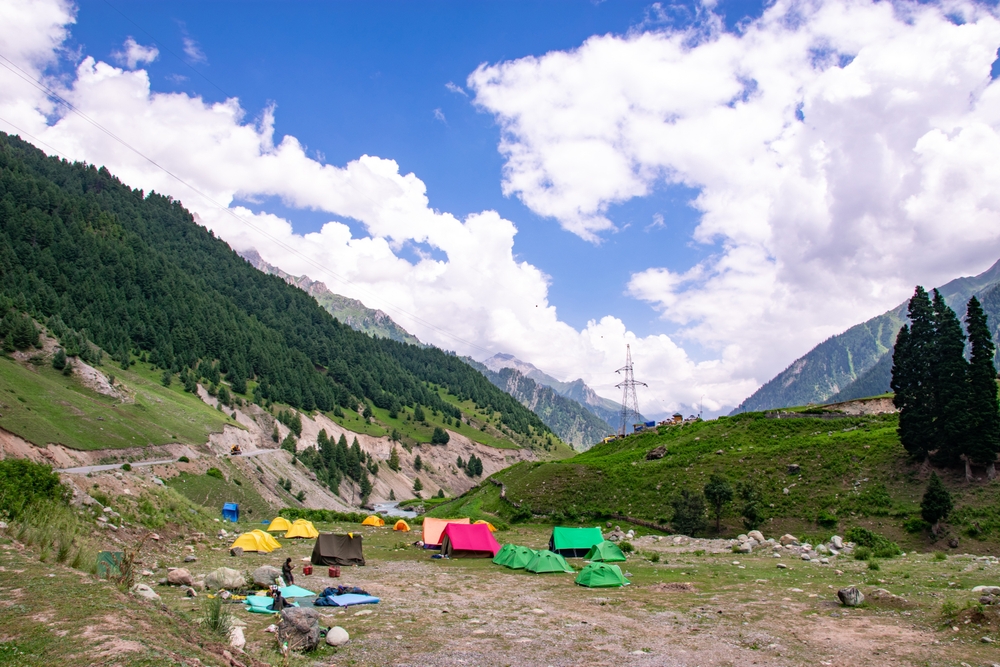
Kashmir Great Lakes trek cost comes to around ₹17,000 per person for a Srinagar-to-Srinagar package, based on standard company pricing. This total depends on what’s included, such as transport, permits, meals, and camp stay. Below, we break the cost head by head, so you can see clearly what you’re paying for and decide if it fits your plan. Average trek package cost: ₹15,500 per person (Sonamarg to Sonamarg).   Transportation cost: ₹1,500 per person (Srinagar to Srinagar).   Total cost to plan for: ₹17,000 per person.   Duration covered in this cost: Full multi-day trek, from reporting day to exit day.   What’s usually included: All vegetarian meals, campsite stay, tents and sleeping gear, experienced trek leaders and staff, safety equipment, permits, and insurance.   What’s usually excluded: Lunch on the first day, personal expenses, and anything not listed in inclusions.   Ideal buffer budget: Keep ₹2,000–₹3,000 extra for personal needs or optional porter service. Prices can still feel different across operators, even for the same route. Why? Group size, staff experience, food quality, safety backup, and how well logistics are handled all affect the final KGL trek price. On a long, remote trek like this, those small differences often matter more than saving a few hundred rupees. Inclusions in Kashmir Great Lakes Trek Cost The Kashmir Great Lakes trek cost covers all the essentials needed to complete the trek safely and comfortably, without cutting corners. Here’s what is included in the standard package, broken down simply. Accommodation (camp stay): You stay in high-quality tents at all campsites. Tents are on a double-sharing basis and are set up at scenic, safe locations near water sources. Sleeping bags and sleeping mattresses are provided, so you don’t need to carry bulky gear from home.   Meals (all trek days): The package includes breakfast, lunch, evening snacks, and dinner on trek days. Food is vegetarian, hot, and planned to keep energy levels steady at altitude. Dishes are rotated, so meals don’t feel repetitive after a few days on the trail.   Trek staff and support team: Experienced mountaineering trek leaders, local guides, and trained cooks accompany the group throughout. These are people who know the route, weather patterns, and camps well, which matters more than most trekkers realise on long alpine walks.   Permits and forest fees: All required passes and permits for the Kashmir Great Lakes route are arranged and included. You don’t have to run around offices or worry about paperwork in an unfamiliar region.   Safety gear and medical support: Basic mountain medical support is part of the setup. This includes a first-aid kit and an oxygen cylinder for emergencies. On a remote trek like this, that backup brings real peace of mind. In short, the cost takes care of the core trek experience, letting you focus on walking, breathing, and soaking in those endless blue lakes. What Is Not Included in the Trek Cost The trek cost does not cover a few personal and travel-related expenses, which you should plan for separately. These exclusions are common across most Kashmir Great Lakes trek packages and are easy to manage if you know them in advance. Travel to Srinagar: Flights or train tickets to reach Srinagar are not part of the trek cost. You arrange these on your own, based on your city and travel preference.   Personal gear rental: Items like trekking shoes, jackets, backpacks, or trekking poles are not included. If you don’t own them, you can rent them separately before the trek.   Emergency evacuation: While basic medical support and oxygen are available on the trek, any emergency evacuation or hospitalisation costs are not included.   Personal expenses: This covers things like snacks you buy on the way, tips, phone charging, souvenirs, or anything else you spend on for personal comfort.   Lunch on the first day: The first day’s lunch is not included, as travel timings can vary. These exclusions matter because they shape your real budget. Many trekkers focus only on the headline price and forget these small add-ons. Planning for them early avoids last-minute stress and keeps your trek experience smooth and worry-free. Kashmir Great Lakes Trek Cost Breakdown (Expense-Wise) Travel Cost to Srinagar Reaching Srinagar is the first cost you plan for, and it changes a lot with timing. Flights are the fastest option, but prices swing wildly between peak summer and shoulder weeks. Book late in July, and fares jump. Book early in June, and you usually breathe easier.  Trains take longer and need a road leg at the end, yet they feel gentler on the wallet if you plan ahead. Add a short taxi or shared cab ride to close the gap. In short, season and booking window decide most of this cost, not distance alone. Trek Package Price The trek package forms the core of what you pay on the trail. Most operators cluster around a similar band because the route, camps, and permits are fixed. What changes is the experience. Smaller groups, experienced leaders, better food planning, and stronger safety backups cost more to run.  Budget options often stretch group size and trim comforts. Premium setups invest in staff ratios and logistics. That’s why the KGL trek price can feel different even on the same map. Group size matters too. Fewer trekkers mean better support, but a slightly higher per-person cost. Permits, Fees & Documentation Cost All trekkers need official permits to walk this route, and these are usually handled by the trek operator. Forest permissions and local passes are mandatory in Kashmir.  In standard packages, these fees are already included, so you don’t stand in queues or chase signatures. If you trek independently, you handle the paperwork yourself and absorb the cost directly. For most people, bundled permits save time and nerves. Gear Rental Cost (Optional but Common) Gear rental is optional, yet many first-timers choose it to travel light. Trekking shoes for grip and ankle support Insulated jackets for cold nights Sleeping bags if you prefer personal

Kashmir Great Lakes Trek Cost​ Read More »

Shitkadi Campsite on Kashmir Great Lakes Trek

Five Valleys on the Kashmir Great Lakes Trek (Route Explained for Real Trekkers)

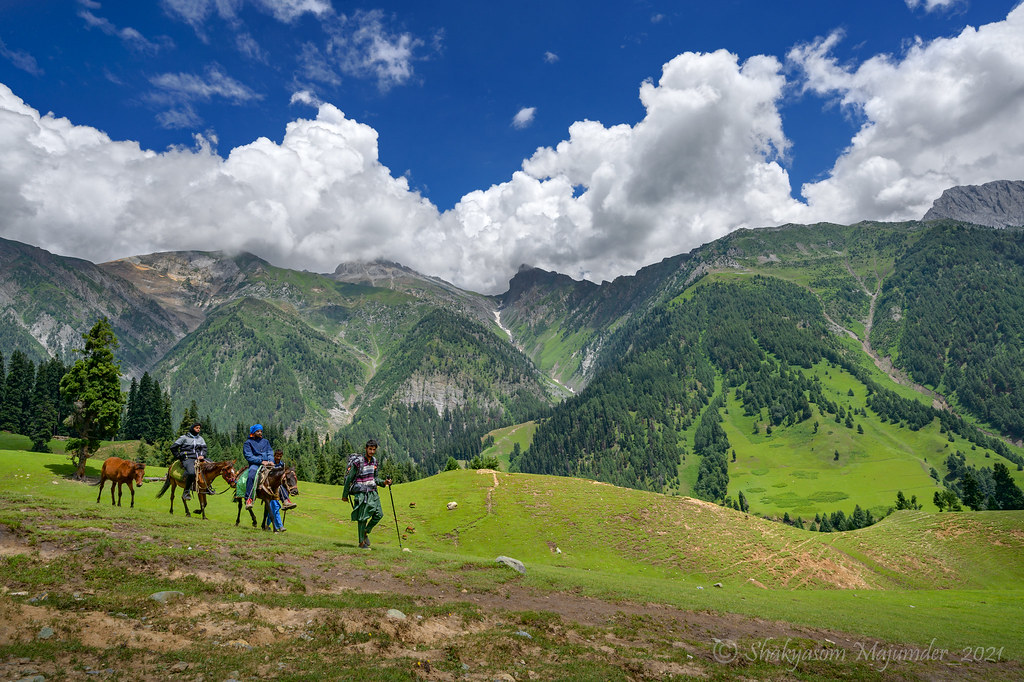
Valley Trek Days Distance Difficulty Altitude Range Key Features Shitkadi Valley Day 1–2 11 km Easy 2,800 m – 3,300 m Green meadows, acclimatisation, gentle start Nichnai Valley Day 2–3 12 km Moderate 3,300 m – 4,100 m Sheep pastures, snow patches, Nichnai Pass Gadsar Valley Day 4 9 km Moderate to Difficult 4,100 m – 3,600 m High-altitude pass, alpine lakes, wildflowers Satsar Valley Day 6 9 km Moderate 3,700 m – 4,000 m Seven alpine lakes, rocky terrain, wide views Gangbal Valley Day 7–8 14 km Moderate 4,000 m – 3,500 m Sacred lake, Mount Harmukh views, trek finish The Five Valleys on the Kashmir Great Lakes Trek unfold over six trekking days. You begin in the gentle meadows of Shitkadi Valley, push through the narrow stretches of Nichnai Valley, tackle the wild terrain of Gadsar Valley, walk patiently across the long basin of Satsar Valley, and finally reach the wide, dramatic Gangbal Valley beneath Mount Haramukh.  Each valley brings a different challenge, mood, and pace, shaping how the trek actually feels on your body and mind. If you understand these valleys, you understand the trek. Lakes are bonuses. Valleys decide everything else. Also Check: Best Time for Kashmir Great Lakes Trek Why Valleys Matter More Than the Lakes Most people planning the Kashmir Great lakes trek focus on lake names and photos. That excitement is fair. But once you start walking, valleys become your entire world. A valley controls how long you walk, how cold your nights feel, and how tired you get before dinner. It decides whether clouds get trapped, whether streams overflow, and whether your legs feel light or heavy. When someone asks me if this trek suits them, I never talk about altitude first. I talk about valleys. They reveal patience, mindset, and stamina far more honestly. Your Day-by-Day Valley Journey You do not jump randomly between valleys. The trail flows naturally, and knowing this helps you pace yourself mentally. Day 1: Enter Shitkadi Valley from Sonamarg Day 2: Cross Nichnai Pass into Nichnai Valley Day 3: Climb Gadsar Pass and descend into Gadsar Valley Day 4: Walk through Gadsar towards Satsar Valley Day 5: Cross into Gangbal Valley Day 6: Descend towards Naranag Once you see this progression, the trek stops feeling mysterious and starts feeling manageable. Day 1–2: Shitkadi Valley (Your Gentle Entry) Shitkadi Valley is where most trekkers begin their journey from Sonamarg. The valley opens wide, with soft grass underfoot and clear streams running beside the trail. This valley feels friendly. Almost too friendly. That is why people make mistakes here. You feel strong. You walk fast. You laugh loudly. Then the evening hits, and altitude quietly reminds you where you are. Headaches, loss of appetite, or restless sleep are common. Shitkadi teaches your first lesson. Slow down even when the trail feels easy. What to keep in mind here Altitude gain begins immediately Hydration matters more than speed This is acclimatisation, not a warm-up Day 2–3: Nichnai Valley (Where Patience Is Tested) Nichnai Valley changes the mood of the trek. The trail narrows. The valley feels enclosed. Streams cut across your path repeatedly. Shoes get wet. Socks stay damp. Clouds hang low even on clear days. Walking feels longer than the distance suggests. This is where many trekkers question their decision. Nothing dramatic happens. The effort is simply constant. I have seen strong walkers struggle here, not physically, but mentally. Nichnai asks you to accept discomfort without complaint. Real challenges of Nichnai Long walking hours with few visual rewards Cold winds near the pass Easy to underestimate the day Crossing Nichnai calmly prepares you for the heart of the KGL Trek Valleys. Day 3–4: Gadsar Valley (The Wild Core of the Trek) Gadsar Valley feels raw and untamed. The climb to Gadsar Pass is steep and exposed. Wind picks up early. Breathing becomes deliberate. This valley does not hide its difficulty. Weather shifts quickly. Sunshine can turn into hail without warning. Then comes the reward. As you descend, lakes appear suddenly. The valley opens up. Fatigue mixes with awe. Many trekkers call this the most beautiful section. I call it the most honest. Gadsar gives back exactly what you put in. Respect this valley Start pass crossings early Carry rain protection even on clear mornings Stay close to your group Day 4–5: Satsar Valley (The Silent Test) Satsar Valley is wide, quiet, and deceptively simple. Seven lakes sit scattered across the basin. The terrain stays mostly flat. This is not a hard day physically. It is a long one mentally. The scenery changes slowly. Landmarks feel distant. Time stretches. People who rely on excitement struggle here. Satsar teaches you to walk without needing constant reward. If you enjoy silence, this valley feels peaceful. If not, it feels heavy. Mental checkpoints Eat regularly even if appetite drops Stay present, not impatient Walk your own pace Day 5–6: Gangabal Valley (The Emotional High Point) Gangabal Valley opens suddenly and stays with you long after the trek ends. Mount Harmukh rises dramatically in the background, watching over the twin lakes. After days of enclosed valleys, this openness feels healing. People walk slower here, not from fatigue, but from disbelief. This valley brings reflection. You think about your first day. You think about moments you wanted to quit. Completion feels quiet and personal. For many, this becomes the emotional peak of the Kashmir Great lakes trek. Why Gangbal stays unforgettable Vast landscapes calm tired minds Campsites feel earned The journey finally settles inside you Which Valley Is the Hardest and Which Is the Most Beautiful People often ask this as if there is one right answer. There is not. Hardest for endurance: Nichnai Valley Hardest physically: Gadsar Pass in Gadsar Valley Most dramatic: Gadsar Valley Most peaceful: Satsar Valley Most emotionally rewarding: Gangabal Valley Your experience depends on your mindset, not just fitness. Final Thoughts to Carry With You The Five Valleys on the Kashmir Great Lakes Trek are not just landscapes. They

Five Valleys on the Kashmir Great Lakes Trek (Route Explained for Real Trekkers) Read More »

Gadsar Lake on Alpine Lakes Trek

Best Time to See Frozen vs Blue Lakes on Kashmir Great Lakes Trek

If you want frozen lakes on the Kashmir Great Lakes Trek, go between late June and early July. If you want deep blue lakes and green meadows, mid-July to August is the better choice. That answers the main question straight away. Everything else is about helping you decide which version of the trek suits you best, not which month sounds popular online. I’ve had this conversation many times. It usually happens when someone is excited but confused. They want snow and colour. They want solitude and comfort. The truth is, this trek makes you choose. And once you understand why the trail behaves the way it does, the decision becomes easier. How the Kashmir Great Lakes Trek Changes Through the Season The Kashmir Great Lakes Trek is not the same trail in June and August. It feels like a different place every few weeks. Snow melts, water changes colour, and even the walking style shifts. Many people assume there is one “best” time. There isn’t. What exists instead are two clear experiences. One is raw and dramatic. The other is open and soothing. Frozen Lakes on Kashmir Great Lakes Trek belong to the first phase. Blue lakes belong to the second. Early season feels like winter refusing to leave. Late season feels like summer finally settling in. Frozen Lakes on Kashmir Great Lakes Trek: The Early Season Reality Frozen lakes are usually seen from late June to the first week of July, depending on how heavy the winter snowfall was. During this time, several lakes remain partially or fully frozen. Snow still covers high passes. Streams run cold and fast. This phase feels intense. Mornings bite your fingers. Shoes stay wet. You walk slower because snow decides your pace, not your fitness. The silence is deep and almost unsettling at times. What makes this period special is contrast. Brown trails suddenly turn white. A climb ends at a frozen lake that looks unreal. Vishansar and Gadsar often feel like they belong to another season entirely. This is not the “prettiest” phase in the usual sense. But it is powerful. You should seriously consider frozen lakes if: You enjoy snow trekking and cold nights. You value solitude more than comfort. You are okay with slower days and harder climbs. You want drama, not ease. Frozen Lakes on Kashmir Great Lakes Trek reward patience. They also punish poor preparation. Many people underestimate how draining snow walking can be, especially at altitude. When the Lakes Turn Blue and the Trail Softens From mid-July onwards, the lakes begin to change. Ice melts fully. Sunlight reaches the lake beds. Water turns clear, then blue. Meadows open up. Flowers appear without announcement. This is when the trail feels generous. Walking becomes smoother. Camps feel warmer. Evenings invite you to sit outside and look around instead of rushing into your tent. The Blue Lakes on Kashmir Great Lakes Trek are what most people imagine when they book this trail. Gangbal and Nundkol look especially striking now. The blue is not flat. It shifts through the day, depending on light and cloud. This phase suits trekkers who want balance. You still feel the mountains, but they no longer test you every hour. The Transition Period Most People Overlook Early to mid-July is a short but interesting window. Snow still exists at higher points. Some lakes are melting. Colours begin to show, but not fully. This period feels unstable in a good way. You get a bit of everything. But weather can change quickly, and conditions vary year to year. If you enjoy uncertainty and variety, this can be rewarding. If you want predictability, it may feel uncomfortable. Frozen Lakes vs Blue Lakes: How to Choose Honestly This decision is less about beauty and more about tolerance. Frozen Lakes on Kashmir Great Lakes Trek demand physical and mental resilience. Blue lakes demand flexibility with crowds and fixed dates. Ask yourself a few real questions: Do you handle cold well after sunset? Are you trekking for challenge or for visual calm? Does walking slowly frustrate you? How important is solitude to you? Many regrets come from chasing photos instead of matching the experience to your nature. Crowd Levels and Trail Energy Late June treks feel empty. You might not see another group for hours. Camps are quiet. Nights feel longer. August treks feel social. Tents dot the meadows. Conversations flow over dinner. Some find comfort in this. Others feel it breaks the spell. Neither is right or wrong. But you should know what energy you prefer before booking. Weather Expectations Without Sugar coating Early season can surprise you with snow even when forecasts look clear. Late season can bring rain that slows everything down. Kashmir weather does not care about plans. What matters is mindset. Expect variation, not perfection. The KGL Trek rewards those who adapt without complaint. So, When Should You Actually Go? For most trekkers, especially first-timers, mid-July to early August is the safest and most fulfilling choice. Lakes are blue, walking is manageable, and weather stays relatively stable. Choose late June to early July only if you genuinely want snow, silence, and challenge. Not because it sounds adventurous, but because it fits you. The Kashmir Great Lakes Trek does not ask for bravado. It asks for honesty. The KGL Trek gives you what you are ready for, not what you demand. So before you lock dates and book leave, pause for a moment and ask yourself one final question. Do you want to fight the mountains, or walk with them?

Best Time to See Frozen vs Blue Lakes on Kashmir Great Lakes Trek Read More »

Gadsar Lake on Alpine Lakes Trek

Ice on Kashmir Great Lakes Trek: Why It Floats & When You’ll See It

Floating ice appears on the Kashmir Great Lakes Trek from late June to early August because lakes that remain frozen all winter begin breaking apart in summer. Trekkers who arrive early in the season often see thick slabs drifting calmly across the lake surface. By August, this ice thins out, and by September, most lakes turn completely clear. If that answers your core doubt, you already know half of what matters. The rest is about understanding what this ice really means for your trek, your comfort, and your decisions on the trail. Floating Icebergs on Kashmir Great Lakes Trek: The Real Reason Behind the Ice The lakes on this trail sit far above the tree line. Winter here is not a short phase. It dominates the calendar. Snow piles up for months, sealing the lakes under solid ice that can stay intact till early summer. When the sun finally gains strength, melting does not happen evenly. Daytime heat softens the surface. Night cold hardens what remains. Cracks form slowly. Large sheets break away and begin to float. Ice floats because it is lighter than water, but the story does not end there. These lakes are constantly fed by snowfields and glaciers above them. Meltwater keeps the lake temperature extremely low. That cold water slows melting further. The result is floating ice that survives long after the air feels warm. This is why floating icebergs on Kashmir Great Lakes Trek are not a rare event. They are part of the natural rhythm of these mountains. When You’ll See Ice on the Kashmir Great Lakes Ice presence depends less on luck and more on timing. Each part of the season has its own personality, and the lakes reflect that clearly. Early-season trekkers encounter a raw landscape. Snow patches linger. Ice dominates the water. Late-season trekkers see softer colours and gentler conditions. In most years, the pattern looks like this: Late June to early July brings heavy ice sheets and large floating slabs Mid July shows broken ice drifting across open water August has smaller chunks near shaded edges September is mostly ice-free Weather always plays a role, but this rhythm repeats often enough to plan around it. Which Lakes Hold Ice the Longest Not every lake on the trail behaves the same way. Altitude, depth, and sun exposure decide how long ice survives. Based on repeated trekking seasons, these lakes usually hold ice the longest: Gadsar Lake, deep and heavily fed by snowmelt Vishansar Lake, high and cold for most of the year Kishansar Lake, which clears earlier due to more sunlight On one trek, I saw Gadsar still half-frozen while Kishansar had already turned deep blue. That contrast often surprises first-time trekkers. Early Season vs Late Season: Which Should You Choose? This is where most trekkers pause. Ice looks tempting, but comfort matters too. Here is a clear comparison to help you decide: Factor Early Season (June–July) Late Season (Aug–Sept) Ice presence Heavy Minimal or none Difficulty Higher Moderate Night temperatures Very cold Milder Crowd levels Fewer More Landscape feel Raw and stark Lush and green If you enjoy dramatic scenery and do not mind cold mornings, early season fits you well. If you prefer easier walks and warmer camps, late season feels kinder on the body. The KGL Trek rewards honesty. Choose based on how you handle discomfort, not just what looks good in photos. What Floating Ice Means for Your Trek Experience Ice changes the rhythm of your days. Mornings feel sharper. Gloves become essential even in July. Camps near lakes stay colder longer than expected. Water crossings feel icy and demand patience. Sunlight reflects strongly off ice, making afternoons brighter but not warmer. These small shifts add up over days. None of this is a problem if you expect it. When you do not, it becomes a struggle. Safety Around Lake Ice Floating ice itself is not dangerous. Poor judgement is. A few practical points matter here: Lake edges can be slippery in early mornings Ice near the shore may crack under weight Stepping onto ice is never safe Water crossings get tougher as snow melts through the day Local guides read these signs naturally. Trust their calls. Mountains rarely forgive rushed decisions. Climate Change and Changing Ice Patterns Many experienced guides say the ice used to last longer. Lakes stayed frozen deeper into July. These days, patterns shift more often. Some years bring heavy ice. Some melt early. Sudden warm spells change conditions quickly. Climate change has reached these valleys quietly, without headlines. That makes every sighting of floating ice feel temporary. You are witnessing a balance that may not always exist. Why Locals Treat Floating Ice as Normal For shepherds and pony handlers, floating ice is routine. It does not slow their work or change their plans. They drink from icy streams without hesitation. They camp beside frozen water without complaint. Their calm presence helps trekkers relax too. It reminds you that this trail is not just a destination. It is a lived landscape. Common Questions About Ice on Kashmir Great Lakes Is there ice on Kashmir Great Lakes in July? Yes. Most years, July still has visible ice, especially at Gadsar and Vishansar. Which lake has the most ice? Gadsar Lake usually holds ice the longest due to its depth and snow-fed inflow. Is it safe to trek when there is ice? Yes, with proper preparation and by following guide advice closely. Can you walk on the ice? No. Ice thickness changes daily and cannot be judged safely. Floating Icebergs on Kashmir Great Lakes Trek: What You Should Carry in Mind Floating ice is not just a visual reward. It is information. It tells you about altitude, temperature, and the season you chose. It asks you to slow down and respect where you are standing. The Kashmir Great Lakes Trek tests patience as much as stamina. Ice adds effort, but it also adds silence, contrast, and moments that stay with you long after the

Ice on Kashmir Great Lakes Trek: Why It Floats & When You’ll See It Read More »

Gangabal Twin Lakes on Kashmir Great Lakes Trek

Why the Lakes of Kashmir Great Lakes Look Turquoise Blue

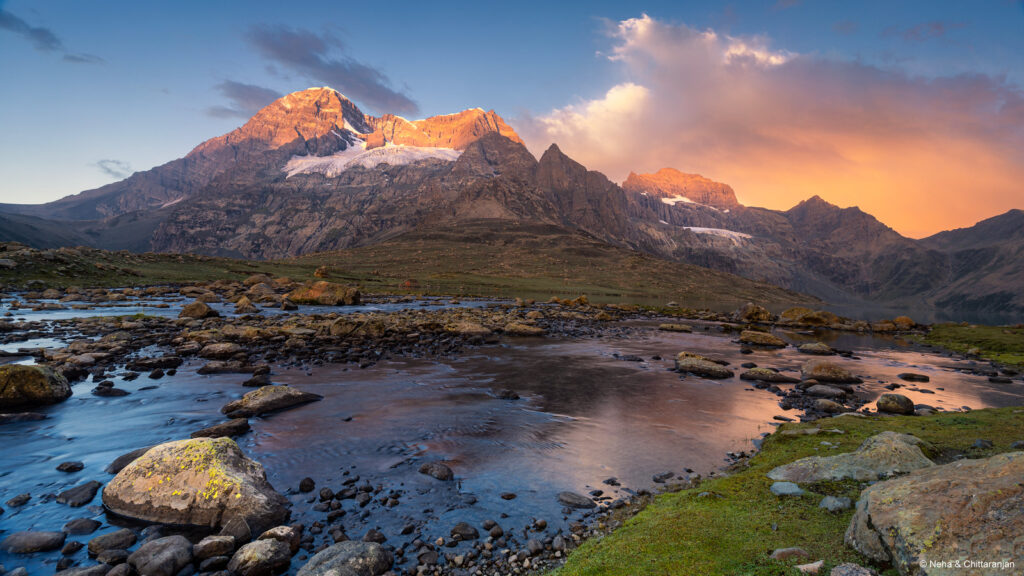
The lakes of the Kashmir Great Lakes turn turquoise blue because fine glacial rock dust remains suspended in crystal-clear water and reflects sunlight in blue and green tones. That is the straight answer. But if you are planning this trek seriously, that one line will not satisfy you for long. When you finally stand beside those lakes after days of walking, the colour feels too intense to be explained so simply. It does not look natural at first glance. It looks staged, almost edited. And that is when the real curiosity begins. This article walks you through the why before the how, just like I would if you were asking me over chai while planning your trek. Why the Kashmir Great Lakes Trek Turquoise Blue Lakes Look the Way They Do The turquoise colour begins with glaciers. Long before trekkers arrived with backpacks and cameras, slow-moving ice carved the mountains of Kashmir. As these glaciers moved, they crushed rocks beneath them into extremely fine powder. This powder is often called rock flour, and it plays the starring role in this story. During summer, glaciers melt and feed the lakes with this mineral-rich water. The particles are so tiny that they do not settle at the bottom quickly. Instead, they stay suspended in the water and interact with sunlight. Blue and green wavelengths scatter back to your eyes, while the rest fade away. What you see is that unreal turquoise glow. This is not a trick of the camera. It is physics happening quietly at high altitude. Clean Water and High Altitude Make the Colour Sharper Another big reason the Kashmir Great Lakes Trek Turquoise Blue Lakes look so vivid is the absence of human interference. These lakes sit well above villages, roads, and towns. There is no sewage, no industrial waste, and very little organic pollution entering the water. At these heights, the air stays cleaner too. Less dust means clearer sunlight. When light enters such pure water, colours appear brighter and more defined. Even on days when the sky looks dull, the lakes often retain a soft blue shade. If you have seen lakes near cities, you will notice the difference instantly. Here, the water feels alive and untouched. Sunlight Changes the Colour Hour by Hour One thing many trekkers do not expect is how much the colour changes during the day. Early mornings bring calmer, deeper blues. Midday sun turns the lakes bright turquoise. By evening, the water sometimes shifts to greyish blue with silver highlights. This happens because the angle of sunlight changes how light penetrates the water. On clear days, the effect feels dramatic. On cloudy days, the colour softens but does not disappear. I remember sitting near Vishansar Lake on a cloudy afternoon, slightly disappointed at first. An hour later, when the clouds thinned, the lake suddenly glowed. It felt like nature rewarding patience. Which Lakes Look the Bluest on the Route? Not all lakes on the route shine the same way. Each has its own personality, shaped by depth, surrounding rocks, and glacial input. Most trekkers agree on this rough order: Vishansar Lake shows the strongest turquoise shade under sunlight Krishansar Lake appears slightly deeper blue, especially in the morning Gadsar Lake often leans towards greenish blue due to surrounding meadows Satsar Lakes vary widely, with some pools glowing more than others This variation keeps the trek visually engaging. You never feel like you are seeing the same lake again and again. Weather Plays a Bigger Role Than You Expect Weather decides how dramatic the lakes look on any given day. Clear skies amplify the turquoise effect. Light rain deepens the colour. Fresh snowfall makes the blue stand out sharply against white surroundings. Unstable weather can change the same lake’s appearance within hours. Many people worry when clouds roll in, but cloudy light often brings a calm, moody beauty that sunny photos cannot capture. If you come expecting postcard perfection every hour, you may feel restless. If you accept unpredictability, the trek feels richer. Best Time to See the Turquoise Colour Clearly Timing matters more than people admit. The lakes do not show their full colour all year. The most reliable window is: Late July to mid-September for peak colour August offers the best balance of weather and light Early mornings and late afternoons show the softest tones Earlier in the season, snowmelt can make the water look milky. Later in the season, colder temperatures dull the brightness slightly. Planning within this window increases your chances of seeing the lakes at their best. Why Stillness Matters More Than Photography Skills One thing guides rarely say clearly is this. The lakes look best when the wind is calm. Ripples break reflections and reduce colour intensity. Still mornings and quiet evenings show the cleanest shades. This is why waking up early matters. Step out before breakfast. Let the cold air sting a little. Those quiet minutes often give you views that no camera setting can improve. I have seen people rush, click a photo, and leave. They miss the slow reveal that happens when you simply sit and watch. What This Means for Someone Planning the Kashmir Great Lakes Trek If you are planning the Kashmir Great Lakes Trek, understand that colour is not guaranteed every moment. Social media shows highlights, not waiting. The real experience includes long walks, tired legs, sudden rain, and shared silences. This trek rewards those who slow down. When you stop chasing views and start observing, the lakes feel like a gift rather than an attraction. That mindset changes how you remember the journey. Practical Thinking Points Before You Go A few honest considerations help set expectations: Midday light shows the brightest turquoise shades Rain does not ruin views and often enhances colour Crowded camps affect peace, not the lake colour Patience matters more than fitness at these spots Keeping these in mind prevents disappointment and helps you enjoy the trek as it unfolds. How Locals View These Lakes For

Why the Lakes of Kashmir Great Lakes Look Turquoise Blue Read More »

Naranag Temple Ruins on Kashmir Great Lakes Trek

Day 8 of Kashmir Great Lakes Trek: Gangabal to Naranag

Day 8 of the Kashmir Great Lakes Trek covers the descent from Gangabal to Naranag, followed by a road journey to Srinagar, and it is the steepest and most reflective day of the entire trail. If your main doubt is whether this day is physically demanding or emotionally heavy, the honest answer is that your knees work harder, while your mind quietly processes the week gone by. Quick Facts: Gangabal to Naranag (Day 8 of KGL Trek) Before getting into emotions and stories, it helps to ground yourself with clear numbers. These details shape how you plan your pace and manage energy. Trek distance: 10 to 15 km Trekking duration: 6 to 7 hours Starting altitude: 3,505 m / 11,500 ft (Gangabal) Ending altitude: 2,271 m / 7,450 ft (Naranag) Elevation loss: Approx. 1,234 m Difficulty: Moderate due to long, continuous descent Day temperature: Around 17 to 20°C Early morning temperature: Can drop to 3 or 4°C near Gangabal This is the longest downhill walk of the Kashmir Great Lakes Trek, even though there are no high passes involved. Gangabal to Naranag: How Day 8 Begins Day 8 of KGL Trek starts beside Gangabal, known quietly among locals for its brown trout and its calm, glassy waters. The lake sits at the base of Mount Haramukh, feeling older and wiser than most places you have walked through this week. Mornings here are cold, even in peak season. Your fingers feel stiff as you pack, and steam rises from tea cups. I remember walking closer to the lake just to see the ripples once more, telling myself I would not rush this final goodbye. Once you step onto the trail, the mountains gently push you downhill, step by step. Discover the 7 Beautiful: Lakes on Kashmir Great Lakes Trek Trail Breakdown: Gangabal to Naranag Route Explained On paper, the Gangabal to Naranag trail map looks straightforward. On foot, it reveals layers of terrain and mood changes. 0 to 4 km: Gentle descent through open meadows with wide Harmukh valley views. Trunkhol meadows: Large grassy stretches where shepherds and horses are often seen. Bodpathri meadows: Rolling land that feels easy but quietly tires the legs. 7 km marker: The steep descent begins and continues for several kilometres. Butsheri or Budhshire forest ridge: Dense pine forest with narrow, shaded trails. Army checkpoint: Mandatory permit and ID verification point. Naranag village: Open ground, stone steps, and visible temple ruins. Knowing these landmarks helps you mentally break the day into manageable sections. Physical and Mental State on Day 8 of KGL Trek Physically, your lungs finally feel relaxed. Descents do that. But your knees now take centre stage, especially after the 7 km mark where the slope sharpens. Mentally, this day feels stretched. Thoughts drift easily. You remember earlier doubts, small victories, and campfire laughs. The Kashmir Great Lakes Trek has a way of slowing the mind, and Day 8 lets those thoughts settle before you return to roads and routines. If you feel unusually quiet, let it be. Silence fits this trail. Choose Your: Best Time for Kashmir Great Lakes Trek Safety Considerations on the Gangabal to Naranag Descent This descent is safe, but only if you respect it. Many trekkers underestimate this day because there is no climb left. Knee strain is common, as this is the steepest descent of the trek. Trekking poles are essential, not optional, especially on forest slopes. Footwear with good grip matters, since pine needles make paths slippery. Bear awareness is important in the Budhshire forest section. Stay in groups and avoid walking silently. I have seen strong trekkers struggle here simply because they rushed the downhill. Packing Access for Day 8 of KGL Trek Your bag may be lighter now, but smart access makes the day smoother. Knee cap or crepe bandage, even if you never used it earlier. Rain jacket, as weather can shift quickly in forest zones. Water bottle, since refill points reduce after leaving Gangabal. Sunglasses, as light filters sharply through trees. Avoid long halts. Short, frequent breaks keep joints happier. Reaching Naranag: Signals, Roads, and Reality Naranag does not arrive suddenly. The forest thins, the trail widens, and vehicle sounds slowly return. This is where network signals return for most trekkers. BSNL connections typically work here, though signal strength varies. This is your first proper connectivity after several days in the mountains. Phones come out instinctively, though many people put them away just as fast. The army checkpoint here verifies IDs and trek permits, so keep documents accessible. Naranag Temple Ruins: An 8th-Century Pause Beyond being a pickup point, Naranag holds quiet history. The ancient Naranag Shiva Temple complex dates back to the 8th century and is believed to have been built under King Lalitaditya. The stone ruins stand against green meadows, weathered but dignified. Even a short visit reminds you that these valleys were sacred long before trekking routes existed. If time allows, sit there for a few minutes. It feels like a respectful closing chapter. Logistics and Timings: Naranag to Srinagar Drive Once everyone gathers, bags are loaded and the road journey begins. The drive from Naranag to Srinagar usually takes 2 to 3 hours, covering roughly 50 to 77 km, depending on traffic. Most groups reach Srinagar between 6:30 PM and 7:30 PM. Roadside tea stops feel indulgent after days of trekking food, though it is wise to eat light. Your body is still adjusting, even if your mind is ready for comfort. Get an Estimate of: Kashmir Great Lakes Trek Cost Practical Tips for a Calm Final Day Small decisions today decide how you remember the ending. Start early from Gangabal, ideally around 7 AM. Slow down after the 7 km marker, regardless of how strong you feel. Change into dry clothes at Naranag before the drive. Acknowledge your support team, because their journey ends here too. Closure deserves attention. Why Gangabal to Naranag Lingers in Memory Gangabal to Naranag is not dramatic like earlier days of the

Day 8 of Kashmir Great Lakes Trek: Gangabal to Naranag Read More »

Gangabal Twin Lakes

Day 7 of Kashmir Great Lakes Trek: Satsar to Gangabal Twin Lakes

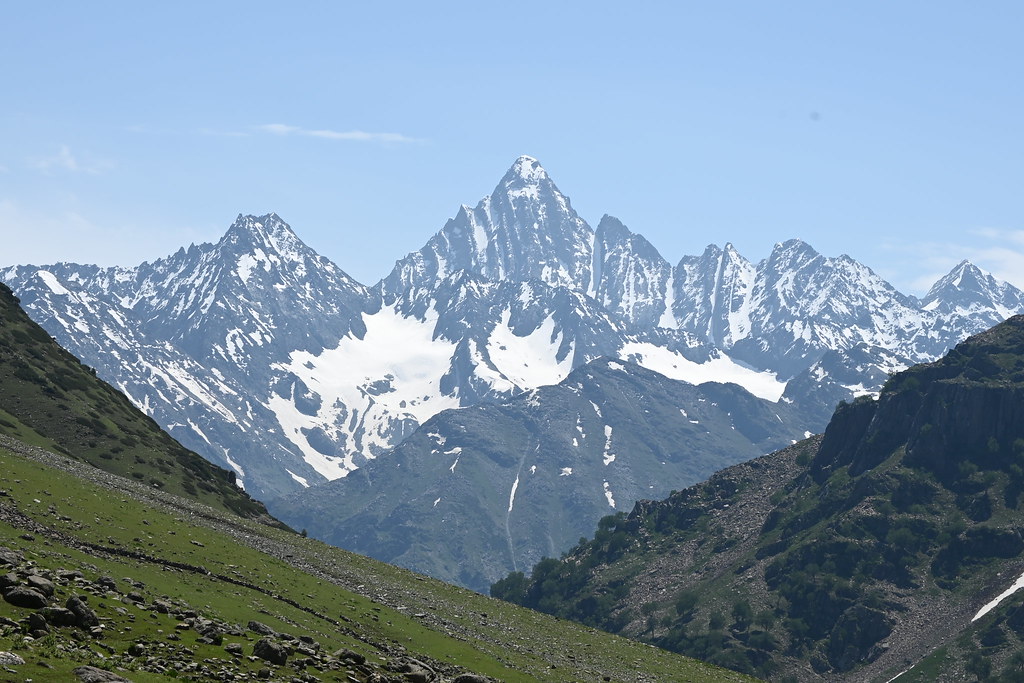
The 9–11 km Satsar to Gangabal day is long, physically steady, and emotionally rewarding, making it the most complete day of the Kashmir Great Lakes Trek. You leave Satsar knowing today connects effort with payoff. This is not a casual walking day. It asks for patience, focus, and steady pacing. In return, it delivers the most iconic lake basin of the entire KGL Trek. This stretch moves you from clustered alpine lakes to the wide Gangabal basin, crossing Zaj Pass in between. The change feels gradual at first. Then it feels sudden. Satsar to Gangabal Trek Snapshot Before the experience, it helps to know the hard facts. These numbers shape how the day feels on the ground. Distance: 9–11 km Trek duration: 5–6 hours, excluding long breaks Starting altitude: 11,985–12,000 ft (Satsar) Highest point: 13,000–13,400 ft (Zaj Pass) Ending altitude: 11,486–11,500 ft (Gangabal) Net descent from pass: around 1,400 ft Once you internalise this, the day feels far more manageable. Typical Day Timeline This timeline reflects a steady group pace under normal weather. 6:00 AM – Wake up at Satsar 7:00 AM – Breakfast and packing 8:00 AM – Start trek, enter boulder section 9:00 AM – Cross last Satsar lake, brief descent 9:30 AM – Begin long climb to Zaj Pass 1:00 PM – Reach Zaj Pass, lunch break 2:00 PM – Start descent towards Gangabal 3:30 PM – Cross stream near Nundkol 4:00 PM – Arrive at Gangabal campsite Times shift with weather and group strength, but this framework helps planning. Why Satsar to Gangabal Feels Different From Other Days Satsar feels enclosed and calm at nearly 12,000 ft. Gangabal feels open and powerful. Walking between them feels like stepping out of a quiet valley into wide, breathing space. If Kedarkantha stays in memory for clean snow slopes and sharp silence, the Kashmir Great Lakes Trek stays for colour, water, and scale. This day captures that difference clearly. You stop chasing views here. You let them come to you. Boulder Section After Satsar: What to Expect The day begins with a boulder-heavy stretch soon after leaving Satsar campsite. This section usually lasts 45 minutes to one hour. Large rocks cover the trail, some stable and some loose. Many trekkers naturally use their hands for balance, especially early in the morning when the stones feel cold and damp. This is not climbing. It is controlled movement. A few things help: Take short, tested steps Avoid jumping between rocks Stay focused, especially after rain Once this section ends, the trail becomes gentler and easier to read. How Long Does the Zaj Pass Climb Take? After the boulder zone, the trail descends briefly from the last Satsar lake. This section lasts around 30 minutes and feels easy, sometimes too easy. Then the real climb begins. The ascent to Zaj Pass takes about three to three and a half hours. The gradient stays steady, not sharp. What makes it tiring is the lack of visual progress. False summits appear again and again. You think the top is near. It rarely is. Accepting this early keeps the mind calm and the pace consistent. Find The: Best Time to Do Kashmir Great Lakes Trek Reaching Zaj Pass and the View of Mount Harmukh Zaj Pass is the highest point of the day. Wind is common, and the temperature drops quickly when clouds roll in. From the pass, the entire Gangabal basin opens up. More importantly, Mount Harmukh dominates the view. Its glacier feeds the twin lakes below. Standing here, you clearly see how water, ice, and mountain connect. The scale feels quiet and overwhelming at the same time. This view is the true reward of the Satsar to Gangabal climb. Photography Tips for This Day Light changes quickly in this basin, and timing matters more than gear. The best photo moments usually are: Harmukh reflected in Gangabal during early morning or late afternoon The twin lakes view from the top of Zaj Pass The boulder section wrapped in morning mist Midday light tends to flatten colours near the lakes, so patience pays off. The Descent Towards Gangabal Twin Lakes The descent from Zaj Pass is long but controlled. Knees feel the strain more than lungs. The trail moves through open meadows before turning rocky again. After a steep drop, the land flattens near the water. You first reach Nundkol Lake. A wooden log bridge usually helps cross the stream near its outlet. During high water flow, guides may ask you to walk upstream to cross safely. From Nundkol, Gangabal Lake is a 15–20 minute walk. Discover the Other: Kashmir Great Lakes Trek Lakes What Does Gangabal Lake Look Like? Gangabal Lake feels wide and open the moment you reach it. The water reflects changing skies, shifting colour as clouds move. The twin lakes feel balanced. One feels strong and expansive. The other feels quieter and contained. Most trekkers grow silent here. Not from tiredness alone, but because the place feels complete. This is where the Kashmir Great Lakes Trek settles into memory. Campsite Reality Near Gangabal Camping near Gangabal is beautiful, but it is not untouched wilderness. Because locals access this area from Naranag on weekends, you may notice signs of human presence near Nundkol. This contrasts with cleaner camps earlier in the trek. Even so, evenings grow calm once day visitors leave. The open basin, surrounding peaks, and fading light restore the sense of scale. Honest expectations make the experience better, not weaker. Important Health, Network, and Safety Notes At around 13,400 ft at Zaj Pass, mild altitude symptoms are normal, even for acclimatised trekkers. Watch for persistent headache, nausea, or unusual fatigue. If symptoms appear, slow your pace immediately. Drink three to four litres of water through the day and eat small snacks every hour. Diamox can help if symptoms worsen. Most discomfort fades within thirty minutes of descending towards Gangabal. Mobile network usually disappears after Satsar. Do not expect connectivity near the lakes. An army check post exists near Gangabal.

Day 7 of Kashmir Great Lakes Trek: Satsar to Gangabal Twin Lakes Read More »

Satsar Lake on Great Lakes Trek Day 6

Day 6 of Kashmir Great Lakes Trek: Gadsar to Satsar Lake

Kashmir Great Lakes Trek Day 6, the walk from Gadsar to Satsar, is a 9–12 km high-altitude crossing that takes 5–7 hours, climbs to the highest point of the trek at Gadsar Pass (13,750–13,800 ft), and then descends into the wide, lake-dotted Satsar basin at around 12,000 ft. If you are preparing seriously for this day, this single line already answers your biggest doubt. It is long, yes. It is high, also yes. But it is not brutal. With steady pacing, patience at the army checkpoint, and awareness of landmarks, Gadsar to Satsar becomes one of the most memorable days of the Kashmir Great Lakes Trek. KGL Trek Day 6 Overview: Gadsar to Satsar Before emotions take over, let us get the technical picture clear. This is the information trekkers actively search for while planning. Distance: 9–12 km Duration: 5–7 hours of walking (excluding checkpoint wait) Starting altitude: Gadsar Lake – approx. 12,500 ft Highest point: Gadsar Pass altitude – 13,750 to 13,800 ft Ending altitude: Satsar campsite – 11,995 to 12,000 ft Net altitude gain: ~1,300 ft Net altitude loss: ~1,800 ft This balance of climb and descent is why KGL Trek Day 6 feels demanding early on, then surprisingly gentle later. Why Gadsar to Satsar Is a Turning Point on the Kashmir Great Lakes Trek Till this day, the trek feels like a pursuit. You chase lakes, passes, campsites. On Gadsar to Satsar, the mountains change tone. They stop challenging you and start walking beside you. This is also the psychological peak of the Kashmir Great Lakes Trek. Once you cross Gadsar Pass, you know the hardest altitude is behind you. That realisation alone lightens your steps. I remember a fellow trekker saying, half joking, “If this was a movie, this would be the interval scene.” He was not wrong. Morning at Gadsar Lake: Cold, Quiet, and Focused The day begins at Gadsar Lake, resting at around 12,500 ft. Mornings here are cold enough to sting your fingers. Even in August, thin ice sometimes clings to the lake edges. You leave early because the army checkpoint later in the day does not run on trekking schedules. The initial trail climbs gradually over rocky grassland. During mid-July to August, this section comes alive with blue iris flowers scattered across the slope. Things that matter in this first hour. Eat properly, even if appetite feels low Keep a windcheater and gloves handy Start slow and let your body warm up Trail Landmarks to Watch For on Gadsar to Satsar This section often feels confusing on maps, so real-world waypoints help more than GPS lines. Here is how the day unfolds on foot. 1 hour in: Blue iris flower zone (mid-July to August only) 1.5–2 hours: Gadsar Pass summit with prayer flags and stone cairns 2.5 hours: Army checkpoint with a small hut and 5–8 personnel 3.5 hours: Entry into Maengandob meadow with shepherd huts 4–5 hours: First small lakes, often mistaken for Satsar 5–6 hours: Actual Satsar basin with the main lake cluster Knowing these markers reduces anxiety and helps you pace your breaks better. The Climb to Gadsar Pass and Its Altitude Reality The climb to Gadsar Pass altitude, touching nearly 13,800 ft, is steady rather than steep. This matters. You are not fighting gravity; you are negotiating with it. Breathing stays controlled if you keep a rhythm. Short steps. No rush. This is alpine walking, not a snow slog like Kedarkantha. The reward arrives quietly as the valley behind you drops away. On clear days, the view from the pass includes twin alpine lakes shimmering below, a sight that makes even seasoned trekkers pause. Gadsar Pass: Wind, Flags, and a Mental Shift At the top, prayer flags flutter violently on windy days. The pass feels exposed and raw. Most trekkers instinctively layer up here. Emotionally, this is a release point. You have crossed the highest altitude of the KGL Trek. Everything ahead now trends downward. This is also where many people realise how different this trek feels compared to snow routes. Kedarkantha teaches grit and silence. The Kashmir Great Lakes Trek teaches flow and openness. Yamsar Lake: The First Lake After Gadsar Pass Soon after descending from the pass, you encounter Yamsar Lake on your left. This is often the first visible water body after Gadsar Pass, fed by glacial streams connecting back to Gadsar. Locals associate Yamsar with Lord Yama, the god of death, which gives the lake quiet mythological weight. The water appears dark, almost brooding, especially under cloud cover. Many trekkers pause here unknowingly, thinking they have reached Satsar. In reality, this is just the beginning of the basin. Army Checkpoint on KGL Trek Day 6: What to Expect Shortly after Yamsar, you reach the third army checkpoint of the trek. This is unavoidable and often underestimated. Here is the ground reality. ID verification against trekker manifests Clearance taken from headquarters Waiting time ranges from 30 minutes to 2–3 hours Satellite phone usually available at the post There is no mobile signal here. None. Use the wait to eat, hydrate, and rest your legs. Maengandob Meadow: The Famous Wallpaper Stretch Post checkpoint, the trail descends gently into Maengandob meadow. This wide green expanse feels unreal after days of tight valleys and climbs. Shepherd huts dot the meadow in summer. Sheep graze lazily. The mountains pull back, giving you space to breathe. If you trek in early September, the green fades into gold. The entire meadow glows under soft afternoon light, and the mood turns reflective. Stream Crossings and Intermediate Lakes As you move deeper, multiple streams cut across the trail. The water is freezing, especially in July. You also pass small lakes like Watal Sar, which often confuse first-time trekkers. These lakes hold water early in the season but may dry up by late August. Keep these points in mind. Cross streams slowly to avoid numb feet Change socks if needed before camp Trust your guide on campsite location Explore The Other: Lakes on

Day 6 of Kashmir Great Lakes Trek: Gadsar to Satsar Lake Read More »

Gadsar Lake on Kashmir Great Lakes Trek

Day 5 of Kashmir Great Lakes Trek: Vishansar to Gadsar Lake

The Vishansar to Gadsar Lake stretch is the toughest yet most rewarding day of the Kashmir Great Lakes trek, testing your lungs, legs, and patience before rewarding you with views that last a lifetime. If you are planning this trek seriously, this is likely the day you are most likely worried about. The climb looks sharp on the map, the altitude numbers sound scary, and people keep talking about army permissions and long hours. Let me clarify early. This day is demanding, yes. But it is not unsafe if you move with sense, start early, and respect the mountain rhythm. I say this from experience, not bravado. I remember waking up at Vishansar with stiff calves and a quiet doubt in my mind. By sunset at Gadsar, that doubt felt silly. The mountains did their job, we just had to show up prepared. Also Read: Best Time for Kashmir Great Lakes Trek Why Vishansar to Gadsar Lake Matters So Much This day is not just another walk between camps. It is the emotional and physical midpoint of the entire KGL trek route. You cross the highest pass of the trek and see two iconic alpine lakes in a single frame. The reason people talk about this day is simple, the landscape changes fast. Meadows turn into rocky slopes. Gentle trails become narrow mountain lines. Suddenly, the Himalayas feel vast and serious. From a planning point of view, this is where your acclimatisation shows results. If you rushed earlier days or ignored hydration, your body will remind you here. If you paced yourself well, you will feel tired but steady. Early Morning at Vishansar Lake Vishansar mornings are silent in a special way. The lake remains calm, reflecting clouds like a mirror. Most trekkers wake before sunrise, not because anyone forces them, but because the body senses a long day ahead. You pack quietly, sip warm tea, and look at the thin trail etched on the mountain wall. That line is your path to Gadsar Pass. It looks impossible from below, tt always does. I usually tell people not to overthink this view. Mountains love playing mind games. Once you start walking, the fear settles into focus. The Climb Towards Gadsar Pass The climb starts gently and then becomes serious. The first hour warms you up, breathing stays controlled. After that, every step demands attention. This is where trekking becomes mental. You stop counting distance and start counting steps instead. Ten steps, pause, breathe, repeat. There is a point where you reach a ridge and suddenly see both Vishansar Lake and Kishansar Lake together. Most people freeze here. Cameras come out. Silence follows. Do not rush this moment. These views are why you trained, packed, and travelled so far. At the Top of Gadsar Pass Standing at Gadsar Pass at around 13,750 feet feels unreal. On one side, snow-covered peaks stretch beyond the horizon. On the other, a wide valley opens with tiny blue lakes scattered like coins. Some peaks you see lie beyond the Line of Control. Knowing this adds a strange stillness to the moment. You realise how close borders feel in the mountains. Wind usually picks up here, so take photos quickly, layer up, and avoid sitting too long. The body cools fast at this height. Discover The Other: Lakes on Kashmir Great Lakes Trek Descent Begins and the Terrain Shifts The descent from the pass is long and tricky. Knees feel the strain now. Trekking poles are very helpful. If you did not bring them, this is when you wish you had. About half an hour into the descent, you spot a deep blue lake on the left. This sight lifts spirits instantly. The valley also starts widening, and grass slowly replaces rocks. Height loss is steady. You feel the air getting thicker. Breathing becomes easier. Conversations return. Reaching the Gadsar Lake Area Gadsar Lake sits quietly, almost shy compared to Vishansar. Fewer people camp here, which makes the place feel untouched. Camping near Gadsar Lake feels special but comes with responsibility. This region is sensitive. Whatever you bring in must go back with you, no shortcuts. Some teams choose to move further down towards the army camp instead of camping by the lake. Both options work, depending on weather and permissions. Army Camp and Permissions Reality This part worries many trekkers, so let us be honest. Yes, there is an army camp ahead. Yes, verification happens. No, it is not something to fear. The soldiers are professional and helpful. They check IDs and inform headquarters. This process takes time, sometimes two to three hours. The smart move is to reach early in the day. Late arrivals risk delays that stretch into the evening. Practical Facts You Should Know Before you plan this day, keep these ground realities in mind. Vishansar to Gadsar Distance is roughly 10 to 12 kilometres, depending on camp location Expect 7 to 9 hours of walking including breaks The ascent to the pass is steep but not technical Weather can change quickly near the pass Mobile networks do not work here These points may sound simple, but they shape your entire day. Energy, Food, and Hydration Tips This day burns calories like no other on the trek. Eat even if you are not hungry. Small bites are better than heavy meals. I always carry dry fruits and salty snacks for this stretch. They help maintain energy and prevent cramps. Drink water regularly. Cold weather masks dehydration. By the time you feel thirsty, you are already behind. How This Day Compares to Yemsar Lake Trek People often ask if this day feels tougher than the Yemsar Lake Trek. The honest answer depends on your mindset. Yemsar challenges you with isolation and navigation. This day challenges you with altitude and endurance. Physically, Vishansar to Gadsar Lake feels harder. Emotionally, it is more rewarding. Both teach respect for the terrain, just in different ways. Read This Guide and Calculate: Cost of Kashmir Great Lakes

Day 5 of Kashmir Great Lakes Trek: Vishansar to Gadsar Lake Read More »