Ritesh Kumar Mishra

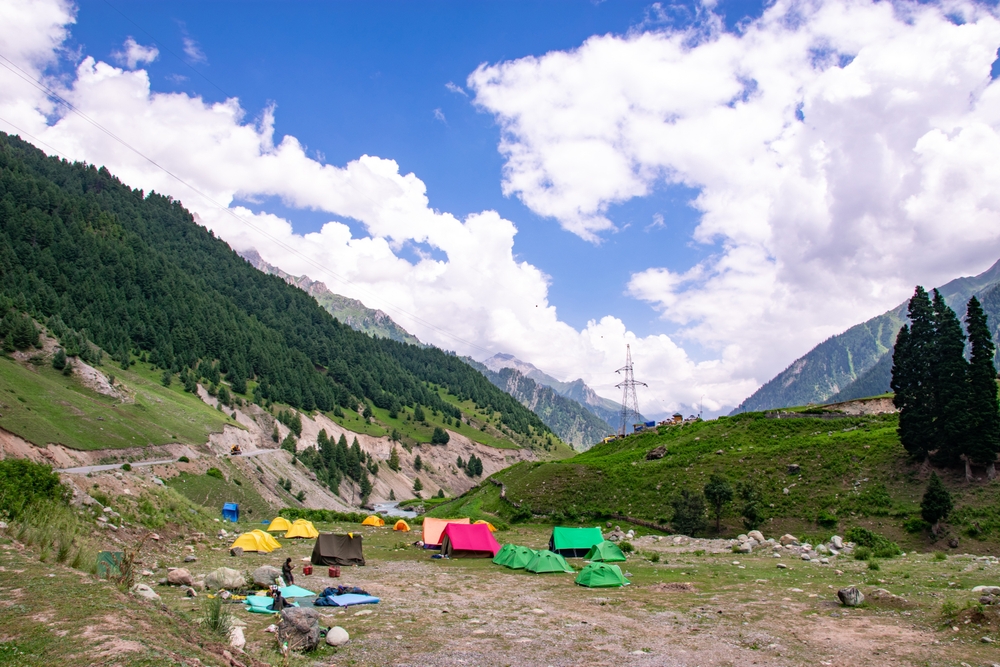
Shitkadi Campsite on Kashmir Great Lakes Trek

Day 1 of the Kashmir Great Lakes Trek: Srinagar to Sonamarg

The Day 1 is all about arriving on time, calming your nerves, and letting the mountains slowly take control of your mind. If you are planning Kashmir Great Lakes Trek seriously, here is the honest answer first. Reach Srinagar at least one day before your trek begins. This single decision saves you from flight delays, roadblocks, stress, and rushed mornings. Everything else goes smoothly only if you get this one step right. Why Day 1 Matters More Than You Think Most people assume Day 1 is just a travel day. That assumption causes more trouble than blisters ever do. This day sets the tone for your entire Kashmir Great Lakes Trek. Your body adjusts to altitude, your mind switches off city mode, and your logistics get locked in. Kashmir does not work on tight schedules. Flights get delayed. Roads close without notice. Security checks appear unexpectedly. When you arrive early, these issue become minor stories, not trip-ending problems. Reaching Srinagar Before Trek Day Srinagar should be your base at least one night before the trek. Most trekkers stay near Dal Lake or close to the airport for easy pickups. This extra day allows your body to rest after travel and gives you time to buy last-minute items like sunscreen, snacks, or a rain poncho. If you have booked a Srinagar to Srinagar Kashmir great lakes trek package, your job is simple. You relax, sleep well, and stay reachable on your phone. If you have not booked a package, you need to be more alert with timing and transport. Day 1 planning becomes your responsibility, not the trek leader’s. Pickup Plans for Those on a Trek Package For trekkers who opted for a Srinagar-to-Srinagar package, transport is organised in advance. Pickup usually happens around 10 AM. You will be picked up from your hotel in Srinagar, the airport or Srinagar railway Station. Sometimes, instead of individual pickups, there is a common meeting point. This location is usually confirmed 15-20 days before you reach Srinagar. Keep your phone active and respond promptly to WhatsApp messages. Being late here affects everyone. One delayed person can hold up an entire vehicle heading towards Sonamarg. Always choose your: Best Time for Kashmir Great Lakes Trek If You Did Not Opt for the Trek Package This is where many first-time trekkers feel confused. If you are travelling independently, you must reach Sonamarg before 5 PM on Day 1. No exceptions, no extensions. Sonamarg is not just a scenic stop, it is your gateway to the trek. Arriving late means missing the briefing or scrambling for accommodation. Transportation Options from Srinagar to Sonamarg The Srinagar to Sonamarg distance is around 80 kilometres, and the drive usually takes 2.5 to 3 hours, depending on traffic and weather. The road climbs gently, but the scenery shifts fast. Here are your realistic transport choices if you are travelling on your own. Shared Taxi Available from Srinagar taxi stands early morning Cost ranges between ₹500 to ₹800 per seat Best taken before 9 am to avoid delays Shared taxis are budget-friendly but unpredictable. You wait until all seats are filled, and stops are frequent. Private Taxi Cost ranges between ₹3,000 to ₹4,500 for the full vehicle Available through hotels or local drivers Most comfortable and reliable option This is ideal if you are travelling in a group or carrying heavy trekking bags. Bus Limited frequency and not trekker-friendly Cheapest option but time-consuming Not recommended with large backpacks Local buses work for locals, not trekkers on a schedule. Get a Detailed Breakdown of: Kashmir Great Lakes Trek Cost The Srinagar to Sonamarg Journey Experience The road from Srinagar to Sonamarg gradually strips away the layers of everyday life. Apple orchards give way to pine forests. Rivers begin to appear beside the road, clear and loud. You pass small villages where tea stalls sell Kahwa and bread early in the day. Trucks carrying timber crawl uphill. Army checkpoints appear quietly, reminding you where you are. The Mobile network fades in patches. This is normal. That silence is part of trekking in Kashmir. By the time you reach Sonamarg, the air feels cooler and cleaner. Many people step out of the car and take their first deep breath here. From Sonamarg to Shitkadi Village Shitkadi Village sits just ahead of Sonamarg and acts as the official starting point for the Kashmir Great Lakes Trek. Most organised groups drive you from Sonamarg to the campsite. The landscape opens up dramatically here. Wide meadows stretch out with snow-fed streams cutting through them. Peaks like Kolahoi and Machoi dominate the skyline, even if you do not know their names yet. You are not trekking today. You are arriving. Settling Into Shitkadi Campsite The campsite is simple yet scenic. Tents are pitched on flat grasslands with mountains rising on all sides. Evenings here feel calm, almost slow. Before dinner, a briefing session is usually held. Trek leaders explain: The route overview for the next few days Weather expectations Safety rules and walking pace What to pack in your day bag Listen carefully, even if you feel confident. This briefing answers questions you did not know you had. Dinner is warm and filling. Sleep comes early. The mountains have a way of encouraging that. What You Should Personally Do on Day 1 Day 1 is not about proving fitness. It is about preparing wisely. Keep these things in mind: Drink water regularly, even if you are not thirsty Avoid alcohol completely in Srinagar and Sonamarg Eat light but enough Sleep early, even if excitement keeps you awake Many strong trekkers underestimate this day and regret it later. Altitude adjustment starts quietly, not loudly. Mental Preparation Matters Standing in Shitkadi, most people realise something, this trek is not a picnic. It demands patience and respect. You might feel nervous. That is normal. You might feel underprepared. That is also normal. The mountains do not expect perfection, they expect sincerity. I have seen people with expensive gear panic here. I

Day 1 of the Kashmir Great Lakes Trek: Srinagar to Sonamarg Read More »
Kashmir Great Lakes Trek Campsites

Kashmir Great Lakes Trek Campsites | 7 Lakes and 3 Passes

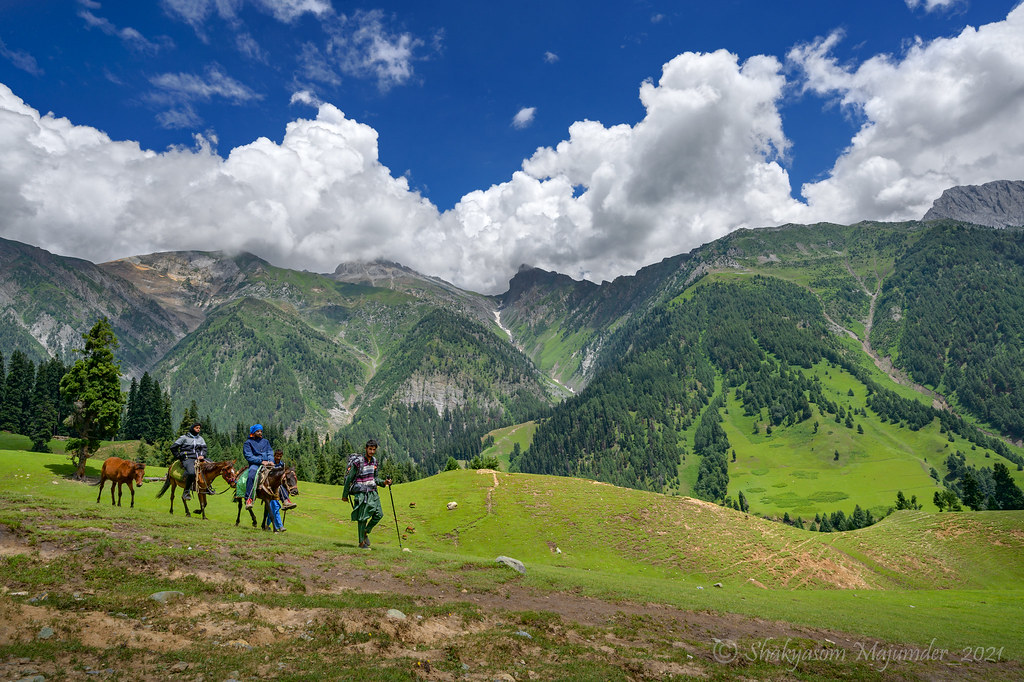
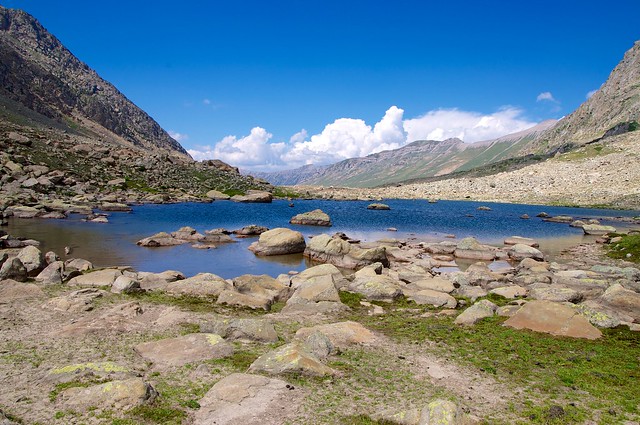
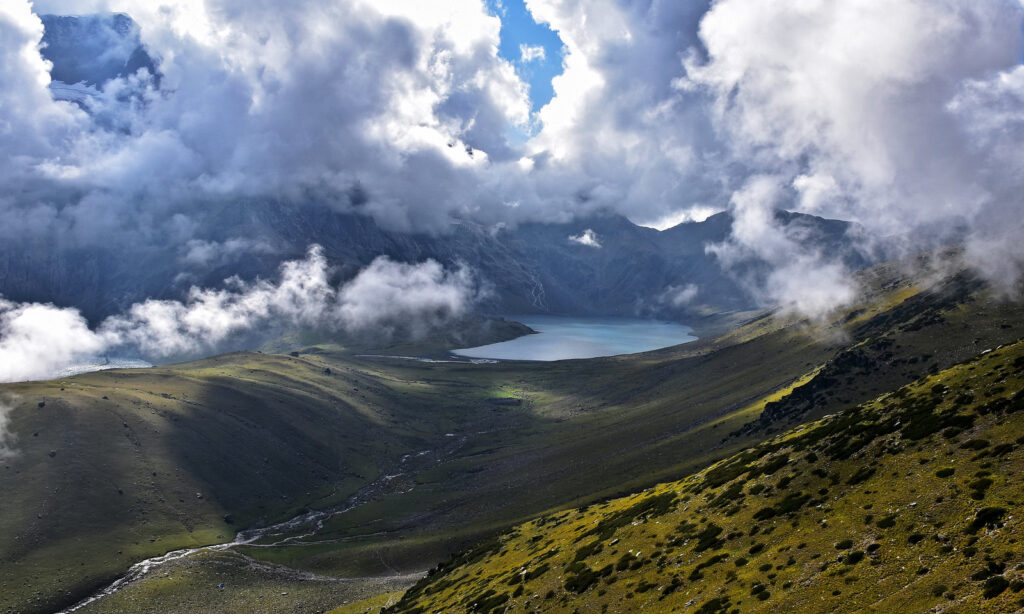
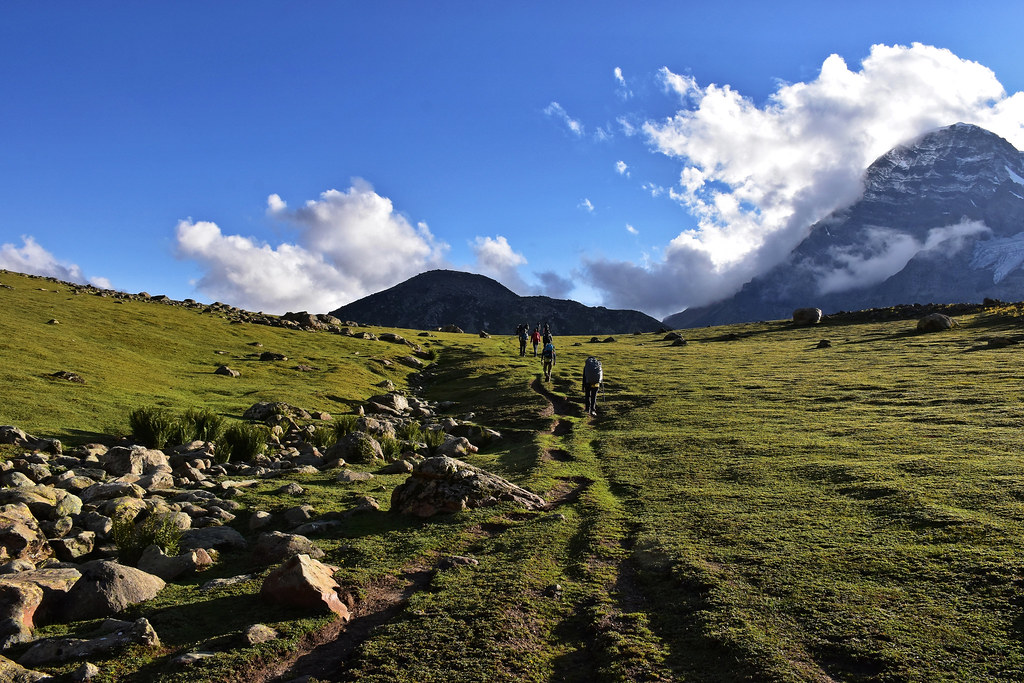
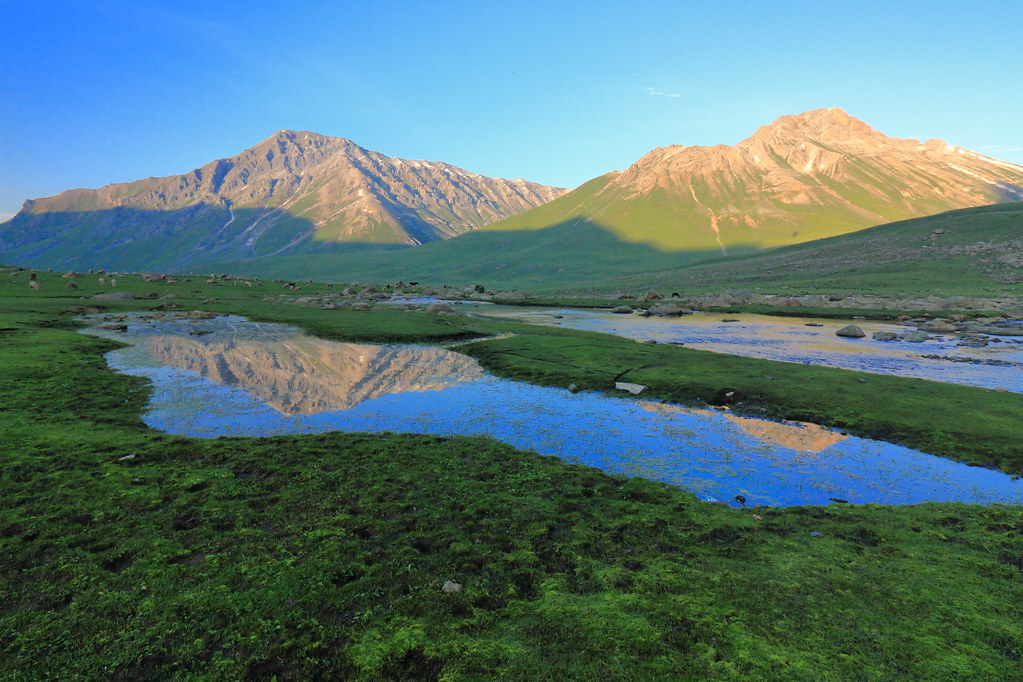
Kashmir Great Lakes Trek Campsites feature seven alpine lakes and three high mountain passes, set along one of the most scenic trekking routes in India.  If your main doubt is whether this trek is truly about lakes or just long walks between camps, let me be clear. The campsites are the heart of the experience. Every single day ends near water, grass, and wide mountain views. This is what makes the Kashmir Great lakes trek special. I have guided and trekked in Kashmir enough to say this with confidence. The lakes are not rushed viewpoints. You live with them, sleep near them, wake up beside them. And the passes connect these camps like quiet doors between worlds. Understanding Kashmir Great Lakes Trek Campsites before you go When people search for Kashmir Great Lakes Trek Campsites, they usually want to know where they will sleep each night and what they will see there. This trek has fixed camping zones because the terrain allows it. Flat meadows, fresh streams, and safe access make these spots natural halts. Each campsite is at a different altitude, which matters for your body, sleep, and energy. It also shapes the mood of each day. Some camps feel open and wide, while others feel quiet and enclosed. You notice the change if you pay attention. Camping here is not luxurious. It is basic but comfortable if done right. Tents are pitched on grass, and water comes from nearby streams. Nights are cold, even in peak summer. This is where expectations need to be realistic. Sonamarg to Nichnai: the first real campsite decision The trek starts from Sonamarg, but the first proper campsite is Nichnai. This is where many first-timers realise that trekking in Kashmir is no joke. The walk is gentle at first with pine forests slowly giving way to open land. Then the climb begins. Nichnai feels like a testing ground. The meadow is long and open, and the wind can be strong here. I remember one evening when clouds rolled in quickly and the temperature dropped within minutes. That night taught many people how important layering is. Why this campsite matters is simple. It tells you how your body reacts to altitude and cold. If you manage this night well, the rest of the trek feels easier. Nichnai seasonal lake (often missed, but real) In good snow years, a small seasonal lake forms near the Nichnai meadows after the snow melts. Early and mid-season trekkers usually see it clearly, while late-season trekkers may only notice damp ground where it once held water. This lake is rarely mentioned in fixed itineraries, which is why the trek is often described as having six lakes. On the ground, however, this water body is visible for much of the season. That makes it the seventh lake experienced during the trek, even though it is seasonal. Vishansar and Kishansar: twin lakes, shared campsite energy Vishansar Lake and Kishansar Lake are often mentioned together, and rightly so. They sit close, like siblings with different personalities. Vishansar is wide and reflective., while Kishansar feels deeper and more intense. The campsite here is one of the most loved on the route. Grass stretches in all directions, horses graze freely. On clear days, peaks reflect on the lake surface like a mirror. This is where people slow down, cameras come out, and conversations grow longer. Many trekkers say this is where they fall in love with the trek. Key things to note at this campsite: Night temperatures drop sharply after sunset Winds can be strong near the lake edge Sunrise is worth waking up early for Gadsar Lake campsite and the first real wow moment Gadsar Lake often arrives as a surprise. You cross your first major pass before reaching it, and the view suddenly opens. Snow patches linger here even in July. The lake sits quiet, almost hidden. Camping near Gadsar feels remote. This is where you start to feel far from roads and noise. The water is icy cold and the air feels thinner. Many trekkers feel the altitude here for the first time. I still remember a local shepherd offering warm kahwa nearby. Small moments like that stay with you longer than photos. This campsite teaches patience. You walk slower, breathe deeper and listen more. Satsar Lakes: camping among many waters Satsar Lakes is not one lake but is a cluster. Depending on snowmelt, you may see five, six, or even more water bodies. The campsite shifts slightly each season based on ground conditions. This area feels wild and untouched. There are fewer trees and the land feels raw. Weather changes fast here, making campsite choice important. Satsar matters is not just for the view, but is a mental test. Long walking hours, rolling terrain, and fewer landmarks make this day feel longer than it is. Things that help at Satsar: Start early to avoid afternoon weather changes Keep snacks handy for energy dips Stay hydrated even if it feels cold Gangbal and Nundkol: the grand finale campsite Gangbal Lake and Nundkol Lake sit at the base of Mount Harmukh. This campsite feels sacred. Locals believe Harmukh holds spiritual significance, and you can sense that silence here. Gangbal is large and calm. Nundkol is smaller but more dramatic. Snow-fed streams flow nearby. The campsite offers space to walk, sit, and reflect. This is where most trekkers feel a mix of pride and calm. The hard days feel worth it. You start thinking less about distance and more about moments. Camping here feels like a reward, not just a stop. The three passes that connect these campsites The lakes get all the fame, but the passes shape the journey. Each pass connects one camping zone to another and changes the landscape sharply. You cross: Nichnai Pass Gadsar Pass Zaj Pass Each pass brings a shift in terrain, wind, and views. Gadsar Pass is the highest and toughest. Snow often stays here late into the season. Crossing it feels like stepping into

Kashmir Great Lakes Trek Campsites | 7 Lakes and 3 Passes Read More »

Kashmir Great Lakes Trek Temperature

Kashmir Great Lakes Trek Temperature: 7-Day Real Conditions

The temperature on the Kashmir Great Lakes trek remains cold, changeable, and very real throughout all seven days, with daytime temperatures ranging from approximately 10°C to 18°C, and nights often dropping close to 0°C at higher camps. On this trek, temperature decides far more than comfort. It shapes what you wear, how well you sleep, how quickly fatigue sets in, and whether evenings feel peaceful or uncomfortable.  I have seen people stop enjoying the trek simply because they were unprepared for cold nights. I have also seen beginners finish strong because they respected the conditions and planned accordingly. This guide takes you through the Kashmir Great Lakes Trek day-by-day temperatures, focusing on how the weather actually feels on the trail. Why the Kashmir Great Lakes Trek feels colder than it sounds Before getting into the daily breakdown, one thing needs to be clear. Even when the thermometer shows 14°C, it often feels much colder here. The gap between numbers and experience comes from altitude, wind, open meadows, and sudden cloud cover. Most camps sit above 11,000 feet. Oxygen is thinner, so the body burns more energy just to stay warm. Add persistent mountain winds and damp ground, and the cold settles in quickly, especially after sunset when movement stops. A simple reality check that helps many first-timers: Sun warmth fades by 4:30 to 5 pm Wind chill matters more than air temperature Clear nights feel colder than cloudy ones Lakes trap cold air after sunset Once you accept this pattern, planning becomes simpler and expectations stay realistic. Day 1 temperature: Sonamarg to Nichnai campsite The trek usually begins at Sonamarg, which already feels cooler than Srinagar. Morning temperatures hover around 12°C to 15°C, and while walking uphill, you may feel comfortably warm. By afternoon, the sunshine feels pleasant. This is the day many trekkers feel confident about the weather. That confidence usually fades after dark. At the Nichnai campsite, temperatures drop quickly. Daytime: 14°C to 18°C Night: 4°C to 7°C Wind funnels through the valley here. After dinner, fingers go numb quickly if gloves are missing. This is often the first evening when people realise the cold deserves attention. Day 2 temperature: Nichnai Pass to Vishansar Lake For many trekkers, this is the coldest walking day. Crossing Nichnai Pass early in the morning means sharp air and, at times, frost on the grass even in July. While climbing, body heat keeps you warm. The moment you stop, the chill becomes noticeable. Vishansar Lake lies higher than Nichnai, and the temperature drop is immediate. Typical conditions: Morning: 2°C to 5°C Afternoon: 12°C to 15°C Night: 0°C to 3°C I remember waking up here to ice forming on my water bottle. At dawn, you can hear boots crunch softly over frozen grass, and steam rises from tea cups as the first light hits the lake. If you step out after sunset without layers, the cold settles fast. Day 3 temperature: Vishansar to Gadsar via Gadsar Pass This is a long day, and the weather often shifts without warning. Morning sunlight feels comfortable, but cloud cover near the pass can cause temperatures to dip suddenly. Gadsar Pass is extremely windy. Even at 10°C, it feels much colder once the wind picks up. Daytime: 10°C to 14°C Night at Gadsar: 2°C to 5°C If snow patches remain near the pass, the cold becomes sharper. This is where proper gloves and a windproof layer stop being optional. Day 4 temperature: Gadsar to Satsar lakes region This day is often underestimated because there is no major pass. Temperature-wise, it is deceptively tricky. The terrain is marshy, and damp cold slowly seeps into shoes and socks. Cloud cover tends to linger. Sunlight comes and goes. Daytime: 12°C to 16°C Night: 3°C to 6°C The cold here feels gentler than Vishansar but more uncomfortable due to moisture. One trekker in our group wore cotton socks, assuming they would dry overnight. By Day 4, the damp cold had crept in and blisters followed. Nothing dramatic, but it slowed their pace for the rest of the trek. Day 5 temperature: Satsar to Gangbal twin lakes This day involves another steady climb. As views open up, temperatures drop near the ridge before descending toward Gangbal. Gangbal campsite is wide and exposed. Evening winds move freely across the area. Daytime: 11°C to 15°C Night: 1°C to 4°C Many trekkers retreat into their sleeping bags early here. The lake glows beautifully at sunset, but warmth quickly becomes the priority. Day 6 temperature: Gangbal to Naranag descent As you descend, temperatures rise gradually. You feel the change in warmth, breathing, and overall energy. Morning at Gangbal: around 5°C Afternoon near Naranag: 18°C to 22°C Layers come off, jackets unzip, and the forest feels alive again. By the time you reach lower altitudes, it almost feels like summer. Day 7 temperature: Buffer or exit day Day 7 is usually a buffer, rest, or travel day depending on conditions. Temperature-wise, it feels noticeably warmer, mostly because you are no longer exposed to altitude and wind for long hours. Even if mornings remain cool, the body feels more relaxed. Fatigue drops, recovery improves, and cold stops dominating your thoughts. This day quietly completes the temperature arc of the trek. How weather changes by month on Kashmir Great Lakes Trek The month you choose makes a visible difference. July: Cold nights, possible snow patches, fresh meadows, unpredictable rain August: Slightly warmer days, fewer snow patches, more stable weather September: Coldest nights, clear skies, sharp drops after sunset If cold bothers you, mid-August is the safest window. If you enjoy crisp air and fewer crowds, September feels special but requires better preparation. Is Kashmir Great Lakes trek temperature okay for beginners? This question comes up often. The honest answer is yes, if preparation is taken seriously. The cold is manageable. It is not extreme, but it punishes carelessness. Beginners usually struggle when they: Skip thermal layers Carry light sleeping bags Ignore wind protection Assume summer equals warmth If

Kashmir Great Lakes Trek Temperature: 7-Day Real Conditions Read More »

Kashmir Great Lakes Trek Medical Planning

Top 8 Medical Essentials for Kashmir Great Lakes Trek

Kashmir Great Lakes trek medical preparation is essential, not optional. It is the thin line between a safe, enjoyable journey and a trip that becomes stressful halfway through the mountains. When you trek in Kashmir, you are not just walking through postcard views. You are moving through remote valleys, covering long distances, facing cold nights and sudden weather changes. Medical help is far away. Even minor health issues feel big at 13,000 feet. I have seen strong trekkers slow down because they ignored a simple headache on Day 1. So let us get this right from the start. Why Kashmir Great Lakes Trek Medical Planning Matters More Than You Think The Kashmir Great Lakes route is long, isolated, and exposed to fast-changing weather. Once you cross Sonamarg and move deeper into the trail, you lose easy access to doctors, pharmacies, and even phone networks. That reality changes how you should think about health. This is why the Kashmir Great Lakes trek medical planning is not about fear, it is about control. You carry solutions for problems that are common, predictable, and manageable when handled early. The smartest trekkers I have met are not the fastest. They are the ones who prepare quietly and never need emergency help. 1. Altitude Sickness Medicines Are Non-Negotiable Altitude sickness is the most common medical issue on this trek. Even fit people experience it. Headache, nausea, loss of appetite, or disturbed sleep can appear within the first two days. I have personally felt that dull headache creep in near Nichnai Pass. It is not dramatic at first, but if ignored, it can ruin the trek. Always carry these altitude-related medicines: Diamox (Acetazolamide) after consulting a doctor Paracetamol for altitude headaches Antiemetic tablets for nausea Oral rehydration salts These are core Kashmir trek medications and should never be skipped. Do not self-medicate blindly. Speak to a doctor before the trek and understand dosage clearly. 2. Pain Relief and Muscle Recovery Medicines are Important Daily Long walking hours, uneven terrain, and cold nights stress the body in quiet ways. Knee pain, ankle strain and shoulder stiffness from backpack weight are common by Day 3 or Day 4. This is where pain relief becomes part of daily comfort, not just emergency care. Many trekkers regret not packing basic muscle support. Keep these simple but effective items: Ibuprofen or Paracetamol Muscle pain relief spray or gel Crepe bandage for joint support Good KGL trek health tips start with respecting your body before pain becomes serious. 3. Stomach and Digestion Medicines Save the Trek Let us be honest. Trek food is simple. Your body is under stress. Digestion often slows at altitude. Add cold weather and dehydration, and stomach issues become common. I have seen trekkers panic over mild loose motion or acidity. The stress makes it worse. Your medical kit must include: Anti-diarrhoea tablets Antacids for acidity Probiotics or digestion-support tablets These small tablets can protect your energy levels and sleep quality throughout the trek. 4. Cold, Cough, and Fever Medicines Are Essential in KGL Weather KGL trek weather changes quickly. A sunny afternoon can turn into a freezing evening within an hour. Wet socks, sudden rain, or strong winds can easily invite cold and fever. Ignoring early symptoms is a mistake. A mild cold at sea level feels very different at 12,000 feet. Always pack: Cold and flu tablets Cough syrup or lozenges Fever-reducing medicine This is basic Kashmir great lakes trek medical sense. Treat symptoms early. Rest when needed. 5. Personal Prescription Medicines Need Extra Attention If you take daily medicines for blood pressure, thyroid, asthma, or allergies, this point is critical. Carry extra doses beyond the trek duration as weather delays are common. Keep prescriptions written down or stored on your phone. Also inform your trek leader clearly. Personal care checklist: Extra supply of personal medicines Written prescription or doctor note Emergency inhaler if needed This is one area where shortcuts cause real trouble. 6. Basic First Aid Supplies Handle Most Minor Injuries Blisters, cuts, sunburn, and minor bruises happen to almost everyone. They are small problems but can become serious if untreated in cold, wet conditions. I still remember helping a fellow trekker who ignored a blister. By Day 4, walking became painful. Your first aid essentials should include: Band-aids and blister pads Antiseptic cream or liquid Cotton, gauze and medical tape These basics complete your Kashmir trek medications kit. 7. Allergy and Skin Care Medicines Protect You Quietly Grass pollen, cold winds, sun exposure, and sweat can trigger skin issues or allergies. Even those people without known allergies may react at altitude. Add these simple protections: Anti-allergy tablets Calamine lotion or soothing cream Sunscreen with high SPF Skin discomfort may seem minor, but it affects sleep, mood, and energy. 8. Emergency Medical Tools for Peace of Mind These are not medicines, but they complete a serious medical kit. They help you respond calmly when something feels wrong. Smart additions include: Digital thermometer Small scissors and tweezers Emergency contact details You may never use them, that is the goal. How to Pack and Use Your Kashmir Great Lakes Trek Medical Kit Smartly Do not dump medicines randomly into your backpack. Organise them. Label strips. Keep emergency medicines in a quick-access pouch. Think through real situations. What if you feel dizzy at night? What if your knee hurts mid-day? Preparation prevents panic. This mindset is at the heart of good KGL trek health tips. Common Medical Mistakes Trekkers Make on KGL Route Many issues arise from poor decisions, not lack of fitness. Skipping altitude medicine thinking fitness is enough Sharing medicines without knowing possible reactions Ignoring early symptoms to save pride The mountains reward honesty, not ego. A Quiet Reminder Before You Start Packing Medical preparation does not mean expecting trouble. It means respecting where you are going. Kashmir Great Lakes is stunning, but it is not forgiving if you arrive unprepared. When your medical kit is ready, your mind stays calm. And when your

Top 8 Medical Essentials for Kashmir Great Lakes Trek Read More »

Kashmir Great Lakes Trek Reviews

7 Honest Kashmir Great Lakes Trek Reviews You’ll Love

Kashmir Great Lakes trek reviews usually agree on one thing right away. This trek is stunning, demanding, and deeply rewarding, but it is not as simple as many first-time trekkers expect. If you are planning this trek seriously, you are probably asking the same questions as everyone else does. Is it too hard for beginners? Will the altitude affect me badly? Is it worth the money and effort? I have walked this trail more than once, spoken to dozens of trekkers at camps, and seen people both fall in love with it and struggle quietly. Let me share what trekkers wish they knew before stepping into Kashmir’s high meadows. Why Kashmir Great Lakes Trek Reviews Matter More Than Instagram Photos Most Kashmir Great Lakes trek reviews begin with photos. Turquoise lakes, endless grasslands, horses grazing in postcard scenes. All of that is real. But photos do not show breathlessness at 13,000 feet, wet socks after a river crossing, or the silence when someone realises the day is longer than expected. This trek is not about ticking off a destination. It is about how your body reacts, how patient you are with slow days, and how comfortable you are being uncomfortable for a week. Reviews that only praise the beauty miss the real decision points. That is where honest experiences help. If you are reading this, you are doing the right thing. You are trying to understand the full picture before committing. 1. Kashmir Great Lakes Trek Reviews Rarely Explain How the Difficulty Feels Most people label the trek as moderate to difficult. That sounds neat, but it hides the real truth. The difficulty is not technical. There is no climbing or rope work. The challenge comes from long walking days at high altitude, often with steady climbs. You may walk six to eight hours a day. Some days feel easy at first, then stretch endlessly. Your legs may feel strong, but your lungs work harder than you expect. The trail is kind to the eyes, not always to the body. A common thought I hear is, “I go to the gym, I should be fine.” Fitness helps, but trekking fitness is different. Walking uphill with a backpack at altitude is a slow grind. Reviews that skip this reality set people up for surprise. 2. Altitude Is the Quiet Factor Most KGL Trek Reviews Underplay Altitude does not announce itself loudly. It creeps in. One day you feel fine. The next morning you wake up with a dull headache or no appetite. The Kashmir Great Lakes trek crosses camps above 11,000 feet regularly, with passes touching around 13,500 feet. What trekkers wish they knew is that altitude affects everyone differently. Age, fitness, and experience do not guarantee safety. I have seen seasoned trekkers slow down while first-timers adapt well. Acclimatisation days help, but listening to your body matters more. Typical signs people ignore include light nausea, disturbed sleep, and unusual tiredness. These are signals, not weaknesses. Walking slower, drinking water, and resting properly make a big difference. Reviews that treat altitude casually often come from lucky experiences, not universal ones. 3. The Lakes Are Spread Out, Not Clustered Like Many Imagine Many first-time trekkers imagine lakes appearing every hour. The truth is gentler and harsher at the same time. The lakes are spread across the route, often appearing after long walks when your energy dips. You may walk for hours through rolling meadows and suddenly see a lake open up below a ridge. That moment feels earned. It also means there are stretches that feel quiet and repetitive. This matters because expectations shape morale. If you expect constant visual drama, you may feel disappointed on longer grassy sections. If you expect a journey, the lakes feel like gifts, not obligations. 4. Kashmir Great Lakes Trek Reviews Often Skip Weather Reality Weather on this trek changes fast. Sunny mornings can turn into cold winds by afternoon. Rain is common, even in peak season. Nights can be cold enough to freeze water bottles near your tent. What trekkers wish they knew is that waterproof gear is not optional. A light drizzle over six hours can drain energy faster than a steep climb. Proper rain jackets, ponchos, and backpack covers matter more than brand names. Even in July and August, temperatures drop sharply after sunset. Sitting outside the tent with a cup of tea, watching steam rise in the cold air, feels magical. But only if you are warm enough to enjoy it. 5. Food, Toilets, and Comfort Are Basic, Not Luxury Many KGL trek reviews praise the food quality, and rightly so. Trek kitchens do an excellent job in tough conditions. Still, expectations need adjustment. Meals are simple, filling, and necessarily repetitive. Toilets are usually dry pits or basic arrangements. Privacy exists, but comfort is minimal. Cold mornings make these moments harder. This is not a luxury holiday. It is a shared outdoor routine. Trekkers who struggle most are often not unfit, but unprepared for basic living. If you need long showers, soft beds, and personal space, this trek will test you. If you accept simplicity, it becomes part of the charm. 6. Is This Trek Okay for Beginners? This is one of the biggest decision moments. Can a beginner do this trek? Yes, many do, but not casually. Beginners who succeed usually do a few things right. They train with regular walking, carry lighter backpacks and follow pace instructions. Most importantly, they respect rest days and heed warnings. What beginners often underestimate is mental endurance. Waking up early, packing daily, and walking for hours requires patience. The scenery helps, but discipline carries you through tough patches. If you are willing to prepare and listen, this trek can be life-changing. If you treat it like a picnic, it can feel overwhelming. 7. Is Kashmir Great Lakes Trek Worth the Money? Real Reviews Focus on Value, Not Cost The cost of this trek often seems high at first glance. When you add travel,

7 Honest Kashmir Great Lakes Trek Reviews You’ll Love Read More »

Responsible Tourism Ethics for Kashmir Great Lakes Trek

7 Responsible Tourism Ethics for Kashmir Great Lakes Trek

Responsible tourism ethics matter most on the Kashmir Great Lakes trek. This route passes through fragile meadows, living villages, and high-altitude lakes that cannot recover if mistreated. If you are planning this trek seriously, these ethics are not add-ons. They are the foundation of a safe, meaningful, and respectful journey. I say this as someone who has walked these trails slowly, spoken to local shepherds over noon chai, and watched careless trekkers undo years of natural balance in a single season. The Kashmir Great Lakes Trek is stunning, but its beauty is not passive. It responds to how you behave. Below are seven responsible tourism ethics that truly matter on this trek. Not theory. Not brochure talk. Real, lived guidance to help you decide how to walk, where to pause, and what kind of traveller you want to be. 1. Respect the Land The first thing to understand is that these meadows are not empty spaces. They are grazing grounds for Gujjar and Bakarwal families who move with the seasons. When you step onto a lush green patch near Nichnai or Vishansar, you are stepping into someone’s livelihood. I have seen trekkers pitch tents on soft grass because it “looked perfect.” That grass feeds sheep through harsh winters. Once flattened, it does not recover quickly at this altitude. Respect here means choosing designated camps, even if the view is less dramatic. This ethic shapes everything that follows. When you respect land ownership and usage, your decisions slow down. You start asking before acting. That pause alone protects the trail. 2. Honest Waste Management Let us be blunt. The Kashmir Great Lakes has a waste problem, and trekkers play a significant role in it. Snack wrappers, wet wipes, and even sanitary waste are often buried under stones. At this altitude, nothing decomposes quickly. I once picked up a chocolate wrapper near Gangbal that still had a readable MRP, from five years ago. That moment stays with you. Responsible tourism here means accepting inconvenience. You carry your waste back, every single bit. No excuses about weight or smell. Simple non-negotiables you must follow: Carry a personal waste pouch from day one Pack out wrappers, tissues, and hygiene waste Avoid single-use plastic before the trek starts Never burn waste, even paper, at campsites This ethic exists because the lakes have no natural cleaning system. What you leave behind becomes someone else’s burden. 3. Sensitivity to Local Culture Kashmir is warm, reserved, curious, and deeply dignified. Locals along the trail often watch trekkers quietly. How you dress, speak, and behave shapes how trekking is perceived as a whole. I remember a shepherd near Gadsar asking me why some trekkers played loud music near prayer time. He did not complain, he just looked tired. Respect here is not about rules, but it is about awareness. Dress modestly in villages. Ask before taking photos. Lower your voice near settlements. Small gestures matter more than grand speeches. When locals feel respected, they protect the trail alongside you. 4. Weather Awareness KGL trek weather is not dramatic for storytelling. It is practical, moody, and often unforgiving. Mornings can feel kind, but afternoons change fast. A clear sky can turn to sleet without warning. Responsible trekkers respect weather limits. They do not push for summit photos when clouds build. They do not rush river crossings because “everyone else did.” I have waited out rain for an hour near Satsar while others pushed ahead. Later, we met them shivering at camp. Mountains always charge interest for impatience. Responsible weather choices include: Starting early to avoid afternoon storms Listening to trek leaders without debate Packing proper rain layers, not shortcuts Accepting route changes when safety demands Weather humility keeps rescue teams out of danger and ensures your story ramains a good one. 5. It Means, Walking, Not Conquering This trek is not a medal. It is a conversation with altitude, water, and time. Many trekkers arrive with a “finish fast” mindset. That approach causes injuries, illness, and resentment towards the trail. I have seen strong gym-trained hikers struggle because they raced uphill. I have also seen average walkers succeed because they kept a steady rhythm. Responsible trekking means pacing yourself and letting the landscape lead. You stop when your breath asks you to. You drink water before thirst hits. The trail rewards patience. It punishes ego quietly but firmly. 6. This Include Ethical Camping Campsites are temporary homes. How you treat them decides whether they remain usable next season. Loud nights, scattered food, and careless washing pollute both soil and streams. Once at Vishansar, a group washed utensils directly in the lake. The water source for hundreds downstream was contaminated within minutes. Ethical camping is simple but strict. Use designated toilet tents or dig proper catholes Wash dishes at least 50 metres from water bodies Keep noise low after sunset Store food securely to prevent wildlife dependence Camping lightly ensures the next group experiences the same magic you did. 7. This End With Accountability This is the hardest ethic because it continues after the trek ends. What story will you tell when you return? Will you glamorise shortcuts and reckless behaviour or will you talk about restraint and care? I often tell friends that the best trekker leaves no trace behind, no trash, no trail damage, no offended locals. Responsible tourism is not perfect behaviour, it is conscious behaviour. You will make mistakes. What matters is correcting them and sharing better habits with others. This trek does not need heroes, it needs mindful walkers. Key Takeaways to Carry With You Treat the land as lived-in, not empty Carry back everything you carry in Let weather and locals set the pace Walk with patience, not pressure Camp as if you will return next year The Kashmir Great Lakes trek offers rare beauty, but it also asks a quiet question in return. When the trail remembers you, what exactly will it remember?

7 Responsible Tourism Ethics for Kashmir Great Lakes Trek Read More »

Health Risks on Kashmir Great Lakes Trek

5 Crucial Health Risks on Kashmir Great Lakes Trek Revealed

Kashmir Great Lakes trek illness is real, predictable, and manageable if you understand the risks before you step onto the trail. I say this clearly because most people planning this trek quietly worry about falling sick in the mountains. They may not say it aloud, but the fear sits there while packing shoes and rain covers. I have walked sections of this trail watching confident trekkers slow down, not from weak legs, but from ignored health signals. The Kashmir Great Lakes route is stunning, but it demands respect for your body as much as love for the views. Why health risks matter more than fitness on this trek The Kashmir Great Lakes Trek is not about brute strength alone. It passes through remote alpine terrain where help is limited and the weather changes rapidly. You sleep at high altitudes, walk long distances, and eat simple food for days. These three factors together decide how your body reacts. Many people assume gym workouts or weekend hikes are sufficient. That belief often leads to casual choices on the trail. Skipped meals, poor hydration, or rushing ascents gradually accumulate. Illness then appears quietly, often when the landscape is at its most beautiful. This article guides you through the five most crucial health risks. Each one comes from patterns I have seen repeatedly. None are rare, and none are dramatic, movie-style emergencies. They are slow, practical problems that reward awareness and punish neglect. 1. Acute Mountain Sickness and Kashmir Great Lakes trek illness Altitude sickness tops the list because it catches people off guard. The trek spends several days above 13,000 feet, and the body needs time to adapt. Oxygen levels drop, sleep quality changes, and digestion slows. Most cases begin with mild headaches and nausea. People dismiss these signs as tiredness and push ahead. That is when trouble grows. AMS does not care how strong you feel mentally. The reason this illness is common here lies in the ascent profile. The altitude gain happens quickly over the first few days. Combine that with excitement and peer pressure, and pacing suffers. Common early signs include: Dull headaches that return after rest Loss of appetite despite long walking hours Poor sleep with frequent waking Mild dizziness while standing The smartest trekkers I have seen do one thing right. They slow down before they feel sick. They drink water even when they are not thirsty. They also speak up early instead of acting tough. The Mountains reward honesty. 2. Stomach infections and KGL trek common diseases Stomach issues are the silent trek killers. You may still walk, but enjoyment drops sharply. On this route, water sources look pure but carry bacteria unfamiliar to your system. I once shared a campsite with a cheerful group from Delhi. Two days later, half of them were surviving on biscuits and regret. The cause was untreated stream water consumed during a hot afternoon. The digestive system already struggles at altitude. Add unfamiliar microbes, and the balance tips quickly. This makes stomach infections one of the most common problems on the trail. Typical triggers include: Drinking untreated stream or lake water Skipping hand hygiene before meals Overeating heavy food when appetite drops The fix is simple but requires discipline. Always treat water. Wash hands or use sanitiser before eating. Eat slowly, even when hungry. These habits may sound boring, but they save entire trek days. 3. Weather stress and KGL trek weather impact on health KGL trek weather deserves serious attention. The region experiences sudden rain, cold winds, and sharp temperature drops. Sunshine at noon can turn into icy drizzle by evening. Weather stress does not arrive as a single illness. It weakens the body slowly. Cold suppresses appetite. Wet clothes drain energy. Wind steals warmth faster than expected. Many trekkers underestimate how long dampness stays in the body. A wet sock during a river crossing may feel  minor. By night, it becomes shivering and restless sleep. Health risks linked to weather include: Mild hypothermia during rain spells Cold related coughs and chest congestion Joint stiffness that worsens walking posture Layering properly and changing wet clothes fast matter more than expensive gear. I always say this with a smile. Dry clothes feel better than any mountain view. Fatigue related injuries and overuse strain This trek involves several long days of walking. Fatigue creeps in quietly. Knees, ankles, and lower back take repeated impact, especially on descents. Most injuries occur not from slips, but from tired muscles losing form. People start dragging their feet or leaning incorrectly. The body then compensates in unhealthy ways. The reason is simple, continuous load without proper recovery breaks balance. Add uneven terrain, and strain becomes likely. Watch for warning signs such as: Sharp knee pain during descents Ankle soreness that increases after rest Lower back tightness affecting posture Using trekking poles, stretching in the evenings, and eating enough calories sharply reduce risk. Pride has no place when joints speak. Listening early saves weeks of recovery later. 5. Mental fatigue and decision making errors Mental health rarely gets discussed, yet it shapes every physical outcome. Long days, isolation, and unpredictable weather test patience. Homesickness or anxiety appears quietly. I have seen strong trekkers make poor choices simply because they were mentally drained. Skipping meals, ignoring cold, or rushing campsites often follow mental fatigue. The reason is decision overload. Every day brings choices about pace, clothing, water, and rest. When tired, judgment slips. Signs to watch include: Irritability over small issues Loss of interest in scenery or group conversation Careless walking or packing habits Talking openly helps more than silence. Sharing worries normalises them. Mountains feel kinder when the mind stays calm and engaged. How to reduce Kashmir Great Lakes trek illness risks practically Preparation is not about fear, it is about clarity. Knowing what might go wrong allows calm responses instead of panic. Here are grounded practices that work consistently: Build walking stamina, not speed, before arrival Practise slow breathing during climbs Carry basic medicines after

5 Crucial Health Risks on Kashmir Great Lakes Trek Revealed Read More »

Kashmir Great Lakes Trek Water Hacks

7 Water Safety Hacks On Kashmir Great Lakes Trek (2026)

Kashmir Great Lakes trek water safety is largely reliable when you know where, when, and how to refill, but blind trust in clear mountain water can still ruin your trek. If you are planning the Kashmir Great Lakes Trek seriously, water is one decision you cannot leave to chance. Shoes can get wet. Food can be adjusted. Water, if mishandled, can end your trek within a day. I have seen strong trekkers sit out entire days because of stomach trouble. Same route. Same water source. One small mistake. This guide walks you through safe refills on the KGL route, not as theory, but as real campsite decisions you will face every day. Think of this as a friend walking beside you, pointing at streams and quietly saying, “Fill here. Not there.” Why Water Safety Matters More on KGL Than Most Himalayan Treks The Kashmir Great Lakes trek feels untouched. Wide meadows, glacier lakes, flowing streams everywhere. That beauty creates a false sense of safety. Most water sources here are open, not piped. Livestock graze upstream. Campsites sit close to streams. Snowmelt looks clean but can still carry bacteria. The risk is not dramatic, but it is constant. What makes this trek different is the frequency of refills. You drink more because days are long and climbs are steady. One bad refill is multiplied across the week. So before talking about filters and tablets, you need to understand the thinking behind safe water choices. How to think about water on the KGL route (before the how) On this trek, you never ask “Is water available?”You ask “Is this water safe right now?” That small shift changes everything. I often tell first time trekkers to imagine water like street food. Looks tempting. Smells fine. But you still choose the stall carefully. The same logic applies here. Three silent questions should run through your mind every time you unclip your bottle: Where is this water coming from? What is happening upstream? When was the last human or animal activity here? Once you get this mindset right, tools become secondary. Kashmir Great Lakes trek water safety across the main campsites Let us walk campsite by campsite, because water decisions change daily. Sonamarg to Nichnai The initial stretch has plenty of flowing streams. Most come from snowmelt higher up. Early in the season, these are among the cleanest sources on the trek. Still, camps near Nichnai see pony movement. I usually refill away from camps, even if it means walking five extra minutes uphill. Vishansar Lake This is where many trekkers make their first mistake. The lake looks crystal clear. It reflects the sky. It feels pure. But lakes are not moving water. The safe sources here are small streams feeding the lake, not the lake itself. Morning refills are safer than evening ones due to less disturbance. Gadsar Pass and Gadsar Lake High altitude, cold water, fewer people. Sounds ideal. But this is also a grazing zone. You will often see sheep and horses around. Here, I never skip purification. Not once. Satsar and Gangabal Multiple lakes, multiple streams. Choice overload. The rule remains the same. Choose fast moving, narrow streams, preferably with a visible source above and no campsite directly upstream. 8 complete campsite water tips that actually work on KGL 1. Flow beats clarity every time Clear water does not mean clean water. Flowing water reduces bacterial buildup. I always pick streams where water moves fast enough to make sound. Silence is suspicious. If the stream is wide and slow, I move on. 2. Distance from campsite matters more than altitude Even at high camps, water near tents is risky. Cooking waste, washing, and toilet runs all affect nearby streams. Walk upstream or sideways. Five minutes of effort can save five days of medicine. This one habit alone improves KGL trek safe water decisions massively. 3. Morning refills are smarter than evening ones Human activity peaks in the evening. So does contamination. I refill for the next day either early morning or immediately after reaching camp, before others settle in. By night, the same stream may not be as safe. 4. Never refill below a visible trail crossing This sounds obvious, but it gets ignored. If a trail crosses a stream, trekkers and ponies cross there too. Hooves churn the bed. Waste flows downstream. Always refill above crossings, never below. 5. Filters help, but technique matters more Many trekkers carry filters and still fall ill. Why? Because they dip bottles directly into muddy edges or touch spouts with dirty hands. When I use a filter, I first let the stream fill a clean cup or pot. No stirring. No scraping rocks. Then filter calmly. 6. Tablets are backup, not primary strategy Water purification tablets work. But they change taste and take time. I treat them as insurance, not default. On days with heavy rain or visible animal presence upstream, tablets are worth it. Otherwise, smart source selection does most of the work. 7. One bottle for untreated, one for treated This small system avoids confusion. I label one bottle mentally as raw and one as safe. Mixing them even once defeats the purpose. On cold mornings when hands are numb, habits matter more than intentions. 8. Watch locals and guides quietly This is a human trick most blogs ignore. Local staff rarely drink at random. Notice where they fill their water. Notice which streams they avoid. On my first KGL trek, this observation saved me twice when my “clear looking” choice was quietly ignored by the guide. Common doubts trekkers have about water on KGL “Isn’t mountain water naturally safe?” Sometimes, but not always. Altitude reduces pathogens, but animals do not read guidebooks. “Do I really need purification?” If you choose sources carefully, you greatly  reduce risk. Purification adds a safety net, not a guarantee. “Can beginners manage water safety here?” Yes. This trek is beginner friendly if you pay attention. Water safety is more about awareness than experience. “Will altitude

7 Water Safety Hacks On Kashmir Great Lakes Trek (2026) Read More »

kashmir great lakes trek charging

7 Smart Power Hacks for Kashmir Great Lakes Trek You’ll Love

Kashmir Great Lakes trek charging is possible if you plan smartly, pack correctly, and accept that power here is a limited luxury, not a guarantee. That single line answers the biggest concern most trekkers have. You will not find plug points at camps as you do in hill stations. But you can keep your phone, camera, and essentials powered for the entire trek without stress. I have done this route watching some people panic over 2 percent battery, while others calmly take photos on Day 7. The difference is not money, it is planning. This guide explains 7 smart, realistic ways to manage charging on the Kashmir Great Lakes trek. Why charging feels like a big problem on this trek Before we discuss solutions, let us be honest about why this question even arises. The Kashmir Great Lakes trek passes through remote alpine meadows. Camps like Vishansar, Gadsar, and Satsar have no grid electricity. Even the start and end points are unpredictable, sometimes there is power, sometimes not. Weather, local supply, and timing decide everything. This creates a mental pressure. You start thinking, “What if my phone dies?” Not just for photos, but for maps, emergency calls, or even simple comfort. That fear is valid, but it is also manageable once you understand how charging really works on this route. What most first time trekkers get wrong about charging Many people assume they can “figure it out later”. They carry one small power bank and hope camps will have sockets. Others bring too many gadgets and then blame the trek for battery drain. The truth lies somewhere in between. You need to be realistic. This trek requires a mindset shift. You are not managing unlimited power, you are managing usage. Once you accept that, decisions become clearer. 1. Carry one reliable high capacity power bank (not two weak ones) This is the backbone of Kashmir Great Lakes trek charging. A single, high quality KGL trek power bank of 20,000 mAh or more is far better than two cheap 10,000 mAh units. Cheap banks lose charge in the cold and degrade quickly. I have seen them fail by Day 3. Cold nights around Vishansar and Satsar can drain weak batteries even when unused. A solid power bank holds voltage better and charges devices faster, which matters when you only get small windows of use. What works best in real conditions 20,000 to 30,000 mAh capacity Fast output (18W or above) Known brand with good cold performance Single unit instead of multiple small ones This alone solves about 60 percent of charging anxiety. 2. Use your phone like a trekker, not a tourist Your phone battery dies faster because of how you use it, not because of altitude. On this trek, phones constantly search for network, which silently drains the battery. Add frequent camera use, video recording, and background apps, and the drain doubles. I switch to flight mode the moment we leave base camp. I turn it off only when absolutely needed. This simple habit can save an entire day of battery. Simple usage habits that actually work Keep phone on flight mode all day Turn off Bluetooth and GPS when not needed Reduce screen brightness manually Avoid long videos unless necessary Close background apps at night These are small actions, but together, they extend your charge far beyond expectations. 3. Charge only at night and keep devices warm Cold is the silent battery killer on the Kashmir Great Lakes trek. If you leave your phone or power bank outside your sleeping bag at night, expect a shock in the morning. Even with 40 percent charge at night, you might wake up to 10 percent. I always keep my phone and power bank inside my sleeping bag or wrapped in socks near my body. Body heat makes a real difference at these altitudes. Also, charge devices only once at night. Frequent small top ups waste power due to conversion losses. This habit alone saved my camera battery on Day 6 when temperatures dropped sharply. 4. Use villages and transit points intelligently While camps have no power, transit points sometimes do. Places like Sonamarg, Naranag, or even some dhabas on the approach may offer charging if power is available that day. Do not depend on it. But do not ignore it either. If you see a working socket, use it. Even a 30 minute top up can add meaningful backup. I always carry a small extension plug which helps when sockets are few and crowded. This is not about comfort. It is about opportunistic charging. 5. Choose devices with strong battery life over fancy features This is where many people overspend and still struggle. A phone with an average camera but excellent battery life is more useful here than a flagship phone that drains fast. The same applies to cameras, smartwatches, and Bluetooth gear. Ask yourself before packing. Do I really need this device on this trek? If a gadget adds stress instead of value, leave it behind. I have seen trekkers carry drones and then worry all day about charging them. Meanwhile, they miss the simple joy of walking through meadows. 6. Consider solar only if you understand its limits Solar chargers sound perfect on paper. In reality, they work inconsistently on this route. Yes, the trek has open meadows, but the weather changes fast. Clouds roll in without warning. Charging speeds are slow. You need patience and correct positioning. Solar works best as a supplement, not a main source. It is useful for topping up a power bank slowly during long lunch breaks. If you already own one and know how to use it, carry it. If you are buying one just for this trek, think twice. 7. Accept limited power and enjoy the mental freedom This is not a technical tip, it is a mindset shift. Once you stop chasing full battery all the time, something changes. You use your phone with intention. You take fewer but better

7 Smart Power Hacks for Kashmir Great Lakes Trek You’ll Love Read More »

Electronic Safety Hacks for Kashmir Lakes Trek

5 Smart Electronic Safety Hacks for Kashmir Great Lakes Trek

Protecting your gadgets on the Kashmir Great Lakes trek comes down to planning for cold, water, and long power gaps before they ruin your trip. Phones die fast. Power banks drain faster than expected. Cameras fog up or stop working when rain and cold combine. If you go in thinking “I’ll manage,” the mountains usually teach a hard lesson. I have seen phones switch off near a lake just as the light turns magical. I have also seen trekkers panic because their GPS app stopped working in fog. This guide walks you through real choices, not fancy gear talk. Think of it as advice I would give you while packing the night before the trek. The focus is simple. what to protect, why it fails here and how to keep things working until the last campsite. Why Electronics Struggle on Kashmir Great Lakes Trek Before the hacks, you need the reason. This trek route tests electronics more than city users expect. The Kashmir great lakes trek weather changes fast. A sunny morning can turn into cold rain by noon. Nights drop low even in peak season. Moisture hangs in the air near lakes and camps. Electronics hate three things here. Cold drains batteries, water seeps in through tiny gaps, and long days without power stress charging habits. Once you accept this, your decisions become clearer. You stop carrying extra gadgets and start protecting what matters. Hack 1: Control Battery Drain Before it Controls You Battery loss is the biggest pain point on Kashmir Great Lakes trek. Cold air slows chemical reactions inside batteries. Phones that last all day in cities may die by lunchtime here. The mistake most people make is reacting late. They turn on flight mode only after the battery drops. By then, the damage is done. I usually set my phone from Day 1. It feels odd, but it works. Key battery control habits that save the day: Keep phones on flight mode unless needed Lower screen brightness at all times Close background apps after every use Avoid video recording unless it matters Switch off Bluetooth and location when idle Another trick people miss is warmth. Keep your phone close to your body. I store mine inside my jacket pocket during walks. At camp, I place it inside my sleeping bag at night. This single habit doubles battery life in cold zones. It sounds simple. Yet many lose phones just because they left them in the tent pocket. Hack 2: Waterproofing is Not Optional, It is Survival If you ask me for one non-negotiable rule, this is it. Assume it will rain. Assume you will drop something near water. Assume tents will get damp. Basic covers fail here. Thin zip pouches tear easily. Cheap cases leak at the corners. I learned this the hard way near a lake when the drizzle turned heavy in minutes. A “water-resistant” pouch did nothing. What actually works is layered protection. Not fancy gear, just smart layering. Use this setup instead: One sturdy zip-lock or dry bag Inside it, wrap electronics in a soft cloth Add silica gel packets if possible Keep chargers in a separate pouch Cameras need extra care. Remove batteries at night. Wipe the lens before sealing. Never leave them exposed during lunch stops. Water damage ends trips silently. No drama, just a dead screen and regret. Hack 3: Power Planning Beats Carrying More Power Banks Many trekkers overpack power banks. Two or three heavy bricks slow you down. Still, they run out. The issue is not capacity, it is planning. On Kashmir great lakes trek, charging opportunities are rare and shared. Sometimes solar setups work, sometimes weather ruins them. You cannot depend on camps. Instead of more banks, reduce charging needs. Here is a smarter approach: Carry one high-capacity power bank only Charge your phone once every two days Use camera batteries separately Avoid charging during cold nights Another habit I follow is timing. I charge devices during warmer hours. Batteries accept charge better when not freezing. Also, label cables and ports. At shared charging points, confusion wastes time and power. You do not need unlimited power. You need controlled use. Hack 4: Navigation Safety Without Draining Your Phone People worry about maps and signals. The truth is simple. The network is unreliable. Sometimes gone for days. Depending only on your phone map is risky. At the same time, keeping GPS always on, drains the battery fast. The balance lies in offline planning. Before the trek, download offline maps. Test them at home. Learn to read basic terrain lines. Even a quick look helps later. On the trail, I open maps only at decision points, not every five minutes. I also note landmarks, lakes, ridges, shepherd huts. For safety backup, carry one low-power navigation tool: Printed route notes Basic compass Shared group navigation plan Phones are helpers, not leaders. Let your eyes and trail sense do most of the work. Hack 5: Night Time Gadget Care Most People Ignore Night is when electronics suffer quietly, cold seeps in, moisture builds, batteries weaken. Many leave phones in tent corners. Some charge overnight. Both are bad ideas. I treat night care as part of my daily routine, like brushing my teeth. What works every single night: Switch devices off completely Wrap them in dry cloth Store inside your sleeping bag Remove camera batteries Never charge below freezing This routine takes two minutes. It saves hours of frustration later. Morning starts smoother. Devices wake up normally. You feel more confident heading out. Electronics need rest too, especially here. Choosing What Not to Carry Matters More Kashmir great lakes trek teaches minimalism quickly. Every extra gadget adds worry. Ask yourself one question before packing any electronic item. Will this truly add value, or just weight and risk? I now skip tablets, extra lenses, and backup phones. I focus on one phone, one camera, and one power bank. Less gear means better care. Better care means fewer failures. That is the quiet

5 Smart Electronic Safety Hacks for Kashmir Great Lakes Trek Read More »