

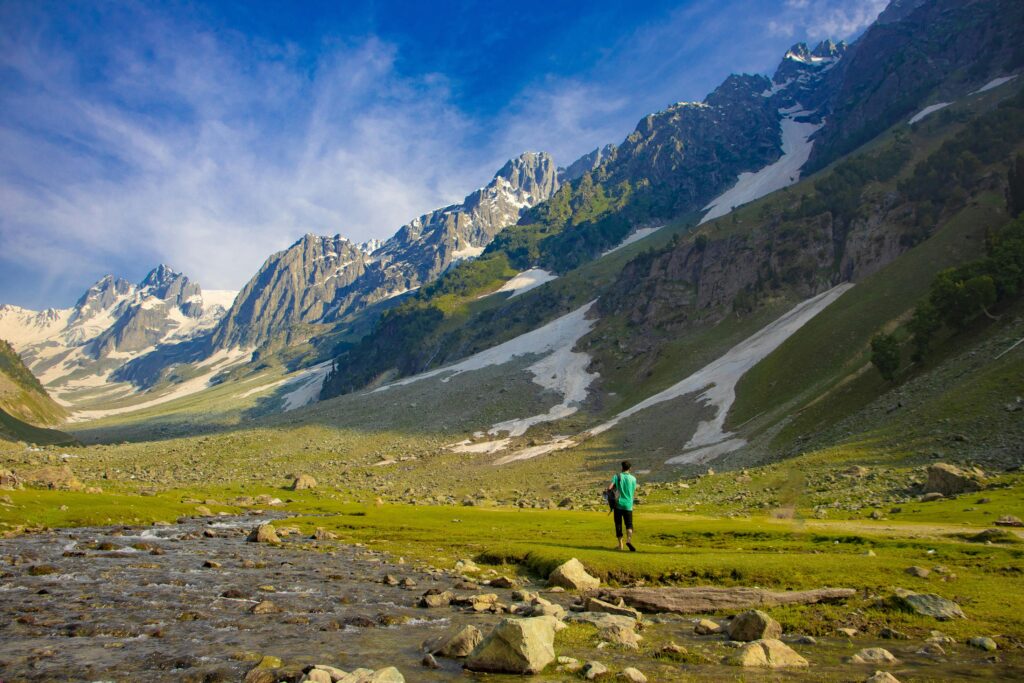
Kashmir Great Lakes Trek Solo: 9 Powerful Safety Rules
Kashmir Great Lakes Trek Solo is safe only when preparation leads and pride stays quiet. This trek is not about pushing limits. It is about reading signs, respecting silence, and making calm decisions when no one else is around. If you are planning to do this alone, seriously and thoughtfully, this article walks with you through the exact mental and practical checkpoints that matter. Not theory. Not drama. Just real guidance from how this trek actually behaves on the ground. Let’s clear the biggest doubt first. Is Kashmir Great Lakes Trek Solo a Good Idea? Yes, but not for everyone. This route moves fast into high altitude. Weather changes without warning. Mobile network disappear early. Some days you may walk for hours without seeing another trekker. If this is your first multi-day Himalayan trek, solo is not the right starting point. If you already have experience with altitude, navigation, and camping alone, then the trek becomes manageable, even rewarding. The key question is not courage. It is judgment. Why Safety Is Non-Negotiable on a Solo KGL Trek When you walk alone here, every decision is yours. There is no group momentum to carry you forward when tired. No second opinion when clouds gather early. No one notices subtle altitude symptoms except you. That freedom feels powerful, but it demands discipline. These nine rules exist to protect that freedom. 1. Start Kashmir Great Lakes Trek Solo Only With Clear Route Knowledge Navigation errors here cost more than time. They cost energy and daylight. Trails overlap with shepherd paths. Snow patches hide markers. One wrong ridge can take you far from camp. Before you begin: Study the day-wise camps and passes clearly Understand exit routes toward Sonamarg and Naranag Download offline maps before leaving network zones Apps like Maps.me or Gaia GPS work well when regions are saved offline. Google Maps does not. Carry a physical map as backup. Clarity before movement reduces panic later. Read This Guide on: how to reach the base camp of KGL trek 2: Begin Every Day Early, Even If You Feel Strong Strength does not control weather. Timing does. Afternoons in Kashmir often bring clouds, wind, or rain. River crossings swell quickly. Visibility drops fast near passes. A safe solo rhythm looks like this: Start walking by 6–6:30 am Cross high passes before noon Reach camp by mid-afternoon Early starts give you options. Late starts take them away. 3: Treat Altitude With Respect, Not Confidence Altitude rarely announces itself loudly. It creeps in quietly. On this route, sleeping altitude crosses 13,000 ft early. Even fit trekkers feel it. Watch for: Headache that stays despite hydration Sudden fatigue Loss of appetite Disturbed sleep If symptoms persist, slow down or descend. Do not negotiate with altitude. It always wins eventually. Going solo means you must listen to your body without distraction. You Must be Aware of: Kashmir Great Lakes Trek Difficulty Level 4: Solo Does Not Mean Disconnected From Locals One of the smartest safety habits on this trek is talking to people who live here. Gujjar and Bakarwal shepherds move through these valleys every season. They know which passes become risky in rain and which streams rise suddenly. Before moving ahead: Ask about weather changes Confirm pass conditions Listen carefully, even if advice slows you down Local knowledge often beats digital forecasts. 5: Always Carry One Extra Day of Food Delays happen here. Rain can stall movement. A swollen stream can block progress. Always carry: One extra day of ready-to-eat food Dry fruits or energy bars Electrolytes Extra fuel if cooking Food security keeps your mind calm. A calm mind makes better decisions when alone. 6: Choose Campsites for Safety, Not Scenery The most beautiful spot is not always the safest one. Avoid camping right beside lakes or streams. Night winds are harsh. Temperatures drop sharply. Animals use water sources. Safer camps are: Slightly elevated Sheltered from wind Close to shepherd huts when possible Good sleep leads to good judgment the next day. 7: Share Your Plan With Someone Outside the Mountains Freedom does not mean disappearing. Before starting: Share your full itinerary with a trusted person Set a daily check-in window Inform them about exit points If budget allows, a Garmin inReach Mini or similar satellite communicator adds a strong safety layer. It allows SOS and basic messaging even without network. It is not mandatory, but it helps you sleep more securely at night. 8: Let Weather Decide, Not Your Schedule The mountains do not care about bookings or return tickets. If clouds thicken early, winds rise suddenly, or visibility drops, stop and reassess. Solo trekking demands flexibility. Ask yourself: Can I reach camp safely today? Is the pass still visible? Do I have energy to correct mistakes? Turning back is not failure. It is a skill built through experience. Always Choose: Best Time for Kashmir Great Lakes Trek 9: Know When The Kashmir Great Lakes Trek Solo Is Not the Right Choice This rule matters more than all others. Avoid going solo if: This is your first Himalayan trek You have never camped alone alone Isolation makes you anxious You depend heavily on phone connectivity Choosing a group or local guide is not a weakness. It aligns with where you are right now. Solo trekking rewards readiness, not bravado. Pause Before You Commit to a Solo KGL Trek Before booking travel or packing gear, pause and ask yourself. Have I handled altitude above 13,000 ft alone before? Will I descend without ego if the weather turns? Am I calm when plans break suddenly? Your answers matter more than fitness charts or gear lists. Mental Safety Is as Important as Physical Safety Solo trekking quietly tests the mind quietly. Silence stretches. Nights feel long. Wind rattles tents. Doubts surface unexpectedly. What helps: Keeping simple routines Talking yourself through decisions Writing short notes Remembering why you came Confidence grows slowly here. It does not shout. What Truly Makes a Solo KGL Trek Safe Preparation beats courage Early
Kashmir Great Lakes Trek Solo: 9 Powerful Safety Rules Read More »